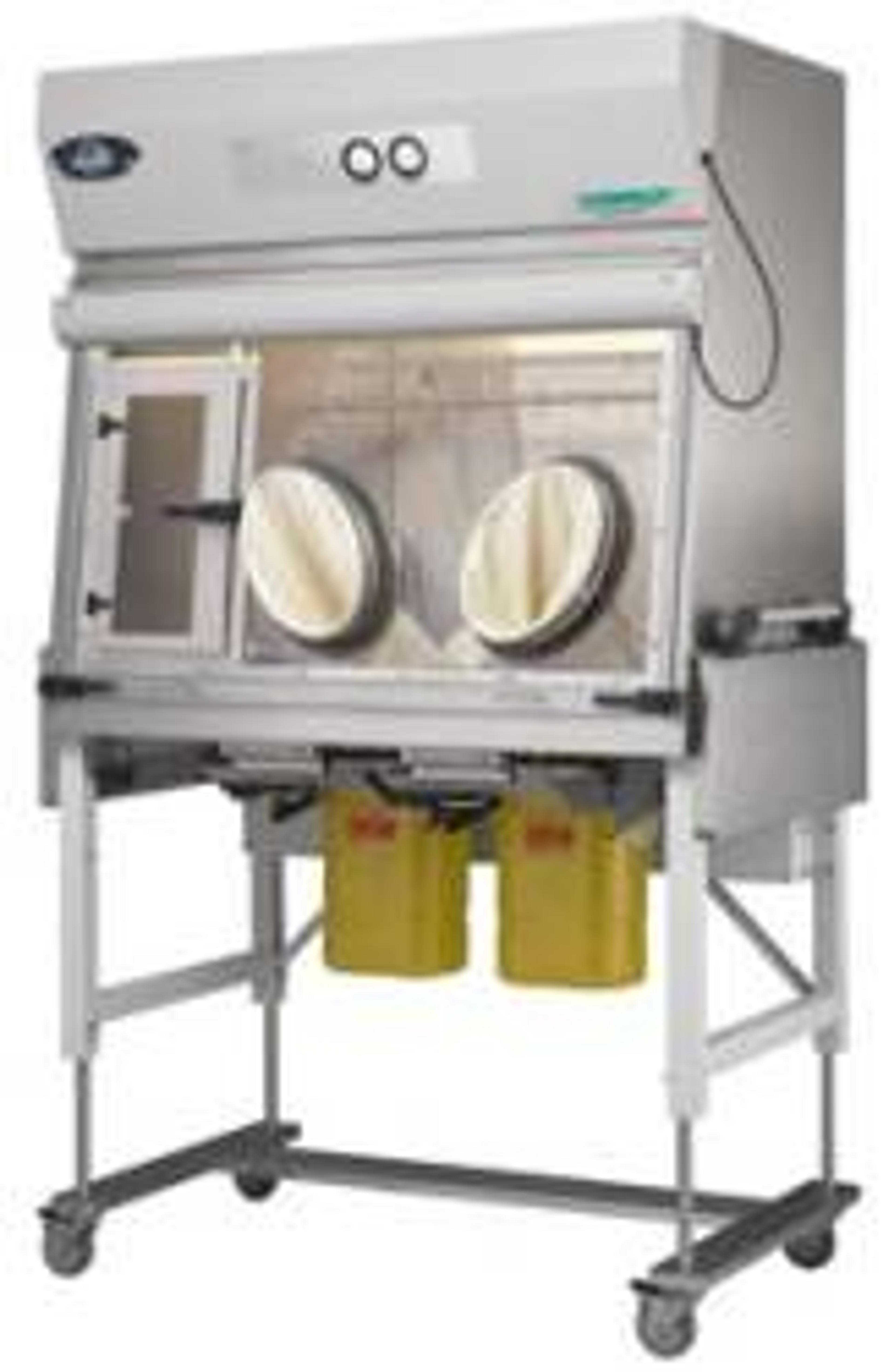
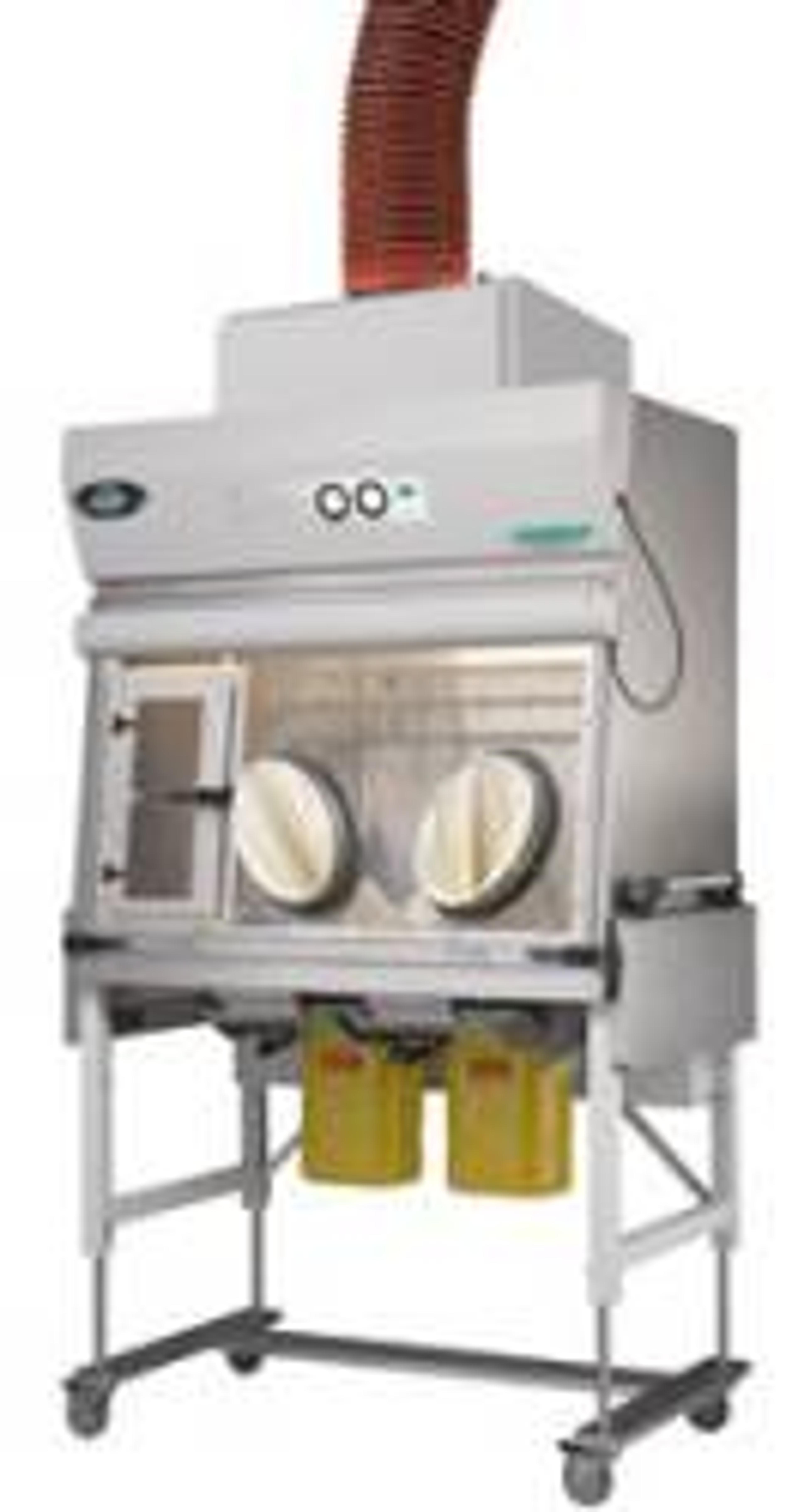
LabGard ES LP NU-640 Animal Handling Biosafety Cabinet
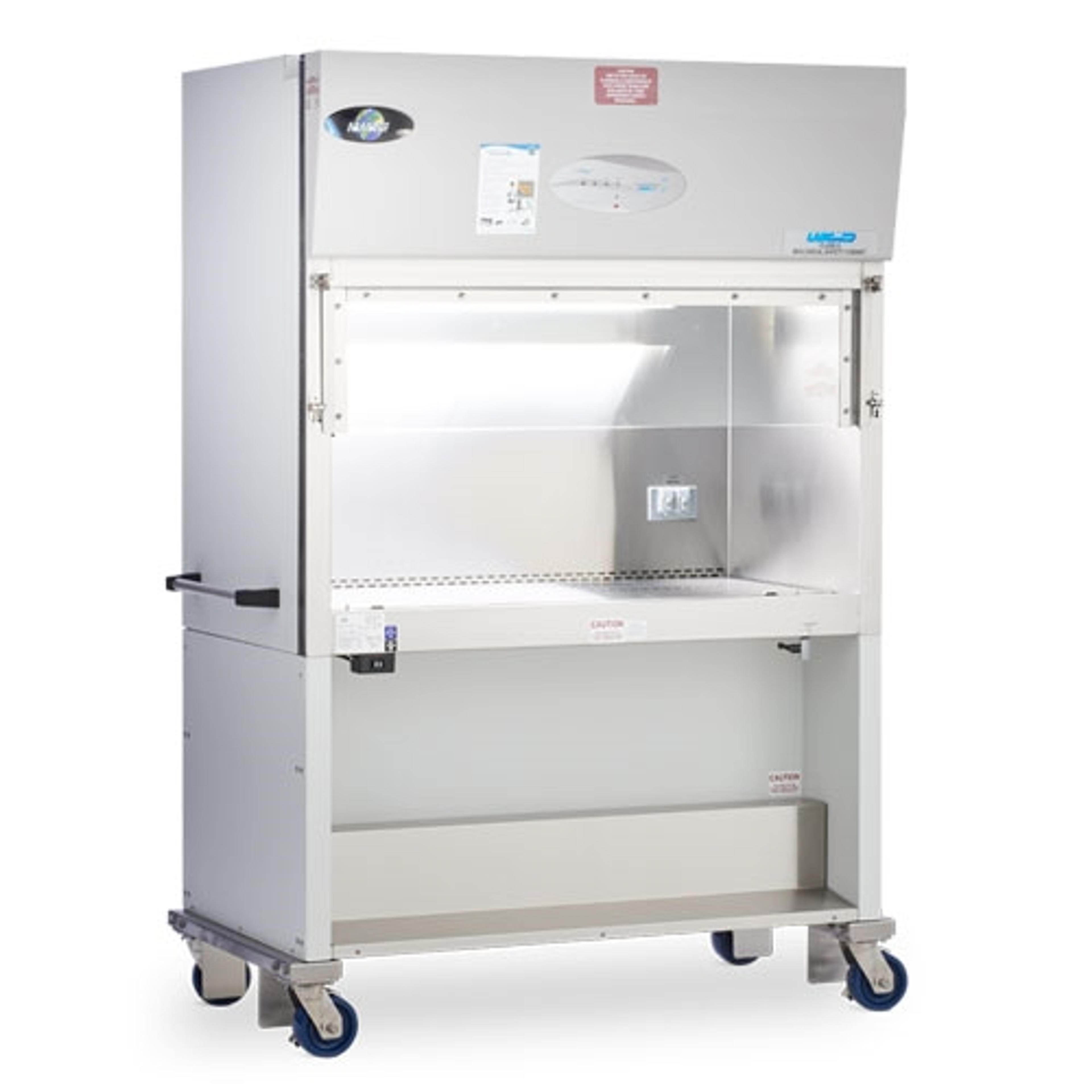
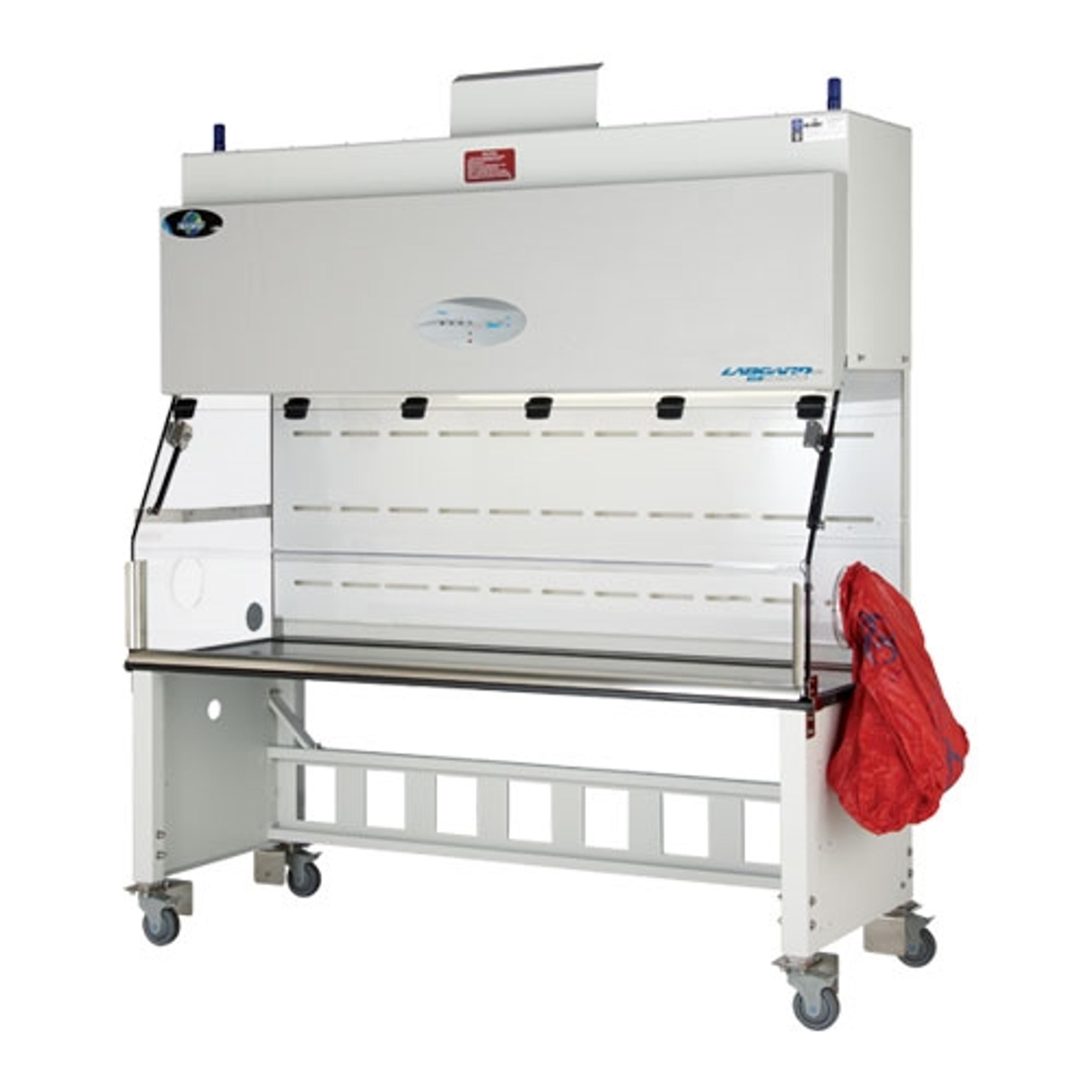
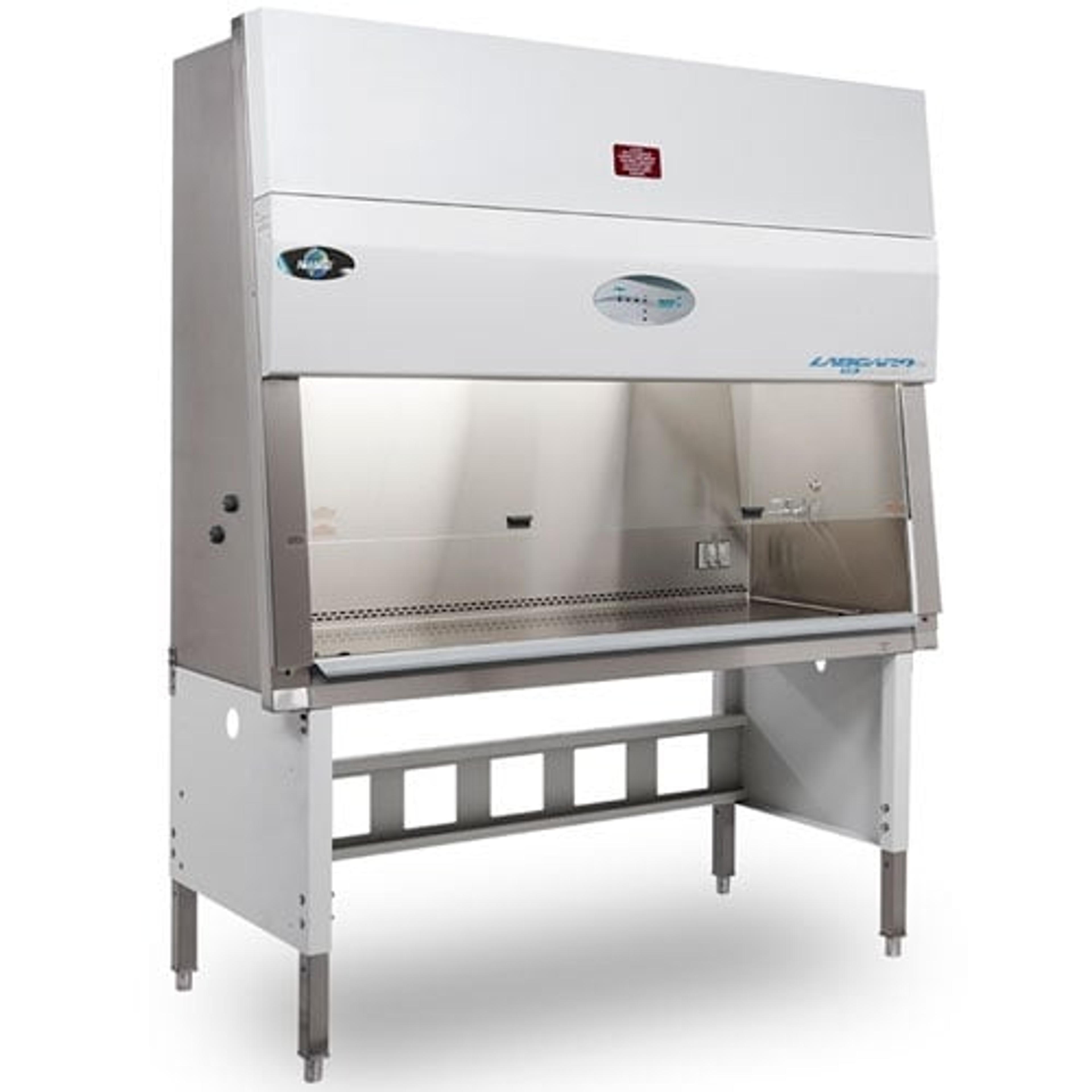
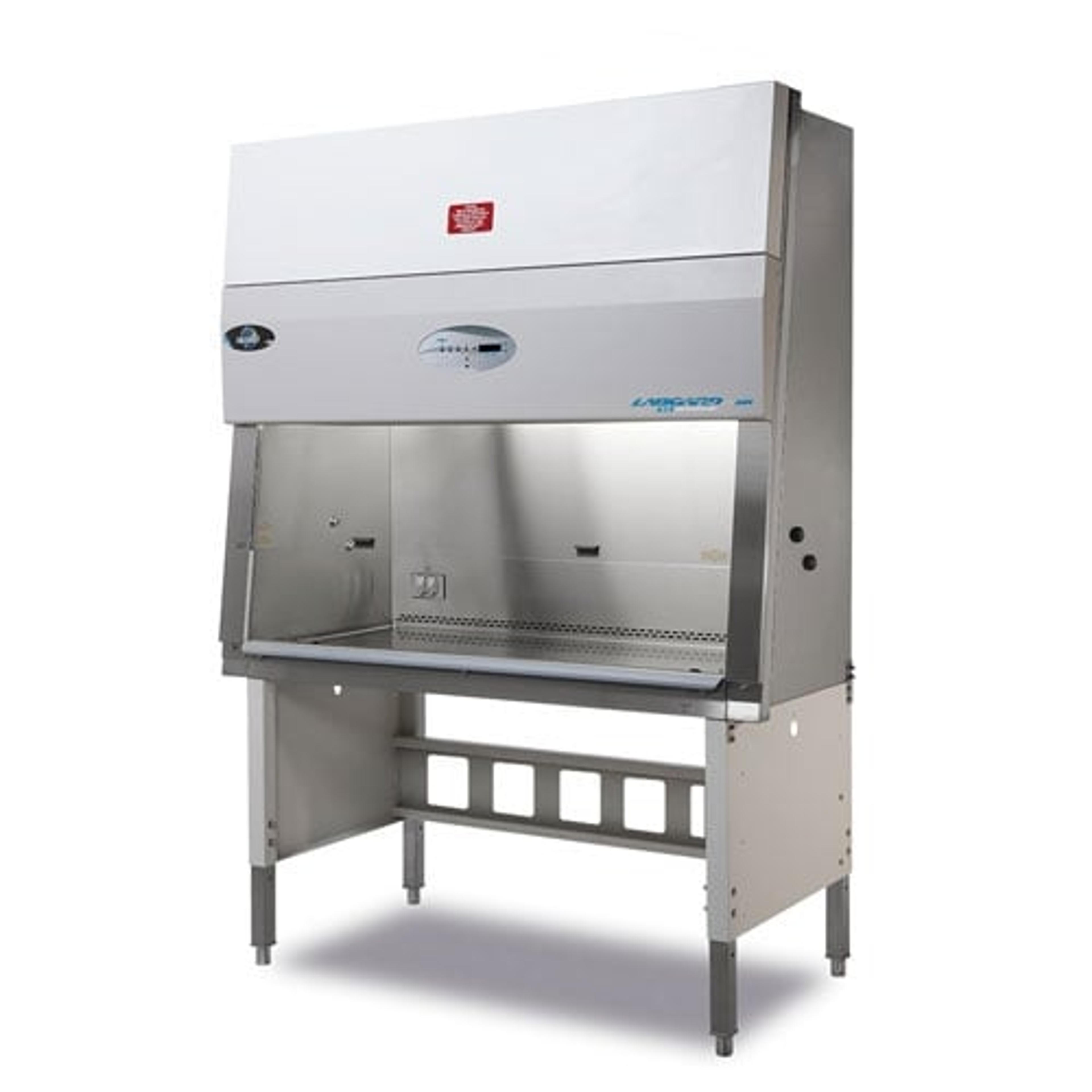
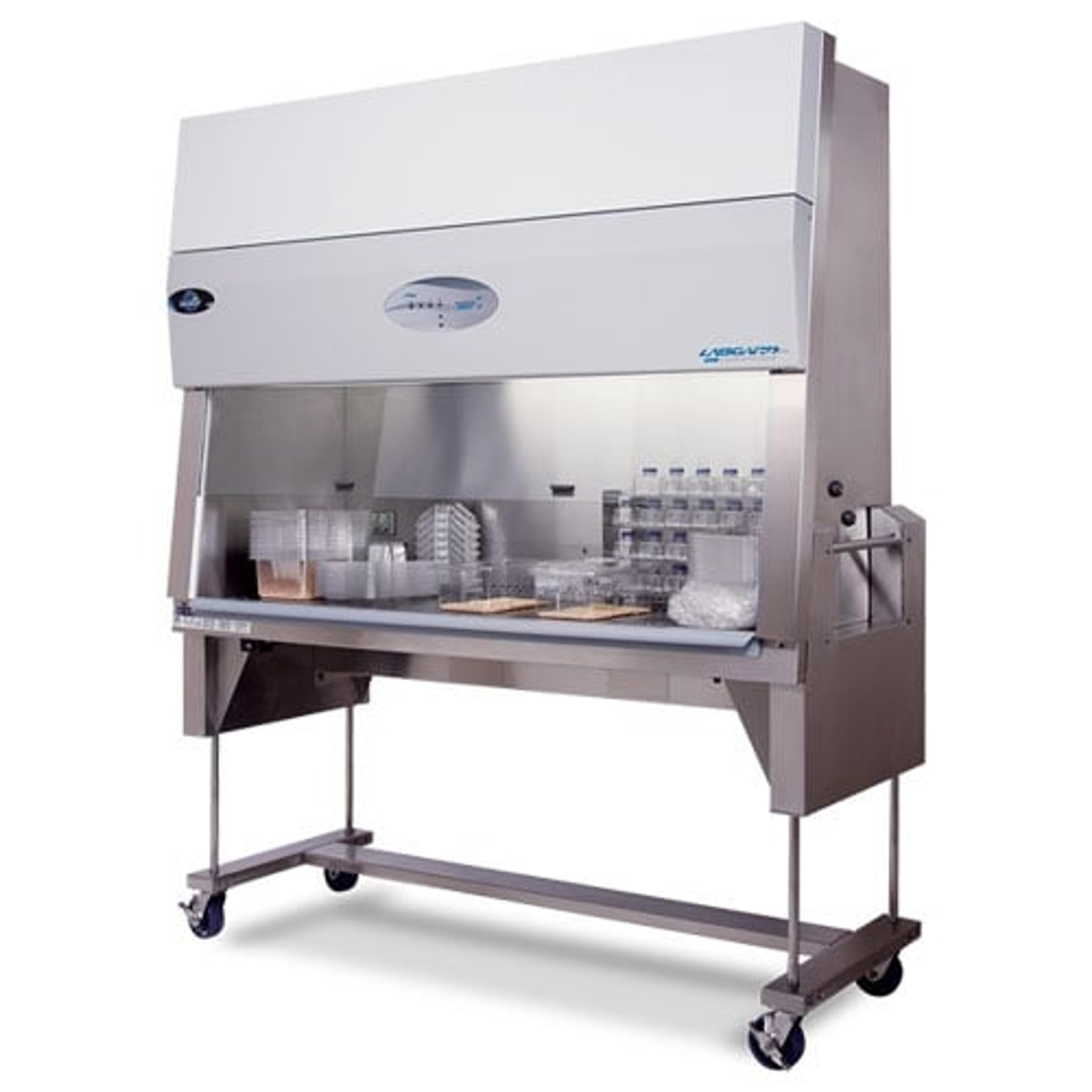
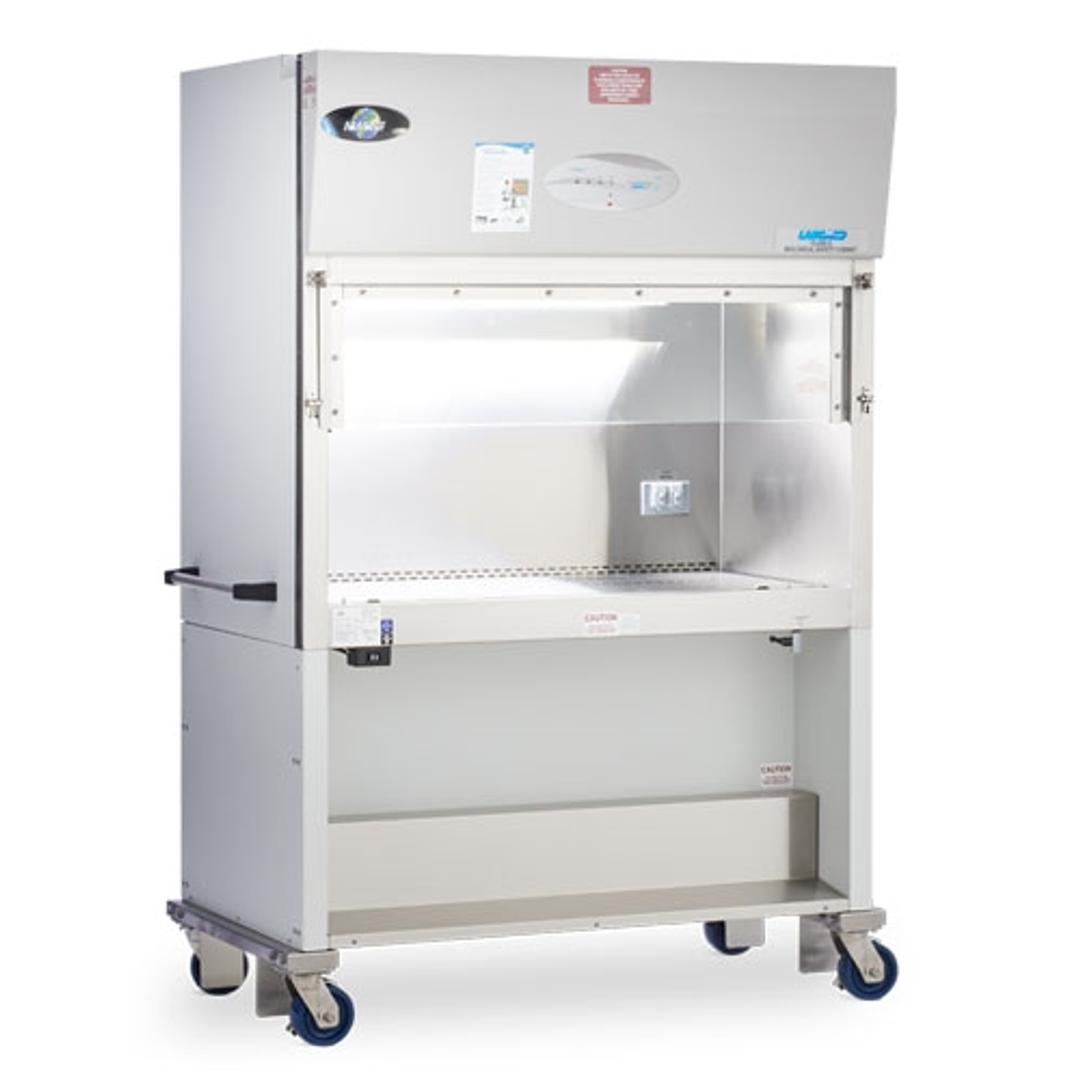
The LabGard ES (Energy Saver) LP (Low Profile) NU-640 Class II, Type A2 Animal Handling Biosafety Cabinet provides the largest work access opening with the smallest footprint while offering enough versatility to assist with all facets in the vivarium industry. Designed specifically for labs with low-hanging ceilings and fits through standard doorways. The nominal 6 foot [1.8 m] wide cabinet allows the ability to mix and match…

Receive your quote directly from the manufacturer.
The LabGard ES (Energy Saver) LP (Low Profile) NU-640 Class II, Type A2 Animal Handling Biosafety Cabinet provides the largest work access opening with the smallest footprint while offering enough versatility to assist with all facets in the vivarium industry. Designed specifically for labs with low-hanging ceilings and fits through standard doorways. The nominal 6 foot [1.8 m] wide cabinet allows the ability to mix and match an assortment of configurations; combine Refuse Disposal with Dirty Cage Collection to create your perfect animal waste station.

Biosafety cabinet selection in the context of risk assessment
The process of conducting a risk assessment can be crucial before initiating experiments involving potentially hazardous conditions or materials in the laboratory. This eBook provides comprehensive guidance on understanding, performing, and incorporating risk assessments into biological materials work. It covers the definition of a risk assessment, evaluation of hazards, implementation of control measures, and selection of biosafety cabinets (BSCs) based on risk assessment outcomes.
by Julianne Baron, PhD, CPH, RBP
10 tips for working safely with the NuAire Biosafety Cabinet
When working in the laboratory with a NuAire Biosafety Cabinet, following strict safety protocols is crucial. This infographic highlights a number of safety procedures ranging from understanding airflow and maintaining the proper sash level to the superior handling of tubes, Petri dishes, and aspirator bottles. Many common procedures in Biological Safety Cabinets (BSCs) may create splatter or aerosols, so techniques to reduce their generation are crucial to minimize personnel exposure to infectious materials.
Download this SelectScience infographic to explore how to:
- Understand how to correctly set up and prepare a NuAire biosafety cabinet to ensure optimal airflow and contamination control.
- Learn best‑practice techniques for safe and efficient work inside the cabinet, including proper hand placement and material organization.
- Recognize common user errors that compromise protection and discover how to avoid them through consistent, validated workflows.
- Apply correct shutdown, cleaning, and maintenance procedures to preserve cabinet performance and ensure long‑term laboratory safety.
Resource details:
- Document type: Infographic
- Page count: 1
- Read time: 1.5 mins
- Edition: 1st
50 years of innovation in lab safety
Laboratory safety has come a long way over the years. From biological safety cabinets to fume hoods, incubators, and animal handling products, explore some of the key innovations that have transformed the modern-day lab and find out where one of the world's leading providers of lab equipment came from and where it is headed.