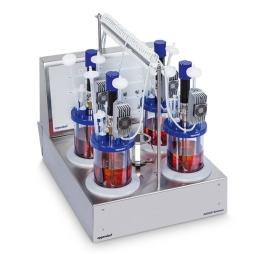
Eppendorf DASGIP® Parallel Bioreactor System
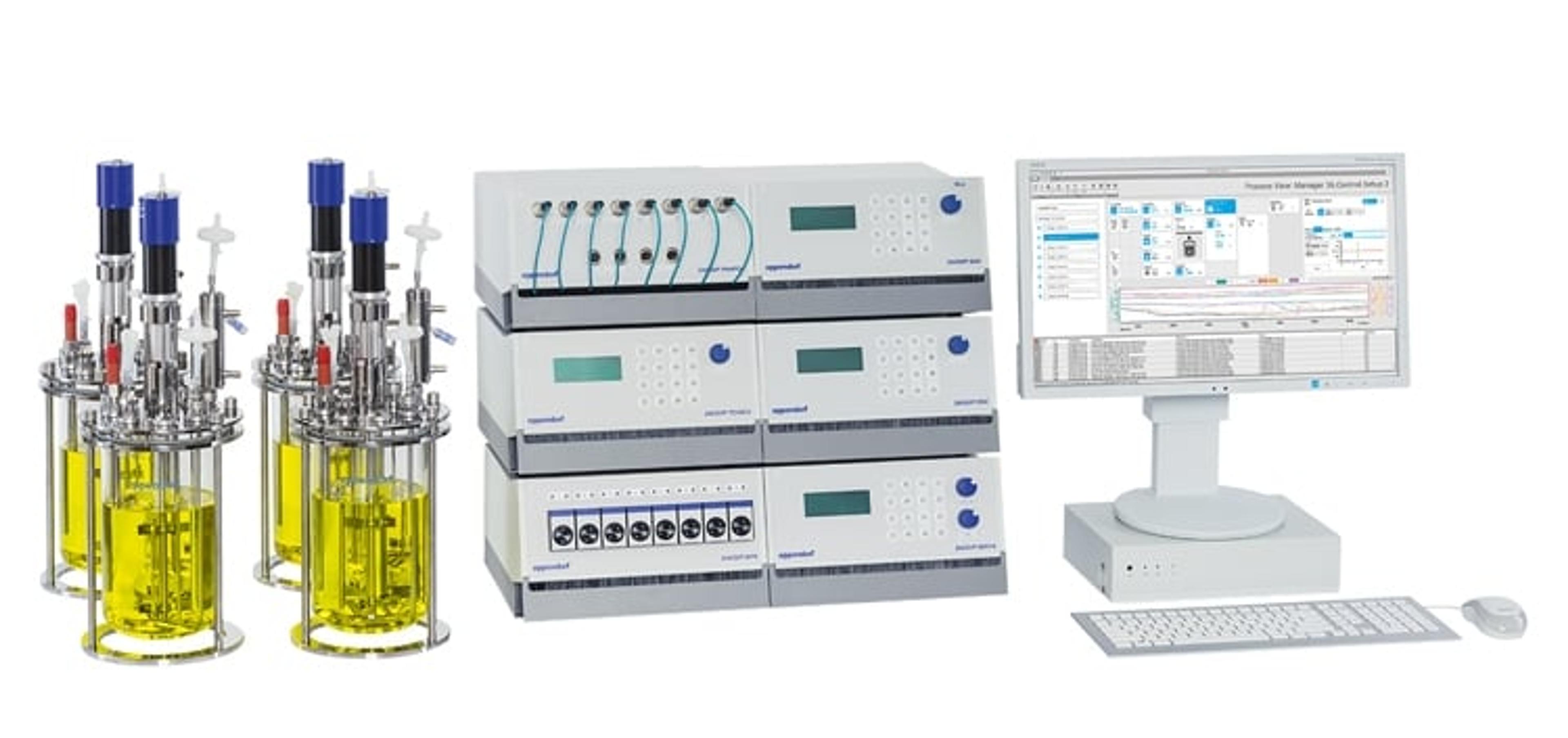
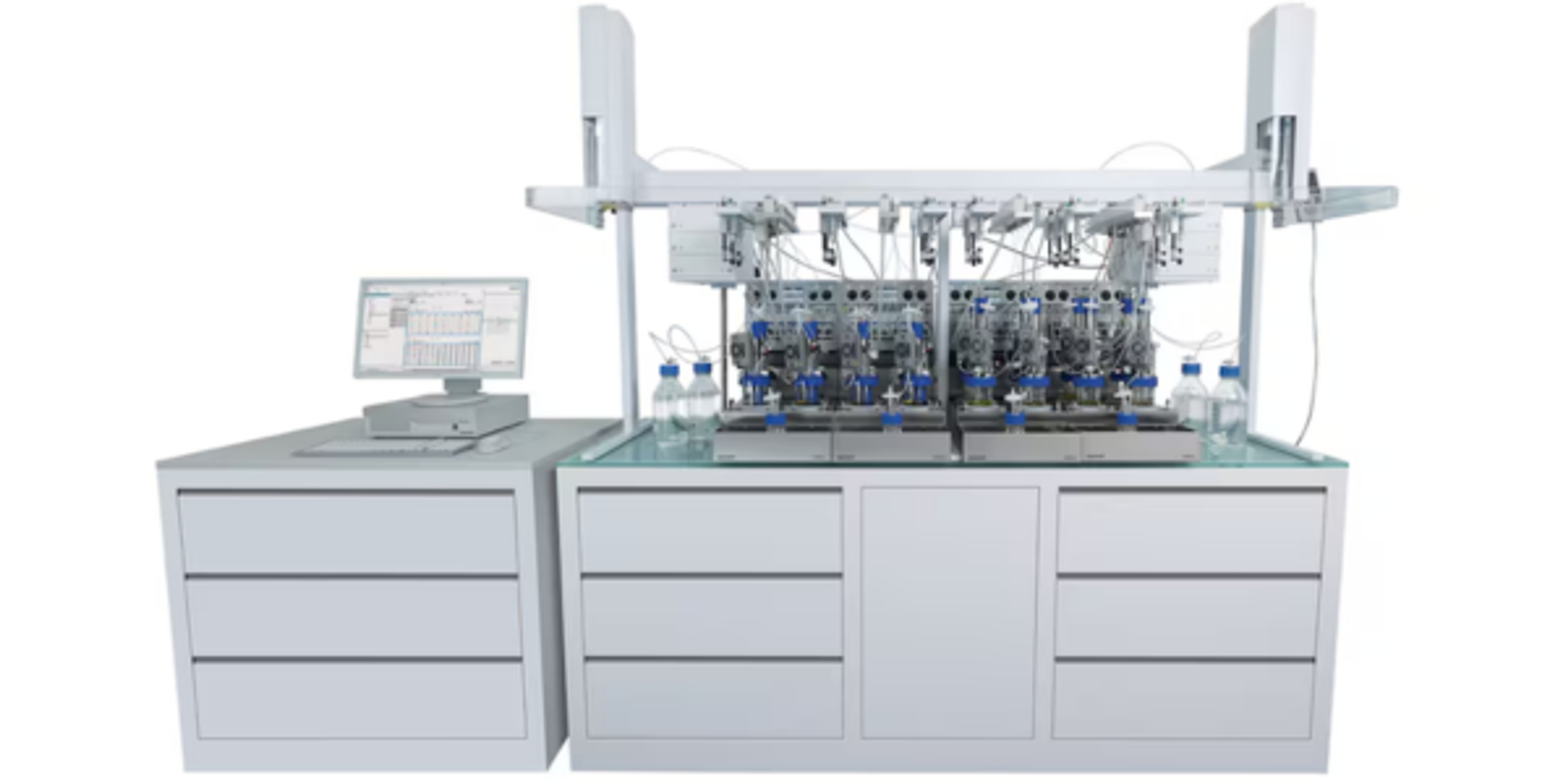
DASGIP Parallel Bioreactor Systems for R&D and process development in both cell culture and microbiology allow for advanced bioprocess control and automation. Parallel processing, precise control of all relevant parameters, user-defined profiles and innumerable automation features result in accelerated and highly efficient process development. Our DASware software solutions support DoE, process historians and comprehensive…
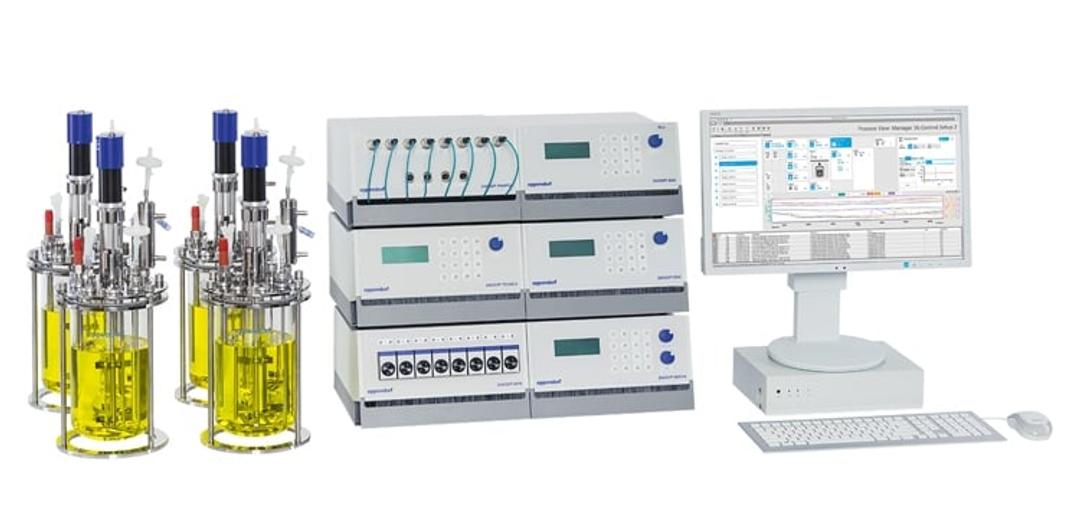
DASGIP Parallel Bioreactor System for Microbiology
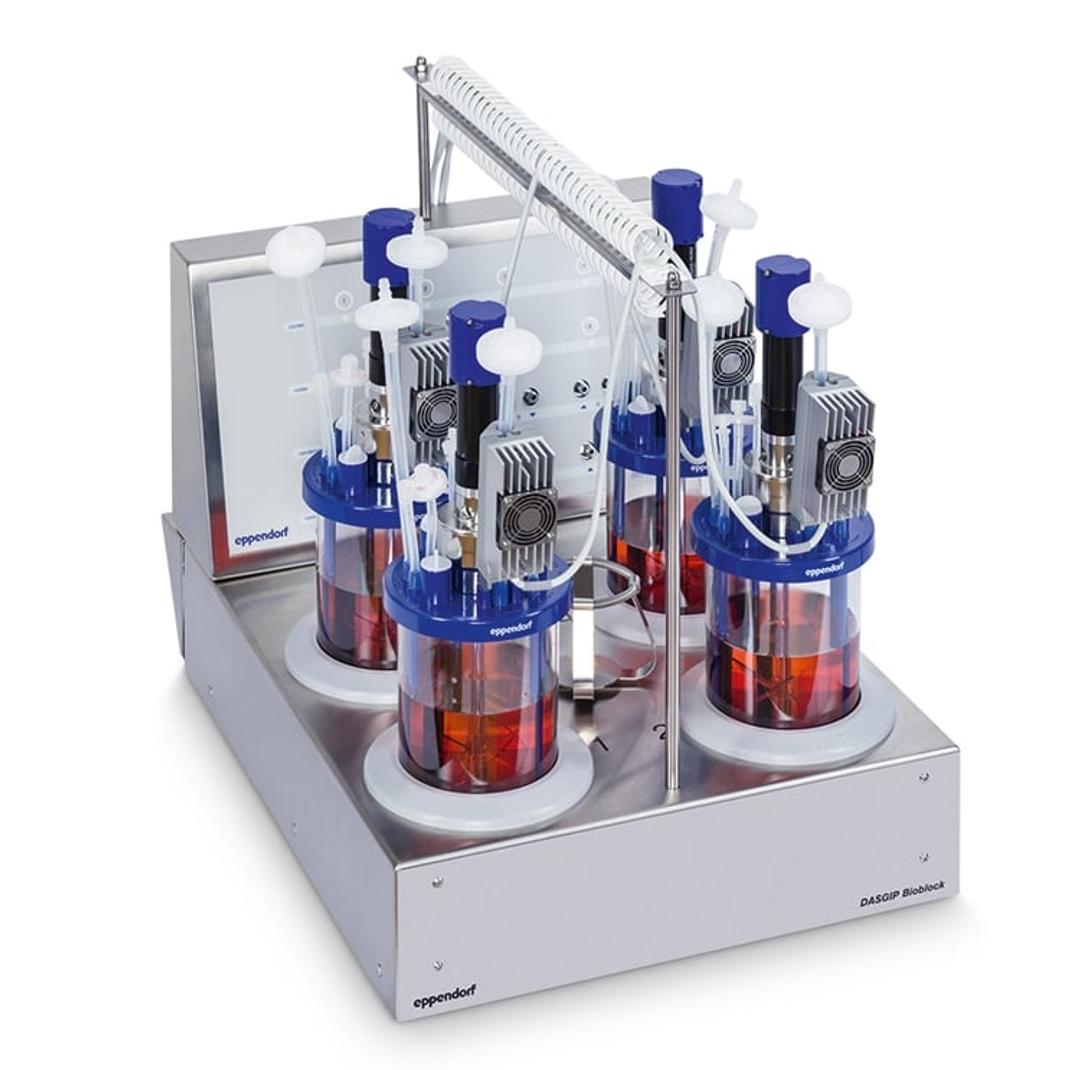
DASGIP Bioblock for temperature control


Place your order directly with the manufacturer.
A good in-parellel fermentation system.
Fermentation
The user interface is very to learn and use, unlike other systems that require writing scripts. It is cost effective compared to similar products from other vendors. However, the after sale service could be hit or miss.
Review Date: 15 Nov 2021 | Eppendorf
Optimization Of Bacterial Growth
I have used Eppendorf DASGIP® Parallel Bioreactor System for process development with bacteria growth with various carbon and nitrogen source. The system will fit what an experiment requires and can monitor most of the parameters. The only thing is for people who just use one or a few times, the software requires you to study for a long time and or you will need training.
Review Date: 17 Jun 2014 | Eppendorf
Manufacturer's Response
“Thank you for reviewing our product. We value your opinion.<br><br> Eppendorf DASGIP Parallel Bioreactor Systems are delivered ready-to-use with complete installation and user training at the customer’s site to ensure the highest productivity right from the start. Since we are aware that knowledge transfer is a critical issue we also offer individual trainings besides the initial training – for example training of new employees. Also users that already have experience with Eppendorf cultivation systems will find it useful to review their knowledge. During these trainings we address both technical aspects of the system as well as your specific applications while both the hardware and software are explained in detail. All trainings are performed at the customer’s site to have the training focused on their specific application.The structure and methods of the training can be chosen according to your requirements from general overview to detailed sessions on specific products or issues. Training in small groups is as possible as well as one on one training.<br><br> A service specialist will be in touch to discuss and see if additional training is useful.”
DASGIP Parallel Bioreactor Systems for R&D and process development in both cell culture and microbiology allow for advanced bioprocess control and automation.
Parallel processing, precise control of all relevant parameters, user-defined profiles and innumerable automation features result in accelerated and highly efficient process development. Our DASware software solutions support DoE, process historians and comprehensive data management.
Configurable solutions address the unique requirements of microbial, phototrophic, mammalian and human cells, stem cell applications, as well as biofuel and biopolymer processes.
Eppendorf DASGIP® Parallel Bioreactor System Features:
- Advanced process control and parallel operation of up to 16 glass or single-use bioreactors;
- DASGIP Bioblock for advanced and user-friendly temperature control;
- Modular design of control units allows for flexible system configurations that meet the demands of specific applications;
- Control of agitation, pH, level and DO (including customizable cascade modes) in each bioreactor;
- Variable speed pumps for accurate liquid addition and operation in batch, fed-batch, continuous and cyclic perfusion mode;
- Optical absorbance measurement for online calculation of e.g. OD600 or cell dry weight;
- TMFC individual gas mixing of air, N2, O2 and CO2;
- Online calculation of OTR, CTR and RQ;
- DASware control Software for advanced process control;
- Compatible with DASware Software Suite for interconnectivity and bioprocess information management.
Applications:
- Research and development in cell culture and microbiology as well as phototrophic applications;
- Lab scale fermentation of aerobe and anaerobe bacteria, yeasts and fungi;
- Cultivation of mammalian, insect and human cell lines;
- Special applications such as stem cell culture or biofuel/biopolymer development.
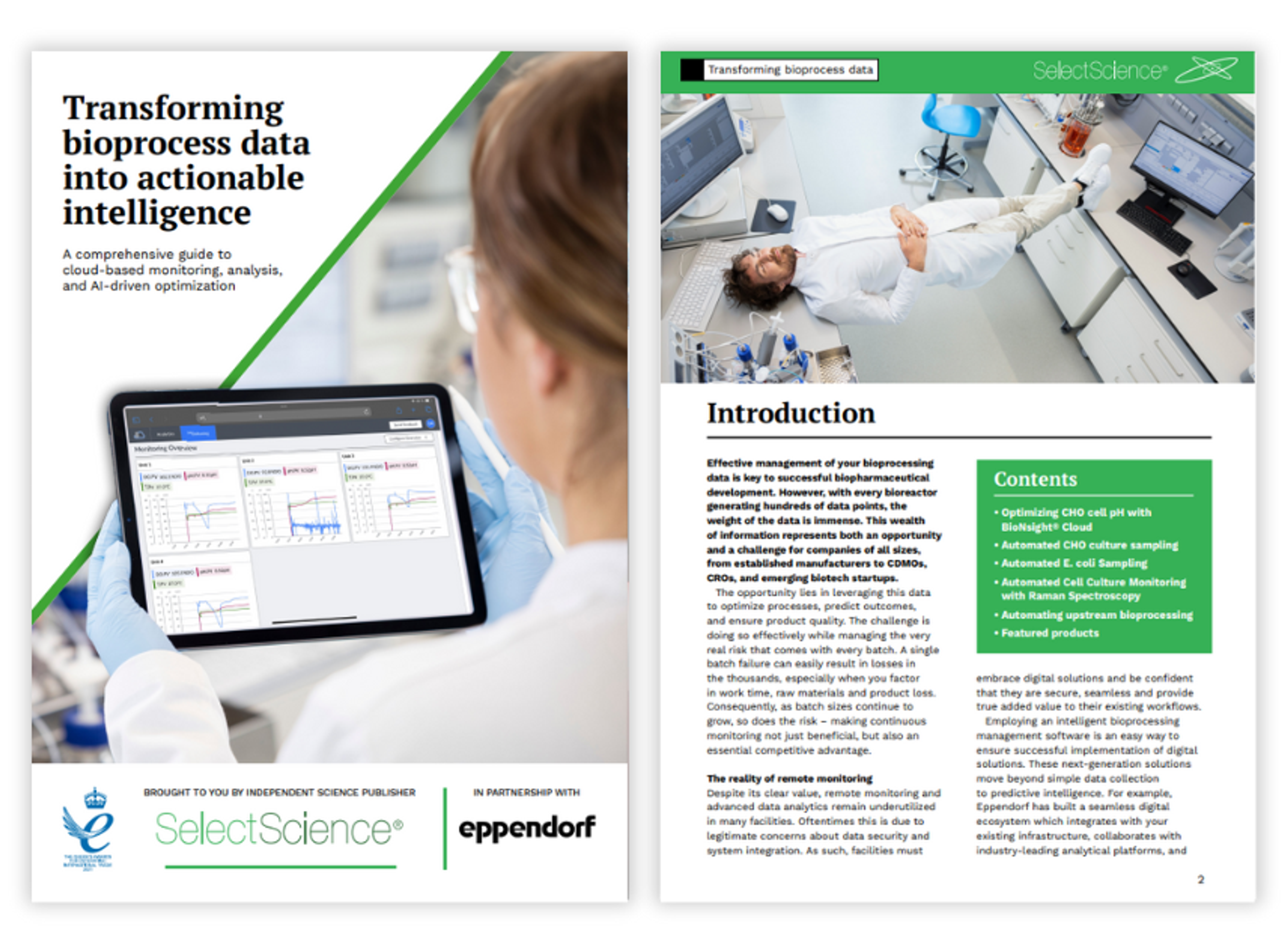
Transforming bioprocess data into actionable intelligence
Managing the weight of bioprocessing data can often overwhelm laboratories, but effective data management is both achievable and critical to successful biopharmaceutical development.
This SelectScience application eBook highlights advanced instruments and digital tools that integrate seamlessly into laboratory infrastructure, enabling continuous monitoring and streamlined data management. With remote accessibility, these solutions empower scientists to maintain oversight and control of bioprocessing data beyond the physical lab environment.
Download this SelectScience guide to learn:
- How to conduct accurate and efficient real-time monitoring of Chinese hamster ovarian (CHO) cultivation using the BioNsight®
- Case studies using automated technologies for sampling CHO and E.coli cultures to understand growth conditions, and improve experimental throughput.
- The potential of Raman spectroscopy to accurately track critical process parameters
Resource details:
- Document type: SelectScience guide
- Page count: 49
- Read time: 72 mins
- Edition: 1st

Developing a highly robust, efficient, and cost-effective monoclonal antibody workflow
Since the COVID-19 pandemic, pressure has increased to develop more products for treating unexpected viral diseases at reduced costs, under safe conditions and in a timely manner. Monoclonal antibodies (mAbs) may hold great promise to fill this gap as an addition to vaccines and anti-viral drugs. Eppendorf has curated a mAb workflow to increase reproducibility and productivity of mAb research and development process. Explore how you can optimize process development, scale up, and device management to maximize yields and prevent instrument downtime.
Scale-up of a biosimilar production process with CHO cells from small to bench scale
Bioprocess scale-up from small development scale to pilot and production scale is a fundamental part of process development in the biopharmaceutical industry.
In this application note, Eppendorf scaled up a CHO cell culture bioprocess from 1 L using a DASGIP® Parallel Bioreactor System to 5 L using a BioFlo® 320 Bioprocess Control Station.
Anaerobic Clostridium beijerinckii fermentation in small-scale bioreactor control systems
In this application note, Eppendorf demonstrates the feasibility of running anaerobic fermentation using the DASbox® Mini Bioreactor System and DASGIP® Parallel Bioreactor for small scale applications.
A flexible controller for all your bioprocess needs
In this application note, Eppendorf demonstrates the capability of fed-batch cell culture and the flexibility of the SciVario twin platform, including its capability to control two bioreactors in parallel or individually across a wide range of vessel sizes.
The flexibility of stirred-tank bioreactors
This executive summary explores the parameters that must be controlled for the most effective use of a stirred-tank bioreactor and describes a case study of an hiPSC-based drug-screening platform to identify modulators of cardiac hypertrophy.
Standardizing microbiome research – Culture from discovery to production
In this poster, Eppendorf outlines a microbiome culture workflow covering the diverse culturing needs of gut microbes (including oxygen, pH, and temperature control) and the scalable bioprocess systems that are available for culture research to production.
Upstream bioprocessing in food and feed applications
Bioprocessing has been used for decades for industrial food and beverage production to improve product characteristics, ensure consistent quality, and reduce production costs from strain engineering, optimization of process parameters, handling of difficult process conditions, and more. In this white paper, Eppendorf tackles these challenges in food and feed applications, discussing how stirred-tank bioreactor systems have proven their value, offering online control of critical process parameters, and how parallel bioprocess systems help accelerate process development and maximize the reproducibility between runs.
A Generic Biomass Soft Sensor and its Application in Bioprocess Development
In bioprocess development, the control of biomass-specific substrate uptake rates is a valuable tool to determine the optimal supply of nutrients and/or inducers. This application note presents the development of a biomass soft sensor based on readily-available measurements and process parameters.
How to Measure Biomass Concentration and Control Substrate Uptake Rates in Bioreactors
Microbial bioprocesses can be controlled by the concentration of biomass and hence the uptake rate of nutrients. This application note describes a method for using soft sensors, integrated with Eppendorf bioprocess control software DASware control 5, to measure biomass concentration and control various substrate uptake rates in small-scale bioreactors. The results are fully scalable and applicable to industry, without the need for additional expensive measuring equipment.
Eppendorf Receives Reviewers' Choice Award for Best Customer Service of 2017
Recognized by scientists worldwide for the second year running, Eppendorf again won the Reviewers' Choice Award for best customer service. Watch the video to discover Dr. Andreas Hochberger's thoughts on winning the award.
Standardizing microbiome research: culture from discovery to production
Download the microbiome workflow poster from Eppendorf
Discover the Latest News in Biofuel Research
Read the latest articles and download the latest methods