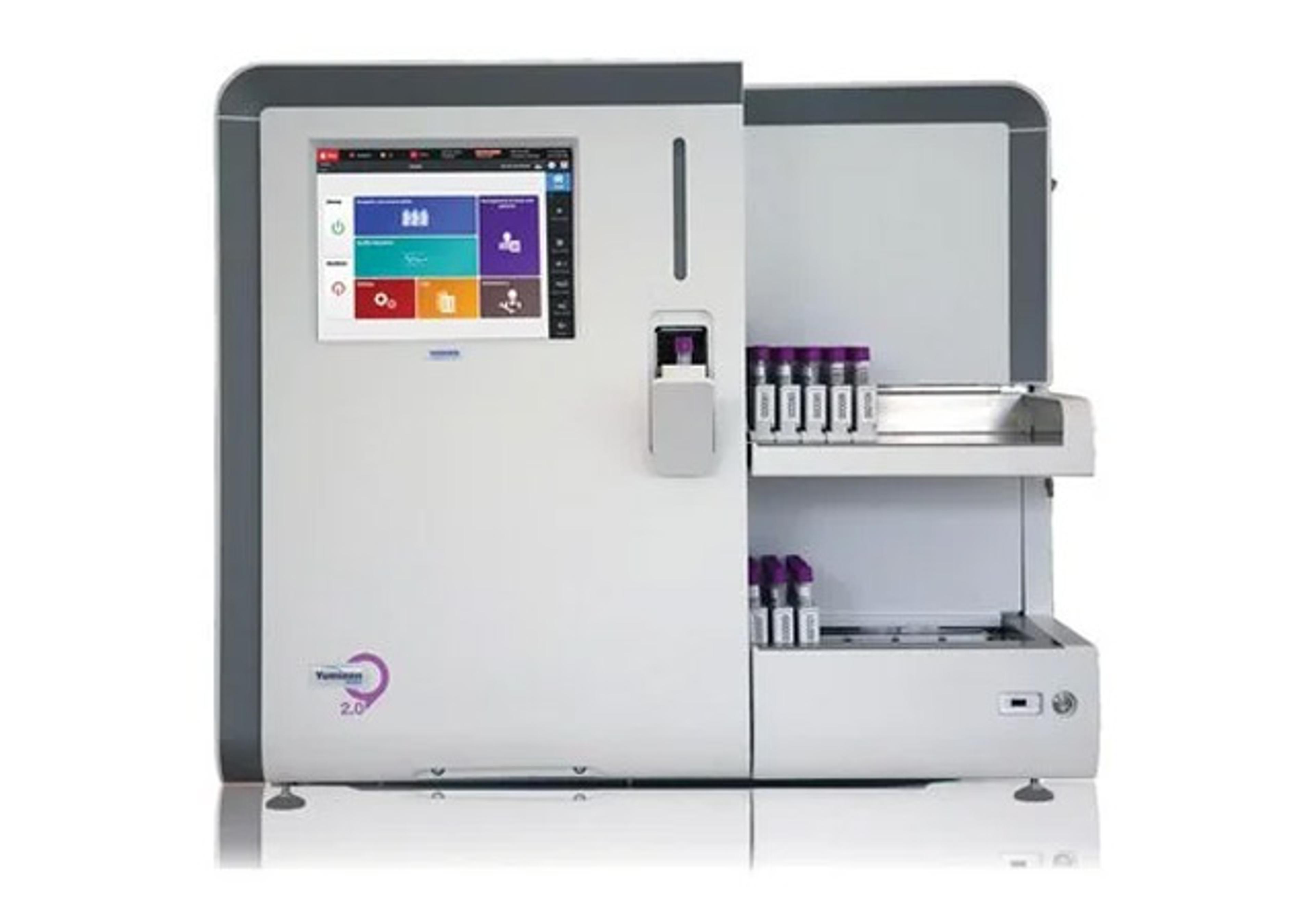
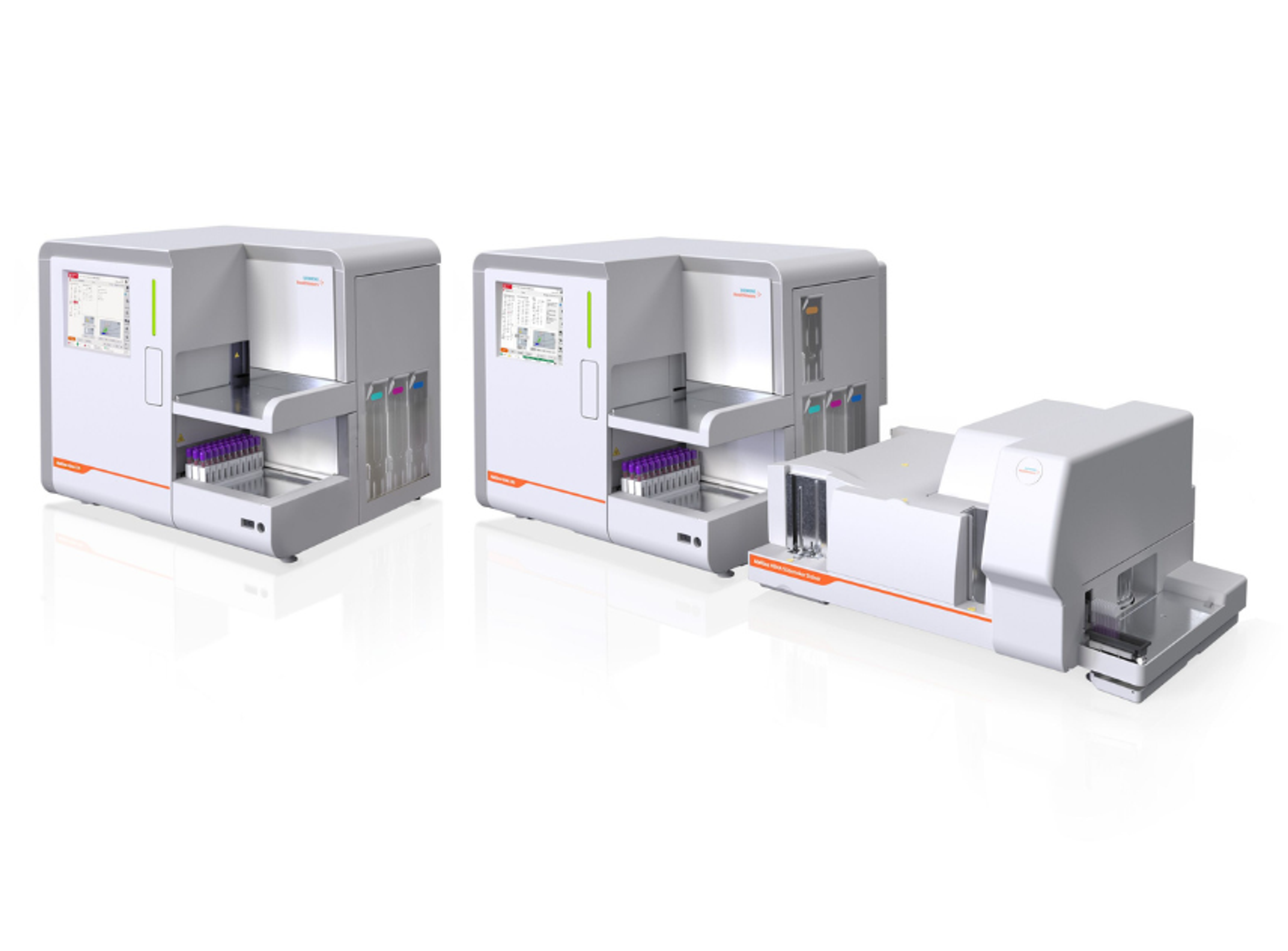
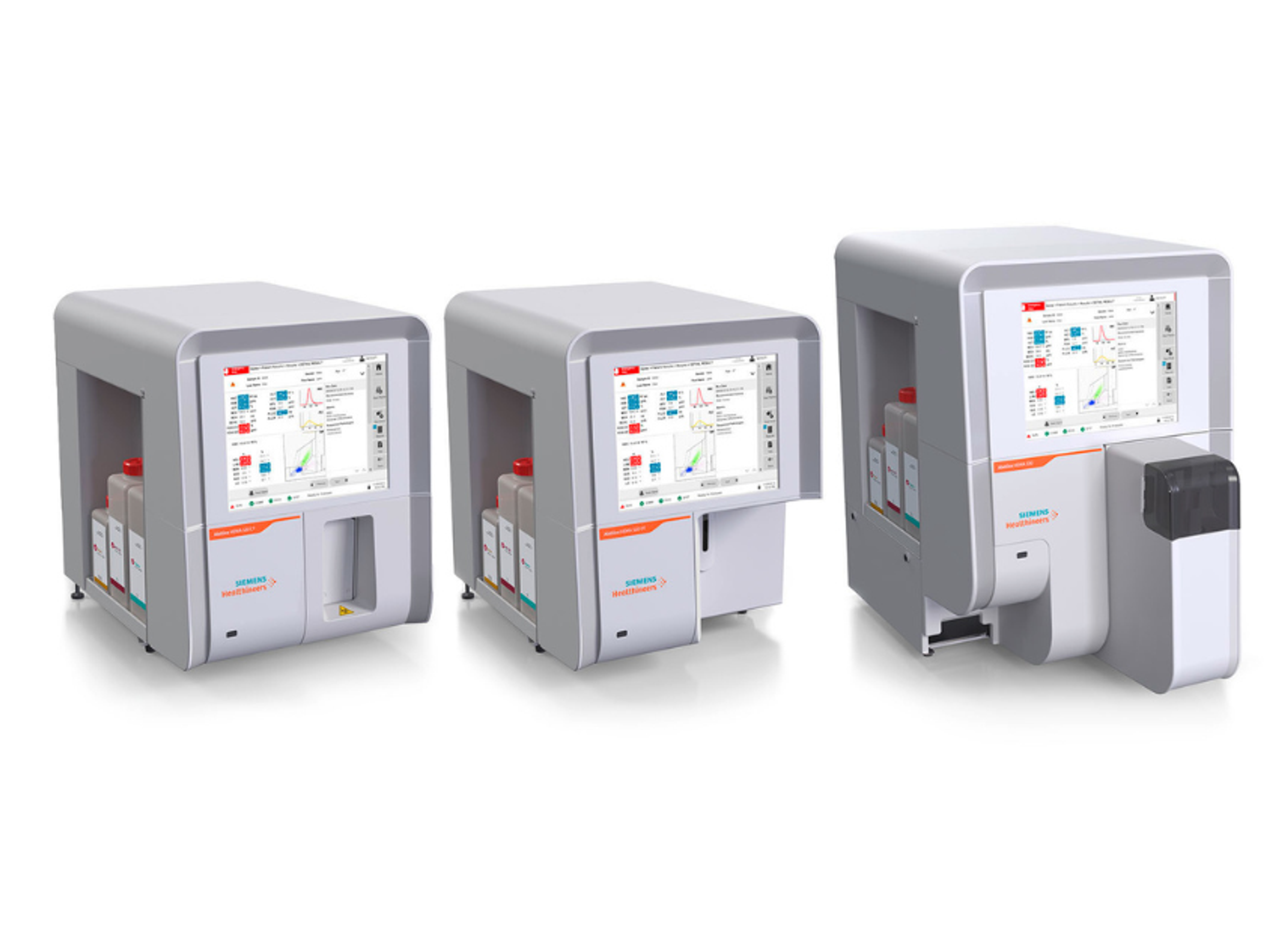
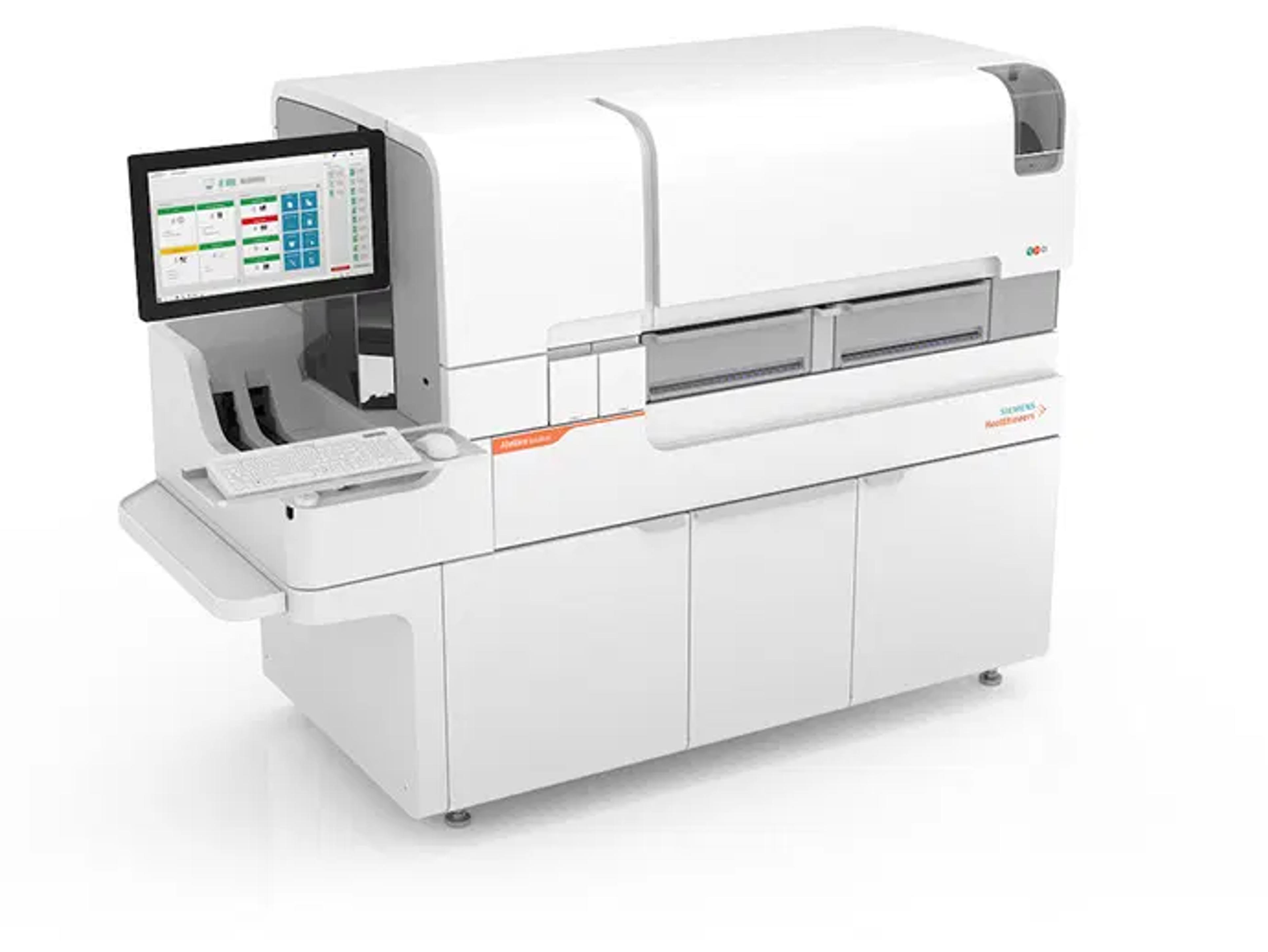
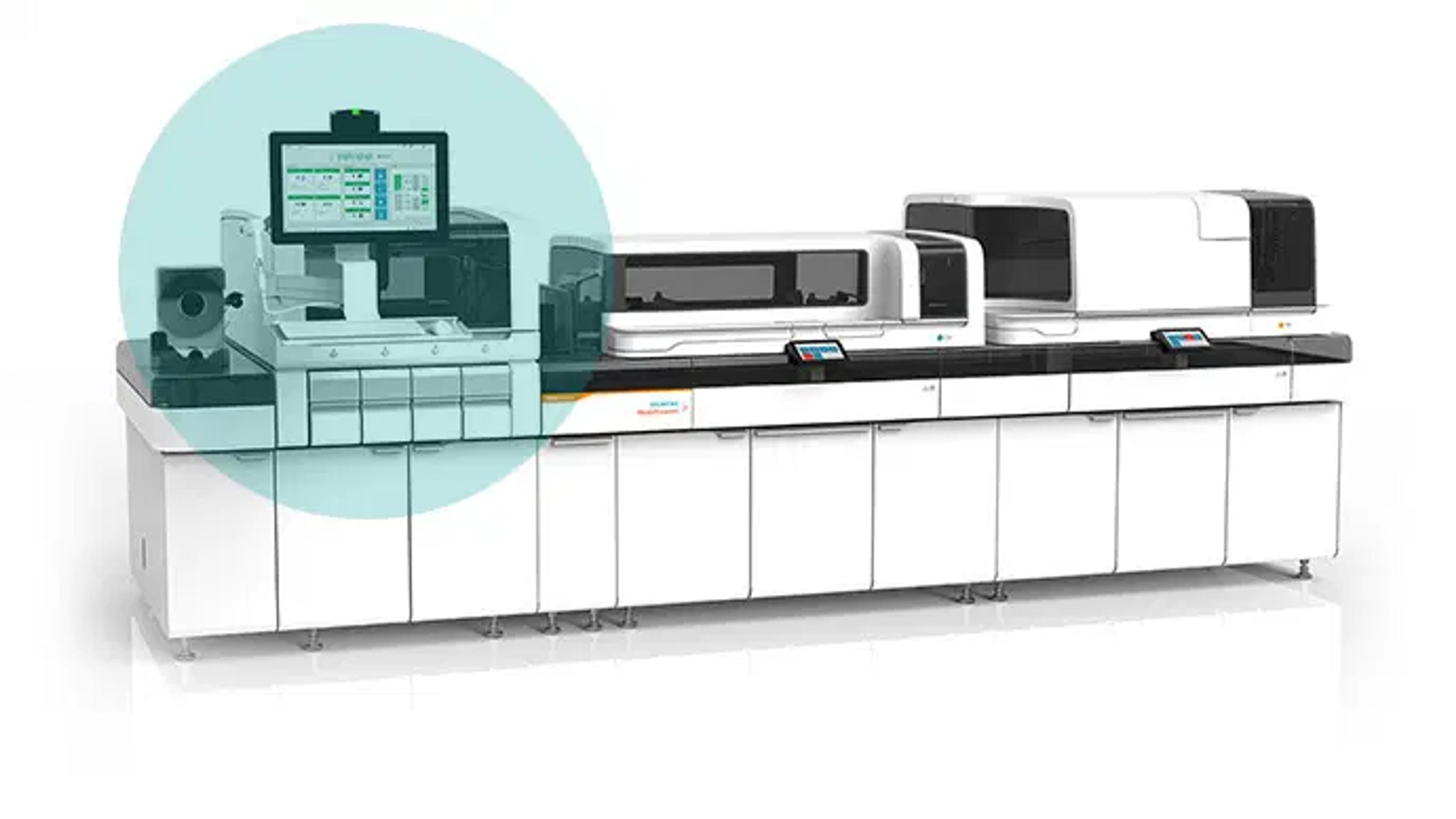
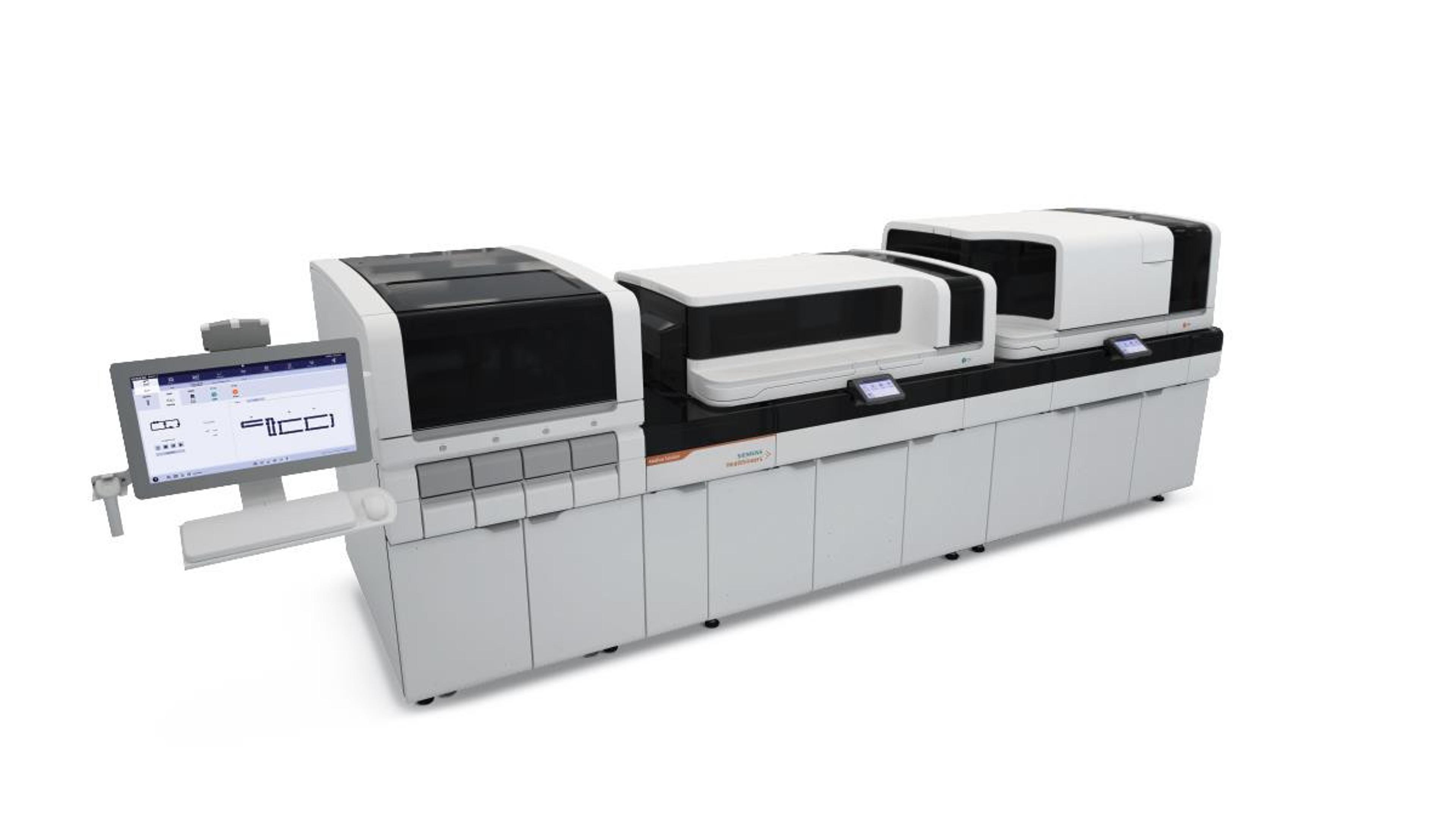
Yumizen H2500/H1500
Hematology analyzer
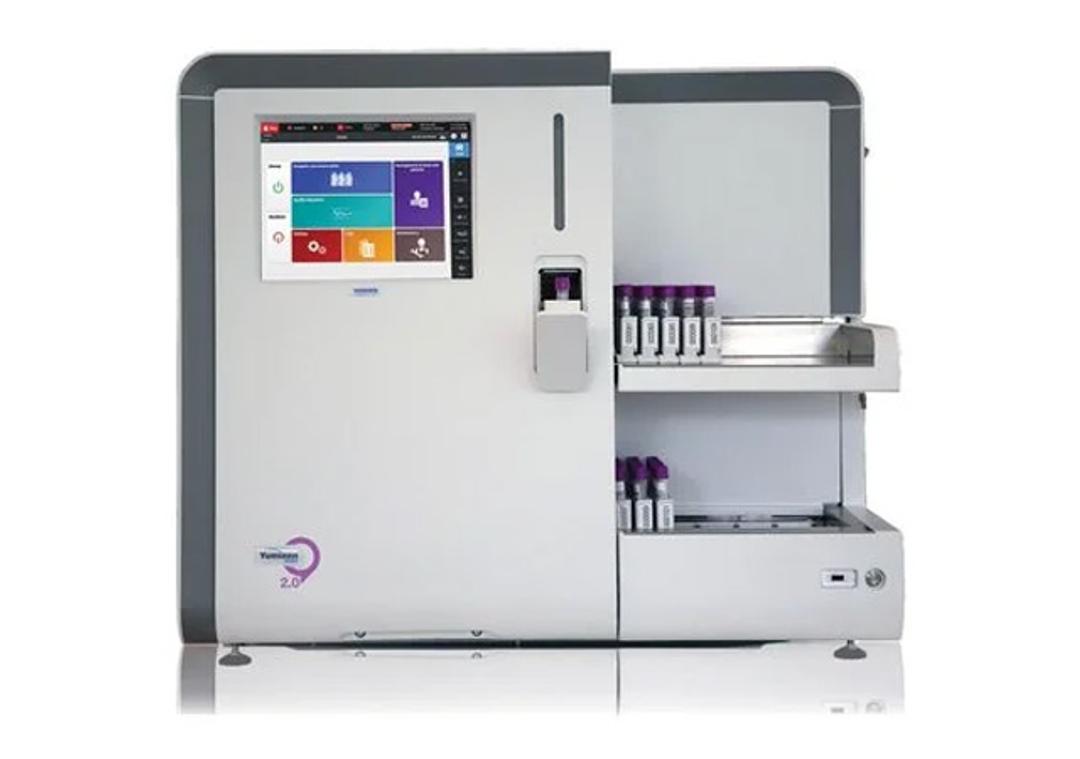

The supplier does not provide quotations for this product through SelectScience. You can search for similar products in our Product Directory.
Mastering the analysis process to deliver reliable results
- A real throughput of 120 samples per hour for CBC-DIFF NRBC and slides
- Expert multi sites validation station embedding standard rules packages (ISLH rules, Rerun, Reflex, Comment, Validation)
- On board reagents (5 for Yumizen H2500 and 4 for Yumizen H1500)
- Automatic 360°C rotative sample mixing for perfect homogeneity
- Up to 57 parameters
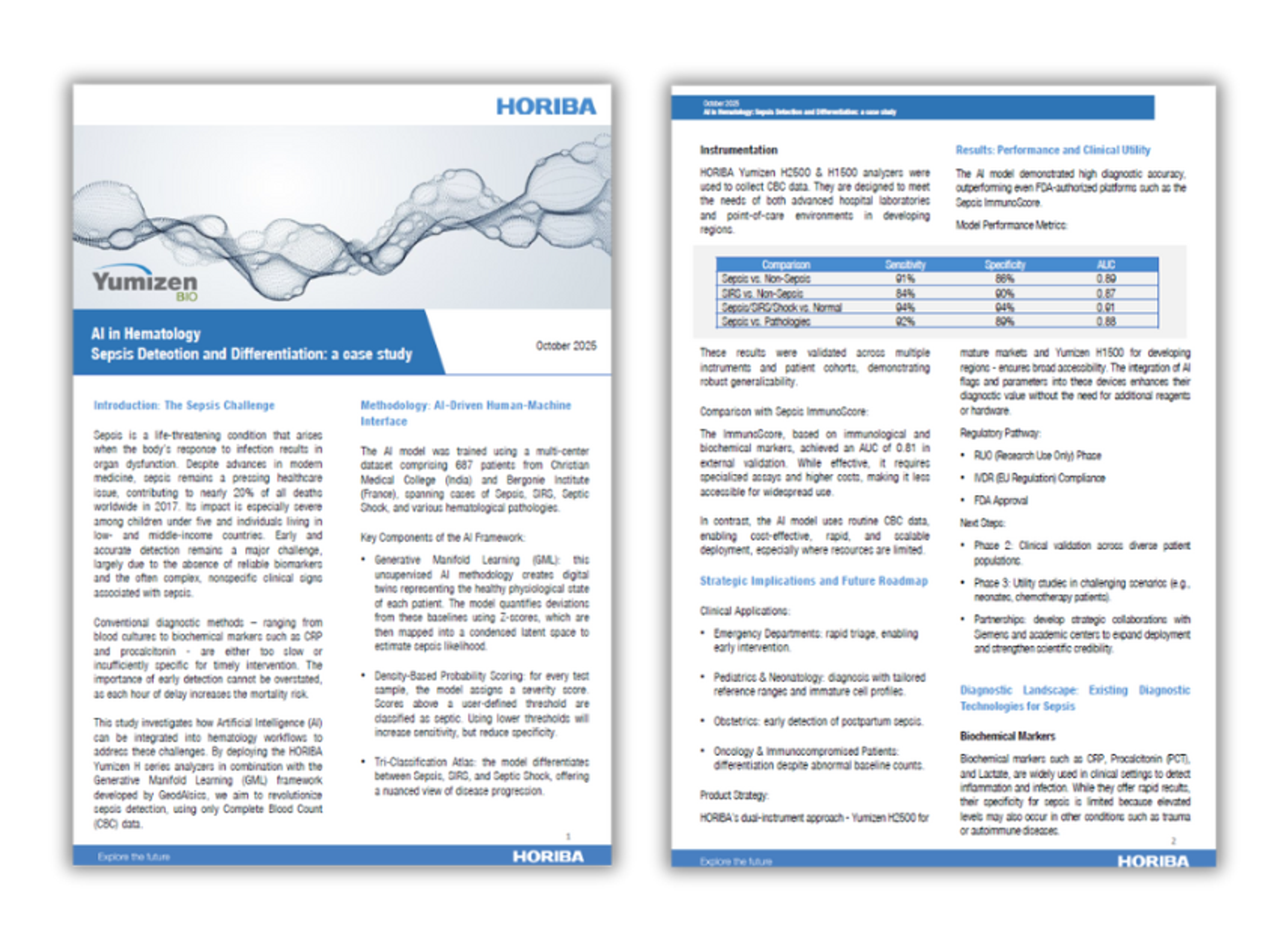
AI in hematology: Sepsis detection and differentiation
This study investigates how AI can be integrated into hematology workflows to overcome key challenges in sepsis diagnosis, including delayed detection, limited biomarker specificity, and nonspecific clinical presentations. By leveraging the HORIBA Yumizen H series analyzers together with the Generative Manifold Learning (GML) framework developed by GeodAIsics, Horiba aims to transform sepsis screening using only Complete Blood Count (CBC) data, enabling faster, more accurate, and accessible diagnostic support.
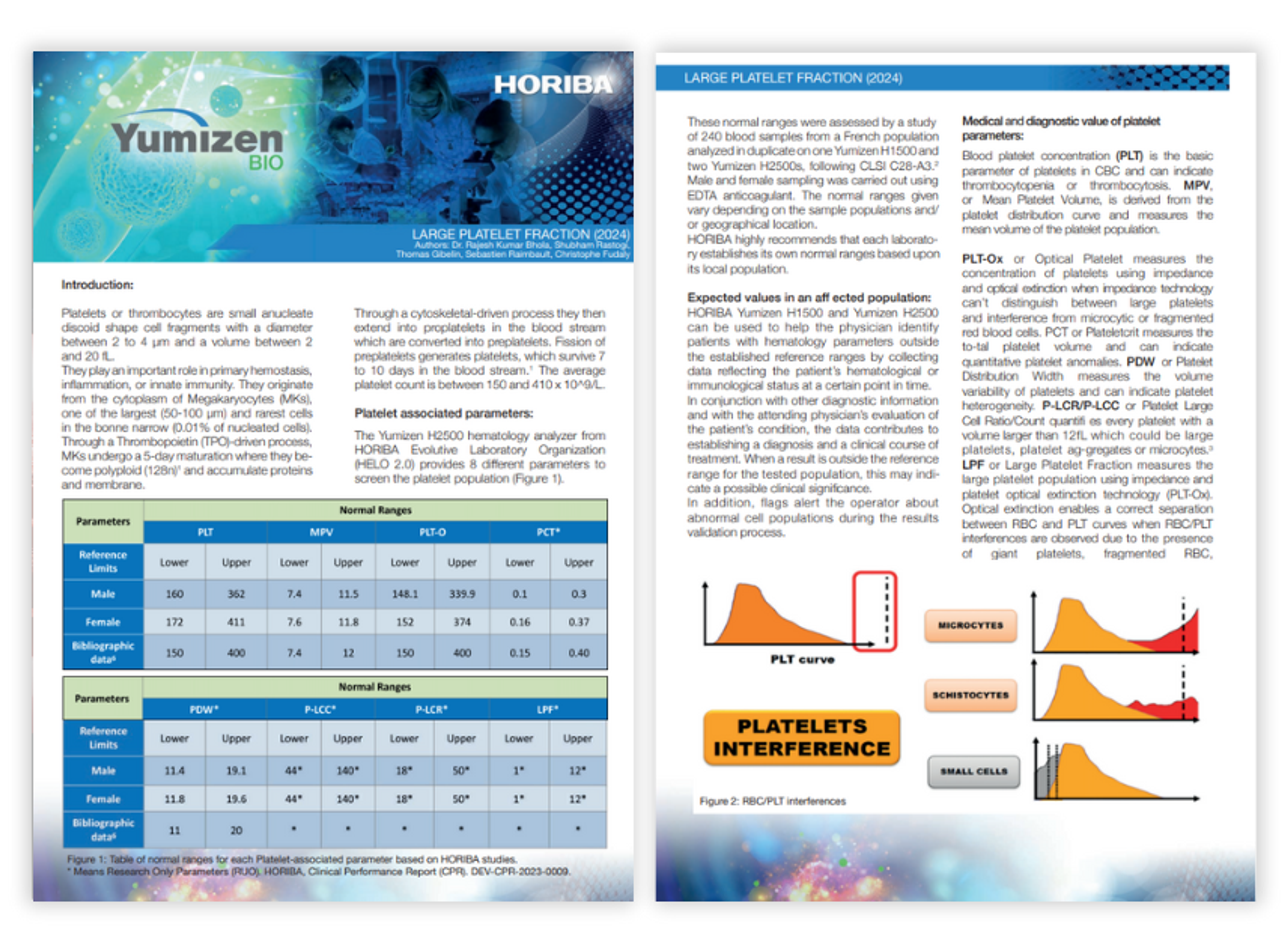
Optimizing platelet population assessment in hematology with Yumizen H2500
Platelets or thrombocytes play an important role in primary hemostasis, inflammation, or innate immunity. In this application note, Horiba Medical demonstrates the Yumizen H2500 hematology analyzer, which provides 8 different parameters to screen the platelet population.
Resource details:
Resource type: Application Notes
Page count: 8
Read time: 12 mins
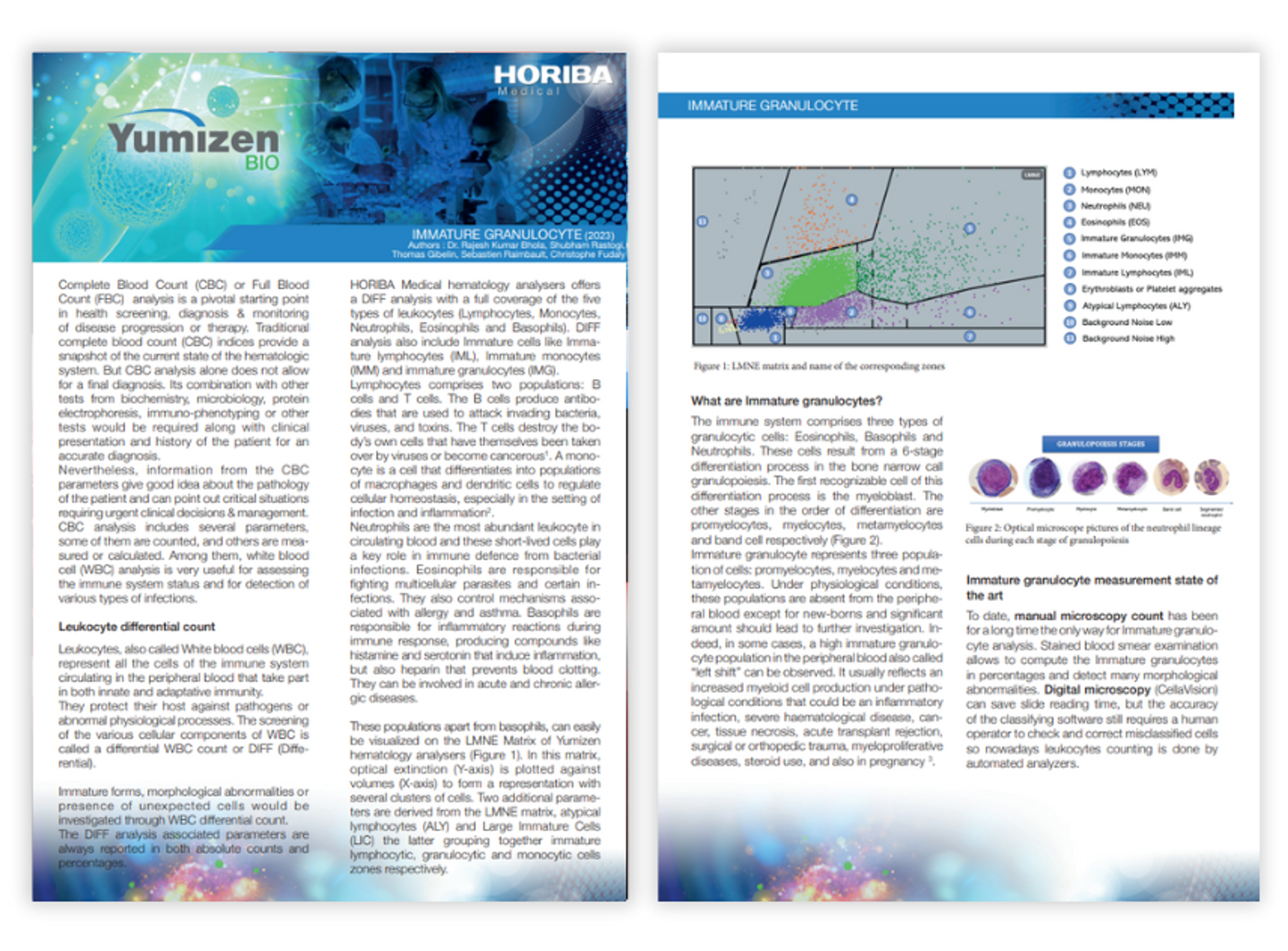
Enhancing CBC analysis with Immature Granulocyte Detection (IGD) using Yumizen hematology analyzers
Complete Blood Count (CBC) or Full Blood Count (FBC) analysis is a pivotal starting point in health screening, diagnosis & monitoring of disease progression or therapy. In this application note, Horiba Medical demonstrates the Yumizen hematology analysers, which can provide a parameter called Immature Granulocyte (IMG) for a full coverage of immature granulocyte population when running a WBC differential count.
Resource details:
Resource type: Application Notes
Page count: 6
Read time: 9 mins

AI in a hematology analyzer? How HORIBA is reimagining early sepsis detection
In sepsis, the delay of even one hour in diagnosis can mean the difference between life and death. What if a standard blood test powered by AI, could flag the risk before symptoms even appear?