Ultim® Max and AZtecTEM
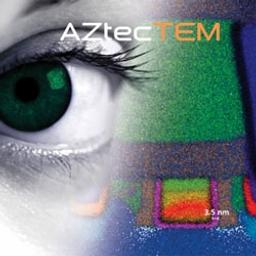
AZtecTEM, powered by Ultim™ Max (Silicon Drift Detector), provides exceptional elemental characterisation abilities in the TEM.
AZtecTEM is an EDS software, optimised for TEM applications. The software allows you to view real time in situ chemistry changes as they happen.
AZtecTEM is powered by Ultim™ Max, the newest generation of Silicon Drift Detectors for the TEM. Optimised to deliver elemental characterisation at the atomic scale providing maximal count rates at minimal probe sizes.
Features
- Maximised sensitivity
- High throughput
- M2T quant for sample thickness measurements
- Drift correction
Analyzing a NAND Flash memory device using low kV EDS
In this application note, Oxford Instruments NanoAnalysis demonstrates that increasing detector sensitivity, either by sensor size, sensor-sample distance, or window removal, it is possible to collect X-ray counts at high resolution imaging condition and achieve elemental maps with sub 20nm spatial resolution even on the lightest of elements. This, combined with the data processing of Aztec TruMap, allows the accurate mapping of elemental distributions in complex specimens with nano-structures such as a NAND flash memory device.
Semiconductor mapping in transmission electron microscopy
Elemental analysis of semiconductors is typically difficult due to strong overlaps of X-ray lines between commonly used elements and low concentrations of dopants. Not only are concentrations of dopants small but their X-ray lines often overlap with other materials used in semiconductor processing. In this application note, Oxford Instruments NanoAnalysis shows how AZtecTEM solves these overlaps to achieve an accurate elemental analysis.
Differential staining in biological tissue
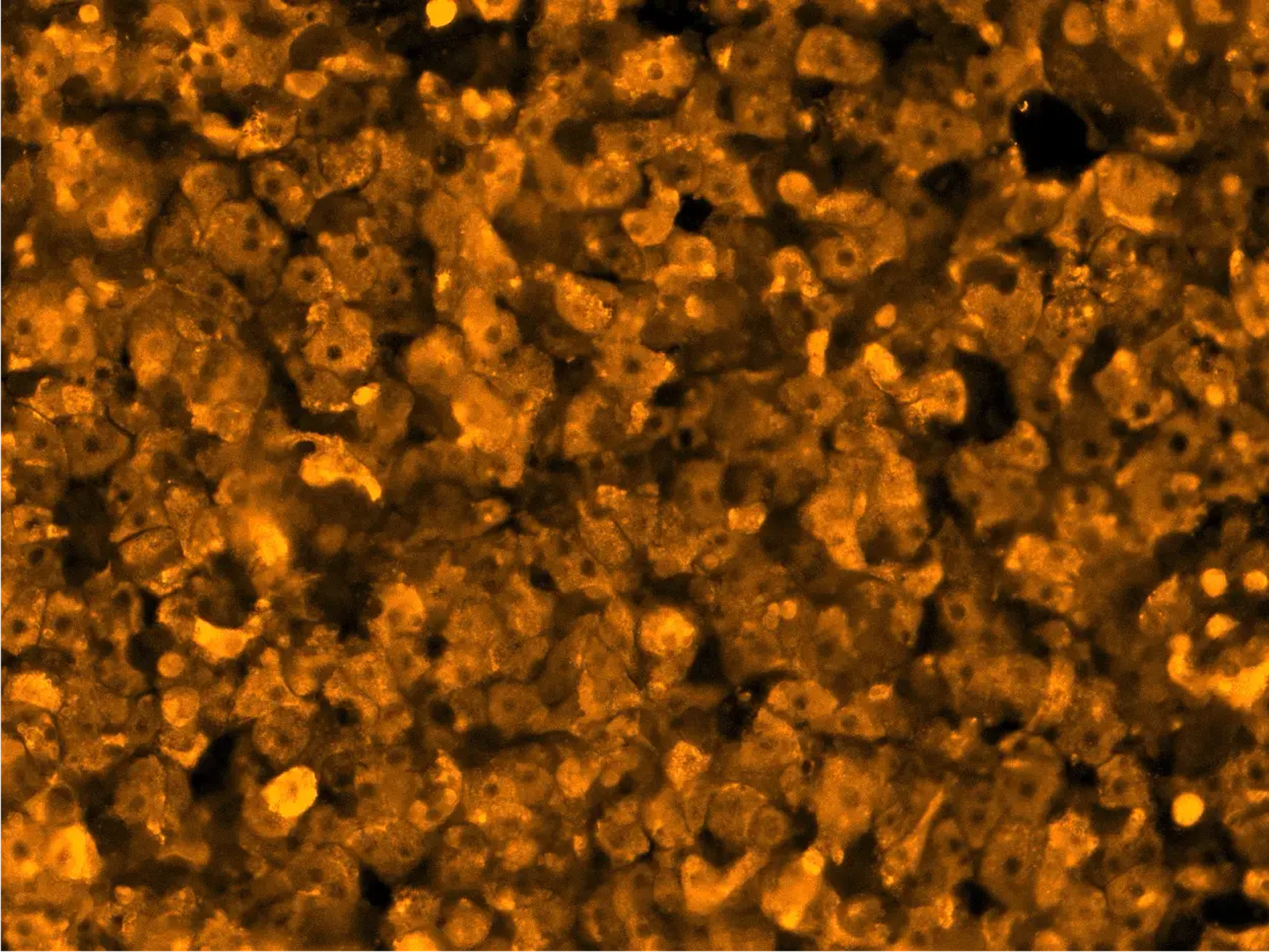
Energy dispersive spectrometry (EDS) can be used to analyse differential staining protocols, allowing access to new information about biological samples. Differential staining is an important step in generating contrast when preparing cells and tissues for electron microscopy. EDS produces qualitative data about the distribution of elements associated with the stain and comparative quantitative data about relative concentrations of elements.