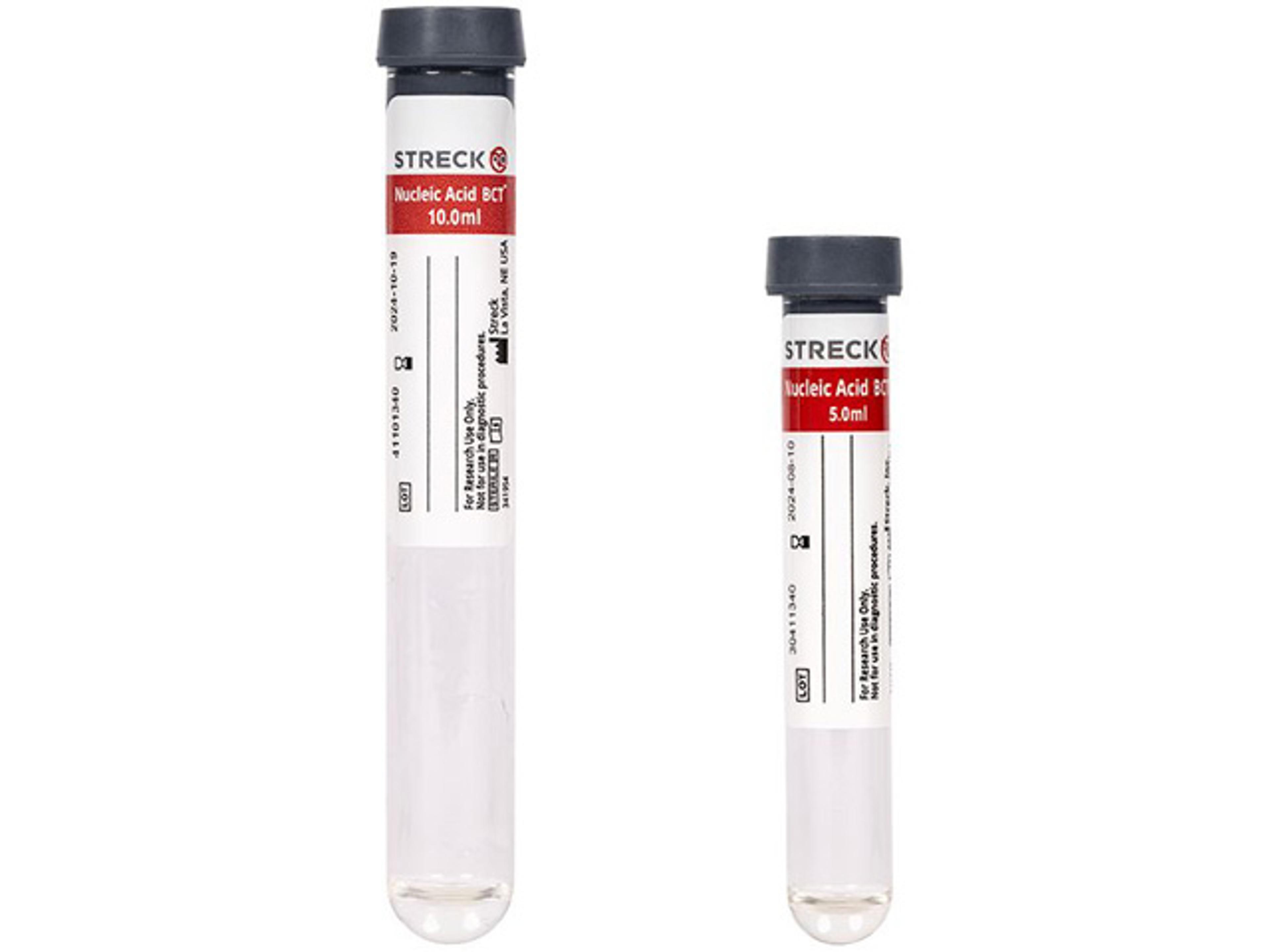
Nucleic Acid BCT™
Nucleic Acid BCT is a direct draw venous whole blood collection device that maintains draw-time concentrations of cell-free DNA, cell-free RNA and extracellular vesicles for up to 7 days when stored at room temperature.? Once isolated from stored plasma, cell-free DNA and cell-free RNA are suitable for many downstream applications. Nucleic Acid BCT is currently available in a 5 mL volume. 10 mL volume is coming soon.
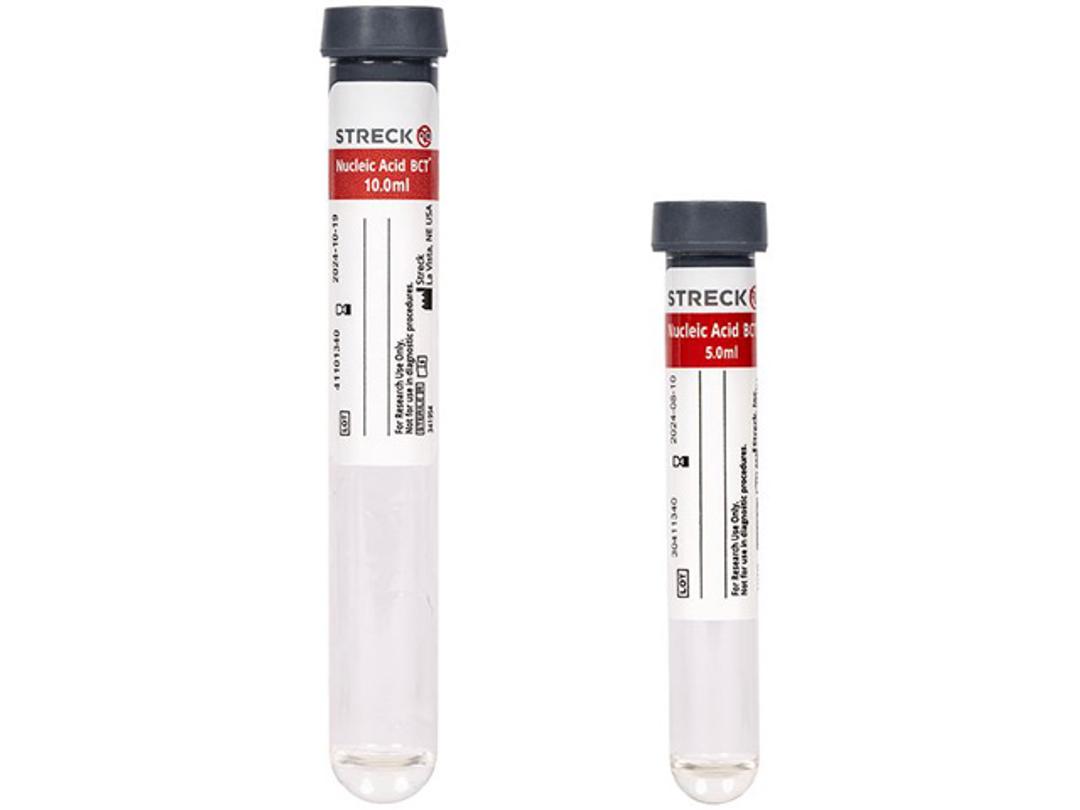
Nucleic Acid BCT

The supplier does not provide quotations for this product through SelectScience. You can search for similar products in our Product Directory.
Features
- Stabilizes sample for cell-free DNA, cell-free RNA and extracellular vesicles
- 7-day sample stability when stored at room temp
- Compatible with commercially available total plasma nucleic acid isolation kits
Benefits
- Limits degradation of white and red blood cells, providing sample integrity during storage, shipping and handling of blood samples
- Room temperature storage reduces costs and complications associated with cold chain shipping
- Eliminates the need for immediate plasma preparation
- One plasma isolation protocol for both cell-free DNA and cell-free RNA
For Research Use Only. Not for use in diagnostic procedures.
Brochures

Streck stabilization guide
Stabilization solutions are designed to limit sample breakdown during transport and shipping, ensuring reliable results. Streck's Cell-Free DNA BCT® is the first FDA-cleared whole blood collection tube that stabilizes cell-free DNA and reduces the release of cellular genomic DNA, while mitigating the risk of sample breakdown during handling, shipping and storage. Explore Streck's expanded stabilization portfolio, designed to meet the needs of researchers exploring new avenues of plasma analysis, including the Nucleic Acid BCT™ and Protein Plus BCT™.

Liquid biopsies for early cancer detection: Current and future trends
Wednesday, July 9, at 16:00 BST | 17:00 CEST | 11:00 EDT | 8:00 PDT
Early cancer detection remains one of the biggest challenges in oncology, with many cancers going undetected until later stages when treatment options are more limited. Advances in multi-cancer early detection (MCED) aim to address this by identifying multiple cancer types through a single test, often using a simple blood draw.
This has been made possible by the rise of liquid biopsies, which offer a less invasive, faster alternative to traditional tissue biopsies. However, the accuracy and reliability of these tests hinge on one critical factor: sample stability. The choice of blood collection tube plays a vital role in preserving analytes and ensuring high-quality, reproducible results. As the field evolves, combining multiomics with robust pre-analytical practices is key to unlocking the full potential of liquid biopsy technologies.
Join us for this panel discussion – held in partnership with Streck – exploring the future of early cancer detection and the science behind better liquid biopsies. As part of our Accelerating Science feature, this session brings together leading experts to dive deep into the evolving landscape of cancer detection and the pivotal technologies delivering reliable diagnostic outcomes.
Meet our experts:
- Dr. Tina Clarke Dur, Vice President of Epidemiology and Distinguished Scientist at GRAIL
- Dr. Gary Pestano, Chief Development Officer at Biodesix
- Kevin Billings, Director of Business Segment – Stabilization at Streck
Whether you're a researcher, clinician or healthcare innovator, this session is your opportunity to hear directly from the pioneers pushing the boundaries of what's possible in cancer detection.
Certificate of attendance
If you attend the live webinar, you will automatically receive a certificate of attendance, including a learning outcomes summary, for continuing education purposes. If you view the on-demand webinar, you can request a certificate of attendance by emailing editor@selectscience.net.
Webinar details
- Cost: Free to attend
- Location: Online
- Duration: 60 minutes
Registration is required to secure your place. If you register but can’t attend live, you will receive a link to the on‑demand recording once it becomes available.

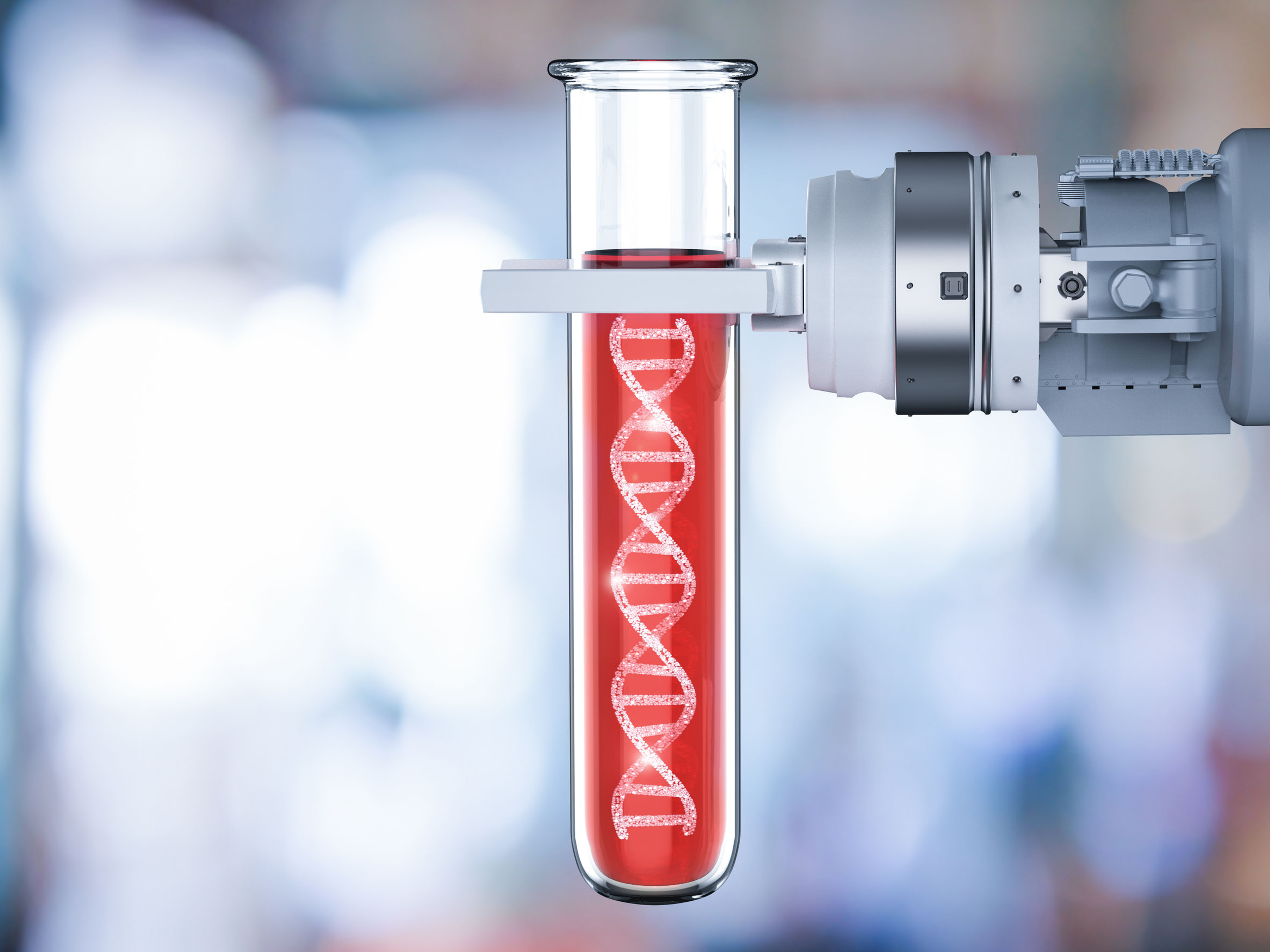
Unlock the potential of liquid biopsies to revolutionize cancer detection
Nucleic acids in blood can provide valuable information about cancer, but how can we stabilize them prior to analysis?