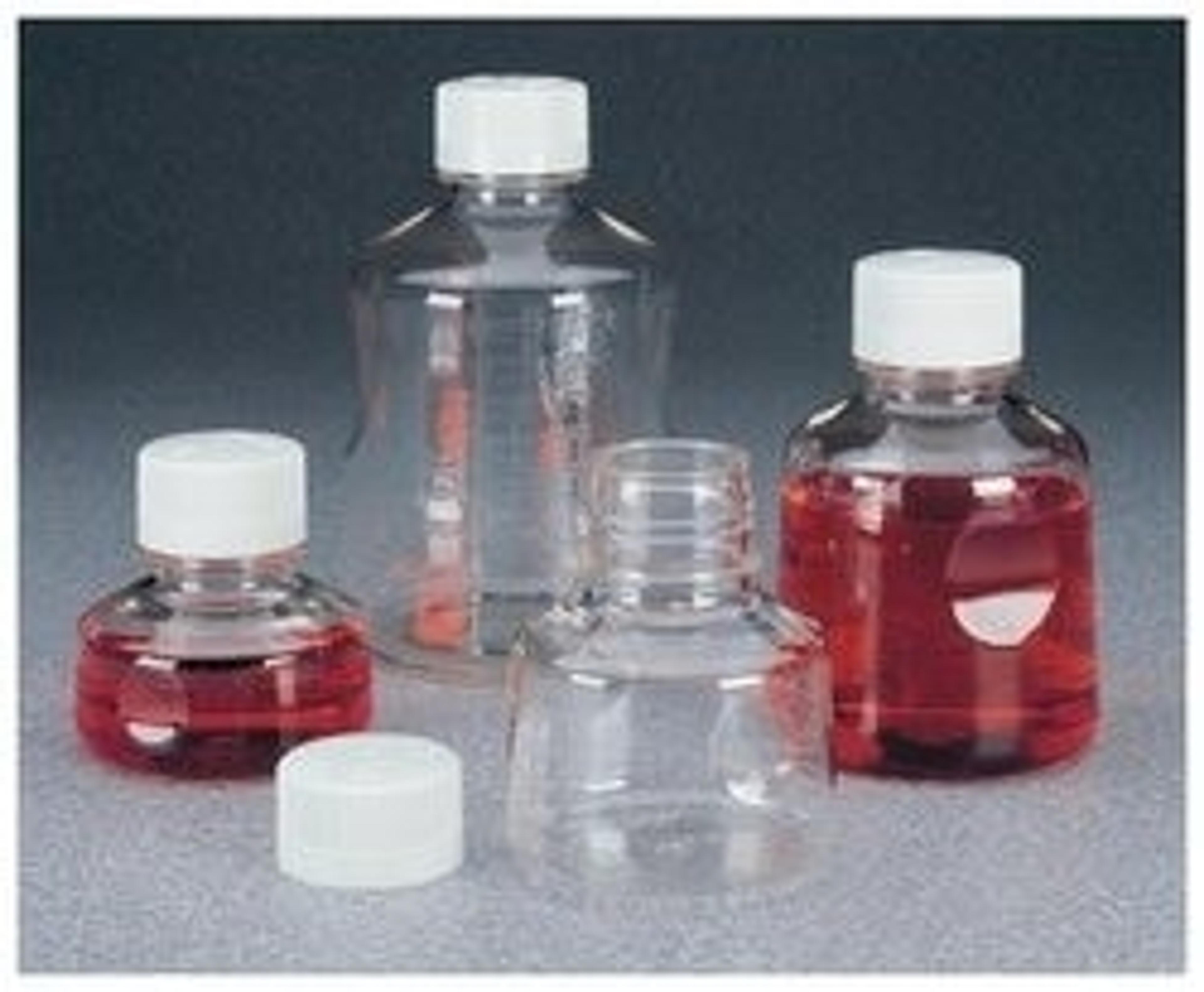
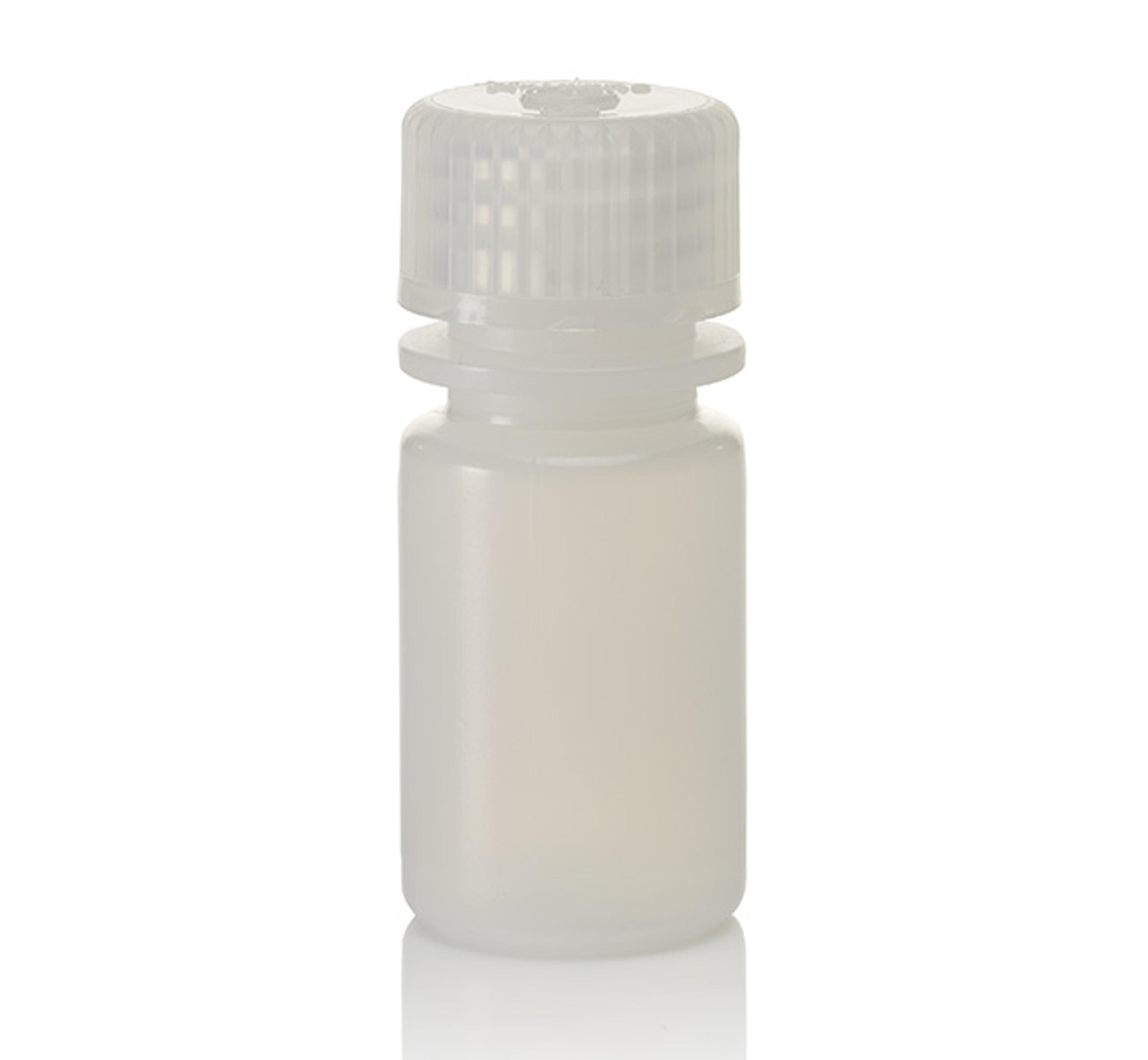
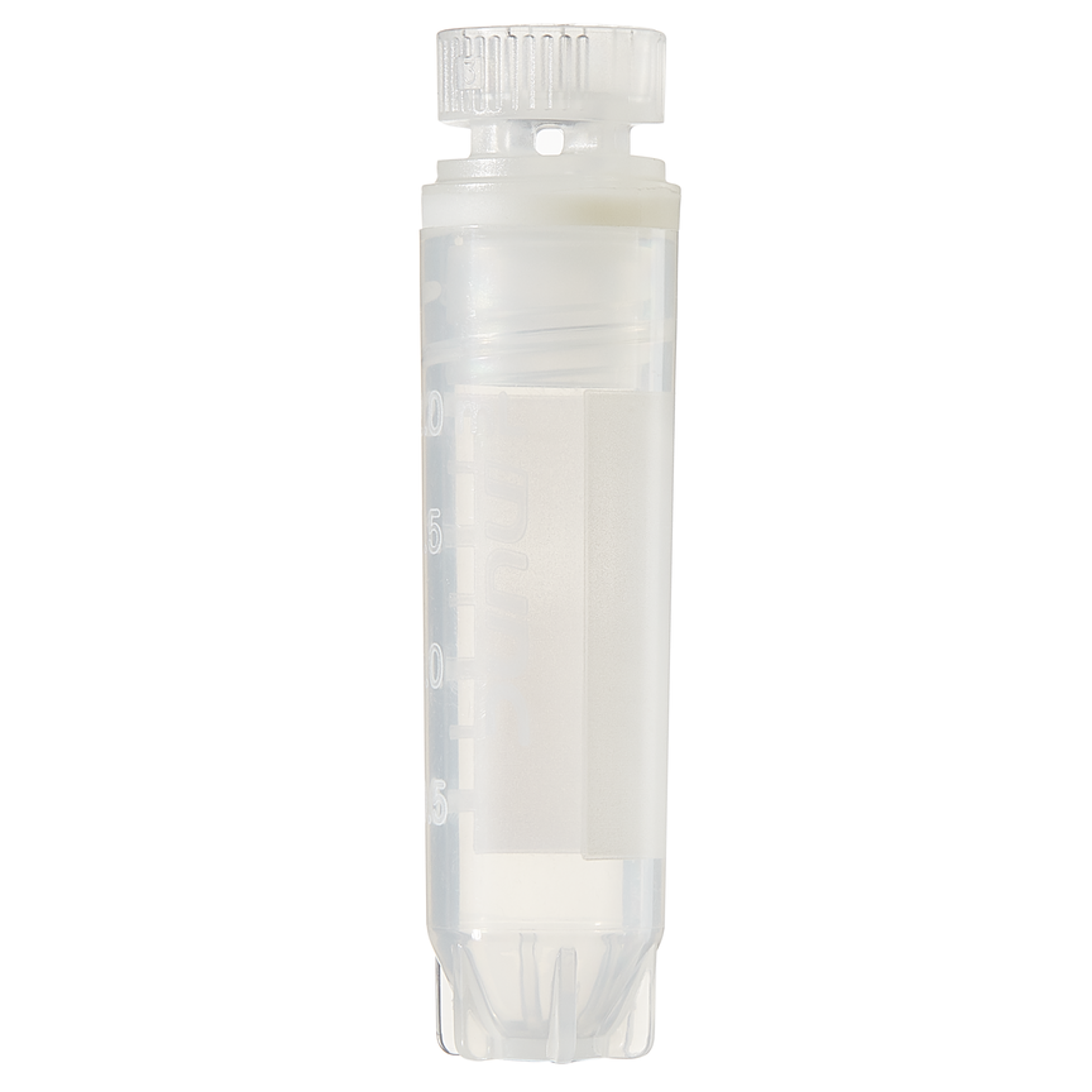
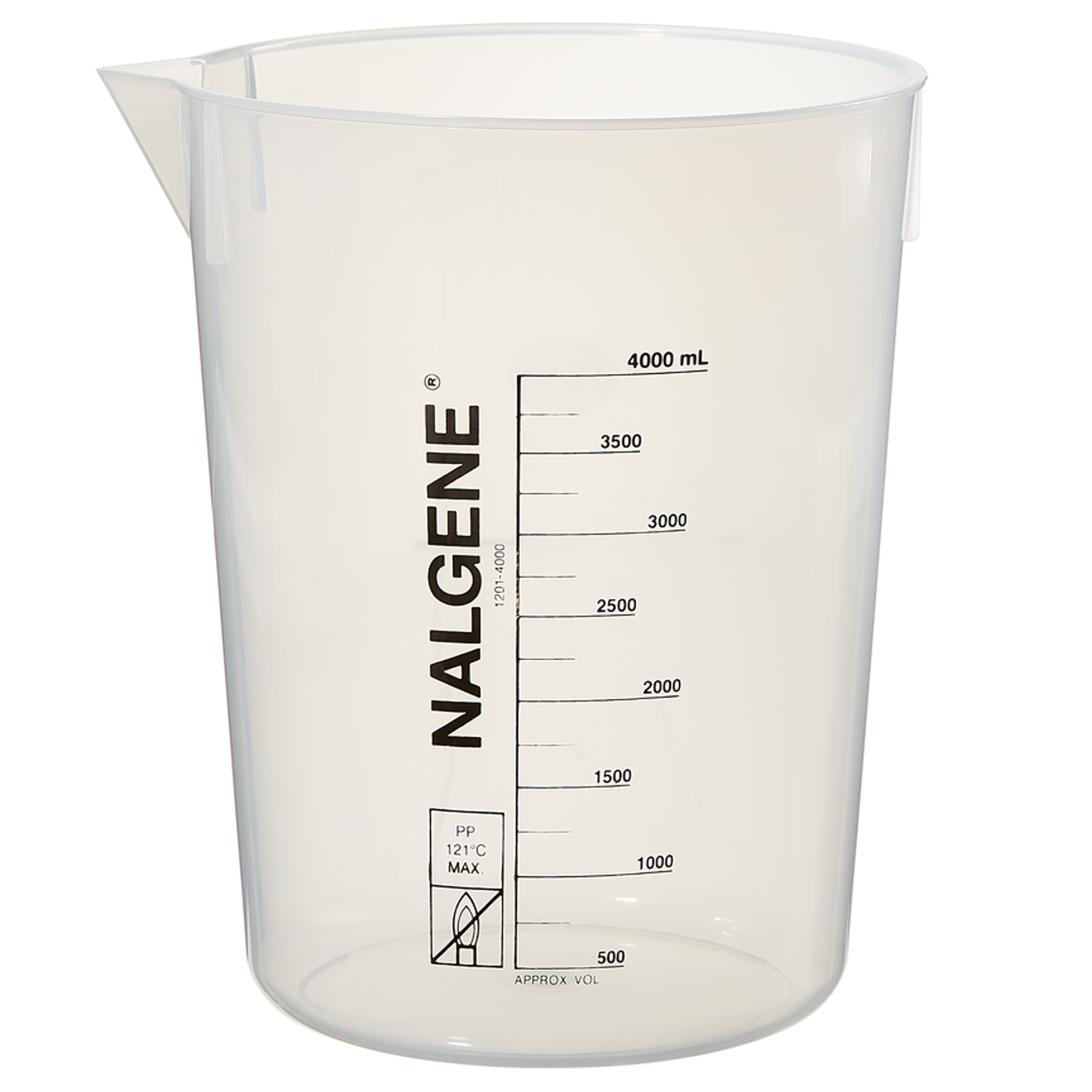
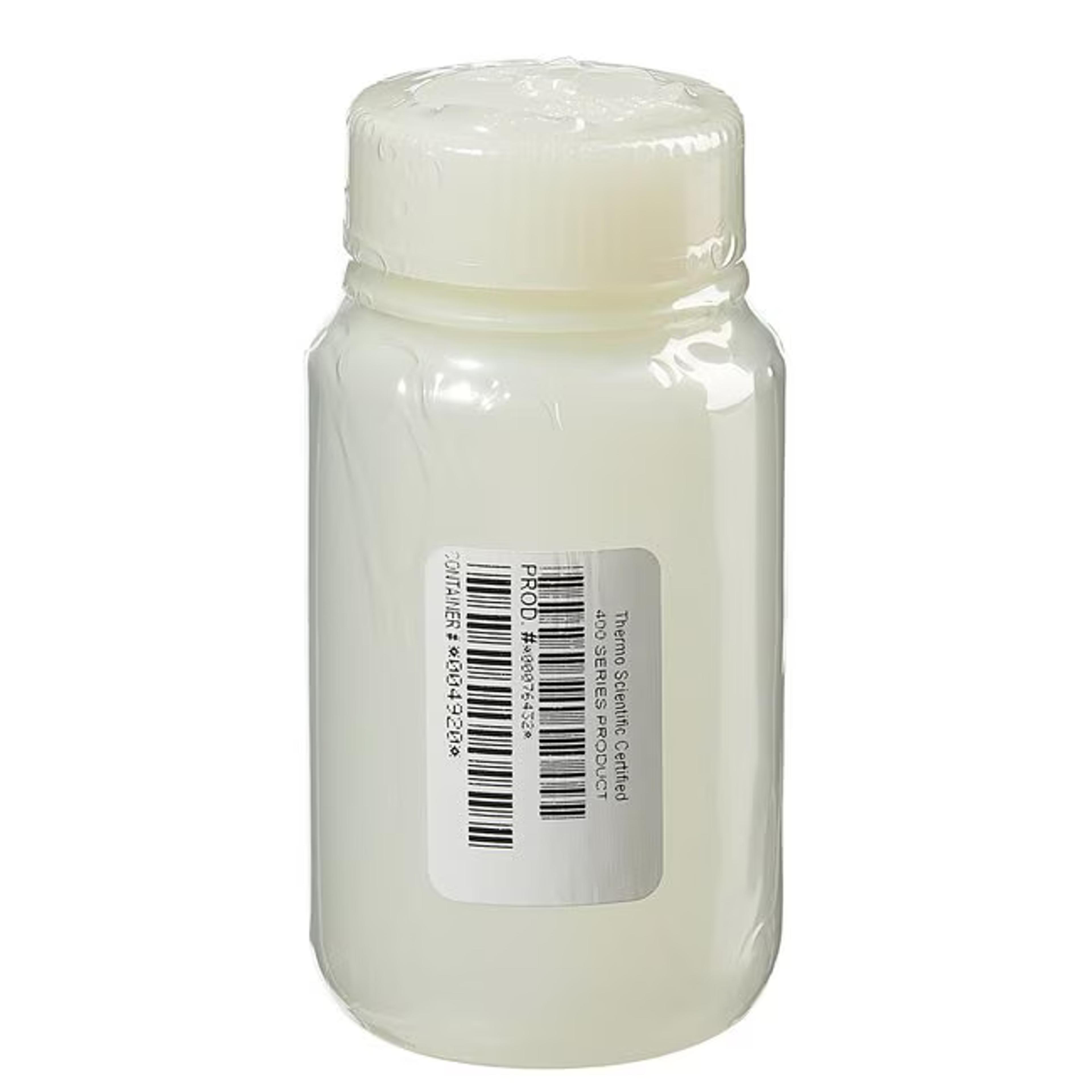
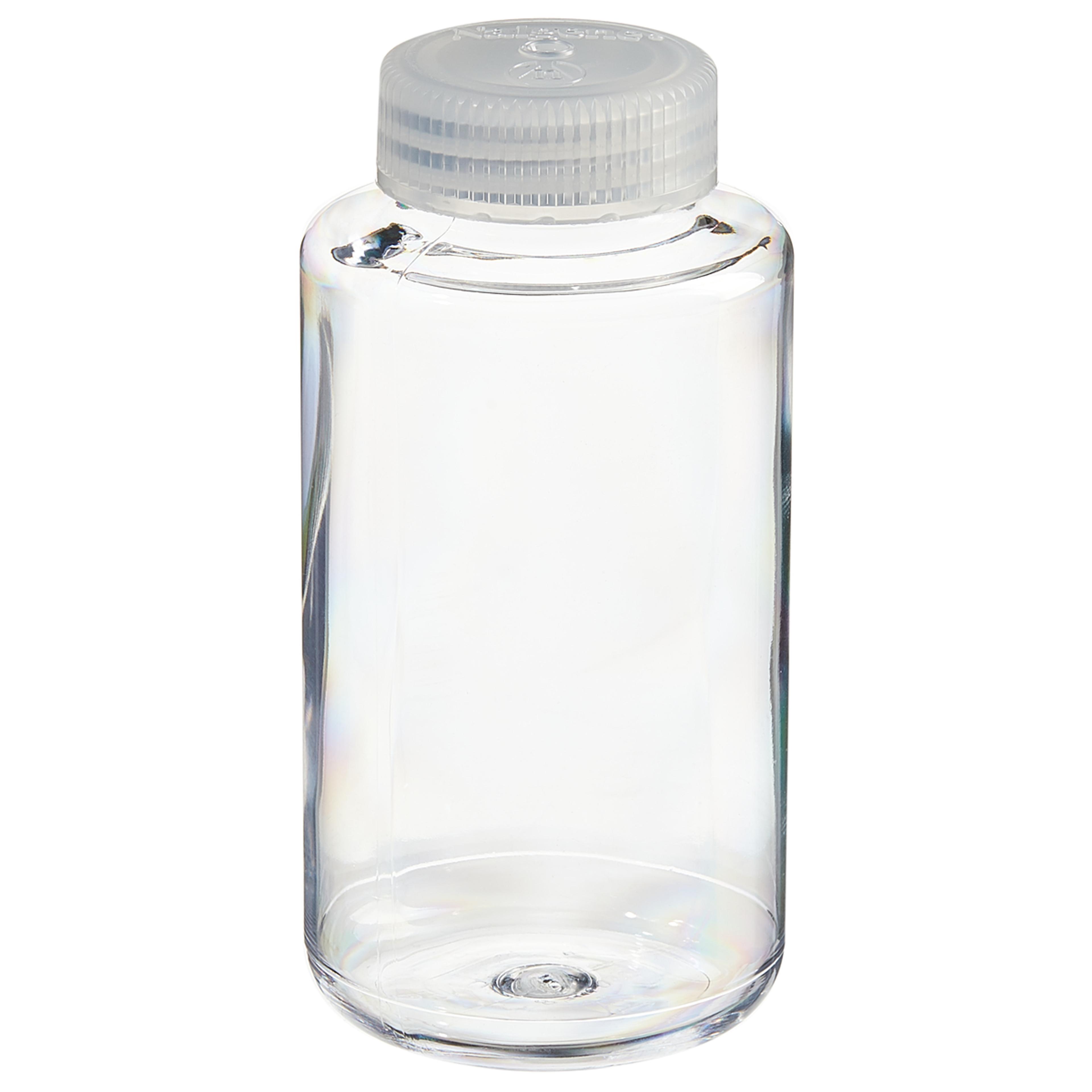
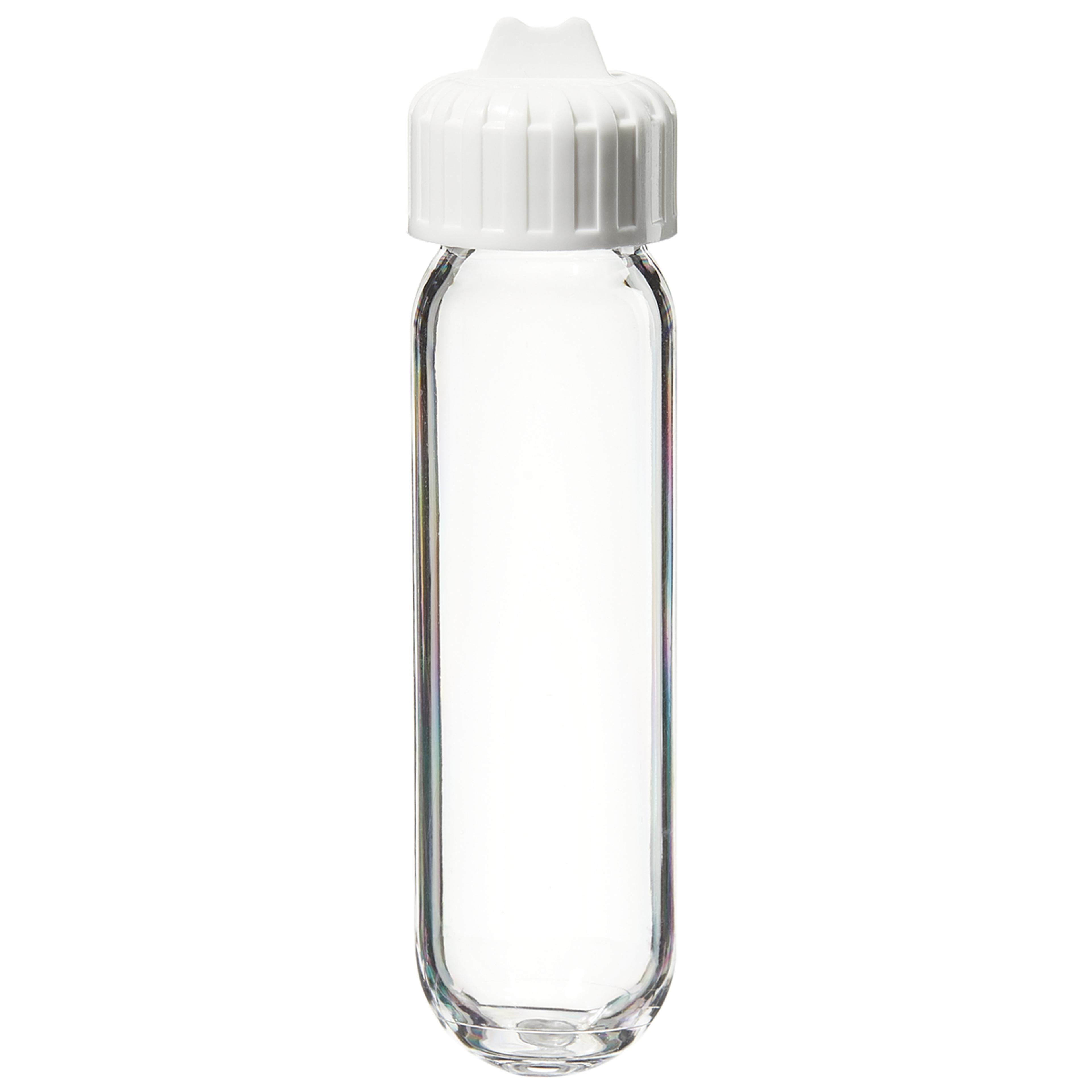
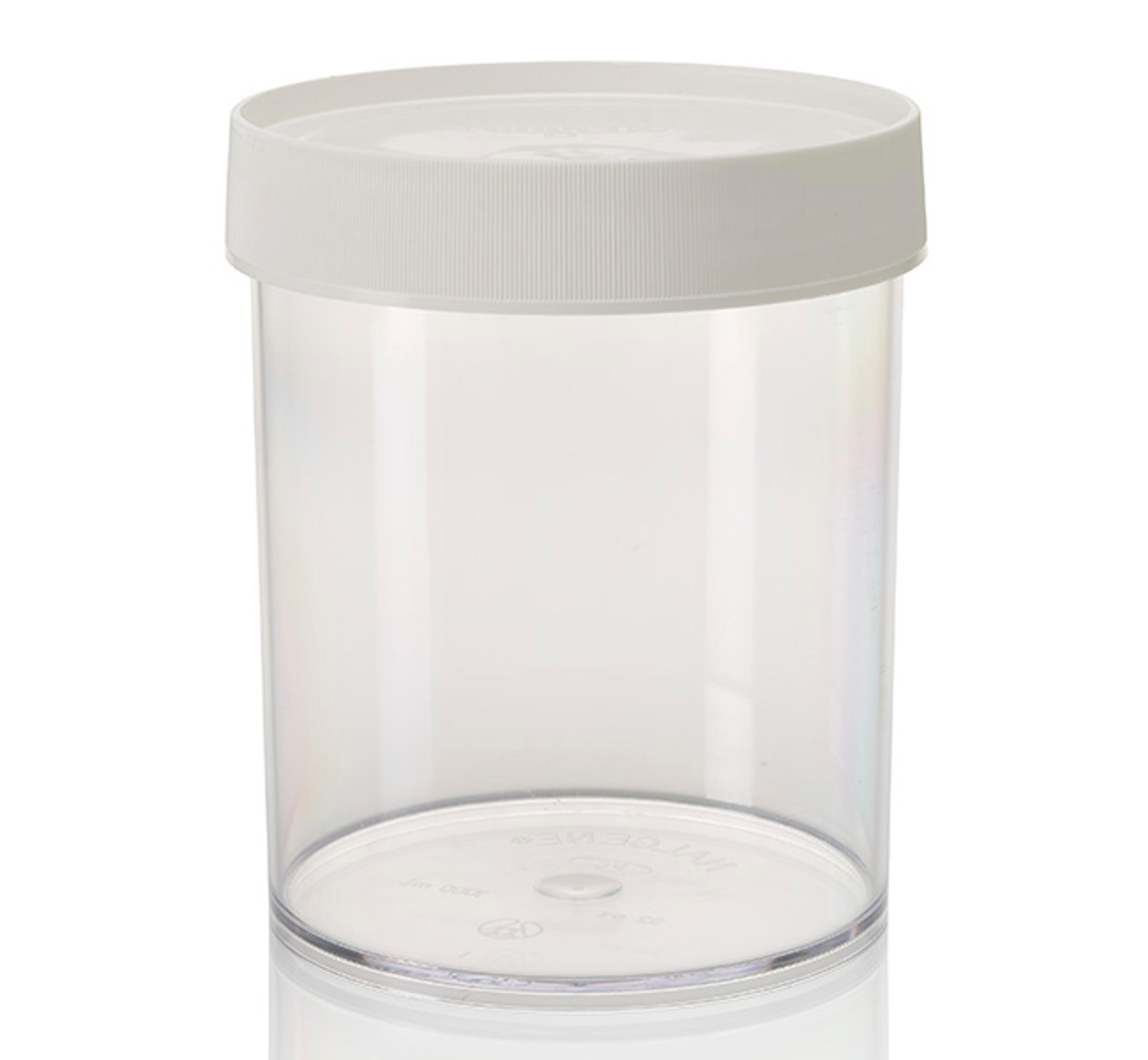
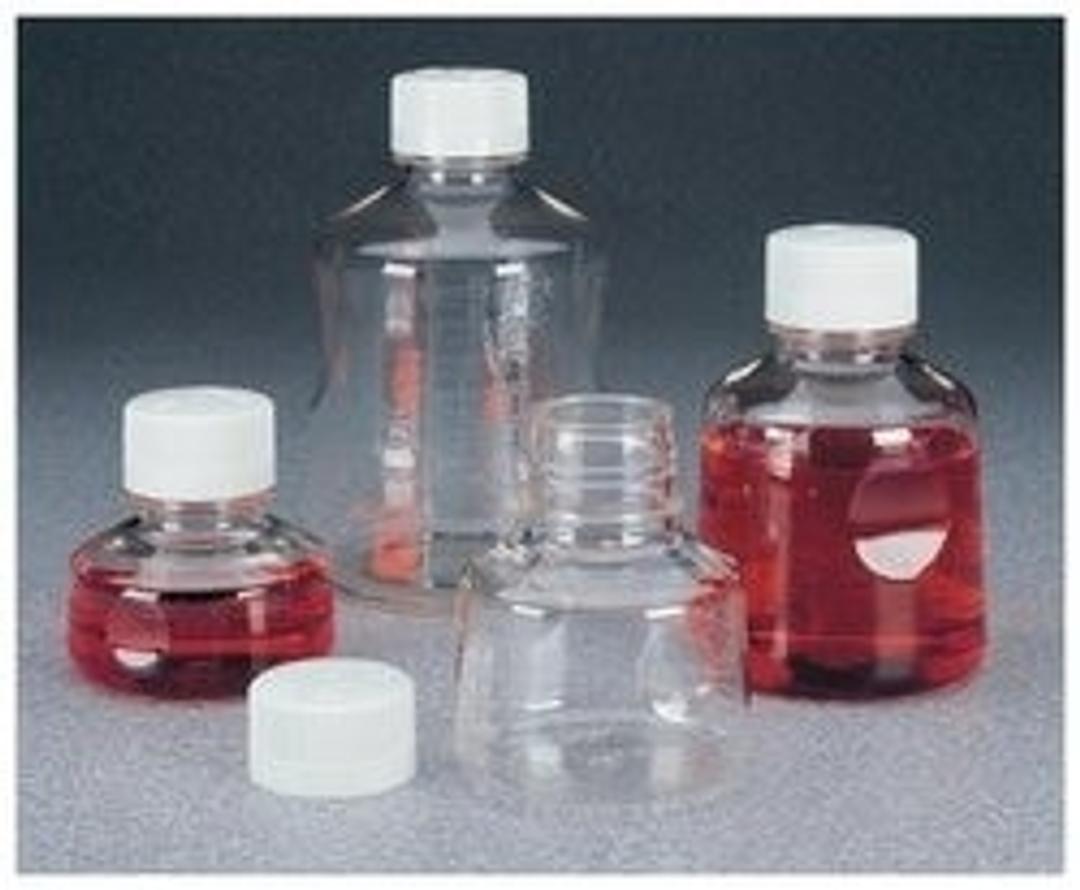
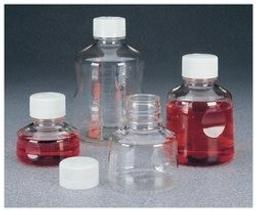
Nalgene™ Rapid-Flow™ Sterile Filter Storage Bottles
Save time and minimize contamination with these radiation-sterilized filter storage bottles. Excellent as single-use storage containers.

Place your order directly with the manufacturer.
Use with Nalgene Bottle-Top filters or as replacement/extra receptacles for filter units.
Features:
- Headspace allows for extra serum or other additives to be added to the filtrate
- Leakproof† screw caps to eliminate pH shift in bottle for longer life of stored media
- Sterilized by gamma radiation and individually bagged for a 5-year sterile shelf life
- Non-pyrogenic and non-cytotoxic
- Available with Fit for Purpose Sterile documentation
† The term leakproof applies to Thermo Scientific Nalgene products that meet the following criteria: a) Bottle/flask/funnel closure systems with closures smaller than 100mm, after they are filled with water, inverted, withstand air pressure of 2psig for 2 minutes, and no water escapes;. b) Bottle/funnel/flask closure systems of larger than 100mm after they are filled with water, inverted for 15 minutes, and no water escapes.
Note: these tests, using other liquids, may not yield the same results. To ensure safe usage, customers are advised to test Thermo Scientific Nalgene bottles and closures under conditions of their planned applications. Thermo Scientific Nalgene products are leakproof at ambient temperature and pressure when used with their Nalgene closures.

Ready-to-use Bottle Assembly Systems
Nalgene bottles, designed specifically for bioprocessing, offer integrity and safety for critical products. Single-use bottle assemblies provide flexibility, mitigate risk of cross-contamination, and save time by eliminating setup and cleaning steps associated with reusable containers. Thermo Fisher Scientific introduces Bottle Assembly Systems featuring Nalgene bottles for efficient fluid transfer in bioprocessing. The ready-to-use assemblies streamline processes by eliminating the need to source, purchase, and assemble individual components. With bottle sizes ranging from 125 mL to 2 L and closure components pre-configured for two or three ports, these systems save time and promote high-quality performance.
Simplify fluid transfer with customized bottle assembly systems
Fluid transfer systems play an important role in bioprocessing, but managing individual components and assembling and validating the systems can be laborious and time-consuming. In this infographic, Thermo Fisher Scientific highlights its fit-for-purpose customized Bottle Assembly Systems featuring Nalgene™ bottles, that can streamline fluid transfer systems in bioprocessing. Pre-assembled to fit specific processes, these configured solutions help save staff time and mitigate risk.
Streamline fluid transfer with ready-to-use bottle assemblies
Fluid transfer systems play an important role in bioprocessing but can easily cause inefficiencies; multiple components need to be sourced, purchased, inventoried, and assembled. Thermo Fisher Scientific offers Bottle Assembly Systems featuring Nalgene™ bottles to streamline fluid transfer systems in bioprocessing. These ready-to-use bottle assemblies save time by eliminating the need to source, purchase, and assemble individual components. In this infographic, Thermo Fisher Scientific highlights the benefits of single-use bottle assemblies, and the high-quality components used, such as polycarbonate and PETG bottles, along with C-Flex® tubing. Other benefits include reduced labor and time, ensured integrity of critical products, and safe containment for sensitive materials.

9 top new resources for your biopharmaceuticals research
Exclusive interviews, new methods, free downloads and much more to help advance your biopharmaceutical research
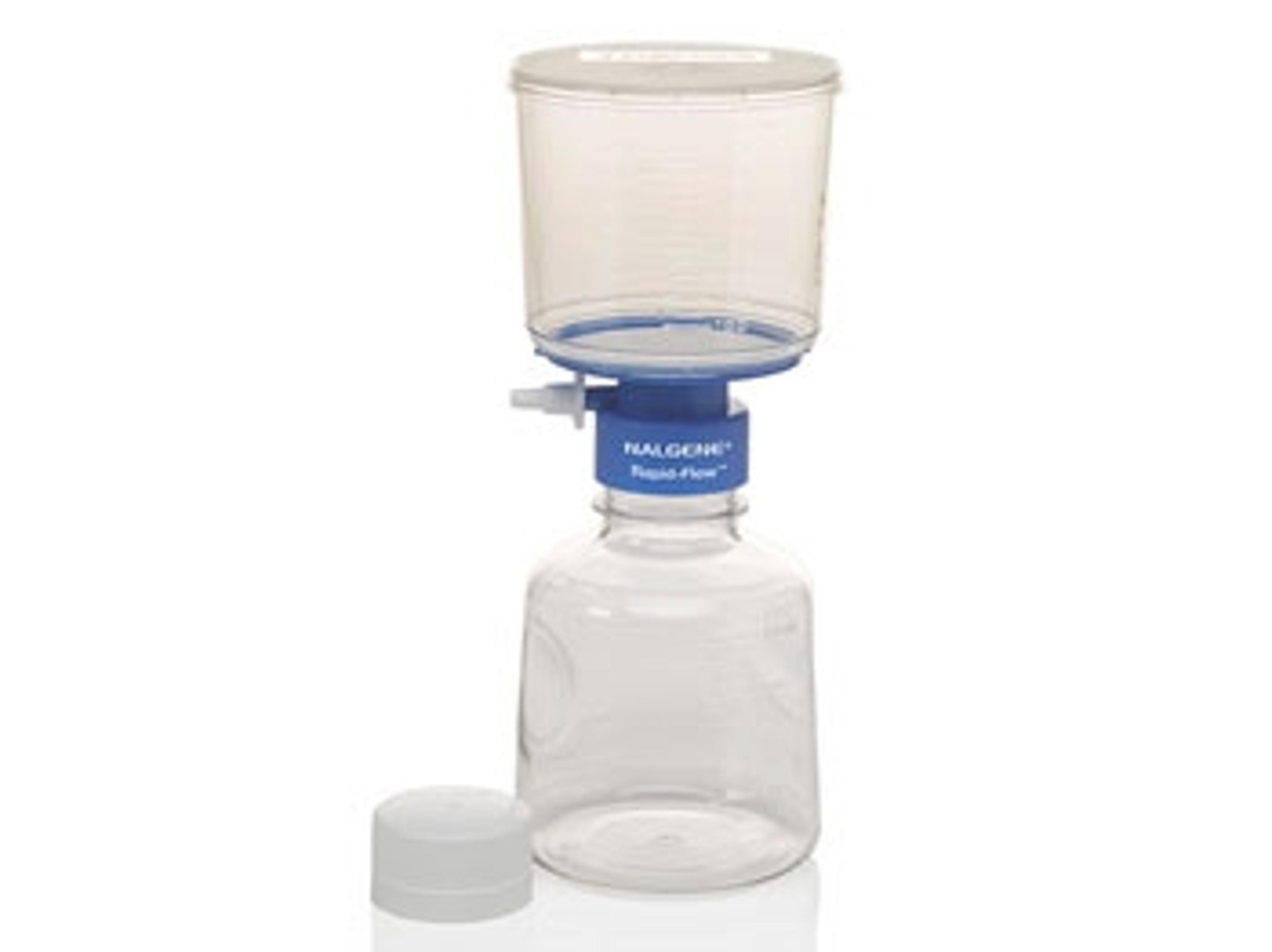
How to improve accuracy and consistency in cell culture research with the right filtration system
Nate Starbard, Thermo Fisher Scientific, discusses how to overcome common filtration challenges in the lab
Hijacking the immune system: Discover how extracellular vesicles can be used as a natural drug delivery system
Virologist Dr. Ryan McNamara discusses viral hijacking of extracellular vesicles and its potential for informing novel biotherapeutics