Brain-Chip R1
Brain-Chip R1 A first-in-class, isogenic model of the human neurovascular unit

Receive your quote directly from the manufacturer.
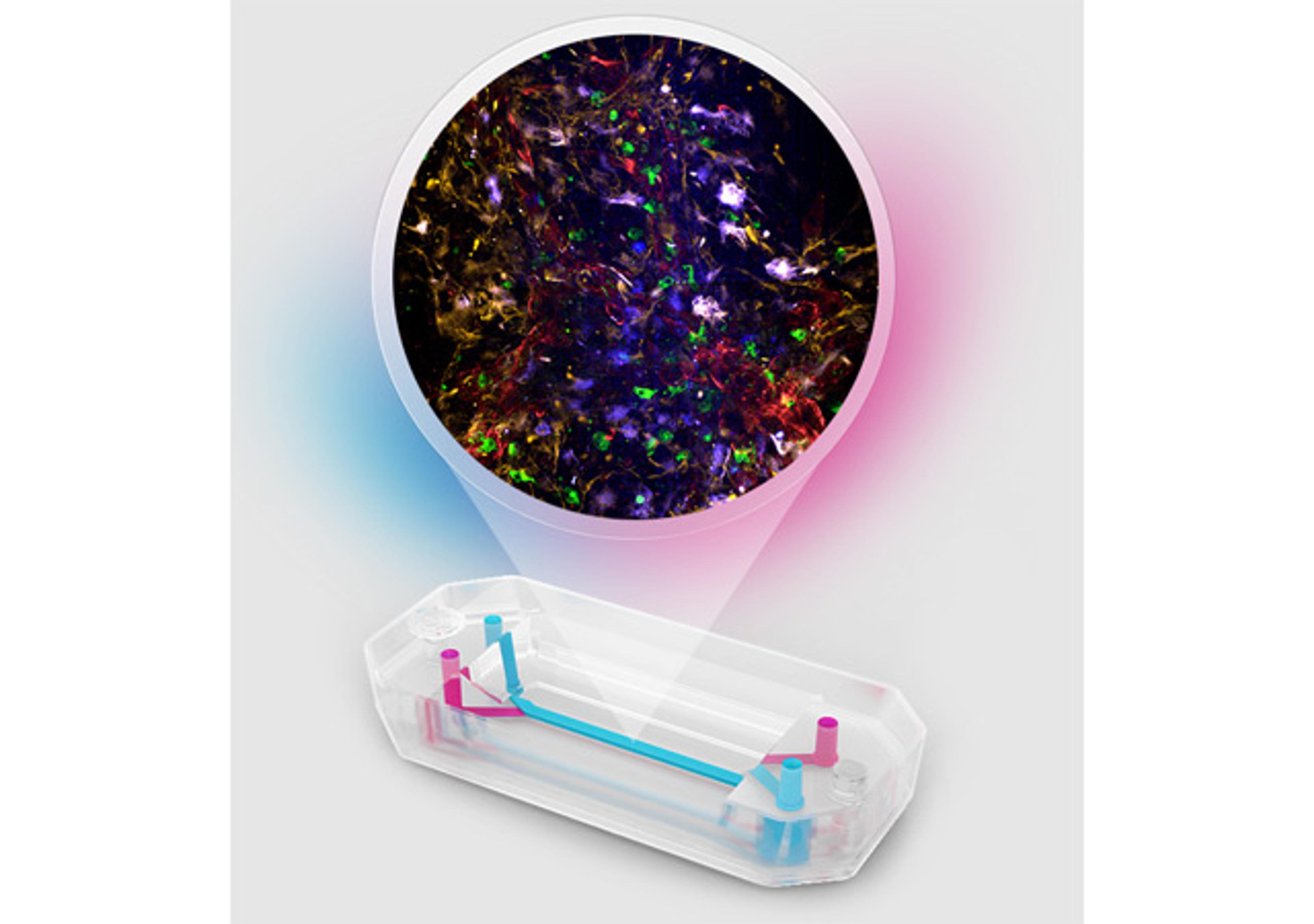
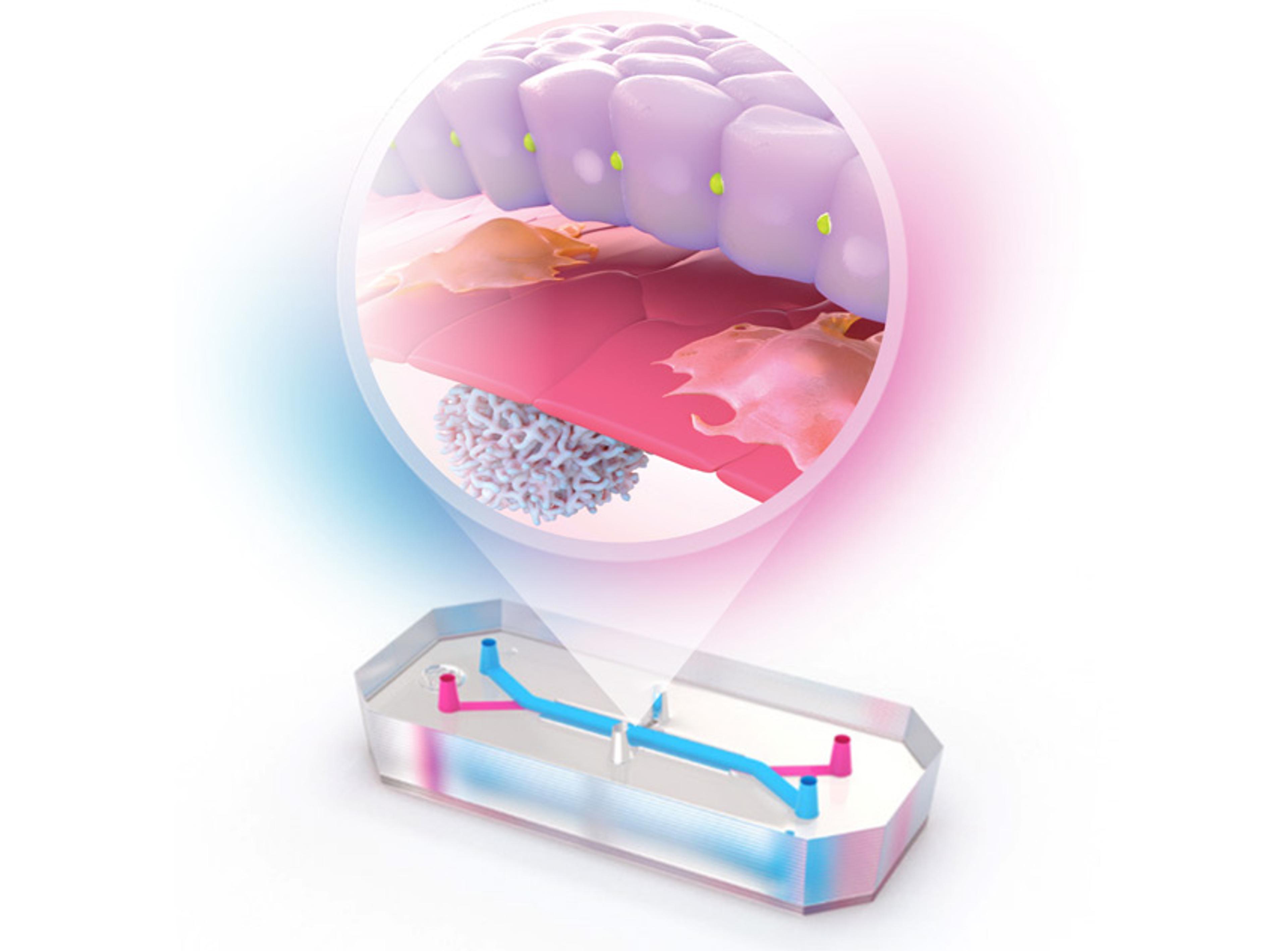
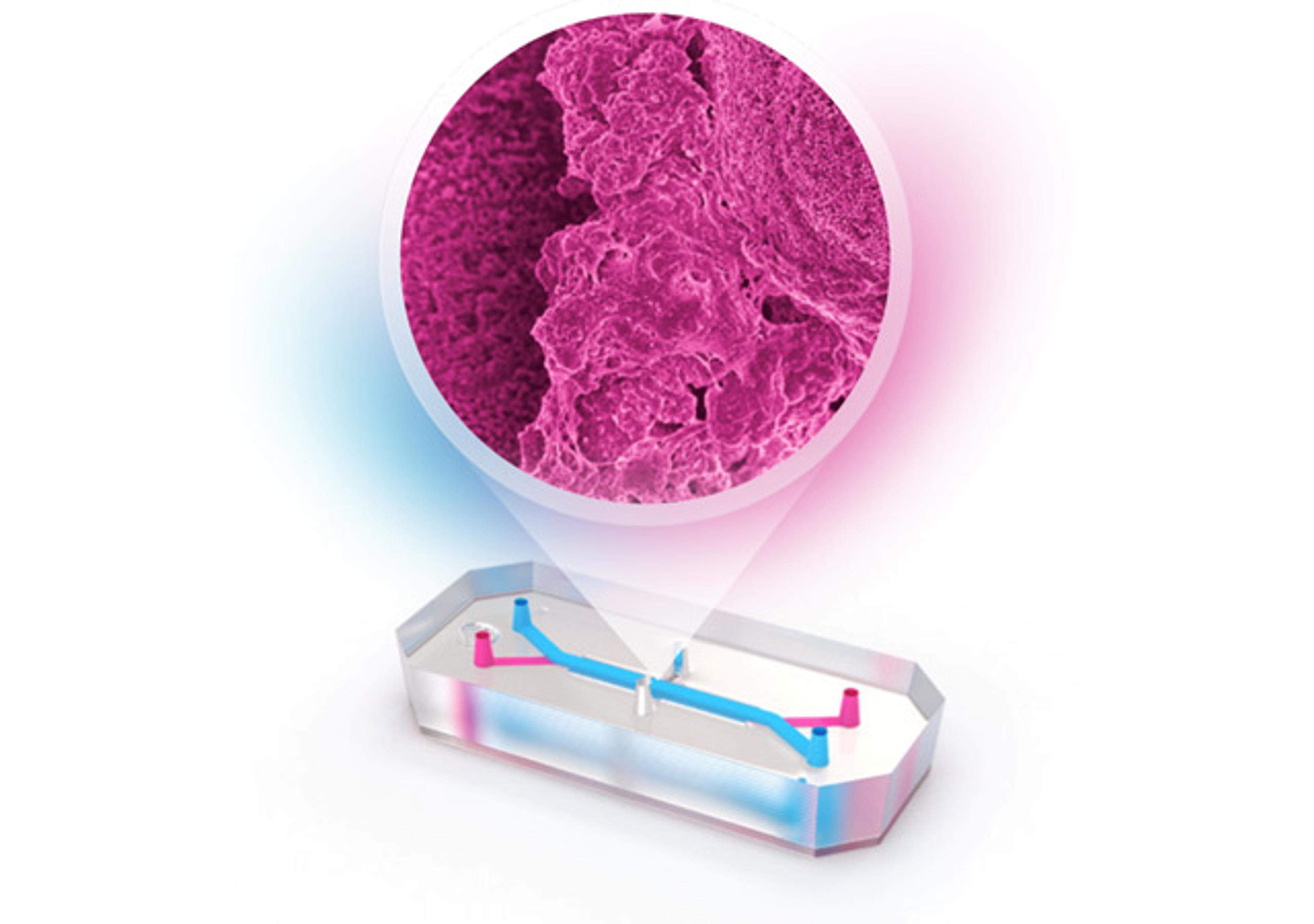
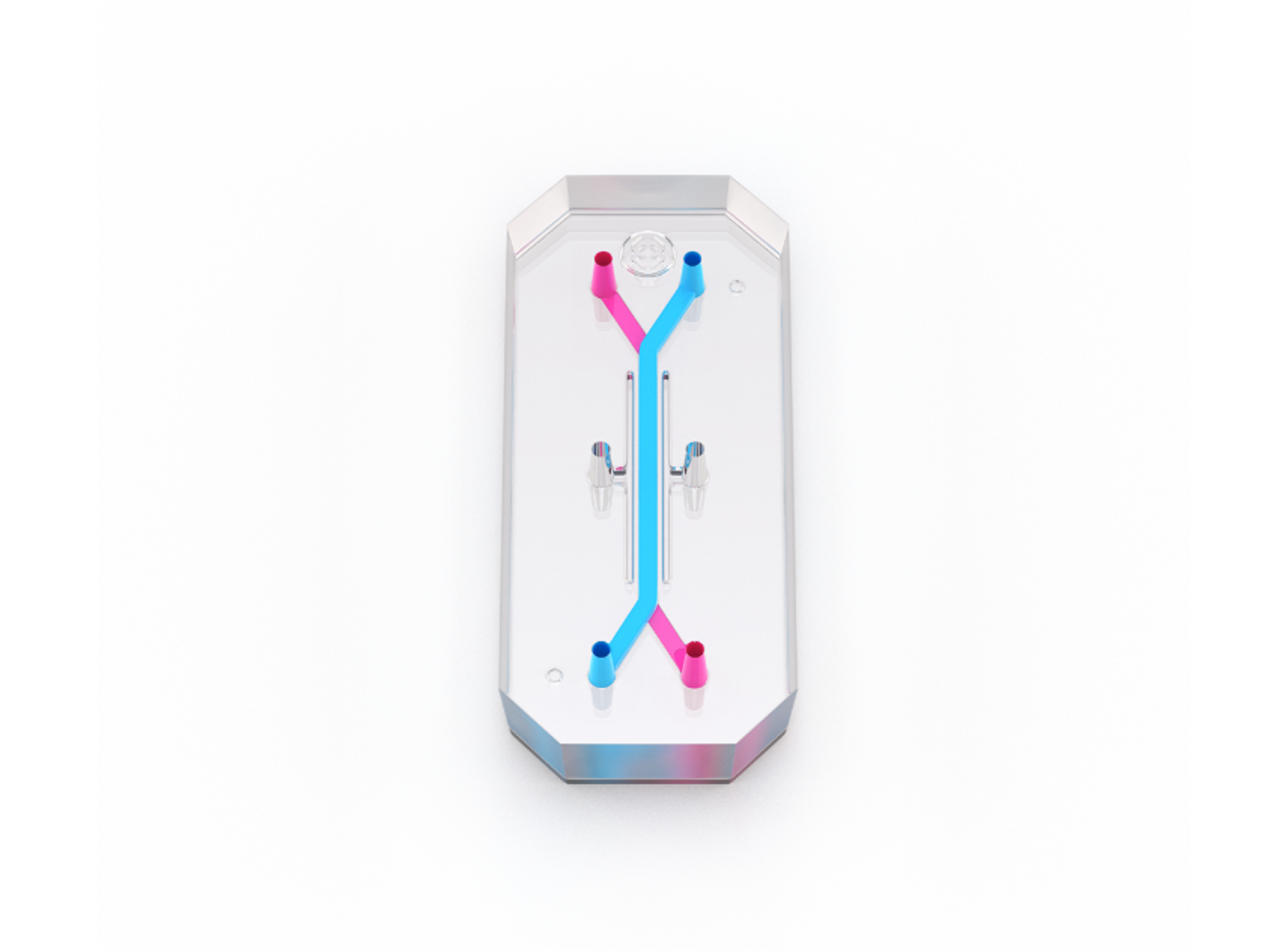
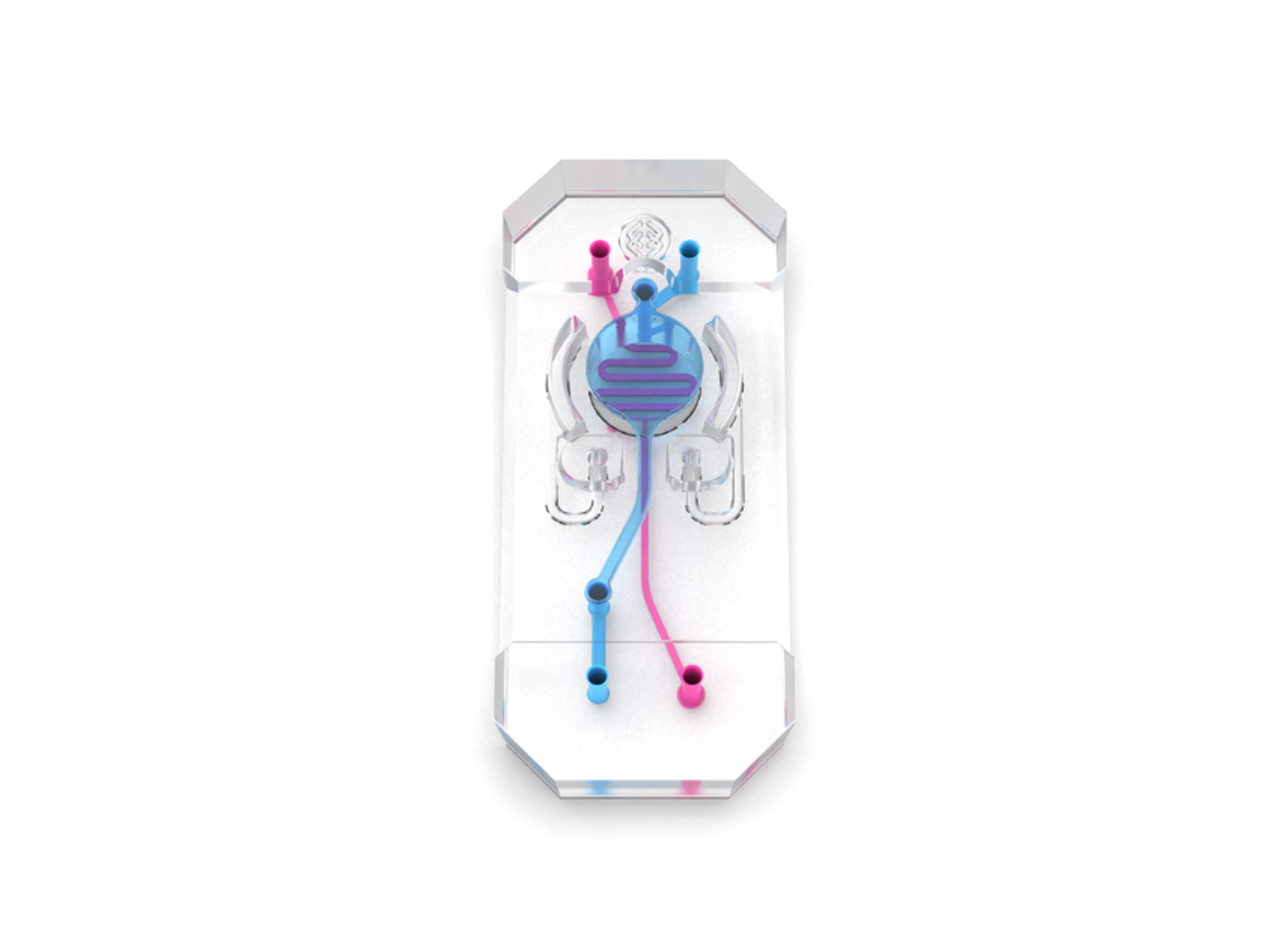
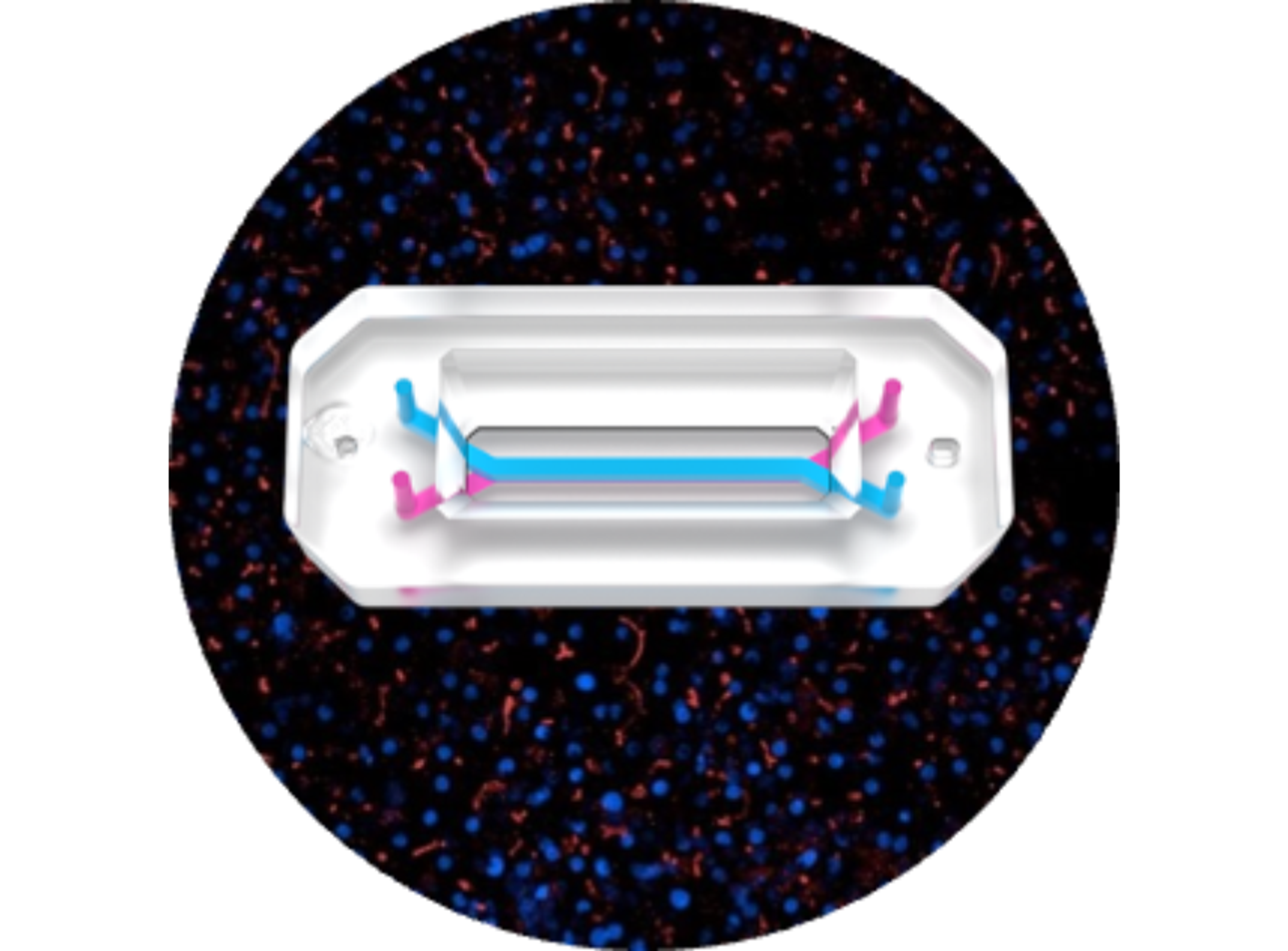
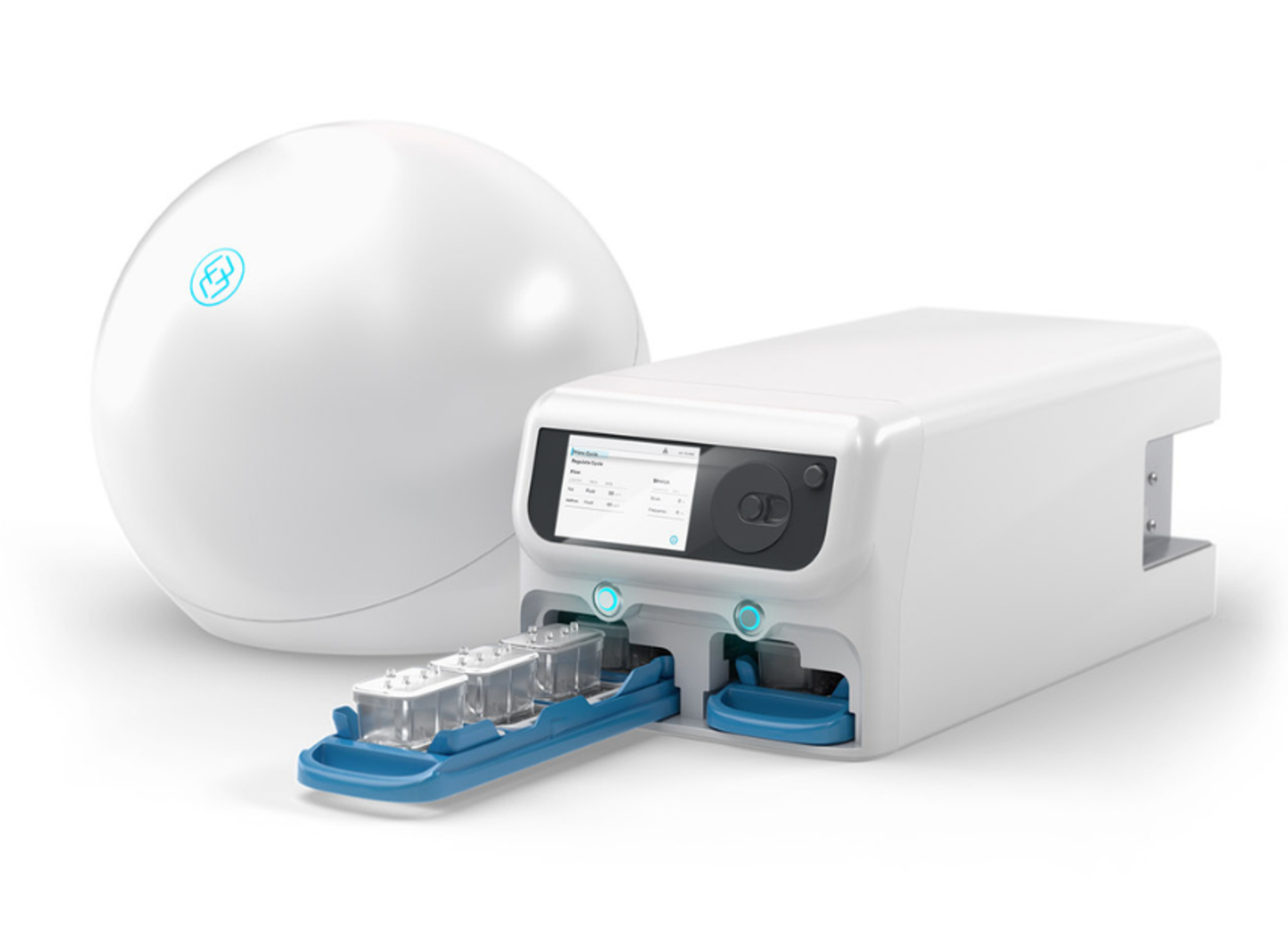
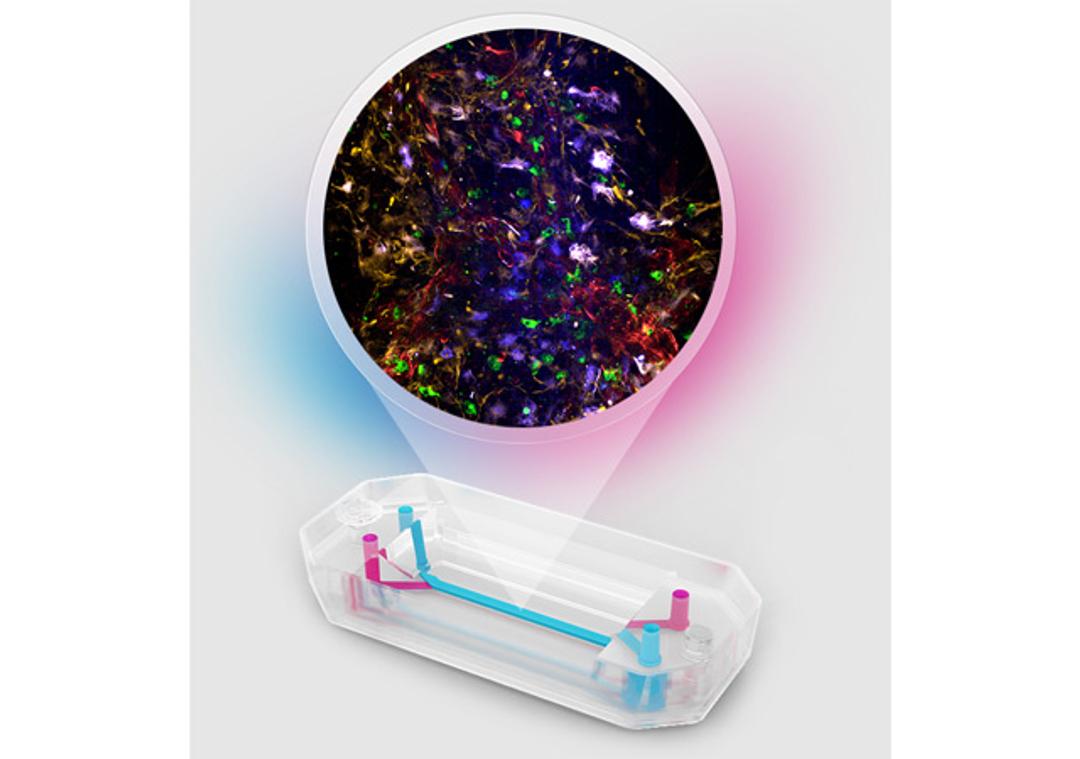
The Brain-Chip R1 is an isogenic, iPSC-derived Organ-Chip model designed to recapitulate the cellular diversity and functional interactions of the human neurovascular unit (NVU). This model integrates five iPSC-derived cell types—neurons, astrocytes, microglia, pericytes, and Emulate’s proprietary brain microvascular endothelial cells (BMECs)—within a dynamic, perfused microenvironment. These features combine to create a robust, reproducible, and physiologically relevant platform for studying BBB transport and neuroinflammatory mechanisms.
Key Benefit:
- Fully Isogenic NVU Model
Integrates five iPSC-derived cell types from a single donor line to recreate human neurovascular biology with reduced variability and improved reproducibility. - Resting, Physiologically Relevant Sate
Maintains quiescent glia, stable barrier function, and appropriate transporter expression to support more predictive BBB transport and neuroinflammation studies across a four-day experimental window. - Direct-to-Chip, Ready-to-Use Workflow
A simplified iPSC maturation process requires no differentiation or pre-plating steps, enabling consistent, ready-to-run experiments. From start to finish, experiments take just 12 days to complete. - Low-Absorption Platform for BBB Studies
Chip-R1’s minimally absorbing materials improve compound recovery and quantitative permeability measurements, supporting more accurate BBB transport assessments.
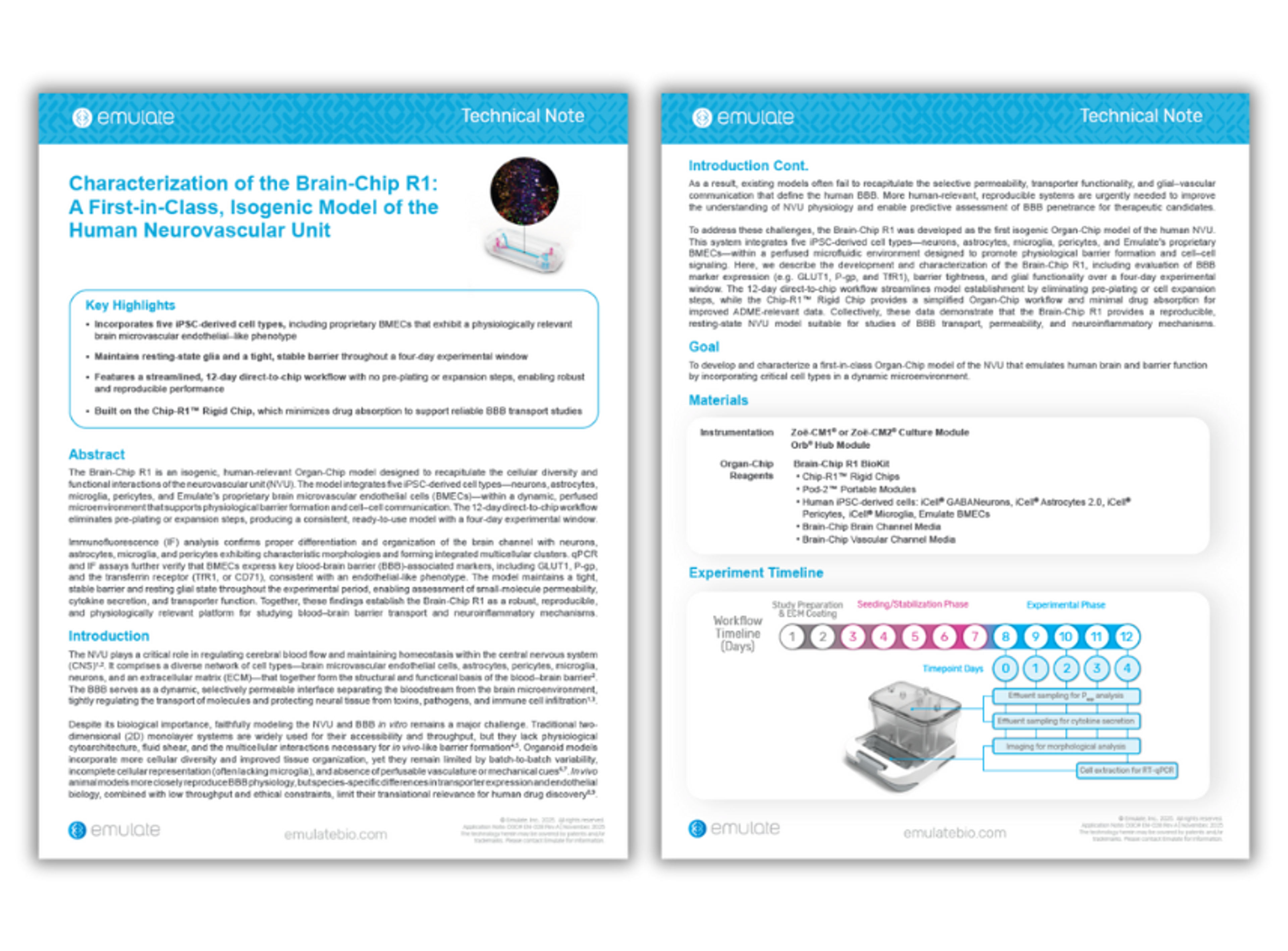
Characterization of the Brain-Chip R1 as a first-in-class isogenic model of the human neurovascular unit
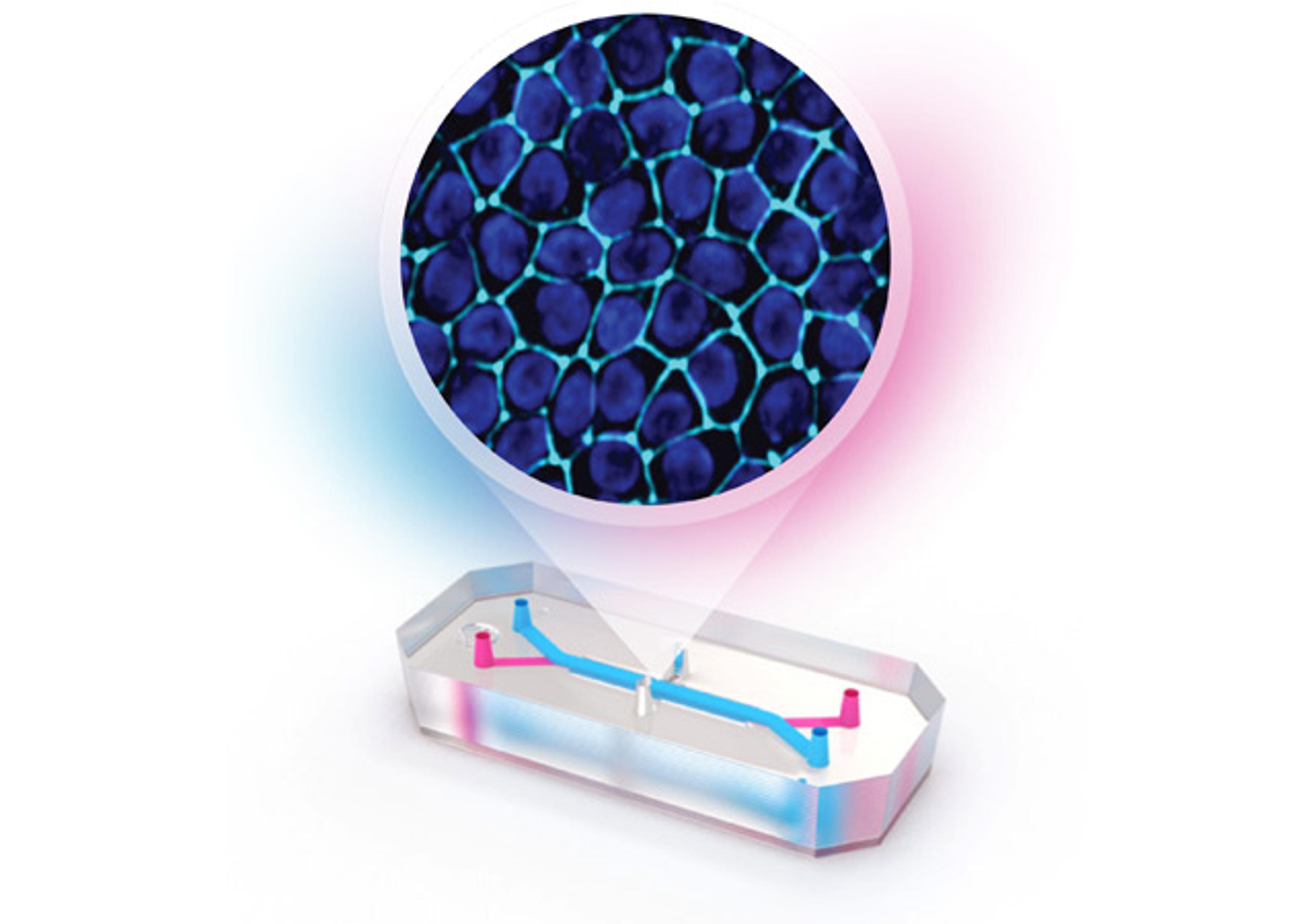
This application note details the development and characterization of Emulate’s Brain-Chip R1, a first-in-class isogenic Organ-Chip model of the human neurovascular unit. Integrating five iPSC-derived cell types within a perfused microenvironment, the model forms a tight, stable BBB-like barrier and supports physiologically relevant studies of transport, neuroinflammation, and NVU function.
Resource details:
- Resource type: Application notes
- Page count: 7
- Read time: 11 mins