
Careful pipetting reduces the stress on cells in culture
28 Sept 2021
Cell viability, defined as the proportion of live cells in a sample, is a fundamental consideration in all cell culture techniques. For certain experiments, such as cytotoxicity assays, cell viability is a measure of the toxicity of a given drug. In other applications, for example the production of monoclonal antibodies, it is an important element of quality control for both the cell culture technique and product. When culturing cells, the aim is to consistently produce highly viable and reproducible cell samples. In all cases, it is crucial that cell culture methods and workflows do not affect cell viability, to avoid impacting the reproducibility and reliability of results.
The hidden influence of stress
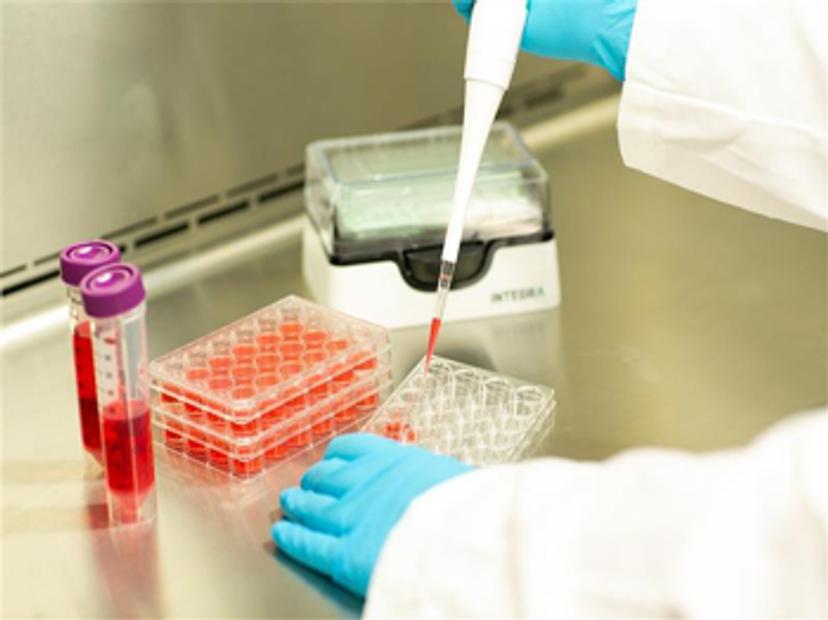
There are a number of parameters that are widely recognized as impacting on cell viability, including environmental conditions, passage number and media-related factors. However, every variable – right down to differences in handling techniques – can affect the health of cells and the reproducibility of results. Some of these effects are clearly noticeable and therefore, easier to control. For example, microbial contamination will grow notably visible structures and colonies, and older cells can develop distinct phenotypes with senescence. However, the influence of stress on viability may only be realized during or after cultivation, or with dedicated staining. Shearing forces are an unavoidable stress factor that cells encounter during pipetting, capillary transfer and centrifugation, and can significantly decrease cell viability and proliferation1. Opinions on the magnitude of shear stress that cells can withstand vary,2 but it is agreed that exceeding the critical limit can be damaging to cell health, resulting in consequences such as unwanted cell lysis or cell death. The impact of shear force on cell viability is not always immediately evident,3 and significant reductions in viability have been reported up to 24 hours after forces were exerted.4
Many vital stages in the cell culture workflow – such as cell detachment, sampling, seeding, and cell-based assays – require mixing with a pipette. If not done with care, this can lead to the shearing of cells at the orifice of the tip. Comparable to navigating a busy crowd on the subway, forcing cells through a tube that is too narrow, or at a rate that is too fast, can result in cell trauma. Cell viability, spreading and proliferation are all impacted when the tip bore diameter is decreased, or the flow rate increased.5 Wide bore tips have a larger diameter aperture to reduce the strain on cells, but this only solves half the problem. When working with manual pipettes, every mixing routine is slightly different. Abrupt starts and stops, and variations in plunger speed, are unavoidable and, as a result, the number of mixing steps required to detach or separate cells can vary. These variations in mixing and pipetting speeds can subject cells to different levels of shearing force, impacting the reproducibility of results.
Shear force, along with other sources of poor cell health, can have significant consequences for the reproducibility of research and the productivity of cell-based manufacturing. The overall aim of cell culture manipulations is to produce high yields of healthy cells, so unexpected variations in cell viability from this type of stress, costs researchers valuable time and money. If the impact of these forces is not well understood or identified, inaccurate conclusions may be made about the viability of cells or the phenotypes that derive from poor health. In cytotoxicity assays, for example, the impact of toxic drugs on cell viability may be overestimated if cells are also subjected to shearing forces. Careful cell handling techniques can help reduce the impact of this stress on cell health.
A solution that goes further
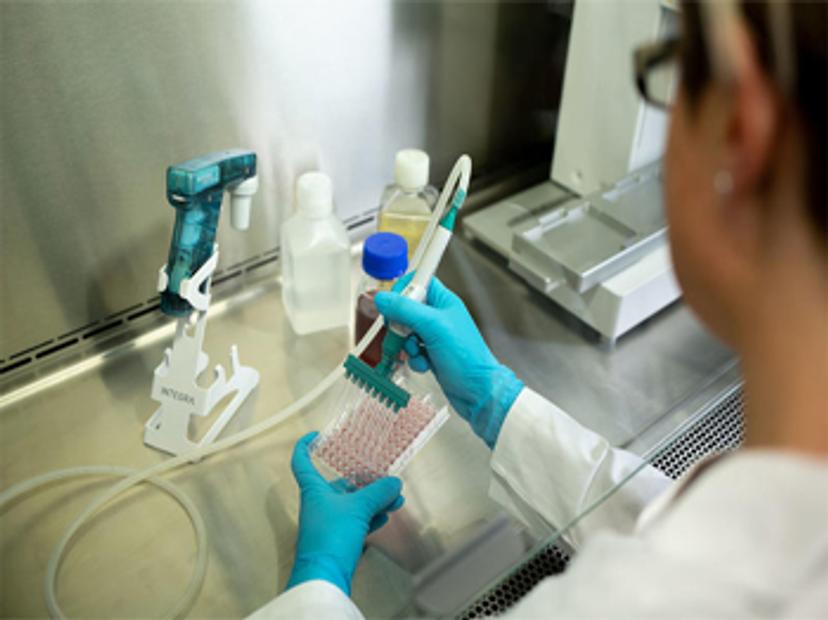
Cell viability can be improved with gentle handling and the correct tools. It is always wise to opt for wide bore tips when pipetting fragile cell samples, as they have a larger orifice for cells to flow through. Sophisticated electronic pipettes can also help to reduce variations in pipetting performance by allowing users to select, document and save pipetting protocols with defined dispense speeds and mixing routines, so that each action is performed at the same rate every time. These modes are often preset, or can be customized to suit the application requirements. This eliminates the influence of user technique or experience on the quality and consistency of cell handling, reducing the hidden effects of shearing forces on cell viability and resulting in a higher yield of healthier cells – offering unmatched reproducibility in all cell handling tasks.
Learn how INTEGRA can help you to improve your cell culture handling >>
References
Shi, J., Wu, B., Li, S., Song, J., Song, B., & Lu, W. F. (2018). Shear stress analysis and its effects on cell viability and cell proliferation in drop-on-demand bioprinting. Biomedical Physics & Engineering Express, 4(4), 045028.
Brindley, D., Moorthy, K., Lee, J. H., Mason, C., Kim, H. W., & Wall, I. (2011). Bioprocess forces and their impact on cell behavior: implications for bone regeneration therapy. Journal of tissue engineering, 2011.
Zoro, B. J. H., Owen, S., Drake, R. A. L., & Hoare, M. (2008). The impact of process stress on suspended anchorage‐dependent mammalian cells as an indicator of likely challenges for regenerative medicines. Biotechnology and bioengineering, 99(2), 468-474.
Mulhall, H., Patel, M., Alqahtani, K., Mason, C., Lewis, M. P., & Wall, I. (2011). Effect of capillary shear stress on recovery and osteogenic differentiation of muscle‐derived precursor cell populations. Journal of tissue engineering and regenerative medicine, 5(8), 629-635.
Agashi, K., Chau, D. Y., & Shakesheff, K. M. (2009). The effect of delivery via narrow-bore needles on mesenchymal cells. Future Medicine. 49-64.
Related products
Request Quote for All Products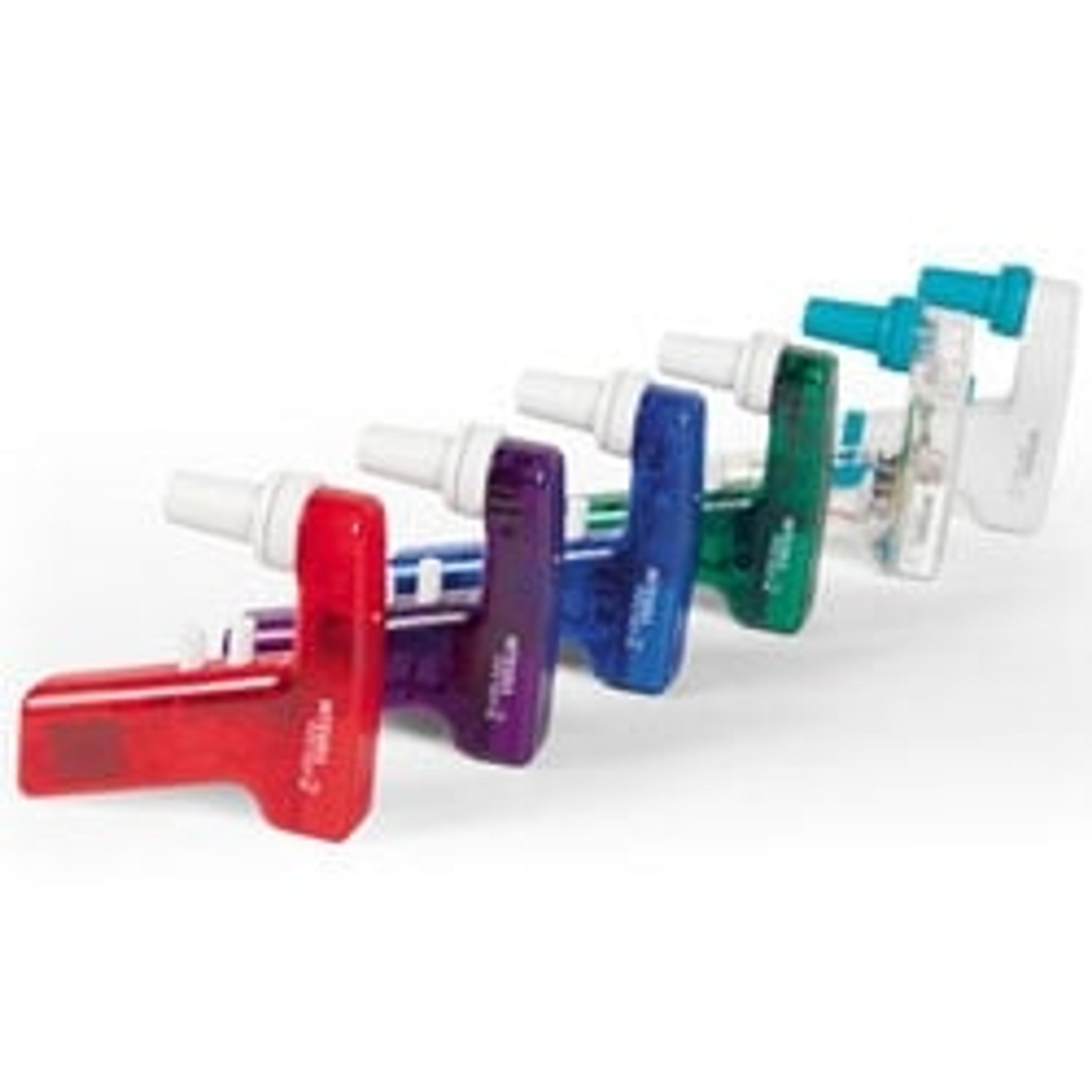
PIPETBOY acu 2 - Pipette Controller
INTEGRA BiosciencesLighter, Faster – The most popular pipettor just got better! The second generation of PIPETBOY acu is equipped with the latest technology providing an increased pipetting speed and a significant weight reduction of the instrument. These two features help you to cut your work time and offer you an improved ergonomic pipetting experience.Besides these changes the main benefits of PIPETBOY acu were preserved: the unmatched pipetting precision, the colorful look and the weight balance.PIPETBOY acu 2 Features: Faster with Unmatched Pipetting Control - PIPETBOY acu 2 is fitted with a unique motor design providing a wide range of pipetting speed and a unique valve and dosing system offering an unmatched control of the liquid, from drop by drop dispense to fast liquid displacement. Lighter - With only 195 grams and an optimized weight balance, PIPETBOY acu 2 offers you enhanced ergonomics making even prolonged pipetting stress- and fatigue-free. Longer Operating Time - Equipped with the latest Lithium-Polymer technology, which provides an extended cordless working time of over 6.5 hours non-stop pipetting with a minimal charging time of only 3.5 hours without memory effect. Quality you can rely on - PIPETBOY pipette controllers are designed and manufactured to the highest quality standards and therefore offered with an extended 3 year warranty upon registration.
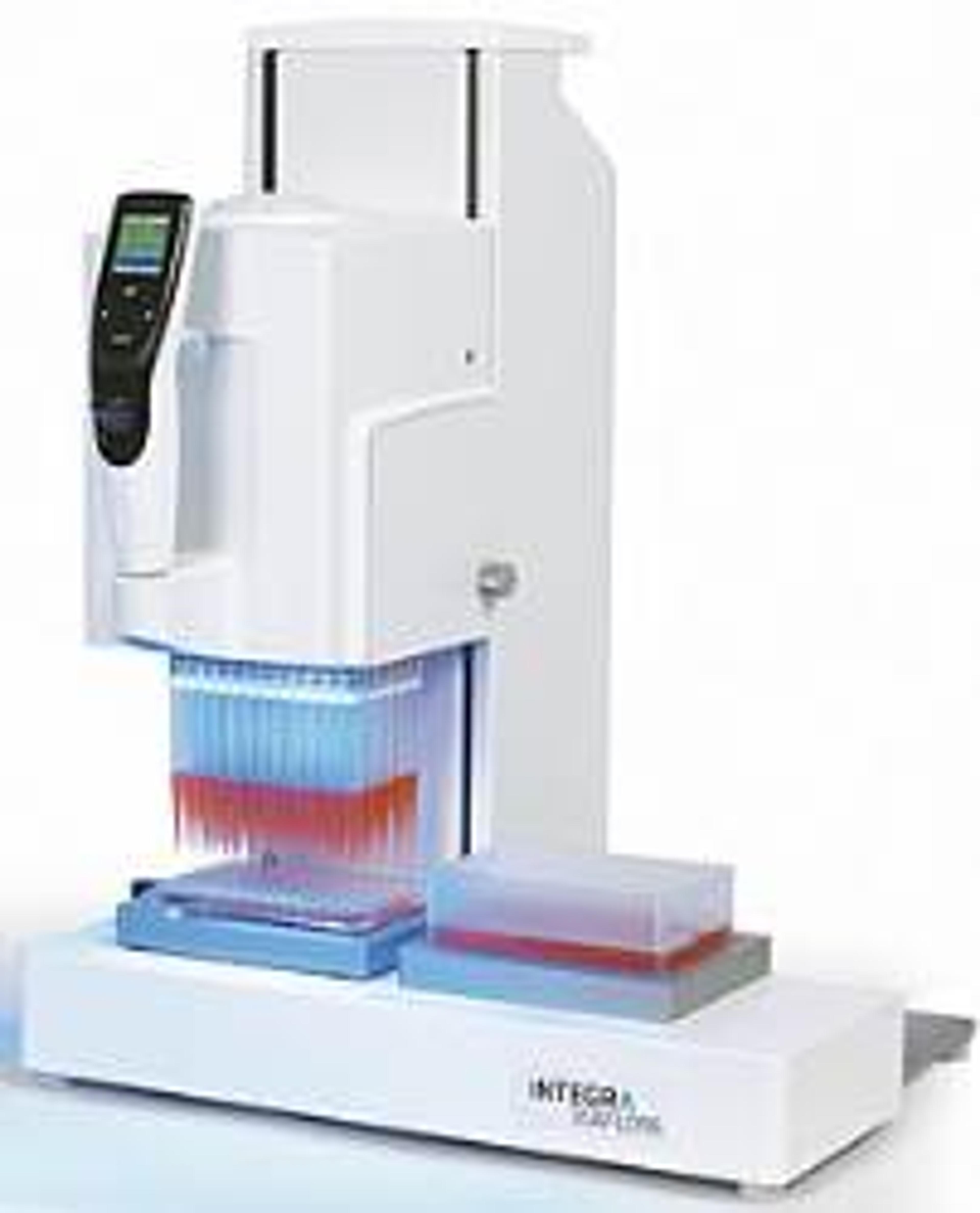
VIAFLO 96 – Electronic 24 and 96 Channel Handheld Pipette
INTEGRA BiosciencesVIAFLO 96 increases productivity of sample preparation in microplates. It is used like a standard handheld pipette. It is hand-controlled but movements are supported by motors for an effortless workflow and precise targeting of the microplate wells. The working volume range of VIAFLO 96 can be quickly adapted to the application’s requirements by changing the pipetting heads. The 24 channel heads are available in the volume ranges 10-300 µl and 50-1250 µl and the 96 channel heads in the volume ranges 0.5-12.5 µl, 2-50µl, 5–125 µl, 10–300 µl and 50–1250 µl. VIAFLO 96 benefits from the innovative GripTip system. The special pipette tips, together with the unique tip fitting, form an integral system. It guarantees tips will not fall off during pipetting and provides a reliable sealing of every tip. VIAFLO 96 can be used for sample transfers from reservoir to plate, plate to plate or within plates. Features and Benefits: • VIAFLO 96 is used like a handheld pipette and has an intuitive user interface, freeing staff from training time. • Pipetting heads can be changed for an optimal instrument adaption to different volume ranges, increasing accuracy and precision. • The innovative GripTip system provides a reliable sealing of every tip and guarantees that tips will never fall off, providing safe and reproducible assay preparation. • Various pipetting modes are available for increased productivity and application customization.
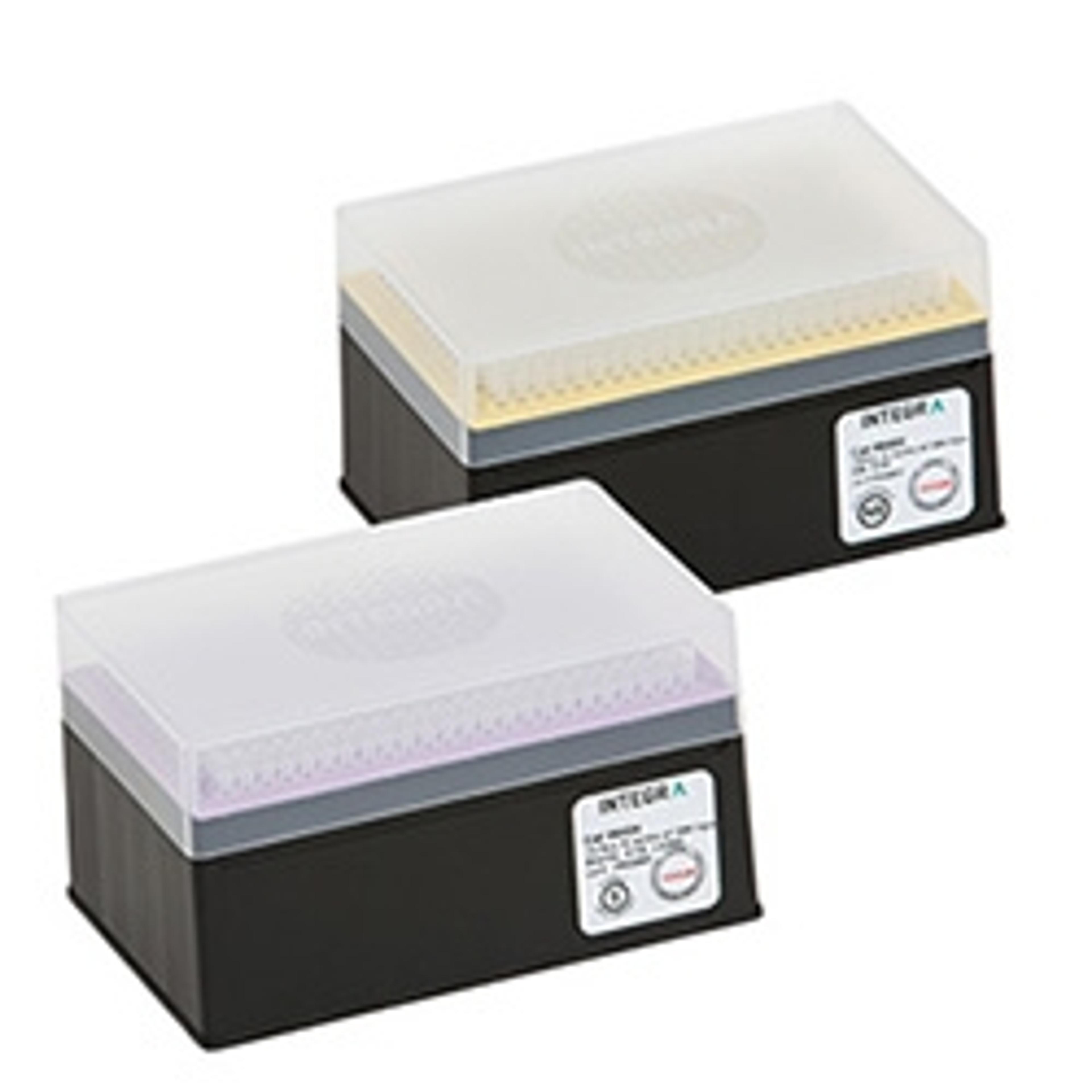
GripTips for VIAFLO 96/384
INTEGRA BiosciencesWhen working with a 96- or 384-channel system such as the VIAFLO 96/384, it is essential that the pipette tips are reliably attached. Due to the unique design, the GripTip system ensures that the tips will never accidently fall off, even when performing a tip touch on the sidewall of a vessel. Pipetting with multiple channels into a well plate is a precision task. GripTips for VIAFLO 96/384 undergo an additional quality check for tip straightness, guaranteeing accurate pipetting in 96- and 384-well plates. Depending on the tip size, GripTips are packaged in two different tip boxes. Larger volume GripTips (300 µl, 1250 µl) are delivered in boxes of 96 tips. The smaller volume GripTips (12.5 µl, 125 µl) are filled in a space efficient 384-fold grid in XYZ boxes. These boxes house 4 times as many tips and feature the standard SBS-footprint. All tips are available in non-sterile, sterile or filtered sterile configuration. Features and benefits: • GripTips snap onto the tip fitting of the pipetting head, which prevents tips from falling off. • An additional quality check ensures that pipette tips are perfectly straight, enabling precise pipetting in multi well plates. • Filtered GripTips reliably protect the pipetting head against contaminations caused by aerosols.