
Webinar Highlights: ddSEQ Single-Cell Sequencing Technology and Applications
3 Nov 2017Expert insights
In a recent webinar, Adam Bemis, MSc, MBA, field applications scientist at Bio-Rad Laboratories, presented the key benefits and applications of single-cell sequencing. Participants learned more about single-cell sequencing workflows and ddSEQ technology.
The webinar was aimed at scientists working in the fields of oncology, stem cells, developmental biology immunology, single-cell gene expression and inherited disease (i.e. Crohn's disease in the gut) and is now available on demand for those who missed the live online event.
The key topics covered included:
- Which applications single-cell sequencing is used for
- The type of technology used in single-cell sequencing
- The complexity of the single-cell sequencing workflow
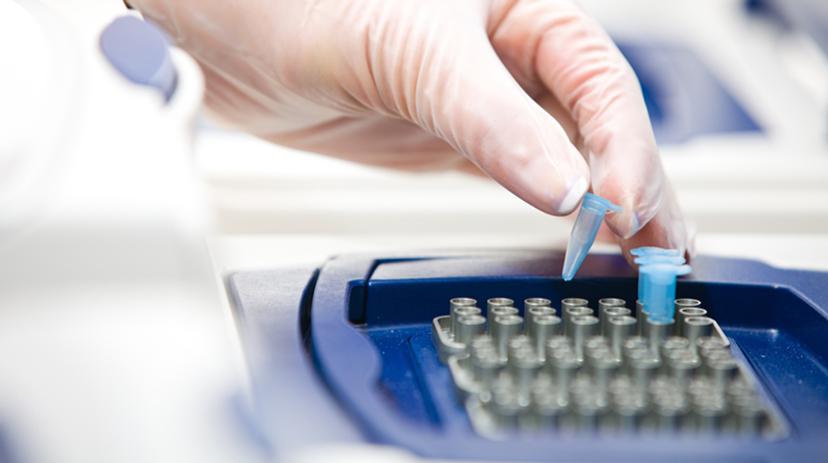
The webinar explores single-cell sequencing workflows and ddSEQ™ technology
Here are the highlights from the Q&A session with Adam Bemis:
Q. What is the significance of studying solid tumor heterogeneity?
I wouldn’t say that it was limited to single-cell analyses. This is an important question in droplet digital PCR too, over the past few years it has become increasingly apparent that, within a biopsy, you have very different clonal cell populations and quite often a patient can be responding well to a certain type of chemotherapy and then quickly they might incorporate some kind of resistance, where the cells in that tumor are rapidly evolving to survive and resist against that type of chemotherapy. So this is a great point where if you were doing bulk sequencing you might not be able to tease out that answer as effectively as if you were doing single-cell analyses where you are looking at the expressions patterns of each individual cell within that biopsy.
Q. You mentioned about the number of reads and about rational cell sorting, do you have any other advice regarding cell sorting for sequencing in retinas, both human and murine?
The Macosko paper is a good example where they were using retinal cells. The best strategy is to link up with other labs using similar methods for sorting.
Q. What is the smallest size of cell which you can use for ddSeq?
The smallest is OK, it’s really at the upper end which is really a matter of 'real-estate'. So, if you have really big cells, they are going to take up a large percentage of the droplet. At the low end, if you’re going to be doing fly neurons then I’d say that it is absolutely no problem, it should work just fine. The most important thing is making sure that you have truly single cells and that they are viable, trying to hit above 95% viability if you can and making sure that you’ve counted them appropriately.
Watch the full webinar on demand.
Find out more about Bio-Rad ddSEQ™ technology
Do you use any of the technologies mentioned in this webinar? Write a review today for your chance to win an Amazon voucher worth $400 or an iPad.
Related products
Request Quote for All Products
ddSEQ™ Single-Cell Isolator
Bio-RadThe ddSEQ Single-Cell Isolator is part of the Illumina® Bio-Rad® Single-Cell Sequencing Solution, a platform that brings Bio-Rad's Droplet Digital™ technology and Illumina's market-leading sequencing expertise to single-cell gene expression studies. The ddSEQ Single-Cell Isolator works with the Illumina® Bio-Rad® SureCell™ WTA 3' Library Prep Kit for the ddSEQ™ System. This technology utilizes disposable microfluidic cartridges to coencapsulate single cells and barcodes into subnanoliter droplets, where cell lysis and barcoding occur. RNA-Seq libraries are subsequently prepared and sequenced. Analysis is conducted via BaseSpace. Features and Benefits Process hundreds to tens of thousands of cells per day Sensitive and unbiased characterization of transcriptional signatures Scalable solution to accommodate a wide range of experimental designs Agnostic to mammalian cell size, enabling unbiased profiling of diverse cell populations End-to-end single-cell sequencing solution with simple, powerful data analysis Applications and Uses Assess cell-to-cell heterogeneity and identify new sub-populations Map cell trajectories Dissect transcriptional mechanics Infer gene regulatory networks Neurology research — normal brain function, neurological disease and psychological disorders Immunology research — B Cell and T Cell subunit functional analyses Cancer research — studies of cellular expansion of clonal cells in tumors and mutations that lead to differences in gene expression and drug response Stem cell research — studies to better understand development and differentiation, including reverse engineering tissues Included Components ddSEQ Test Cartridges ddSEQ Cartridge Holder ddSEQ Single-Cell Isolator Power supply and power cord User manual and product documentation