

The role of AI and machine learning in the modern laboratory
CLINICAL24
Artificial Intelligence (AI) and machine learning (ML) are rapidly becoming foundational technologies in the modern diagnostic laboratory, enabling faster, more accurate, and scalable analysis of increasingly complex datasets. These tools are transforming multiple domains of laboratory medicine:
- Digital Pathology: ML algorithms can detect subtle histopathological patterns in whole‑slide images (WSI) and radiology scans, identifying early signs of cancer or rare disease phenotypes that may be overlooked by human interpretation.
- Molecular diagnostics: Advanced models analyze genomic, proteomic, and metabolomic data to uncover actionable biomarkers, predict drug response, and guide precision oncology and personalized medicine strategies.
- Clinical workflow automation: AI‑driven platforms streamline sample tracking, quality control, and data integration across diverse instruments and Laboratory Information Management Systems (LIMS), improving reproducibility and throughput.
- Predictive analytics: By leveraging multi‑omics datasets, electronic health records (EHR), and real‑time lab data, machine learning supports risk stratification, disease progression modeling, and clinical decision support.
These innovations are not intended to replace laboratory professionals but to augment expertise, enhancing efficiency, reducing variability, and increasing the clinical impact of diagnostics. Responsible implementation, guided by ethical AI principles, data privacy regulations, and transparent validation protocols, is essential to ensure trust and patient safety.
As laboratories embrace AI and ML, they are paving the way for connected, data‑driven healthcare ecosystems, where diagnostics become more predictive, personalized, and globally accessible. Explore this SelectScience CLINICAL24 feature, designed to highlight the latest technology solutions available to Biomedical Scientists in the NHS, Medical Laboratory Scientists in US healthcare, and clinical laboratories around the world, to learn more.

AI in a hematology analyzer? How HORIBA is reimagining early sepsis detection
In sepsis, the delay of even one hour in diagnosis can mean the difference between life and death. In this exclusive hematology interview, Shubham Rastogi, Medical Field Leader at HORIBA, discusses how a standard blood test powered by artificial intelligence (AI) has the potential to flag the risk before symptoms even appear. An insightful read for hematology laboratory scientists and clinicians.
Read HORIBA hematology article
Transforming Lyme disease diagnosis through AI-powered testing
Holly Ahern of ACES Diagnostics introduces a machine learning immunoassay for Lyme disease with over 95% early-stage accuracy. Designed for clinical labs, it surpasses traditional serology, enabling timely treatment and preventing chronic illness. Broad accessibility and insurance compatibility position this innovation to transform tick-borne disease diagnosis and management.
Watch Lyme disease video
AI-driven prognostics for traumatic brain injury
Dr. Frank Peacock, Baylor College of Medicine, discusses the evolving role of blood biomarkers GFAP and UCH-L1 in ruling out the need for CT scans after head trauma, highlighting their limitations in trauma centers and potential in urgent care settings. He explores the regulatory challenges, the promise of point-of-care testing, and how AI and machine learning are helping predict outcomes like sepsis and long-term brain injury symptoms.
Watch clinical expert video
How AI is driving the future of flow cytometry and regenerative medicine
In this interview, Dr. Vasiliki E. Kalodimou, Director of the Flow Cytometry–Research and Regenerative Medicine, reflects on her lab’s progress over the past year, from high-parameter flow cytometry to stem cell-based regenerative applications, and highlights how artificial intelligence (AI) is transforming workflows and driving clinically actionable insights in both research and patient care.
Read stem cell interview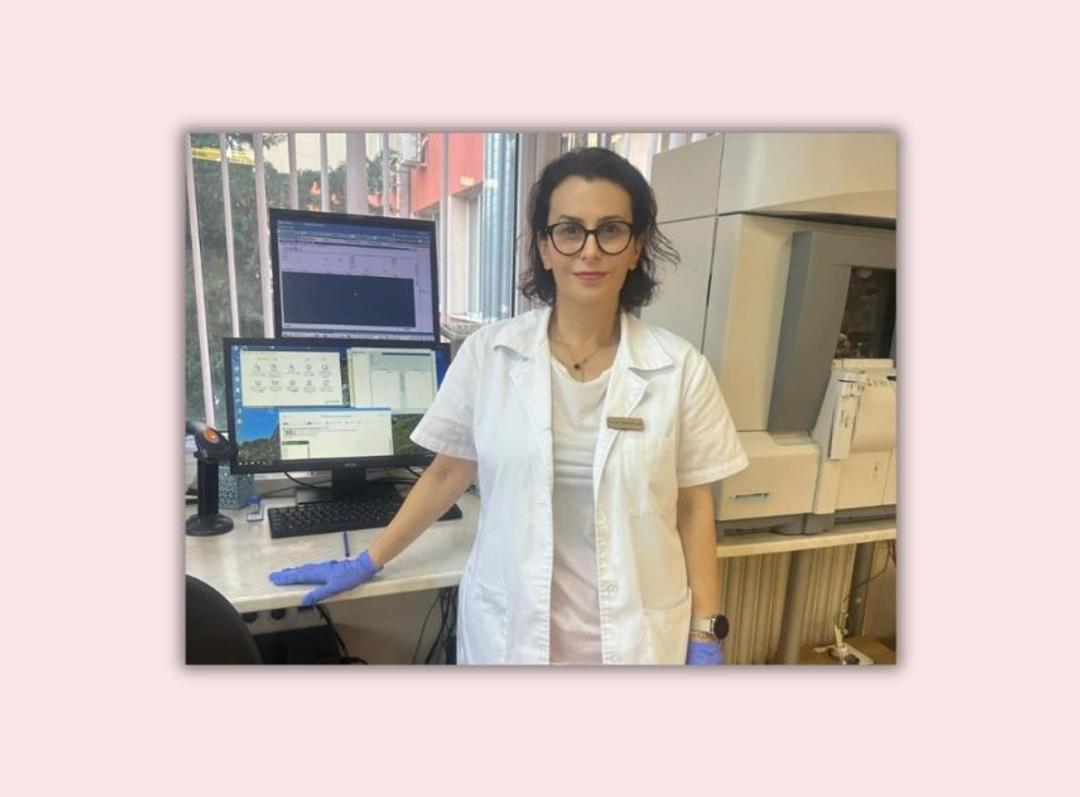
AI, robotics, and the next frontier in medical testing
In this exclusive interview, Dr. Irena Ivanova discusses her clinical work and shares insights from AI training highlighting the integration and oversight of AI in healthcare. Learn how she envisions a future where robotics and AI streamline laboratory processes while maintaining the essential human element of empathy in patient care.
Read full AI interview
Training AI to accurately identify biomarkers in tumor biospecimens
Digital pathology is a rapidly growing field and key to this growth has been the development of Whole Slide Imaging (WSI). In this guest editorial with experts from BioIVT, learn how WSI paired with artificial intelligence (AI) and machine learning models have opened new doors for image analysis leading to innovations in biomarker identification and diagnostic development.
Read digital pathology articleRelated resources


Frequently Asked Questions (FAQ)
What is the role of artificial intelligence (AI) and machine learning (ML) in modern clinical laboratories?
AI and ML enable faster, more accurate analysis of complex datasets, supporting diagnostics, workflow automation, and predictive modeling in clinical and research laboratories.
How is AI used in digital pathology?
Machine learning algorithms can analyze whole-slide images and radiology scans to detect subtle disease patterns, improving diagnostic accuracy and reducing interpretation time. AI has already completely transformed the pathology lab for laboratory scientists over the last few years.
What impact does AI have on molecular diagnostics?
AI-driven tools process genomic, proteomic, and metabolomic data to identify biomarkers, predict treatment responses, and support precision medicine strategies.
Can AI improve laboratory workflows?
Yes. AI automates sample tracking, quality control, and data integration across instruments and Laboratory Information Management Systems (LIMS), enhancing efficiency and reproducibility.
Does AI replace laboratory professionals?
No. AI and ML are designed to augment human expertise, not replace it. They help reduce manual workload and improve decision-making while maintaining professional oversight.
What are the challenges of implementing AI in clinical labs?
Key challenges for laboratory managers and clinical scientists include data privacy compliance, algorithm validation, integration with existing systems, and ensuring ethical use of AI technologies.
How does AI support personalized medicine?
By analyzing multi-omics data and patient records, AI helps tailor treatments to individual profiles, improving outcomes and reducing unnecessary interventions.