Industry News
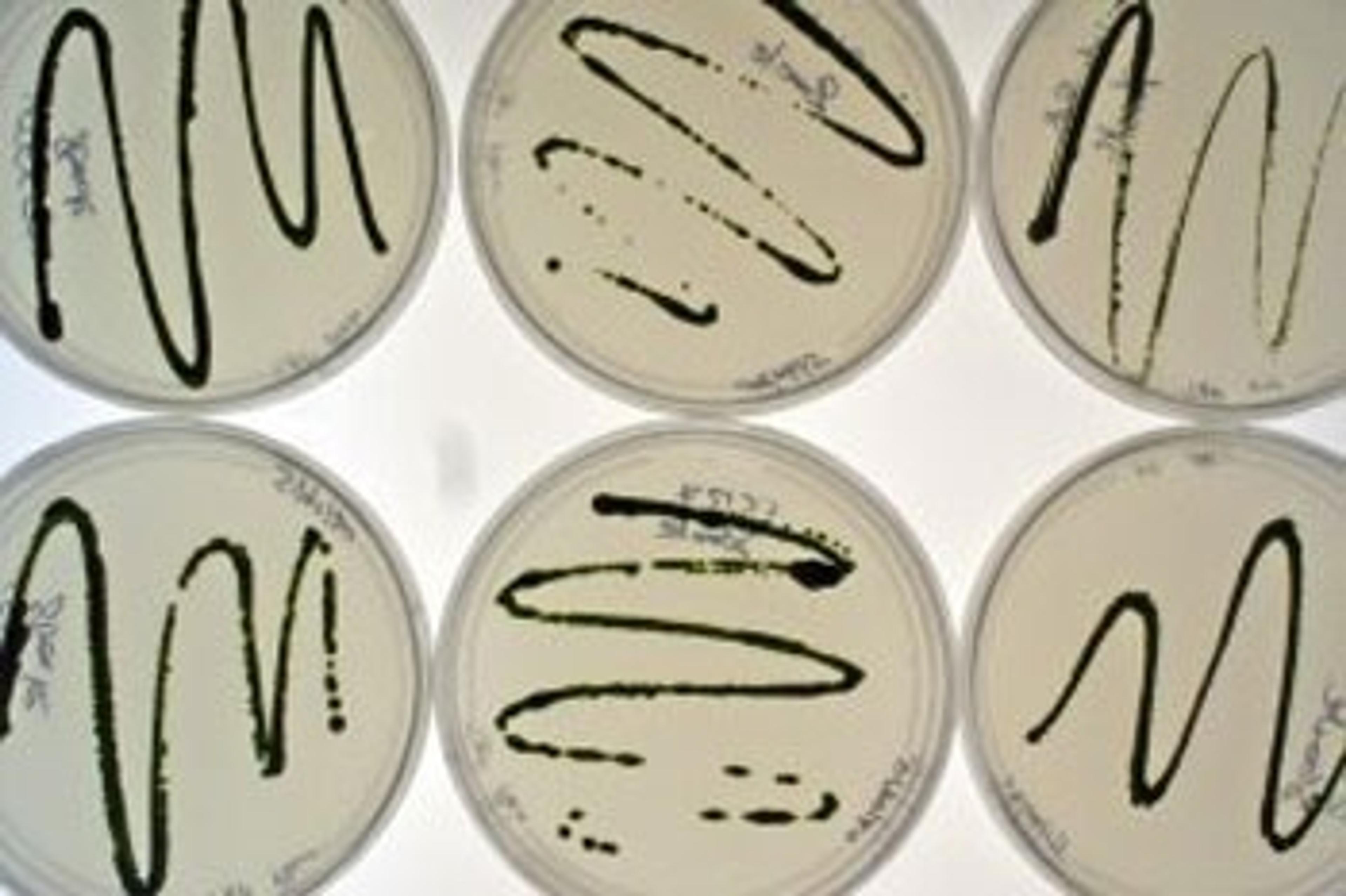
Nature’s Antifreeze Inspires Revolutionary Bacteria Cryopreservation Technique
The findings could radically improve storage and transportation of human organs, food and medicine – and advance laboratory research

The findings could radically improve storage and transportation of human organs, food and medicine – and advance laboratory research
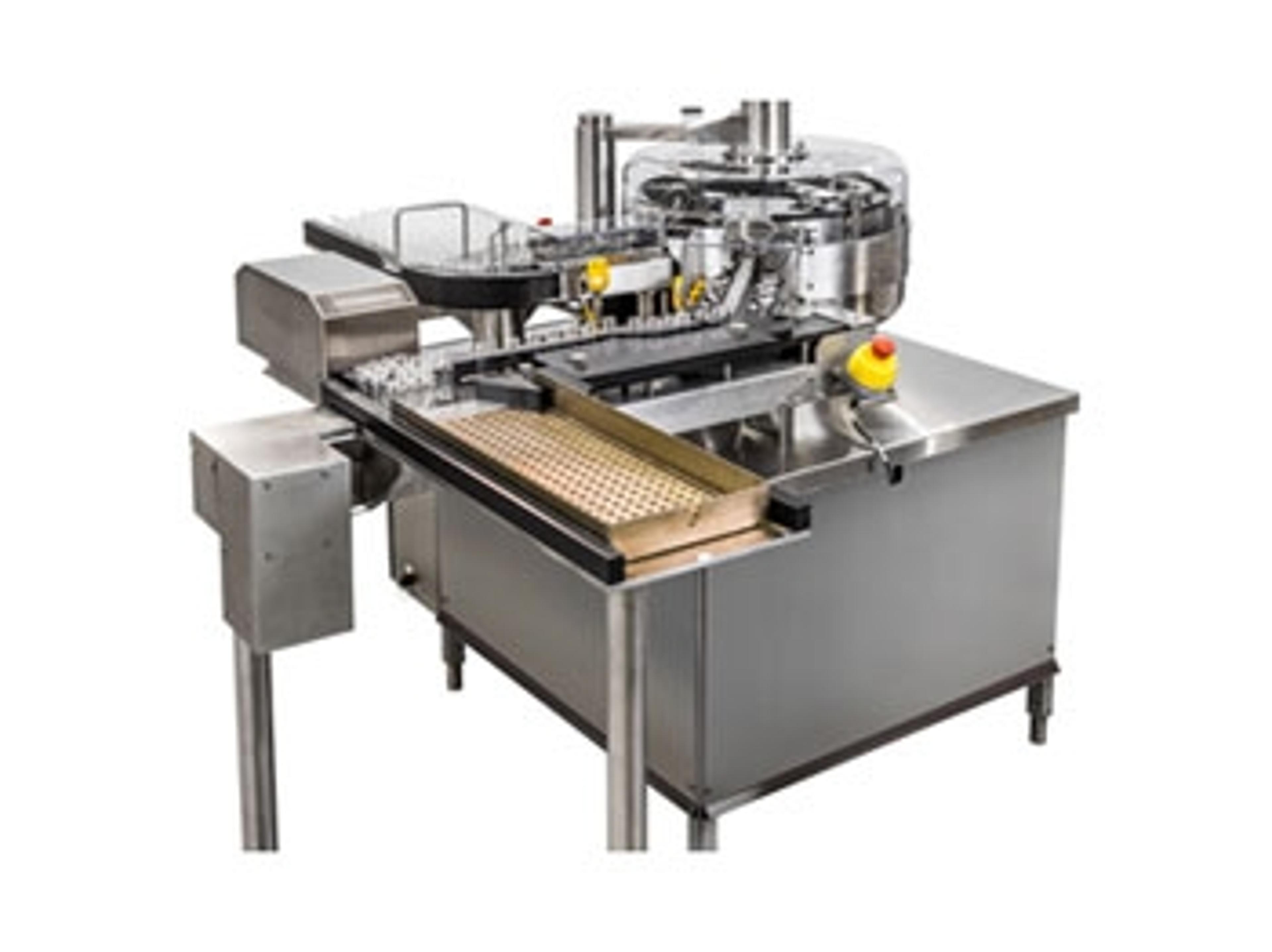
SP PennTech has announced the RW-500 rotary vial washer – a small automated system designed for low-to-medium output pharmaceutical and biotech applications
Funding announced for the EU research project iConsensus
By partnering with WCRF, SCIEX supports research that benefits cancer patients
Discover the Scientists' Choice Award nominee Atellica Solution at AACC July 29 - August 2, 2018
Discover the innovative technologies at the center of metabolomics research
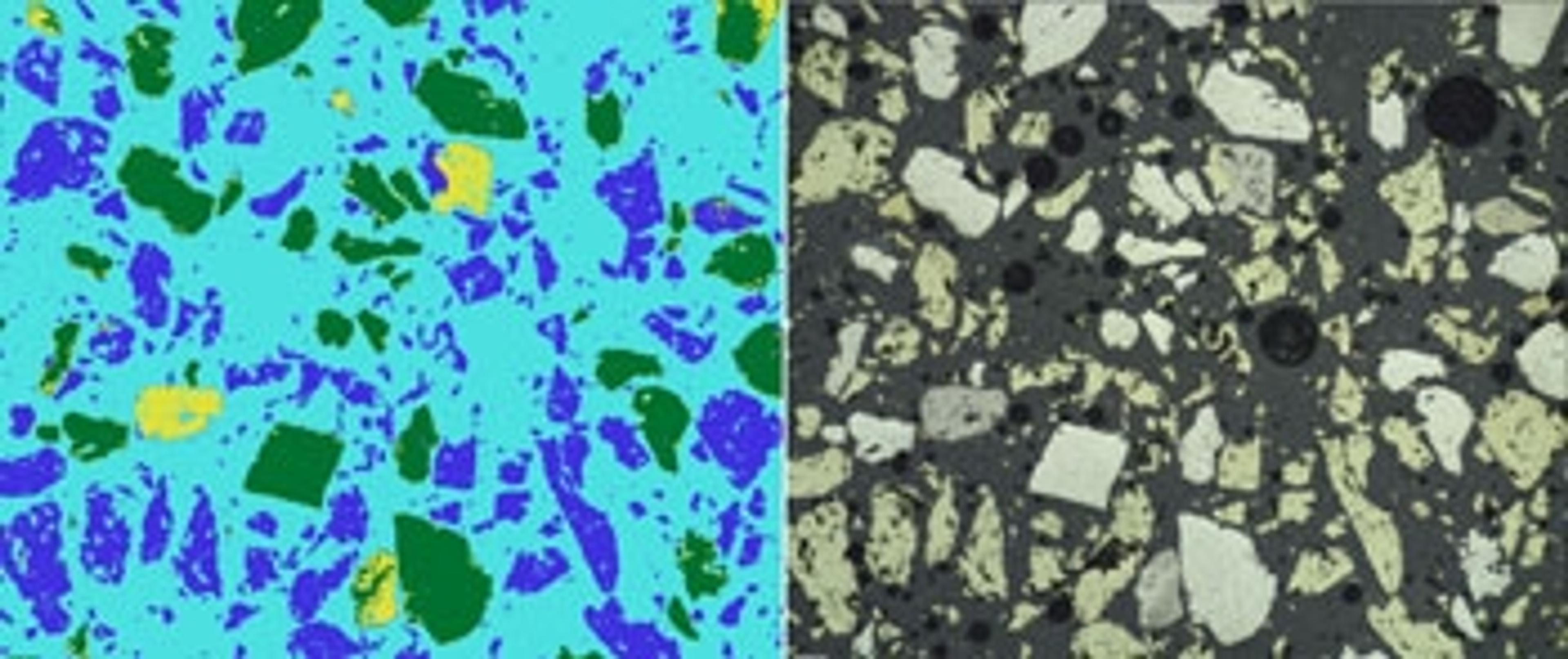
First ZEISS ZEN Intellesis solution enables segmentation of correlative microscopy datasets
Algenuity launches multidisciplinary renewables biosynthesis project under Horizon 2020 programme
New product’s advanced technologies enable flexible, reliable analysis of a broad range of sample types
Find out how researchers are applying spectrometry techniques to produce robust crops in this expert webinar
The new fund will finance high-risk, high-reward ideas to drive innovation
Brightest white light engine now offers broadest spectral range
ScreenIn3D to offer platforms for personalized cancer treatment
Learn how a lab in the US is using cell culture methods to enhance the effectiveness of virus-like particles (VLPs) as novel vaccines against filoviruses
A laboratory in the US is using advanced imaging to decipher the role of a ‘double-agent’ protein in breast cancer, and to help develop drugs targeted at disrupting its function
New study suggests diagnosis and management of patients with viral meningitis is sub-optimal
CRISPR-Cas9 found to induce p53 expression in cells
ALS Environmental announces that it is now able to analyze samples for cryptosporidium and giardia at its Wakefield laboratory
NESDEP detects pathogens in less than 90 minutes, and aims to provide significant cost savings whilst reducing the incidence of foodborne illnesses