What labs need to know about the DxH 900 Hematology Analyzer performance under tighter proficiency testing limits
Guest editorial by Eric Pabon, MBA Senior Manager, Global Product Marketing Hematology, Beckman Coulter
1 Apr 2026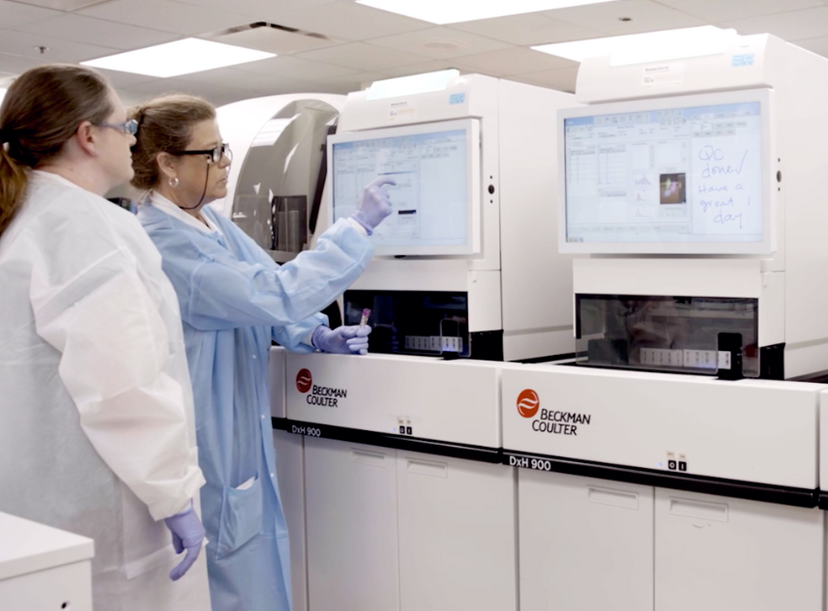
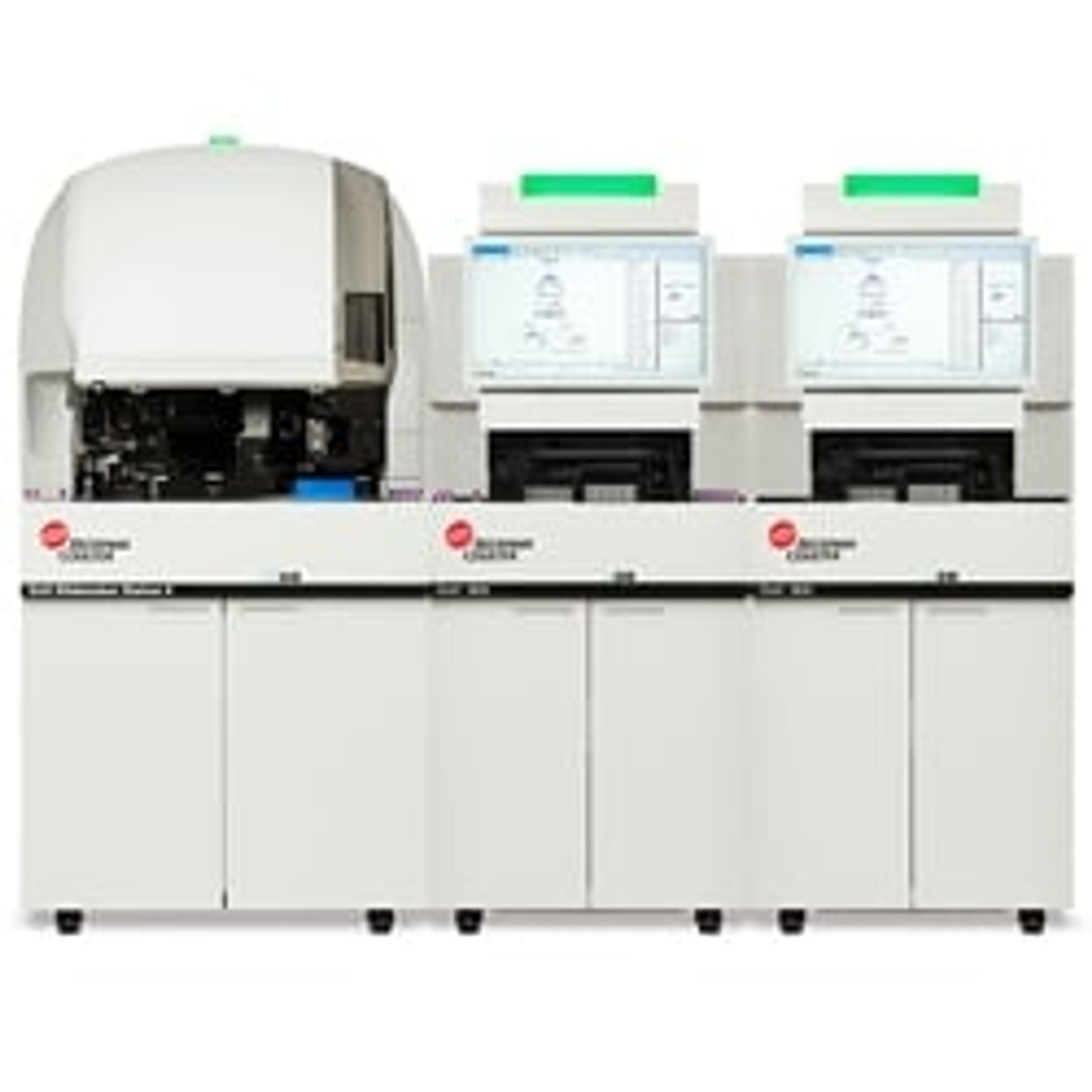
The DxH 900 Hematology Analyzer from Beckman Coulter
New CLIA 2024 proficiency testing (PT) limits are narrowing acceptable error ranges for key hematology parameters1. As these limits tighten, many laboratories are asking a practical question: can their analyzers consistently perform within these smaller margins?
For years, PT performance was relatively predictable. Most laboratories expected to pass proficiency testing, and in most cases, they did. However, with updated criteria tightening acceptable ranges for several CBC parameters, that assumption is beginning to shift.
Recent data has indicated that Beckman Coulter’s DxH 900 Hematology Analyzer has a high probability of achieving Six Sigma performance in proficiency testing under evolving PT limits2. Strong analytical precision and bias control help reduce the likelihood of results falling outside stricter PT limits, supporting more consistent analytical performance over time.
Why proficiency testing standards are evolving
Many current PT criteria were established in the early 1990s, when laboratory instrumentation and workflows looked very different. Automation was more limited, and analyzers were less precise than today’s systems.
Since then, hematology analyzers have advanced significantly. Precision has improved, workflows have become more standardized, and automated systems now handle far greater testing volumes. The benchmarks used to judge performance, however, remained largely unchanged.
Updating PT limits helps align regulatory expectations with the capabilities of modern laboratory technology. These updates are also part of broader regulatory changes highlighted by the Centers for Medicare and Medicaid Services (CMS), including revisions to laboratory quality systems and performance requirements1.
What tighter limits mean for laboratories
Several core CBC parameters, including hemoglobin, hematocrit, RBC, and WBC, now fall under narrower allowable error limits. The fundamentals of proficiency testing remain the same. Laboratories still process PT samples as they would patient samples, document procedures, and investigate unacceptable results. What has changed is how closely results are evaluated against those targets.
With less room for variation, consistent analytical performance becomes more important. Rather than focusing only on individual PT events, many laboratories are beginning to examine whether their analyzers can reliably operate within these limits over time. This shift is also prompting greater interest in tools that help quantify and monitor analytical performance.
Evaluating performance with Sigma metrics
Sigma metrics are gaining attention as a way to evaluate analytical performance. They combine bias and imprecision into a single measure of method capability and help determine whether an analyzer can reliably remain within defined performance limits as proficiency testing criteria become more demanding.
The DxH 900 Hematology Analyzer has demonstrated strong Sigma performance across several key hematology parameters when evaluated under both current and anticipated PT limits2. Higher Sigma capability translates to a greater probability of remaining within acceptable ranges during proficiency testing events.
Instruments operating closer to Six Sigma produce fewer defects per million opportunities. In the laboratory, this can mean fewer QC failures, fewer investigations, and lower risk of PT challenges.
Supporting ongoing quality monitoring
While strong analytical performance supports PT success, continuous quality monitoring remains important.
Beckman Coulter’s electronic Interlaboratory Quality Assurance Program (eIQAP BEC) provides laboratories with an additional layer of oversight by enabling comparison of QC results with peer laboratories running the same control lots.
Through the Hematology IQAP program, laboratories can submit QC data and compare results with similar laboratories using the same instrumentation. Interlaboratory comparison can help identify analytical shifts earlier, before they affect patient results or PT performance.
Performance expectations are changing
Tighter proficiency testing limits are raising the bar for analytical performance in hematology. Passing a PT event is no longer the only measure of success. The ability to deliver consistent results within narrower acceptance ranges is becoming equally important.
Sigma metrics offer one way to evaluate that capability by combining bias and imprecision into a single measure of analytical reliability. When paired with tools that support ongoing quality monitoring, they help identify analytical shifts earlier and maintain confidence in day-to-day results.
In this environment, sustained analytical performance is becoming a defining measure of quality in hematology testing.
References
1. Medical Laboratory Observer. Have You Heard About the Other Major Regulatory Change This Year? 2025.
2. Westgard QC – Six Sigma Evaluation of Hematology Analyzers, August 2025. https://westgard.com/resources/resources/performance-hematology-instruments.html