
Webinar Highlights: Analysis of Emerging Contaminants

Part II: Emerging Contaminant Studies in Environmental Biotechnology Using High Resolution LC-MS

3 Jul 2016
Alex Waite
Editorial Assistant

Editorial article


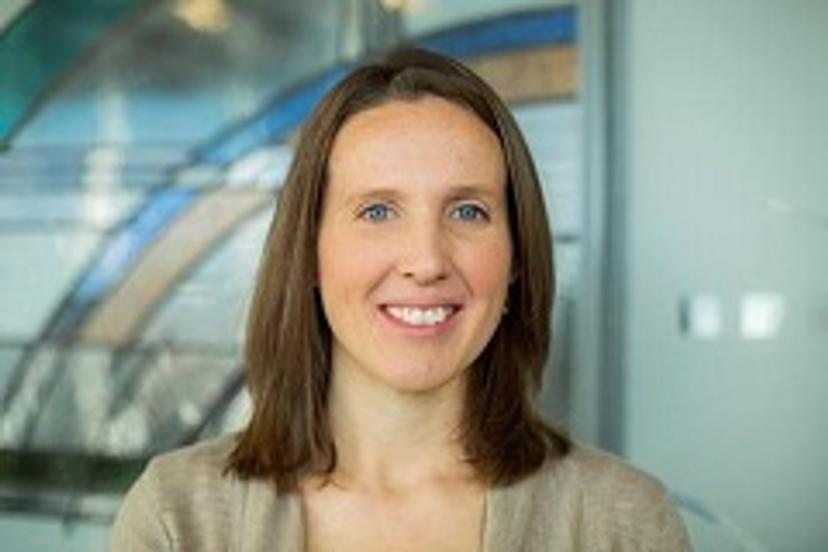
Dr Krista Wigginton, Assistant Professor at the Department of Civil and Environmental Engineering, University of Michigan
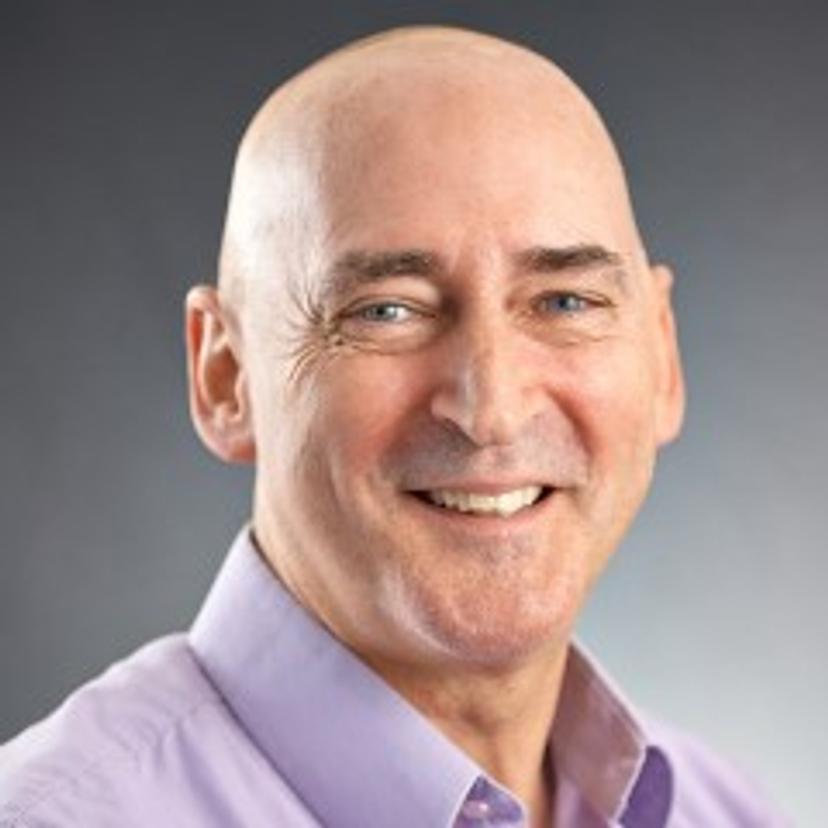
Dr Richard Jack, Senior Director of Environment and Industry at Thermo Fisher Scientific 

In this webinar, Dr Krista Wigginton from the Department of Civil and Environmental Engineering, University of Michigan and Dr Richard Jack, Thermo Fisher Scientific, discussed how LC-MS is used to understand the chemical fate of small molecule pollutants, such as waterborne viruses, in drinking water and wastewater treatment processes, and how the Thermo Scientific EQuan can benefit these analyses. Read on for the summary of the Q&A session of the webinar, and if you missed it, watch the free, on-demand webinar here.

Q: Krista, you described the reactions that take place in the virus particles with photo chemical disinfection - has any work been done with other disinfectants like chlorine or chlorine dioxide?

A: I just covered the photochemical reactions today, but in the papers mentioned from 2012 and 2013 we were looking at other disinfectants. We looked at chlorine dioxide, some ozone work and chlorine. The protein reactions we detected were quite different to those detected with the MALDI-ToF and the Q Exactive. The single oxygen tended to be really specific where it interacted with the protein or the protein capsid, but chlorine reacted in lots of different regions of the capsid proteins.

One thing that was interesting with chlorine dioxide was chlorine in single oxygen and UV, those were primarily targeting the virus genomes, but chlorine dioxide targeted mainly virus proteins - we saw very little indication of genome reaction with chlorine dioxide. We could see each of the different disinfectants had a very different mechanism for deactivating the viruses.

Right now we are starting to work with chlorine to study the genome reactions. I presented here what was happening with single oxygen UV but we’re trying to look at what’s happening with the RNA genome with chlorine too. I think there’s a lot of interesting work with these other disinfectants.

Q: Why did you use Bacteriophage MS2 to study these reactions as opposed to real human waterborne viruses?

A: It’s easier to work with phage because you don’t have to worry about safety. It’s a good point that maybe they’re not always indicative of what would happen with a human virus, but especially for this research, we have to use some pretty high concentrations to study with mass spectrometry. It can be challenging with some human viruses to get to the stock concentrations that we can get to with MS2.

So we talk about virus concentrations in terms of Plaque Forming Units (PFU) per milliliter (mL), and with MS2 we can get to really high concentrations like 1014 PFU/mL. With a lot of human viruses, we can only get to 108 or 109 PFU/mL, and it’s very challenging to do this kind of mechanistic study with a mass spectrometer with these concentrations, unless we were to concentrate for a really long time and produce a whole bunch of virus stock. So that’s the main reason.

Q: Krista, how do reactions measured by mass spectrometry in RNA compare to reactions in DNA?

A: There’s been quite a lot of work done with reactions in DNA in UV, and also with chlorine and ROS restive oxygen species, but not very much done on RNA.

I’ve read some work that was done with RNA in the 1960s and 70s before they were using mass spectrometry, they thought that hydrates formed to a much greater extent in RNA than they do in DNA, and I don’t think it’s really clear why that is. The biological significance of these hydrates isn’t clear yet but there’s definitely a difference in the reactivity in the kinetics of these reactions and also in the products in DNA compared to RNA.

Q: Krista, can the damage you detect in RNA by PCR or MS be repaired by the host cell?

A: No, for DNA viruses damage that is incurred with UV can be repaired by the host cell but not RNA viruses, there isn’t a mechanism that I’m aware of where the damage we detect with mass spectrometry or rtPCR can be repaired once the virus is within the host cell.

Q: Krista, is this method used for other biological contaminates as emerging contaminants?

A: Yes, people have been using mass spectrometry to study prions and to study cryptosporidium, as well as lots of different biological contaminants.

Q: Krista, could you used a mass spectrometry based technique to monitor for viruses in real waters?

A: I don’t think right now that it would make sense, because with the drinking water we have to get virus concentrations down to a few per liter. I don’t think mass spectrometry is the way to detect those kind of levels of biomolecules. We’d need to amplify those signals first through a culture based technique or a PCR based technique if you can’t culture them. I’m not suggesting we use these to measure pathogens in water, but it helps us understand how they behave in the environment, so I think that’s the more realistic use of this time.

Q: Krista, what was the benefit of high resolution mass spectrometry for measuring MDMA?

A: There probably wasn’t really a reason we needed to use high resolution mass spectrometry to study MDMA, this is just the instrument we have in the department. The nice thing about our set up is we have the EQuan MAX Plus system, which removed the need to do offline solid phase extraction (SPE). You can just put the drinking water samples directly on the instrument, then it would go all the way through the SPE, the analytical column and into mass spectrometer. We’ve got good detection levels. Maybe it’s a good point that high resolution isn’t critical for detecting some of these targeted contaminates, but it does as well, if not better.

Q: Richard, when do you need the EQuan System for MS detection?

A: The EQuan is really designed for large volume injection or large volume extraction. It really depends on your matrix as well, if you have a contaminate that’s trace and you have a dirty matrix - so a dirty matrix can be something like a wastewater or a surface water - you may have a lot of humic acids or oils or other contaminates you want to clean up. You can do that online with the EQuan system to make things a little bit easier to do than offline

What you can do is take up to 20 ml of water with one injection, concentrate that down, concentrate and clean up the matrix at the same time, prior to the injection to the chromatography system.

Q: Richard, is the EPA going to do something for regulations of these non-regulated contaminants?

A: EPA is always looking at new or emerging contaminants or contaminants of emerging concern. So for example, the EPA Office of Groundwater and Drinking Water has a process every five years where they get likely new compounds and they do a study across the United States and they look at the scope - how many utilities across the United States actually have a particular contaminant - and they look at the concentration. From that they would choose yes or no to make it regulatory determination.

Watch the full webinar on demand here, or find more exclusive content on the Water Contaminants Analysis page.

Do you use any of the products mentioned in this article? Is there a product you couldn’t live without? Share your experiences with our worldwide community and write a review today.

Tags

Sample PreparationSample preparation can improve the quality and speed of separation techniques. Products to assist sample preparation include filtration equipment, evaporators, membranes and sieves.LC-MSLC-MS (liquid chromatography-mass spectrometry) systems and equipment are used for separation and quantitative analysis of complex mixtures, combining liquid chromatography and mass spectrometry. Quantify proteins, contaminants, pesticides or screen for drug metabolites with a high level of sensitivity. LC-MS systems and equipment include reverse phase, normal phase and specialized columns integrated with various MS detectors such as time-of-flight (TOF), quadrupole, orbitrap or ion trap mass analyzers. LC-MS/MS instruments equipped with a qTOF or triple quadrupole analyzer give greater sensitivity and resolving power to your analysis. Find the best LC-MS equipment in our peer-reviewed product directory: compare products, check customer reviews and receive pricing direct from manufacturers.Mass SpectrometryMass spectrometry (MS) is a powerful analytical technique used to identify and quantify molecules based on the mass-to-charge ratio of gas-phase ions. It provides detailed information about the structure, composition, and properties of compounds and is widely used across fields such as environmental monitoring, materials science, drug discovery and development, food and beverage testing, and wider chemical research. Key MS techniques include tandem mass spectrometry (MS/MS), liquid chromatography–mass spectrometry (LS-MS) and inductively coupled plasma (ICP-MS). Choosing from these wide range of techniques and technologies can be a daunting task, so keep up to date with scientific applications, performance expectations, and customer reviews here all in one place. Visit our product directory to receive quotes direct from the manufacturer. UV-Visible SpectroscopyUltraviolet-visible (UV-Vis) spectrophotometers are used to measure the interaction of UV and visible light with a sample, including transmission, reflectance & absorbance. The two major instrument classes are single-beam or double-beam spectrophotometers. More specialized equipment includes colorimeters, spectroradiometers and refractometers. Portable and microvolume spectrophotometers are also available. For the modular spectroscopy lab, explore a range of light sources for combination with a spectrograph/spectrometer and optics. Find the best UV-Vis spectroscopy products in our peer-reviewed product directory: compare products, check customer reviews and receive pricing direct from manufacturers.MicrobiologyMicrobiology is the study of microorganisms including protists, prokaryotes, fungi, and, often, viruses. Microorganisms are a useful research tool as genetic vectors and, in immunology, for antibiotic susceptibility testing, cellular biology and genetics. Microorganisms commonly grow readily in incubators with microbial culture media; this can contain chromogenic supplements to differentiate between cell lines. Estimate your culture’s density of microorganisms with colony counters, or screen and select colonies for desirable clones with automated colony pickers. Additionally, equipment is available to monitor environments for the presence of microbes and identify with microbial identification instruments. Find the best microbiology products in our peer-reviewed product directory: compare products, check customer reviews and receive pricing direct from manufacturers.Sample ManagementSample management systems include sample storage devices such as freezers and plate storers, sample environment enclosures and sample organization, retrieval and sorter systems. Useful system features include high-throughput, automation, robotic arms, automated liquid handling and associated database systems. Accessories in sample management include barcode scanners, heat sealers and tubes.MALDI-TOF MSMALDI-TOF mass spectrometers (matrix-assisted laser desorption/ionization time-of-flight) are used for the mass analysis of large molecules, including proteins, DNA, polymers and other macromolecules due to its relatively soft ionization, reducing fragmentation whilst allowing fast data acquisition. Tandem mass analyzers such as TOF/TOF systems can be used to increase resolution and sensitivity of your analysis. Find the best MALDI-TOF products in our peer-reviewed product directory: compare products, check customer reviews and receive pricing direct from manufacturers.Environmental Monitoring and TestingEnvironmental monitoring and testing uses handheld portable analyzers, kits, spectrometers or chromatography systems for air, water, soil, food and other sample testing. Useful features of analyzers such as BOD and COD include portability, easy calibration, automation and sensitivity.  Environmental test kits for pH, water, moisture, etc, should be accurate, sensitive, reliable, fast and easy to use.Robotic InstrumentsRobotic instruments can be used for high-throughput automation of many lab processes. Such processes use instruments for assays like cell based assays and ELISA, for sample preparation like shakers, centrifuges and incubators, and for analysis such as sequencing and western blot analyzers. Useful features of robotic instruments include speed, reproducibility, barcode readers, software and automation.Clinical MicrobiologyMicrobiology is the study of microorganisms including protists, prokaryotes, fungi, and, often, viruses. Microorganisms are a useful research tool as genetic vectors and, in immunology, for antibiotic susceptibility testing, cellular biology and genetics. Microorganisms commonly grow readily in incubators with microbial culture media; this can contain chromogenic supplements to differentiate between cell lines. Estimate your culture’s density of microorganisms with colony counters, or screen and select colonies for desirable clones with automated colony pickers. Additionally, equipment is available to monitor environments for the presence of microbes and identify with microbial identification instruments. Find the best microbiology products in our peer-reviewed product directory: compare products, check customer reviews and receive pricing direct from manufacturers.Particle CharacterizationParticle characterization instruments are used to determine particle size distribution, shape, surface area, zeta potential, density and porosity of particles and materials. Multiple tecchniques are available for determining particle size, shape and count including dynamic light scattering (DLS), laser diffraction, electrozone (Coulter technique), imaging particle analysis and single particle optical sensing. Determine the density of your material with a gas pycnometer or examine its surface area and porosity with gas adsorption analyzers and mercury porosimeters. Find the best particle characterization instruments in our peer-reviewed product directory: compare products, check customer reviews and receive pricing direct from manufacturers.Water PurificationThere are a number of water purification methods available to remove contamination from laboratory water. These systems include demineralization, reverse osmosis, filtration and ultrafiltration. A combination of methods is sometimes necessary to achieve purified water suitable for use in experiments.RegulatoryPharmaceutical regulations impact on all areas of drug development, manufacture and control and supply. Services are provided from the early stages of drug development and clinical trials through to dossier submission, approval and marketing. Regulatory also includes submission of analytical studies from the pharmaceutical product and safety. Quality ControlQuality control is needed in all production processes. Quality control is a monitoring procedure or set of procedures that are put in place to ensure that a manufactured product adheres to a defined set of quality criteria. Waste Water