Video interviews: Cutting-edge research and technology in cancer, neuroscience, forensics and more

Meet the researchers making waves in science and learn about the technologies innovating their research

31 Aug 2020

Tom Casburn
Associate Editor

Editorial article

In this compilation of top video interviews, we take you behind the scenes and hear from scientists, clinicians, and laboratory experts around the world to learn about the latest innovations, technologies and techniques advancing their fields. Watch the clips below to discover the novel methods accelerating the development of personalized cancer therapeutics, explore the cutting-edge techniques unraveling brain chemistry, learn about the approaches deepening our understanding of aging and Alzheimer's disease, and much more!

How to detect cancer in vivo using nanoparticles
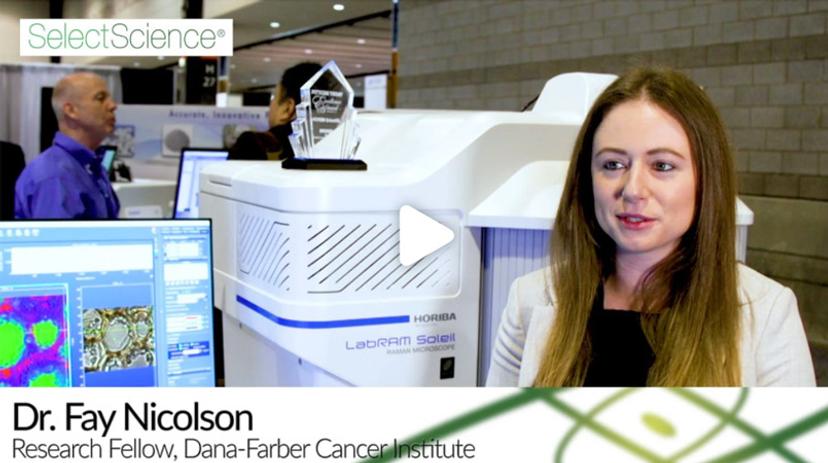
Dr. Fay Nicolson, from the Dana-Farber Cancer Institute and Harvard Medical School, shares how she uses nanoparticles to precisely image cancer in pre-clinical animal models and discusses how the new LabRAM Soleil from HORIBA Scientific ensures fast, reliable spectral information, with the promise of translating this technology into the clinic.

Breakthrough technology for rapid multi-element analysis
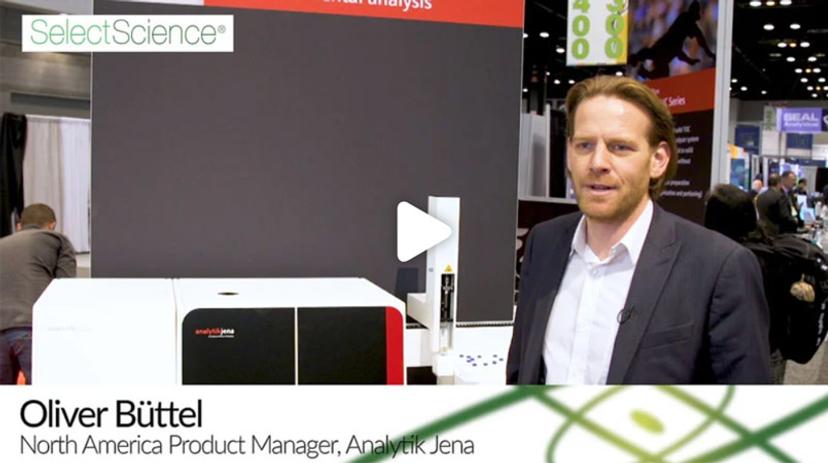
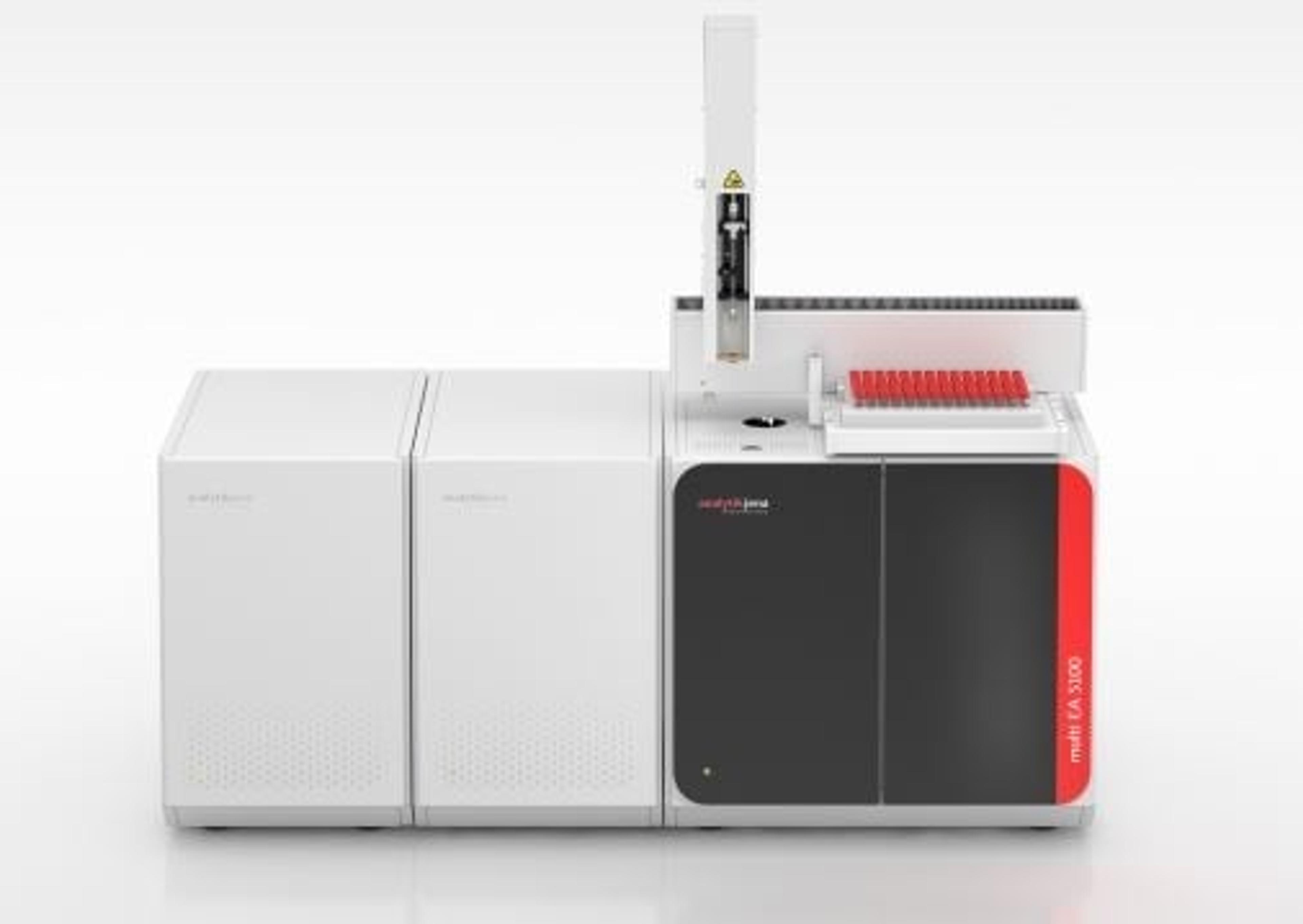
Oliver Büttel, from Analytik Jena, presents the new multi EA 5100, an elemental analyzer that is able to determine carbon, nitrogen, sulfur, and chlorine in solid, liquid and gaseous samples, and is designed to provide fast, high-throughput and highly sensitive analyses for applications across a variety of industries.

Gas analysis tools for safe pipelines, plants and city distribution grids
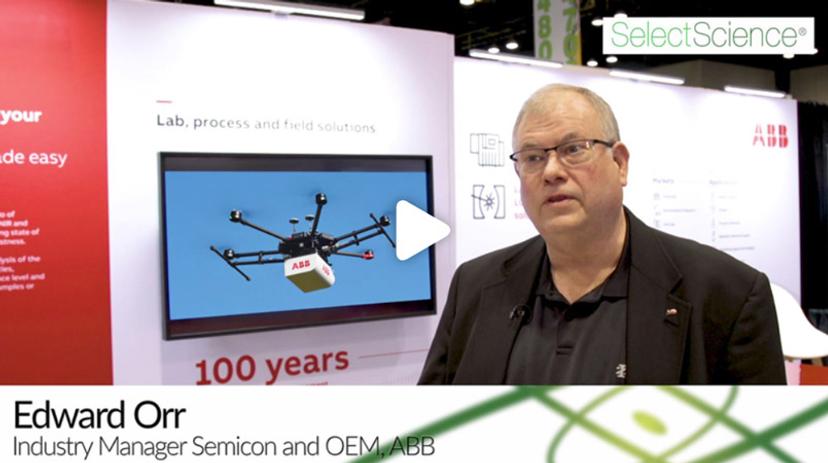
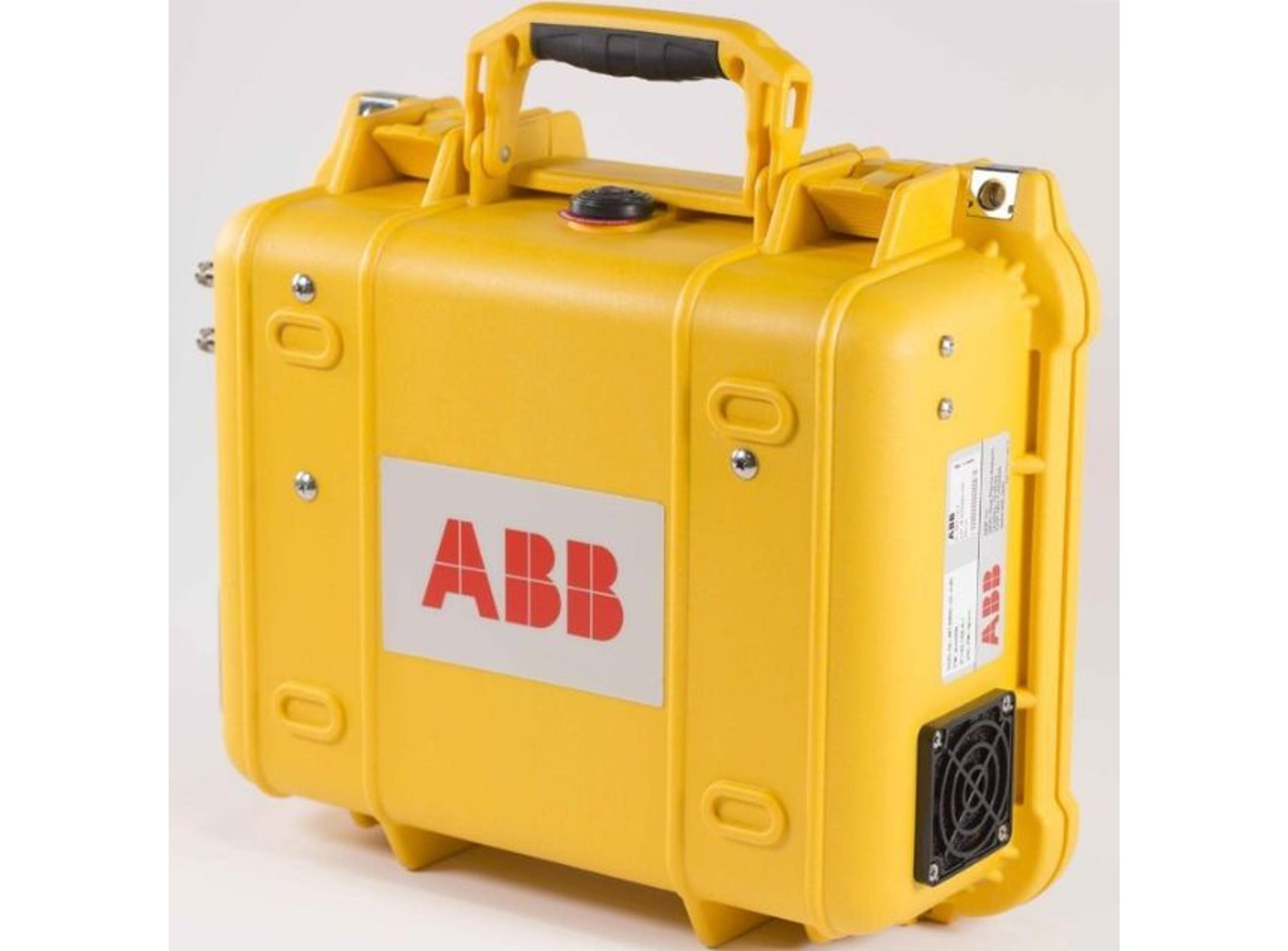
Ed Orr, Industry Manager Semicon and OEM, ABB, discusses the importance of effective gas leak detection for public safety and showcases two of its leading bench products. Orr outlines the advantages of ABB's ICOS battery-powered laser-based spectrometer for reliable methane analysis and explains how it can be carried by hand, driven around or even attached to a drone.

Infrared accessories: From forensics to food science, discover the tools for sampling success
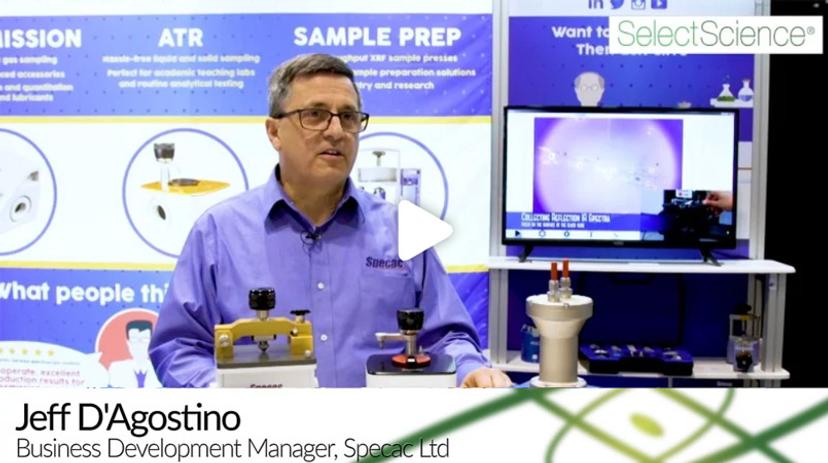
Jeff D'Agostino showcases Specac's three latest IR sampling accessories and explores their far-reaching applications for fields encompassing forensics, plants, adhesives and greenhouse emission analysis, as well as within oil and food industries.

Lower detection limits for trace metal analysis
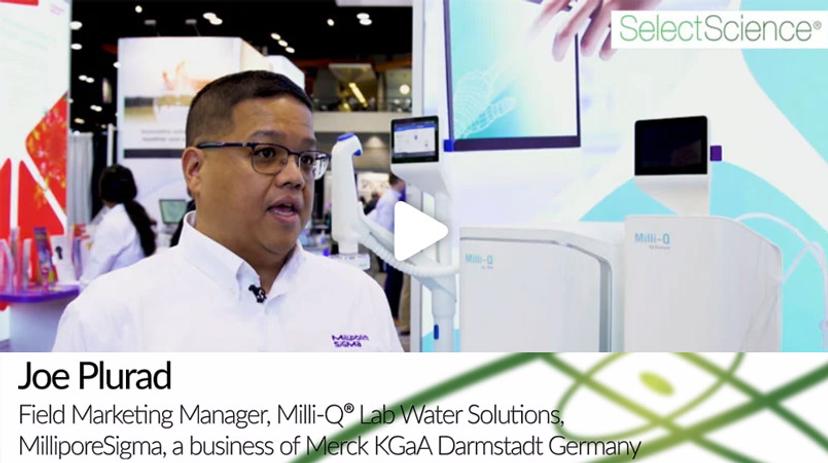
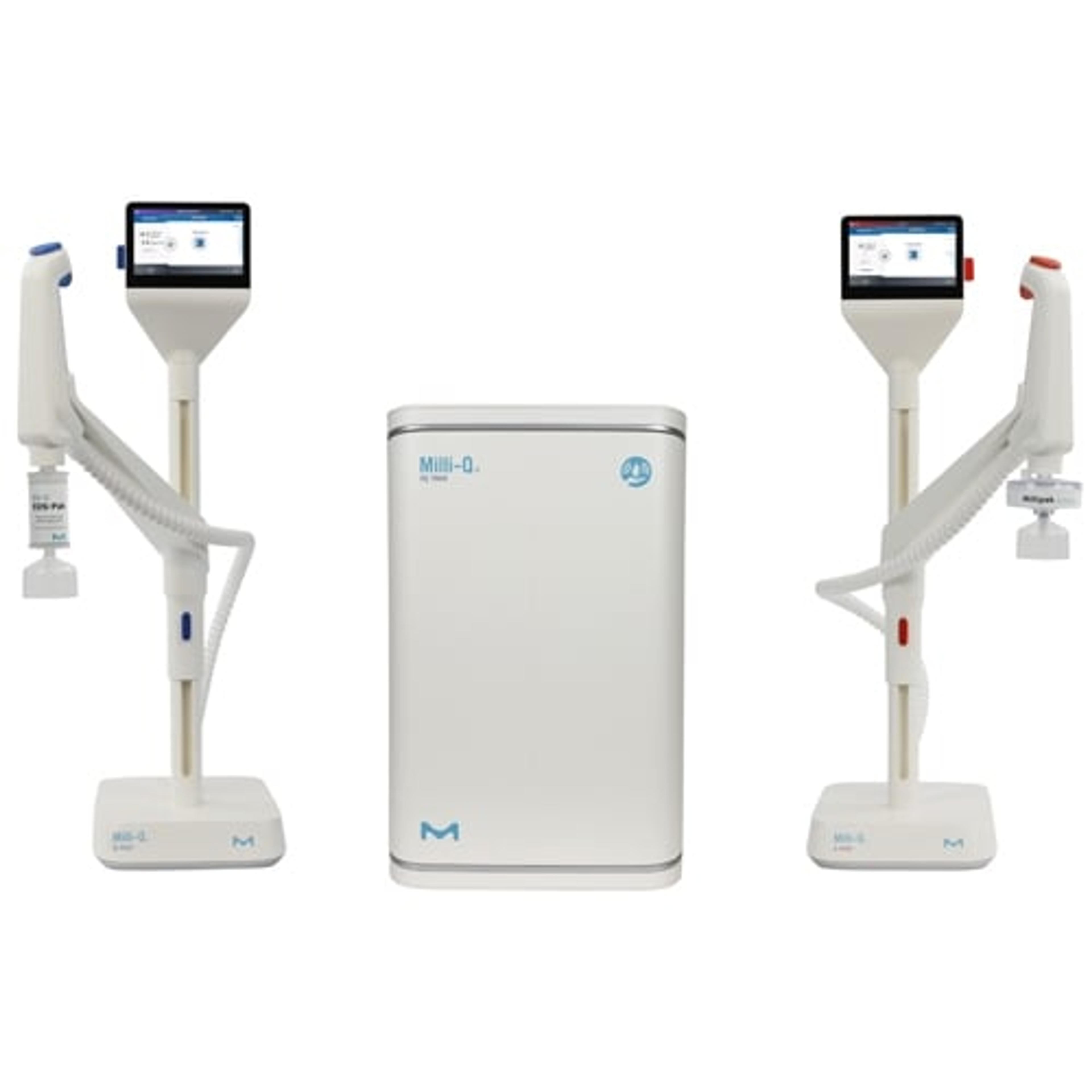
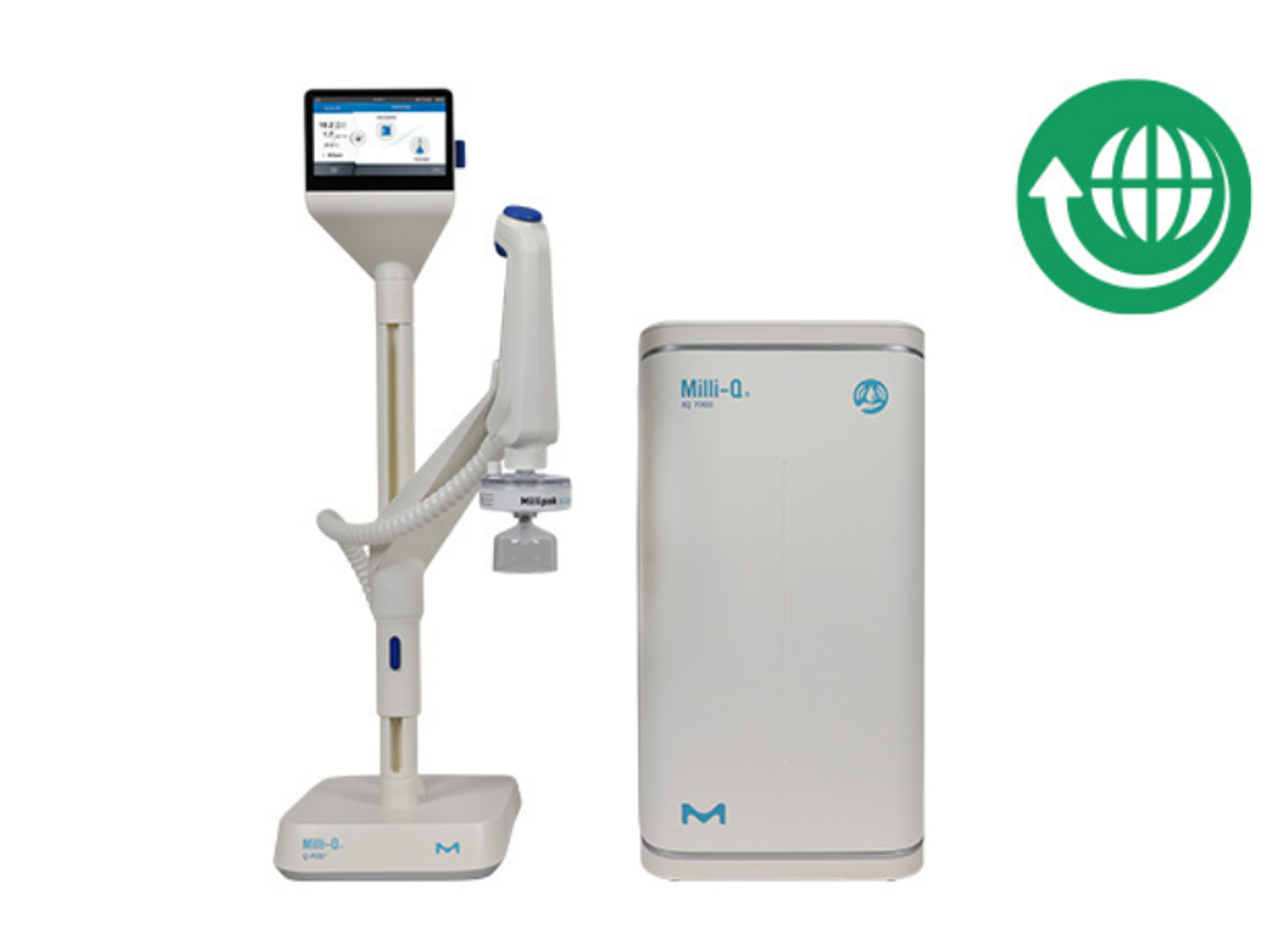
Joe Plurad, from MilliporeSigma, explains how the Milli-Q® IQ Element water purification and dispensing unit delivers analytical-grade ultrapure water for single-ppt and sub-ppt detection levels, ideal for trace metal analysis using ICP-MS or atomic absorption.

Uncovering the chemistry behind behavior
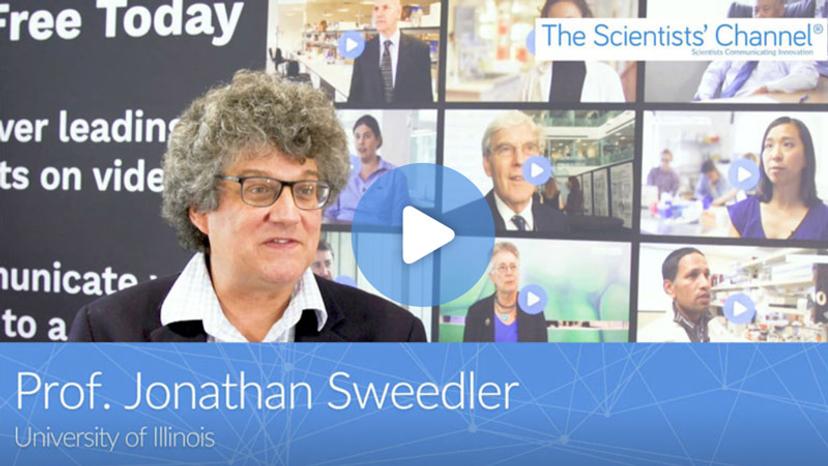
Jonathan Sweedler

Jonathan Sweedler, Professor of Chemistry and Neuroscience at the University of Illinois at Urbana-Champaign, explains how studying cell-to-cell differences within the brain can provide significant insight into the neurochemical components underpinning emergent behavior and how the ability to characterize these components at a smaller and smaller scale promises exciting opportunities for future brain research.

The biology of aging and age-related diseases
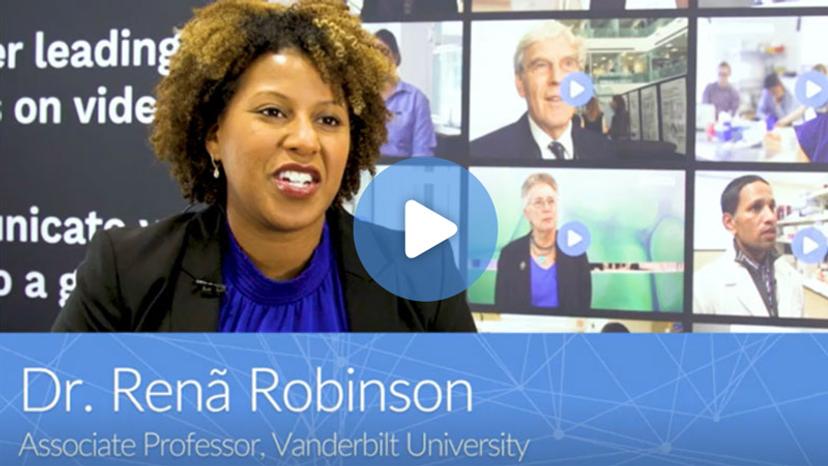
Dr. Renã Robinson

Dr. Renã Robinson, Associate Professor of Chemistry at the Vanderbilt University, outlines how her team is employing a high-throughput discovery-based proteomics workflow to better understand the biology of aging and determine the molecular contributions to racial disparities in Alzheimer’s disease.

Wildfires: Cause and effect
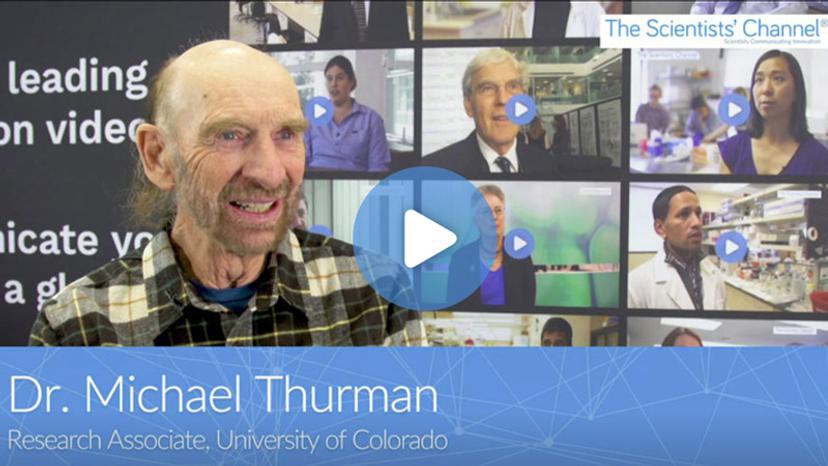
Dr. E. Michael Thurman

Dr. Michael Thurman, Research Associate at University of Colorado, highlights the contribution of climate change to the increasing incidence of wildfires across the United States and briefly discusses the implications of his novel research into the effect of wildfires on the geochemical properties of soils.

Applying Raman spectroscopy to complex biological systems
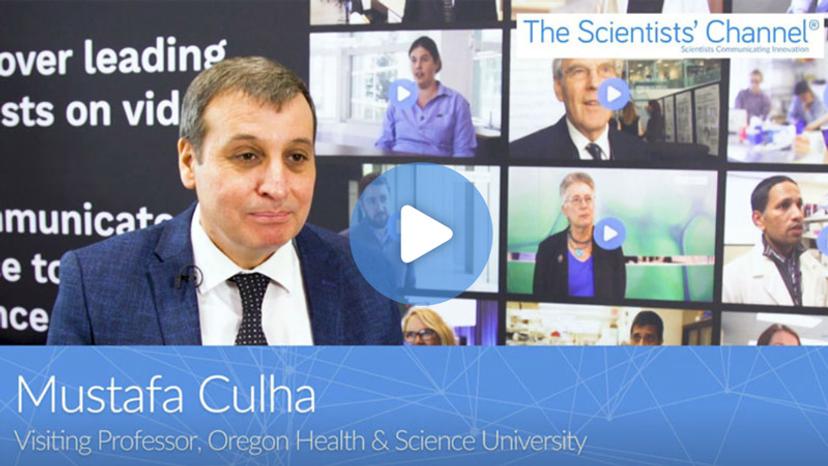
Mustafa Culha

Mustafa Culha, Visiting Professor at Oregon Health and Science University, discusses the applications and advantages of surface-enhanced Raman spectroscopy for the analysis of complex biological systems and the diagnosis and early detection of cancer.

Mass spectrometry approaches for cancer research and personalized medicine
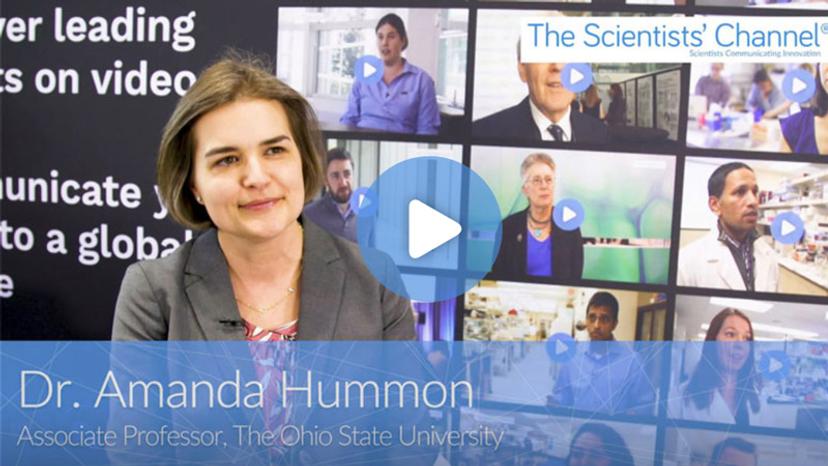
Dr. Amanda Hummon

Dr. Amanda Hummon, Associate Professor at the Ohio State University, explains how her research group is developing novel mass spectrometry methods to explore biological equilibria in cancer systems and examine the interaction between drugs and cancer samples in both 3D cell cultures and patient-derived organoids.

Raman hyperspectroscopy and machine learning for biomedical and forensic research
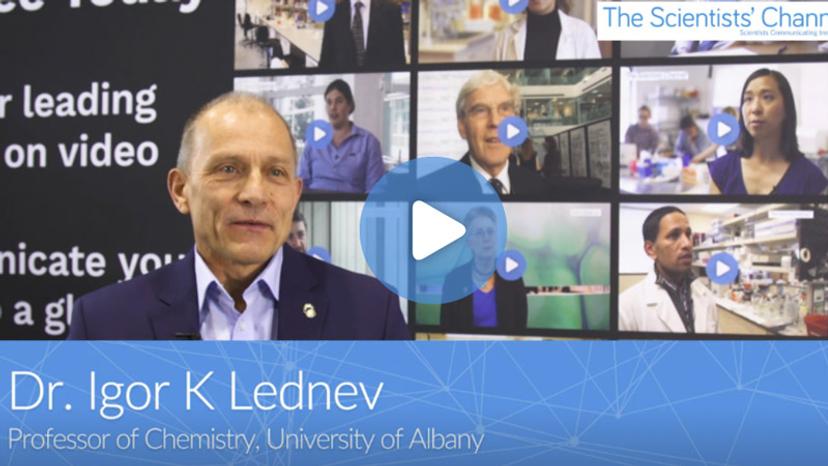
Dr. Igor Lednev

Dr. Igor Lednev, Professor in Chemistry at the State University of New York, Albany, NY, discusses his research using Raman hyperspectroscopy and machine learning for their application in developing new methodologies for Alzheimer's research and identification and characterization of biological stains for forensic investigations.

Watch more videos on The Scientists' Channel>>

Interviews filmed at Pittcon 2020 - Watch other highlights from the show here >>
Links

Tags

Mass SpectrometryMass spectrometry (MS) is a powerful analytical technique used to identify and quantify molecules based on the mass-to-charge ratio of gas-phase ions. It provides detailed information about the structure, composition, and properties of compounds and is widely used across fields such as environmental monitoring, materials science, drug discovery and development, food and beverage testing, and wider chemical research. Key MS techniques include tandem mass spectrometry (MS/MS), liquid chromatography–mass spectrometry (LS-MS) and inductively coupled plasma (ICP-MS). Choosing from these wide range of techniques and technologies can be a daunting task, so keep up to date with scientific applications, performance expectations, and customer reviews here all in one place. Visit our product directory to receive quotes direct from the manufacturer. Raman SpectroscopyRaman spectroscopy is used to discern the vibrational and rotational states of molecules and hence the chemical composition of a sample by measuring the inelastic scattering of monochromatic light. Explore a range of Raman spectrometers, including handheld/portable Raman spectrometers for QC/QA labs and in situ spectrometers for processes. Conduct Raman imaging for microanalysis of mixed samples using a Raman microscope. Raman spectrographs are also available. Find the best Raman spectroscopy products in our peer-reviewed product directory: compare products, check customer reviews and receive pricing direct from manufacturers.Genome AnalysisGenomics, the study of genomes, includes functional genomics, evolutionary genomics and comparative genomics. There are many genomic technologies such as DNA sequencing of whole genomes, computational biology and bioinformatics. DNA and nucleic acids must be isolated and concentrated from cells for analysis with kits, automated analyzers and software. Other useful technologies for studying genomics include PCR, microarrays and electrophoresis.ProteomicsProteomics is the systemic bioinformatics study of proteins and amino acids, including their structure, size, function and identification. Tools used in proteomics include chromatography, blotting and gels, protein arrays, mass spectrometry and ELISA and associated analysis software. Analyzers and proteomic systems should be sensitive, high resolution, fast and may be automated for high-throughput.Gas Generators and AnalyzersGas generators are used for supplying or monitoring a regular flow of a high purity gas such as nitrogen, hydrogen or zero air for applications such as gas chromatography. Gas analyzers can be used in supply chain processes and laboratory experiments with portable analyzers for monitoring CO<sub>2</sub> and O<sub>2</sub> levels as well as trace gases. Regular flow can be produced with gas control modules and flow meters. Find the best gas generators and analyzers in our peer-reviewed product directory: compare products, check customer reviews and receive pricing direct from manufacturers.Environmental Monitoring and TestingEnvironmental monitoring and testing uses handheld portable analyzers, kits, spectrometers or chromatography systems for air, water, soil, food and other sample testing. Useful features of analyzers such as BOD and COD include portability, easy calibration, automation and sensitivity.  Environmental test kits for pH, water, moisture, etc, should be accurate, sensitive, reliable, fast and easy to use.Clinical ChemistryBiochemistry (or clinical chemistry) involves the analysis of bodily fluids using chemical tests. Techniques used include HPLC, chromatography, spectroscopy, mass spectrometry, immunochemical, electrophoresis, turbidometric / spectrophotometric assay, MRI and ISE analysis. Tests are often carried out on plasma or serum but urine (urinalysis) and fecal specimens are also processed.Clinical GeneticsMolecular Genetics covers the analysis of hereditary genetic disease and chromosomal abnormalities. Genetics can be analysed using DNA, RNA, and protein microarrays, PCR, RT PCR and DNA sequencing. Genetic equipment includes genetic workstations, thermal cyclers, cooling blocks and electrophoresis products. Diagnostic kits are used for DNA / RNA extraction and purification.Water PurificationThere are a number of water purification methods available to remove contamination from laboratory water. These systems include demineralization, reverse osmosis, filtration and ultrafiltration. A combination of methods is sometimes necessary to achieve purified water suitable for use in experiments.Cell / Tissue CultureCell culture or tissue culture is used to study the biology of cells or tissues and to isolate cellular products in an environment which can be manipulated and well defined. Accurately control your culture environment with bioreactors or culture incubators, bind your cells to a surface or together with an extracellular matrix. Distinguish cell types with differential media or proliferate cells with certain characteristics using selective media. Enrich your media with supplements such as growth factors, sera and vitamins. Find the best cell and tissue culture products, kits and equipment in our peer-reviewed product directory: compare products, check customer reviews and receive pricing direct from manufacturers.PittconPittcon is one of the largest conferences and exhibitions dedicated to laboratory science. It brings together professionals and innovators in analytical chemistry, physics, and biology, offering a platform to explore the latest scientific tools and technologies. From cutting-edge laboratory instruments to emerging research trends, Pittcon is a must-attend event for professionals in research and development. BiopharmaceuticalsBiopharmaceuticals are proteins and other compounds (such as nucleic acids) produced by living organisms that have uses as therapeutics or for in vivo diagnostics. The most well known example of a biopharmaceutical product, and the first to be approved for therapeutic use, was recombinant human insulin.Cancer ResearchCancer research aims to understand the mechanisms of cancer development and progression to improve prevention, diagnosis, and treatment. From molecular biology to clinical trials, research spans a wide range of disciplines, including immunotherapy, targeted therapies, and drug discovery. Explore the best cancer research products in our peer-reviewed product directory; compare products, check reviews, and get pricing directly from manufacturers.Clinical ChemistryClinical chemistry involves the analysis of bodily fluids, like blood and urine, to diagnose and monitor diseases. Tests in clinical chemistry provide critical information for patient care and treatment decisions. Explore clinical chemistry tools in our peer-reviewed product directory; compare products, check reviews, and get pricing directly from manufacturers.Clinical Mass SpectrometryMass spectrometry is emerging as a superior method of analysis over the longstanding, gold standard of immunoassay. Clinical mass spectrometry systems are increasingly accessible to medical laboratories and are capable of providing results with more speed and less expense than traditional methods. From simple mass spectrometers to IVDR class A compliant, highly sophisticated systems performing liquid chromatography tandem mass spectrometry (LC/MS/MS), find the latest product news, reviews and resources to make a purchasing decision for your laboratory.