
Transfection, Endotoxin Detection and ADME-Tox Testing: Lonza to Exhibit Innovative Research Solutions at SLAS2017
7 Dec 2016On 4-8 February 2017, Lonza will be exhibiting at SLAS2017, hosted by the Society for Laboratory Automation and Screening in Washington, DC (USA). In addition to presenting a poster explaining the efficiency and accuracy of automated endotoxin testing, the Lonza team (located in Booth 547) will showcase how its latest equipment, reagents and software can be utilized to create innovative research solutions for transfection, endotoxin detection and ADME-Tox testing, thereby increasing efficiency and throughout in the laboratory.
Poster Presentation: Automation of Endotoxin Testing
Greg Alberts, Global Subject Matter Expert at Lonza, will present a poster titled “Streamlining Your QC Testing: The Efficiency and Accuracy of Automated Endotoxin Testing and Process Optimization.” Data in the poster will show the ability of robotic systems to reproducibly and reliably perform the preparation of standards, complex routines and dilution schemes necessary to endotoxin testing, and demonstrate the efficiency, accuracy and effectiveness of an automated solution when implemented in a large-scale fashion.
Improving the Scalability of Transfection
At Booth 547 Lonza will showcase the 4D-NucleofectorTM LV Unit and the HT NucleofectorTM Device, both of which use Nucleofector™ Technology to enable efficient transfection of cells. This method of electroporation allows scientists to use minimal amounts of substrate to transfect a multitude of different cell types, including stem cells, primary cells, and cell lines that have previously proven challenging to transfect. Combining this technology with the 4D-NucleofectorTM LV Unit provides a closed system for sterile transfection of up to 1x10⁹ cells, and enables scaling-up of transfections carried out using Lonza’s 4D-NucleofectorTM X Unit, without the need for re-optimization.
Automating QC Testing for the Pharmaceutical Industry
At SLAS2017, Lonza’s experts will demonstrate how the WinKQCL™ Endotoxin Detection and Analysis Software can be integrated into robotic platforms. These automated workflow solutions allow scientists to simply set up an assay and “walk away,” reducing ergonomic stress caused by manual pipetting and mitigating human errors.
Providing Resources for ADME-Tox Testing
Lonza’s acquisition of Triangle Research Laboratories (TRL) in June 2016 has enabled Lonza to expand its portfolio of products and services to now include a diverse range of high-quality fresh and cryopreserved human and animal hepatocytes, as well as supporting media and cell culture products. These cells and supporting materials are invaluable *in vitro* drug screening tools, enabling drug candidates to be assessed for a range of characteristics, including drug-drug interactions, drug transporter activity, metabolism and toxicity.
Related products
Request Quote for All Products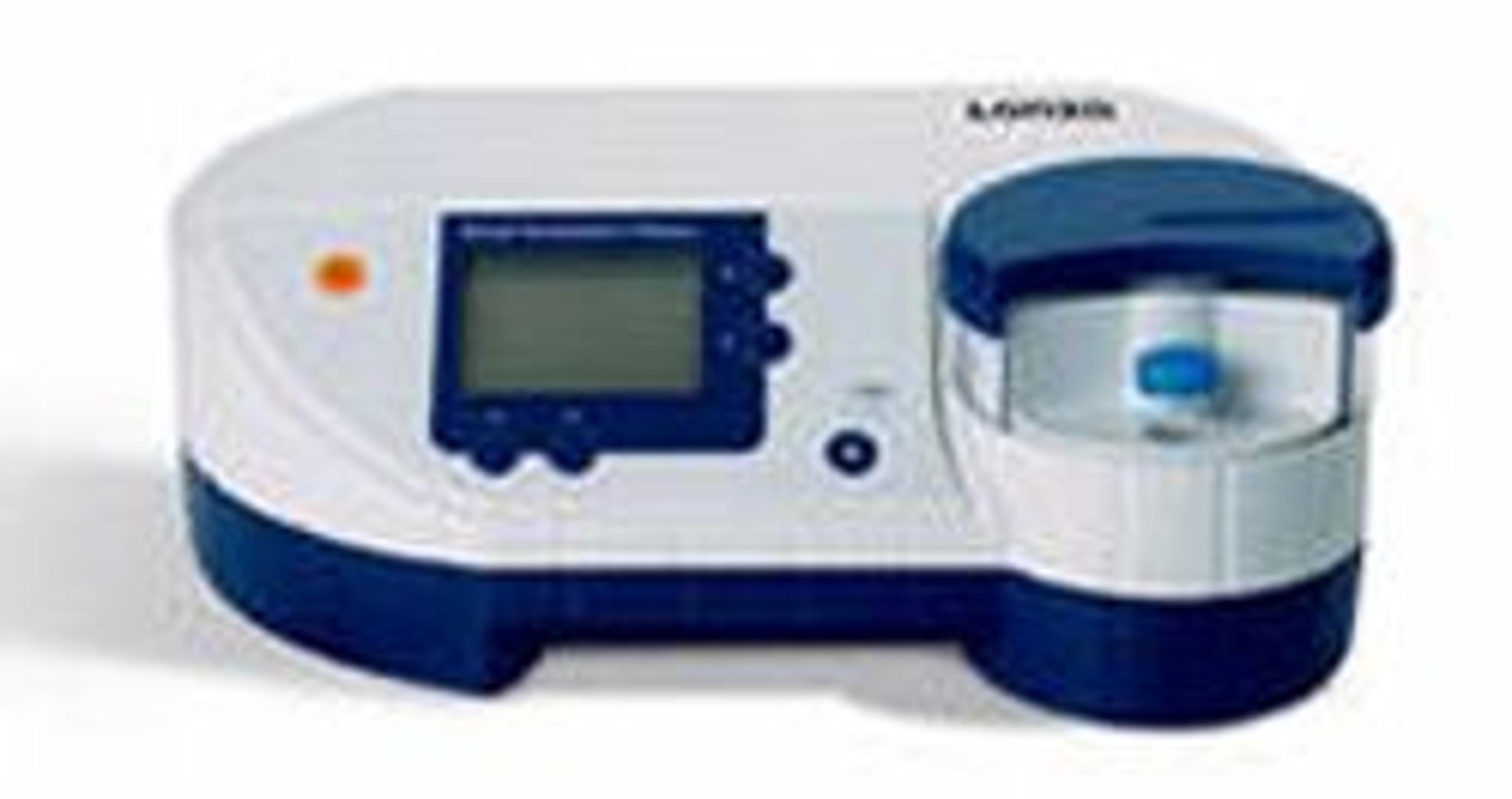
Nucleofector® II Device
Lonza Group LtdThe basic Nucleofector® II Device is a single cuvette based system that has been used in research labs since 2001. It allows efficient transfection of hard-to-transfect cell lines and primary cells with different substrates, e.g. DNA vectors or siRNA oligonucleotides, in low throughput format. What benefits are important for your work? Efficient transfection in single cuvette format? Up to 90% efficiency with plasmid DNA Up to 99% efficiency with siRNA duplexes Also suited for peptides, proteins or small molecules Reliable easy-to-use technology? More than 150 ready-to-use Amaxa® Optimized Protocols High viability and preservation of cell funcionality Data for more than 650 cell types in our Cell Database Consumables tailored to your needs? Nucleofector® Kits are available in low (10 reactions), normal (25 reactions) and high (100 reactions) usage format More than 50 dedicated primary cell kits available A collection of 5 cell line kits and an optimization kit covering the broadest range of cell lines cGMP kits available

The Nucleofector Device
Lonza Group LtdThe Nucleofector technology is a highly efficient non-viral method for transfection. It is based on two components: the Nucleofector Device that delivers unique electrical parameters, and Nucleofector Kits that contain cell-type-specific Nucleofector Solutions. The electrical parameters of the Nucleofector are different from any other commercially available electroporation device. Each electrical setting is displayed as a distinct program which has been adapted to the requirements of a particular cell type. As the electrical settings are pre-programmed into the Nucleofector, optimization of the electrical parameters by the user is not necessary. The device weighs only 2.6 kg and is conveniently sized so that it easily fits under a sterile hood, which greatly facilitates sterile work with cells.