Top 5 Microbiology Videos

Discover products to optimize your microbiology research

18 Nov 2015

Lois Manton-O'Byrne, PhD
Executive Editor

Editorial article

Discover products to optimize your microbiology research

Watch the following videos to learn more about the latest products for microbial detection, improving your cell culture and verifying contamination. Plus, visit our Microbiology Special Feature for the latest news and methods.

1. EZ-Fluo™ Rapid Detection System
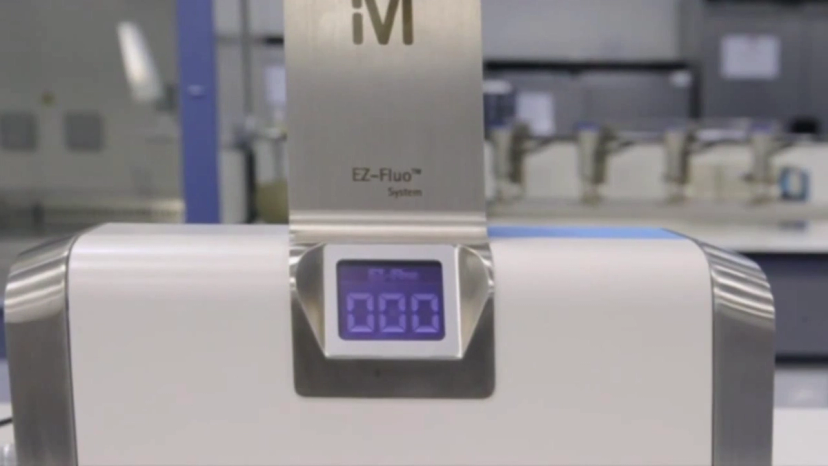
Discover this fast and non-destructive system for microbial detection - the EZ-Fluo™ is a non-destructive method that enables you to continue to grow the microorganisms after they have been stained in order to identify them using any standard ID technology. This is a tremendous advantage compared to other rapid test systems which cannot ID microorganisms using the same sample that was tested to detect the contamination. Watch video.

2. Rapid and Easy Solution for Reliable Mycoplasma Contamination Control
The detection of Mycoplasma with conventional methods is labor intensive and requires a cultivation time of at least 28 days before a contamination with these slow-growing bacteria can be ruled out with certainty. Real-time PCR based kits offer a fast and easy-to-use solution for early detection at all stages of your process, whether you are screening in the lab or testing in your production line. Watch video.

3. REIMS™ Research System with iKnife™ Technology from Waters
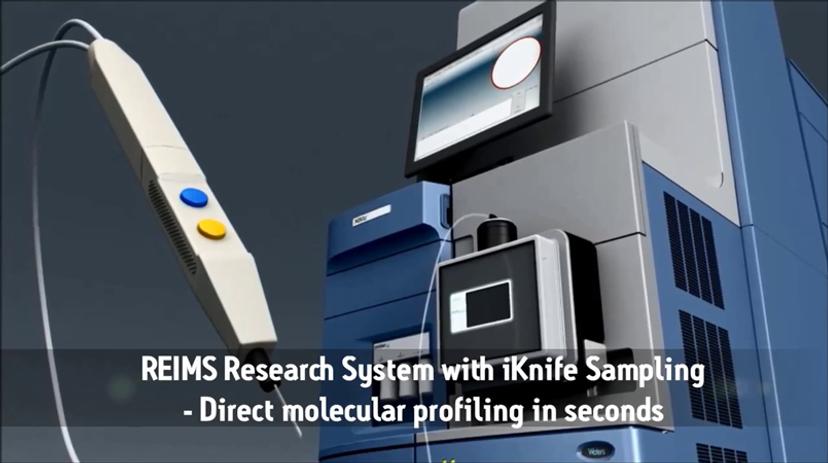
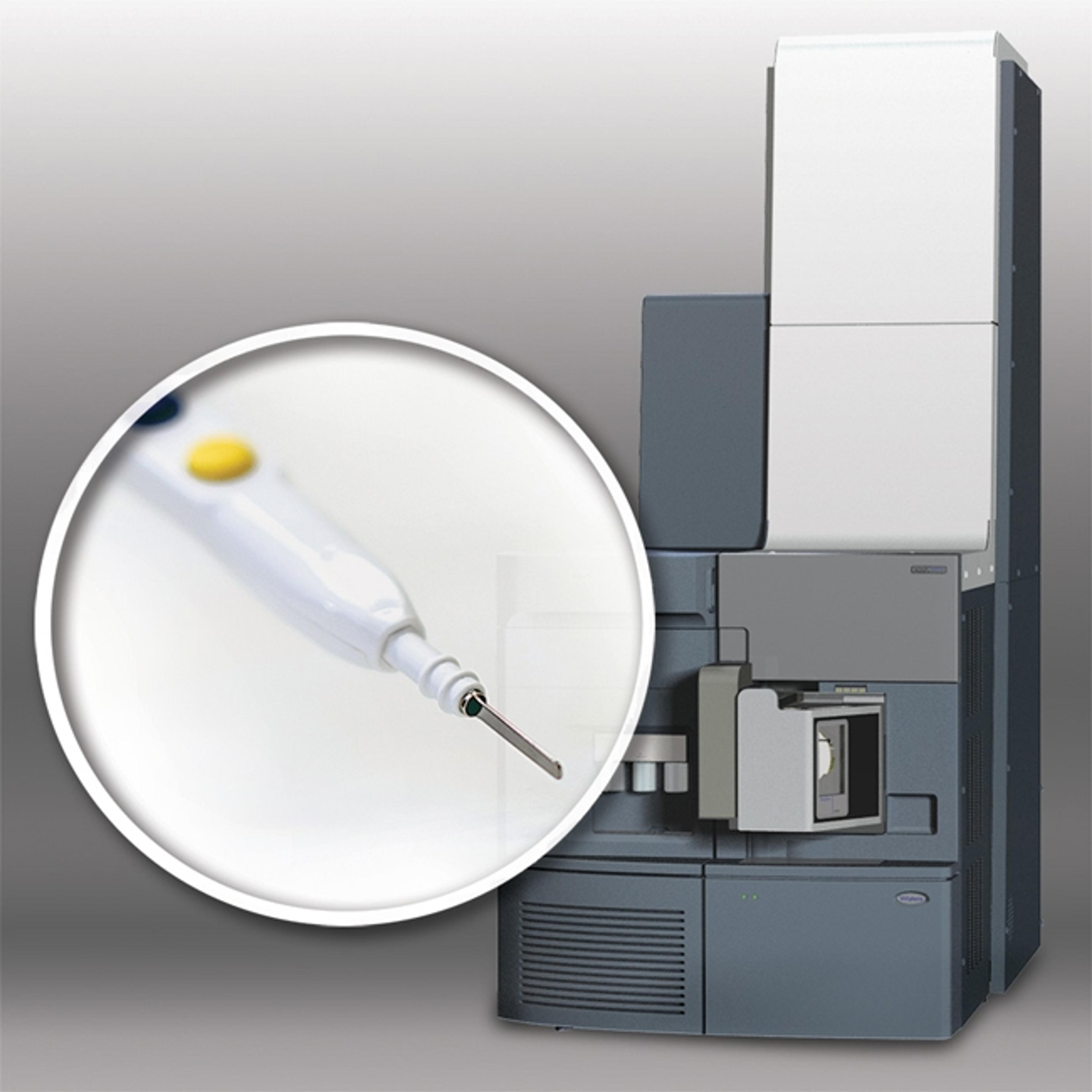
Watch this video to see how the Waters Rapid Evaporative Ionization Mass Spectrometry™ (REIMS™) Research System with iKnife™ Sampling combines direct-from-sample ionization with high performance time-of-flight mass spectrometry and powerful, intuitive analytics. The system eliminates the need for sample preparation and chromatographic separation, providing food, microbiology and tissue researchers with near-instantaneous data acquisition. Watch video.

4. BINDER Presents Innovative Incubator Based on Peltier Technology
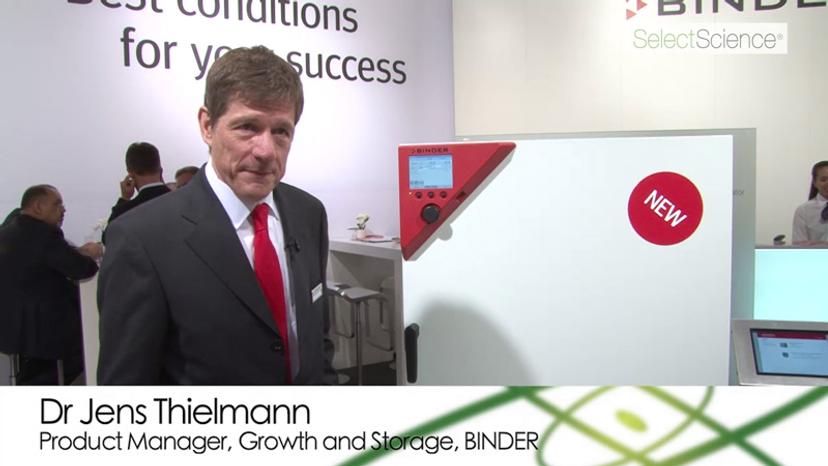
Watch this video to see Dr. Jens Thielmann, Product Manager for Incubators at BINDER, present the world's first Peltier incubator of this size. The KT 170 has 65% more usable space and a temperature range of 4 − 100°C, making it ideal for microbiology and food and beverage quality control. Watch video.

5. Amplification and Detection of Foreign DNA
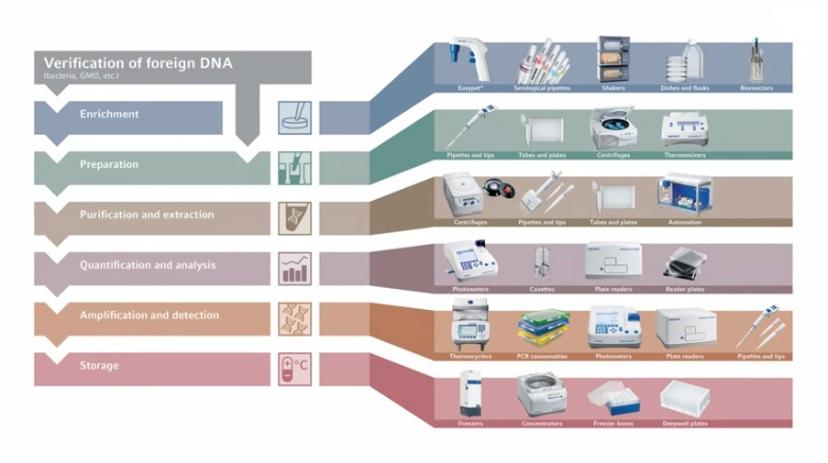
Food & beverage labs often need to verify the absence of foreign DNA (bacteria, GMO, etc.) in food samples. In this workflow, the step of amplification and detection of the DNA is crucial. Watch this video to discover how to get correct results quickly to detect foreign DNA. Watch video.

What products do you use in your microbiology research? Write a review today for the chance to win an iPad Air® or $400/equivalent Amazon® vouchers!

Links

Tags

Cell / Tissue CultureCell culture or tissue culture is used to study the biology of cells or tissues and to isolate cellular products in an environment which can be manipulated and well defined. Accurately control your culture environment with bioreactors or culture incubators, bind your cells to a surface or together with an extracellular matrix. Distinguish cell types with differential media or proliferate cells with certain characteristics using selective media. Enrich your media with supplements such as growth factors, sera and vitamins. Find the best cell and tissue culture products, kits and equipment in our peer-reviewed product directory: compare products, check customer reviews and receive pricing direct from manufacturers.IncubatorsLaboratory incubators are used to provide a stable environment to cultivate and store samples in, giving you optimal control of temperature, humidity, oxygen and CO<sub>2</sub> levels. Incubators are necessary equipment for cell culture and microbial research. Control temperature with heated or refrigerated incubators, or the levels of CO<sub>2</sub> and oxygen with CO<sub>2</sub> incubators. Using environmental chambers, create a humid climate for testing samples. Find the best incubators in our peer-reviewed product directory: compare products, check customer reviews and receive pricing direct from manufacturers.MicrobiologyMicrobiology is the study of microorganisms including protists, prokaryotes, fungi, and, often, viruses. Microorganisms are a useful research tool as genetic vectors and, in immunology, for antibiotic susceptibility testing, cellular biology and genetics. Microorganisms commonly grow readily in incubators with microbial culture media; this can contain chromogenic supplements to differentiate between cell lines. Estimate your culture’s density of microorganisms with colony counters, or screen and select colonies for desirable clones with automated colony pickers. Additionally, equipment is available to monitor environments for the presence of microbes and identify with microbial identification instruments. Find the best microbiology products in our peer-reviewed product directory: compare products, check customer reviews and receive pricing direct from manufacturers.DNA / RNA Extraction and PurificationPurified DNA and RNA are required for numerous downstream molecular biology applications. Consequently, the importance of high-quality DNA/RNA extraction and purification equipment cannot be underestimated. Many purification kits are available and are typically optimized for nucleic acid type and source, including plasmid DNA, genomic DNA, mRNA, RNA and viral nucleic acid purification kits. Automated extraction and purification of nucleic acids can be implemented with magnetic bead separator instruments or high-throughput purification workstations. Find the best DNA/RNA extraction and purification equipment in our peer-reviewed product directory: compare products, check customer reviews and receive pricing direct from manufacturers.DNA SequencingDNA sequencing, such as sanger sequencing, is a biological technique that determines the precise order of nucleotide bases in a fragment or template of DNA. DNA sequencers and genetic analyzers are based on capillary electrophoresis, where labeled DNA fragments are electrophoretically separated by size as they migrate through a polymer. Find the best DNA sequencing products, including DNA sequencing kits, genomic libraries and genetic identity kits in our peer-reviewed product directory: compare products, check customer reviews and receive pricing direct from manufacturers.Clinical MicrobiologyMicrobiology is the study of microorganisms including protists, prokaryotes, fungi, and, often, viruses. Microorganisms are a useful research tool as genetic vectors and, in immunology, for antibiotic susceptibility testing, cellular biology and genetics. Microorganisms commonly grow readily in incubators with microbial culture media; this can contain chromogenic supplements to differentiate between cell lines. Estimate your culture’s density of microorganisms with colony counters, or screen and select colonies for desirable clones with automated colony pickers. Additionally, equipment is available to monitor environments for the presence of microbes and identify with microbial identification instruments. Find the best microbiology products in our peer-reviewed product directory: compare products, check customer reviews and receive pricing direct from manufacturers.Contamination PreventionContamination prevention aims to control and minimize the risk of contamination during experiments. Biological safety cabinets and sterilization equipment are examples of technologies used to prevent contamination.Microbial DetectionMicrobial detection is crucial for identifying and quantifying bacteria, viruses, fungi, and other microorganisms. This process is essential for food safety, environmental monitoring, clinical diagnostics, and pharmaceutical manufacturing. Explore the best microbial detection tools in our peer-reviewed product directory; compare products, check reviews, and get pricing directly from manufacturers.DNA AmplificationDNA Amplification is a technique used to amplify a single or multiple copies of DNA or mRNA by orders of magnitude. The most common method employed is PCR, but other options exist that eliminate the need for thermocycling.Cell GrowthCell growth refers to the process by which cells increase in size and number. It is essential for tissue development, wound healing, and cancer research. Understanding and controlling cell growth is a fundamental part of cell biology and regenerative medicine. Browse our peer-reviewed product directory to find the best tools for studying cell growth, compare products, check reviews, and get pricing directly from manufacturers.Live Cell ImagingLive cell imaging is the study of living cells using microscopes and high-content imaging systems. This technique provides in-depth insight into fast and complex biological processes, by allowing dynamic imaging of living cells instead of acquiring an individual image at a single point in time.Cell IncubationCell incubation involves maintaining controlled environmental conditions for growing and nurturing cells. It is essential for cell culture studies, drug testing, and regenerative medicine. Explore cell incubation solutions in our peer-reviewed product directory; compare products, check reviews, and get pricing directly from manufacturers.Cell CultureCell culture involves growing cells under controlled conditions, typically outside of their natural environment, to study cellular behavior, drug response, and disease models. Cell culture is crucial in biotechnology and biomedical research. Explore cell culture products in our peer-reviewed product directory; compare products, check reviews, and get pricing directly from manufacturers.