
Single‑assay PCR method transforms how labs detect beverage spoilage
Multiplex PCR assay enables beverage microbiology labs to accelerate product release testing by up to six days
11 Sept 2026

Reel Mahmoud, Senior Market Development Manager, Thermo Fisher Scientific (left) and Dr. Marian Teye, R&D Supervisor, Thermo Fisher Scientific (right)
In an exciting step forward for beverage producers, food scientists can now detect all major spoilage organisms in a single PCR assay, cutting release times by up to six days compared to traditional culture-based methods. The advancement came as a direct result of the challenges associated with quality testing manufacturers' increasingly diverse product portfolios, leading to the development of the Thermo Scientific ™ SureTect™ Beverage Spoilage Multiplex PCR Assay which consolidates five spoilage target groups into one workflow.
"It's no longer just as simple as is there growth, is there not growth?" explains Reel Mahmoud, Senior Market Development Manager at Thermo Fisher Scientific. "Because even if it's not detected and it's at very low levels, the varying strategies of preservation might mean that a very small level can then grow later on when that product is on the shelf, leading to recalls and ultimately affecting brand trust and brand integrity."
Portfolio complexity drives testing consolidation
With many modern beverage manufacturers offering broad product lines, from traditional drinks to live-culture beverages, teams have found themselves challenged by diverse product lines with each product presenting different spoilage risks. Gone are the days when every beverage could simply be sterilized during production, creating a complex microbial landscape that demands more comprehensive spoilage organism detection.
“It's an interesting product landscape. Previously, it was okay to have different beverage types that were completely sterilized. Now, however, more consumers are looking for healthy, helpful microorganisms or microbes in their beverages, such as kombuchas,” explains Dr. Marian Teye, R&D Supervisor at Thermo Fisher Scientific. “This means that the testing needs to diversify to support those kinds of products. So, there is a need for more products that enable the manufacturer to quality control the product without it being maxed by the microorganisms that are seeded in the product.”
Batch testing must be carried out both in the production environment, from ingredients to manufacturing components – all the way through to final product testing. This becomes a slow and labor‑intensive process when relying on traditional culture‑based methods, which often require multiple plating workflows based on suspected organism groups, followed by long incubation periods and confirmatory steps. For manufacturers working with high production volumes and short shelf-life expectations, these delays create significant bottlenecks in batch release decisions and spoilage control programs.
Five microorganism targets, one PCR workflow
"Having options that streamline testing is really critical," says Teye. "A solution like SureTect Beverage Spoilage Multiplex PCR Assay, where you have a multiplex assay that enables you to test for a variety of organisms at once, will really support this product environment where each portfolio is getting more complex."
The SureTect Beverage Spoilage Multiplex PCR Assay detects yeasts and molds (broad coverage), Brettanomyces species, preservative-resistant yeasts including Zygosaccharomyces species and Saccharomyces cerevisiae, lactic acid bacteria (LAB), and acetic acid bacteria (AAB) in a single PCR run. An internal positive control is included in every reaction to support confidence in results.
Critically, validation studies have demonstrated equivalent or improved detection performance compared to established culture-based reference methods across multiple beverage types. The rapid beverage quality testing workflow delivers actionable results in three to four days, compared to seven to ten days for traditional culture methods.
"With our system, you are skipping all the manual subjective determination steps, which means that the manufacturer is able to make the decision quickly," explains Teye.
With our system, you are skipping all the manual subjective determination steps, which means that the manufacturer is able to make the decision quickly
Marian Teye R&D Supervisor, Thermo Fisher Scientific
Simplified lab operations for beverage microbiology
Beyond speed, the assay design supports efficient workflows by providing pre‑filled lysis tubes in a 96‑well plate format alongside lyophilized PCR reagents, reducing pipetting demands. Software algorithms interpret results automatically, presenting clear positive or negative calls for each target channel.
In contrast to earlier generations of molecular methods, which required master mix preparation, oligonucleotide optimization, and manual interpretation of amplification curves, a deliberate shift toward plug-and-play formats makes it accessible to technicians with varying skill levels in beverage microbiology labs.
"This is a lyophilized PCR reaction, so everything is already in the tubes on a 96-well plate. We have a breakable format so you can break it down to the number that you need. There's no complexity to it at all," says Teye.
Automation readiness for high-throughput labs
For large beverage producers processing significant testing volumes, the assay's compatibility with the SureTect Automation Platform using the CyBio™ FeliX Instrument offers additional advantages. Automation means reduced hands-on time, improved pipetting accuracy, reduced risk of human error, barcoded sample entry for traceability, and flexibility to process full or partial plates.
Building on a culture of long-term partnership over short-term instrument placement, Thermo Fisher Scientific has worked with customers to demonstrate return on investment through reduced storage costs, faster release decisions, and improved operational efficiency in spoilage control.
For customers concerned about cross-contamination in automation, stringent testing has already shown that this is not a problem with these systems. "Our customers have put it through rigorous testing to ensure just that, and the results are fantastic. Therefore, they've gone on to adopt the assay and the automation," notes Mahmoud when discussing contamination risks.
Mahmoud also expands this point, "We have every confidence through the development and validation process that the workflow will reduce human-error as well as cross-contamination, with a simple workflow that reduces training needs.”
We have every confidence through the development and validation process that the workflow will reduce human-error as well as cross-contamination, with a simple workflow that reduces training needs.
Reel Mahmoud Senior Market Development Manager, Thermo Fisher Scientific
Looking ahead, as beverage formulations continue to diversify and production cycles tighten, molecular spoilage testing is transitioning from a troubleshooting tool to a routine component of risk-based release strategies. Future developments may include assays with greater organism specificity, moving beyond group-level detection to strain-level identification when needed for root cause analysis.
Related products
Request Quote for All Products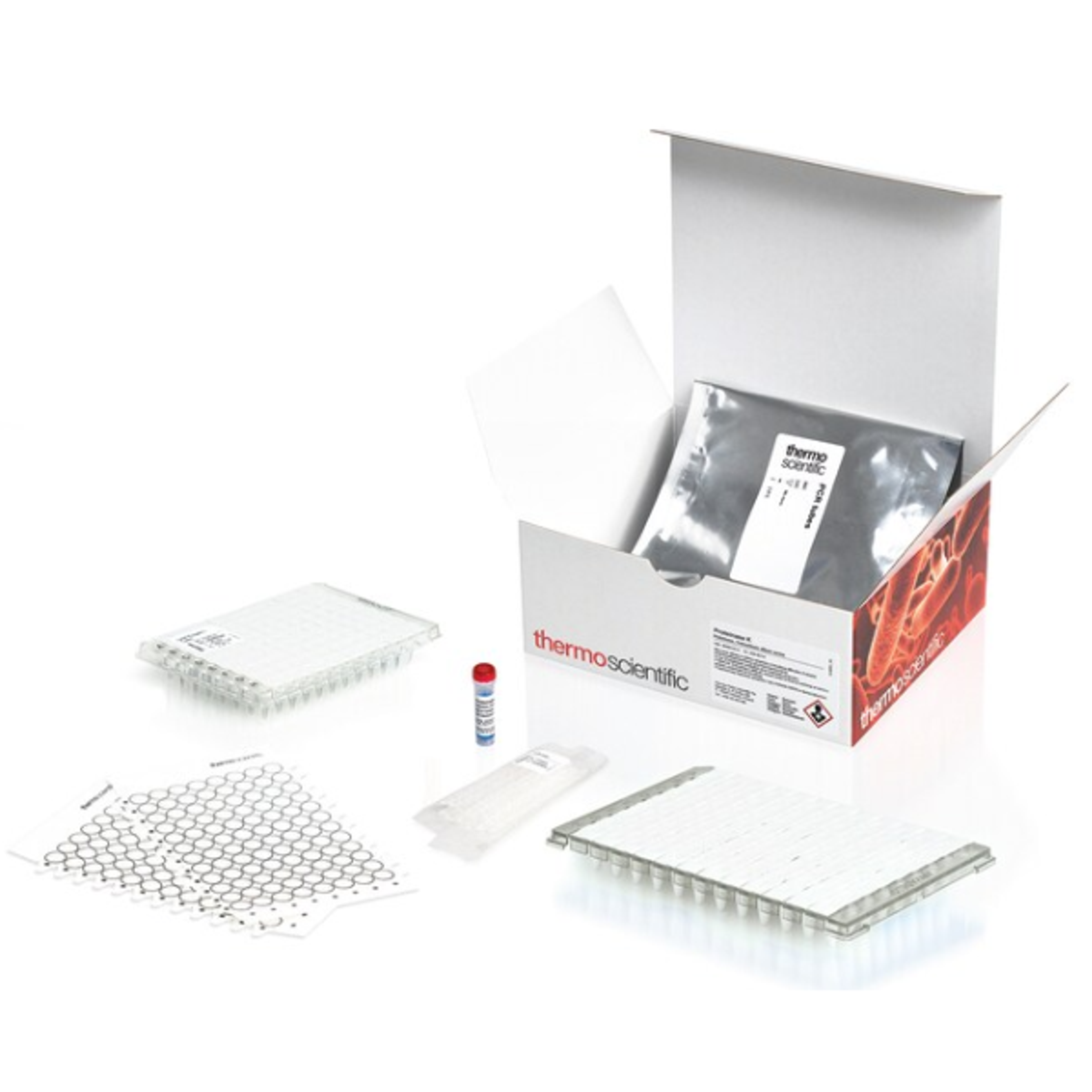
SureTect™ Beverage Spoilage Multiplex PCR Assay
Thermo Fisher ScientificRapid qPCR solutions for beverage manufacturers. Rapidly detect a broad range of beverage spoilers from one PCR reaction with this assay.
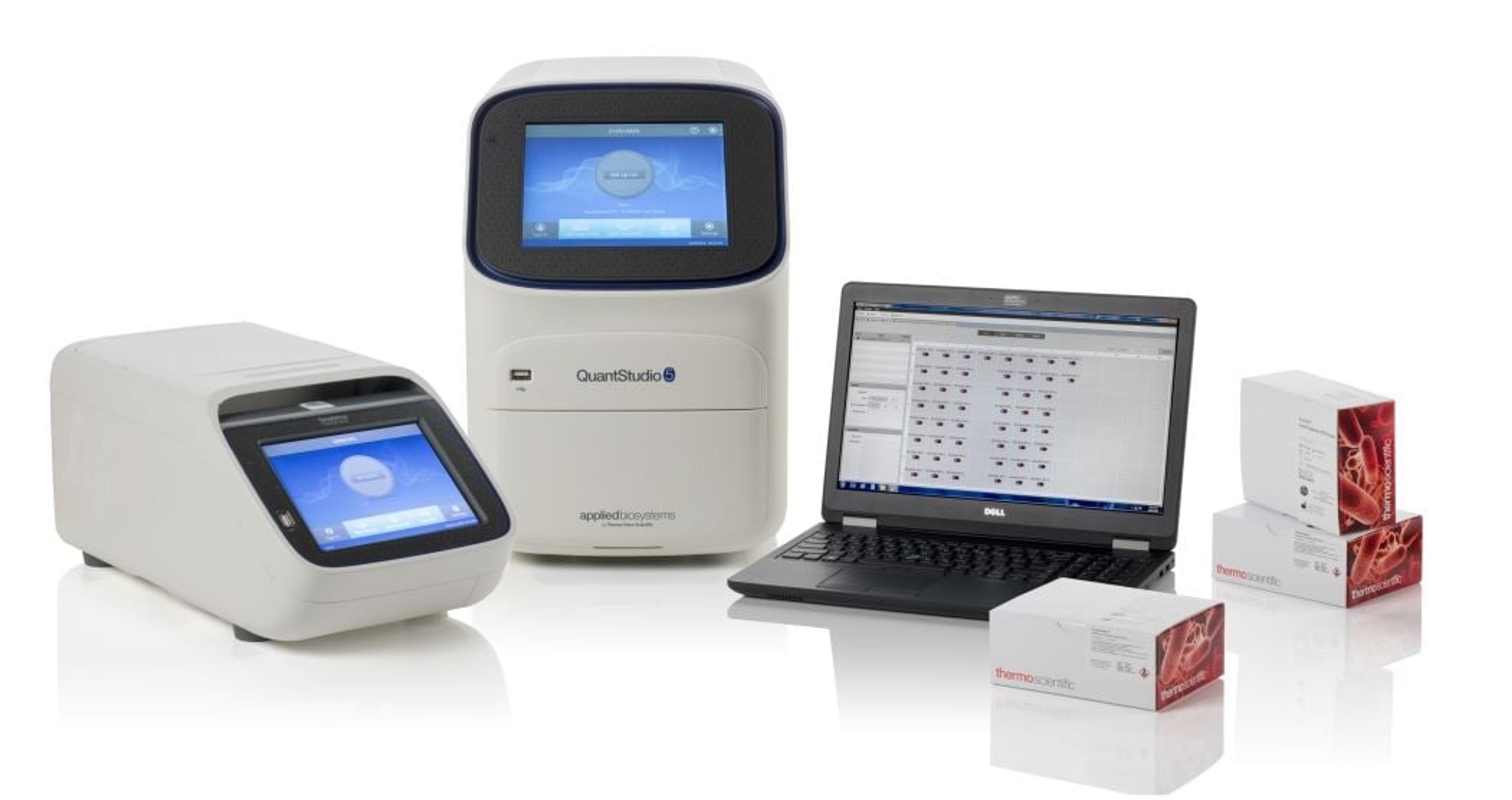
SureTect Real-Time PCR System
Thermo Fisher ScientificRapid and accurate detection of foodborne pathogens