
Gentronix Signs Three Year Agreement with GlaxoSmithKline for GreenScreen HC and BlueScreen HC Genotoxicity Assays
4 Mar 2010Gentronix Limited announced today that it has entered into a three year agreement with GlaxoSmithKline (GSK) to provide GreenScreen HC and BlueScreen HC genotoxicity assays for use by GSK in genotoxicity screening.
This agreement extends the existing relationship between Gentronix and GSK in respect of GreenScreen HC, to include the use by GSK of BlueScreen HC in 384 well format, the latest Gentronix human cell reporter-based assay for compound profiling.
GreenScreen HC was the first human cell-based assay technology that combined high sensitivity for detecting genotoxic chemicals with high specificity for reducing false positive results. This assay gives rapid results, provides additional data for safety profiling and consumes very low quantities of compound.
BlueScreen HC is the new Luciferase based assay that combines all of the attributes of GreenScreen HC with the ability to be run in 384 well micro-titre plate format. This new assay provides a viable route to early detection of genotoxicity, which is known to be associated with compound attrition.
The proprietary reporter based assays have been demonstrated to detect known classes of genotoxic agent, and utilize Green Fluorescent Protein or Gaussia Luciferase in order to detect GADD-45a up-regulation, which is a key indicator of DNA damage.
John Nicholson, CEO and Chairman of Gentronix said 'we are delighted to announce this further agreement with GSK. It provides additional validation for our technology and provides an opportunity for our customers to take advantage of the benefits of early liability screening for more cost effective drug discovery and development.'
Related products
Request Quote for All Products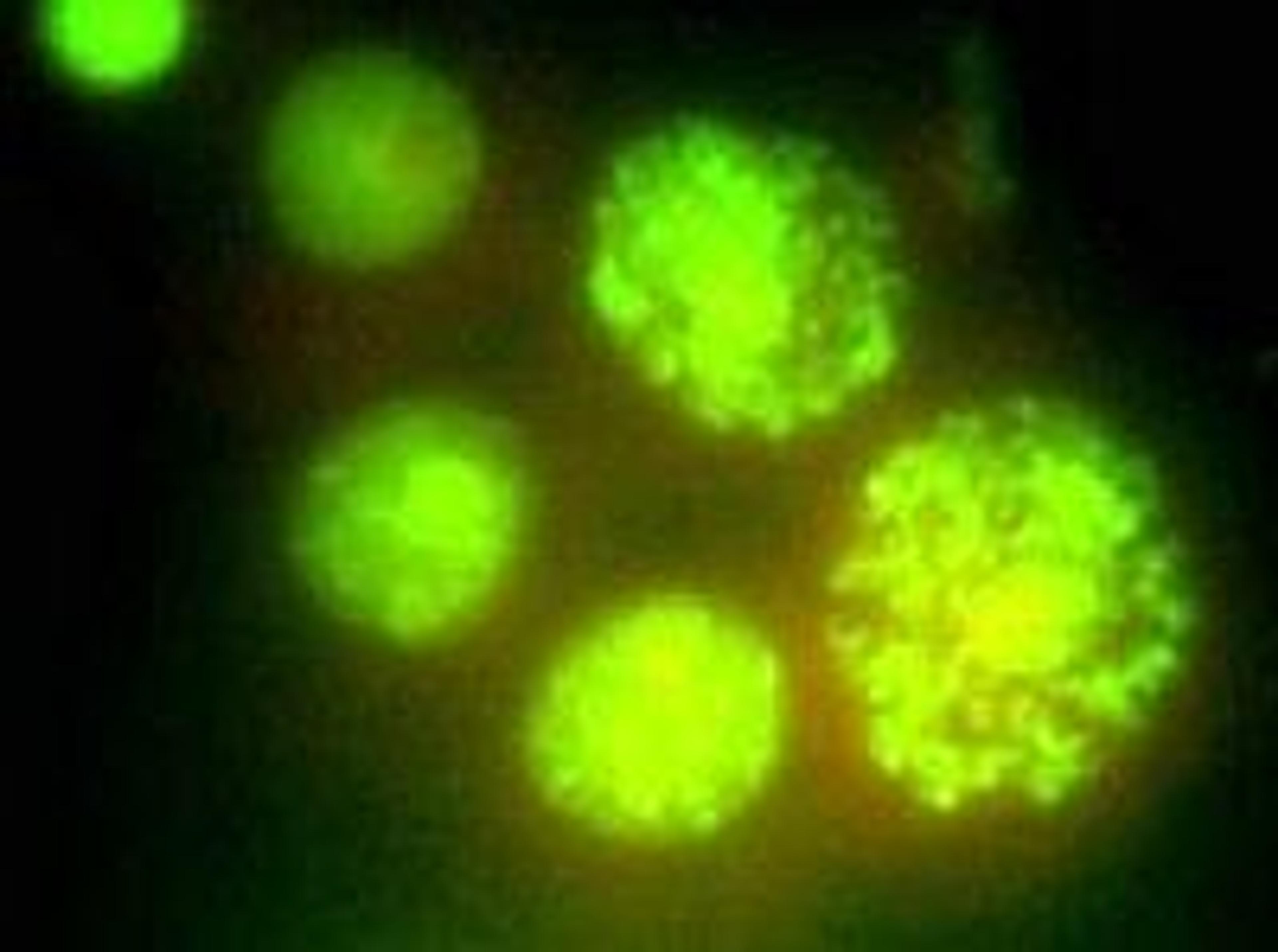
GreenScreen HC
Gentronix Ltd.Gentronix has launched a new, accurate and fast in vitro mammalian cell genotoxicity assay - GreenScreen HC. The TK6 host cells are p53 competent and familiar to most genetic toxicology laboratories. A patented GFP reporter system exploits the proper regulation of the GADD45a gene. The assay delivers both high specificity and high sensitivity and detects all common mechanistic classes of genotoxin. The 96-well microplate format takes about 20 minutes to prepare and delivers results after a 48 hour incubation. A single microplate is sufficient for the simultaneous testing of 4 compounds over 9 serial dilutions. The protocol is also readily automated using standard laboratory liquid-handling equipment. The Biology GADD45a mediates the adaptive response to genotoxic stress. The patented GFP fluorescence reporter includes complex regulatory elements. The assay gives positive results for direct acting agents, as well as aneugens, and topoisomerase and polymerase inhibitors. Importantly the assay gives correct negative results for non-carcinogens, including many which give misleading positive results in other in vitro tests. The Assay Protocol Nine, 2-fold dilutions of each compound together with positive controls are set out in the microplate and growing cells are added to each well. After incubation and measurement in a microplate reader, simple software gives automated decisions and a clear graphical output. Validation A unique combination of both high-specificity and high-sensitivity genotoxicity assessment in a human cell line has been demonstrated. See: High-specificity and high-sensitivity genotoxicity assessment in a human cell line: Validation of the GreenScreen HC GADD45a-GFP genotoxicity assay. Hastwell P.W. et al (2006) Mutation Research 607: 160-175.
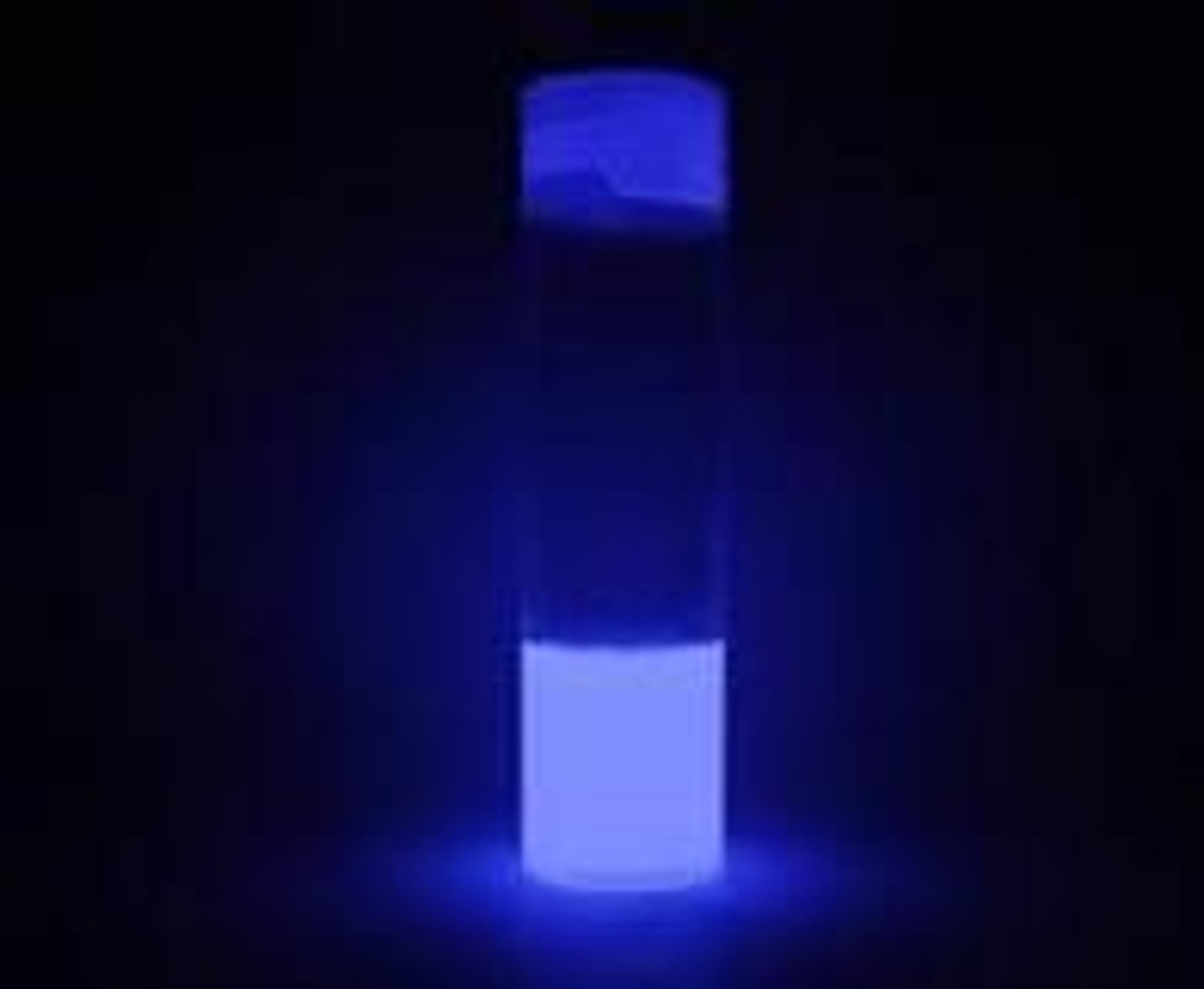
BlueScreen HC: The luminescent adaptation of GreenScreen
Gentronix Ltd.BlueScreen HC is based on the fast, accurate GreenScreen HC genotoxicity assay from Gentronix Ltd. BlueScreen HC uses the same human-derived, p53-competent TK6 cells to host a patented reporter system that exploits the proper regulation of the GADD45a gene. However, in place of GFP, BlueScreen HC utilizes a luciferase from the marine copepod Gaussia princeps to generate a luminescent output. The BlueScreen luminescent assay delivers both high specificity and high sensitivity and detects all common mechanistic classes of genotoxin, just like GreenScreen HC. The 96-well microplate format of BlueScreen is rapid to set up and results are generated after 48 hours’ incubation. A single microplate is sufficient for the simultaneous testing of 8 compounds and the protocol is readily automated using standard laboratory equipment. The superior signal-to-noise ratio makes it more suitable for adaptation to even higher throughput screening in 384-well format. The BlueScreen luminescent output also circumnavigates issues of test compound autofluorescence.Key Principles of BlueScreen: GADD45a plays an important role in mediating the adaptive response to genotoxic stress. The patented system incorporates complex regulatory elements to enable a faithful GADD45a response. The assay generates positive results for direct-acting mutagens, clastogens, as well as aneugens, and topoisomerase and polymerase inhibitors. Importantly, correct negative results are produced for non-carcinogens, many of which give misleading positive results in other in vitro genotoxicity tests. A metabolic activation protocol using rodent S9 liver extract extends the range of compounds detected to include genotoxic metabolites. Bluescreen Assay Protocol: BlueScreen HC uses a single cell strain, which permits 8 compounds to be tested across 8 dilutions (2-fold serial), together with untreated and positive controls, in one 96-well microplate. After arraying test compounds and dilutions, growing cells are added to each well. For studies without S9 metabolic activation data are collected after incubation (48h) using a multimode microplate reader. For studies incorporating S9 metabolic activation, cells are washed after a 3h incubation with test compound and S9. Measurements are made by microplate reader after a further 45h incubation period. Simple software gives automated decisions and a clear graphical output, including a complimentary indication of cytotoxicity (RCD).