
Gentronix launches Bluescreen HC and Expands Services with Comet Assay Testing
28 Mar 2010Gentronix has launched its innovative early genotoxicity screening assay BlueScreen HC and an in vitro Comet testing service. Introduced at the recent Society of Toxicology 49th Annual Meeting and ToxExpo in Salt Lake City, these cell-based products and services enable accurate and reliable early identification of compounds likely to induce genotoxic stress and damage. This helps reduce attrition rates in drug discovery and allows the prioritisation of compounds for further development in the R&D pipeline.
BlueScreen HC is a human cell-based reporter assay which requires only low milligram quantities of sample compounds. Providing a simple and effective alternative to fluorescence reporter systems the new Bluescreen HC assay monitors the expression of the P53 linked GADD45a gene, upregulated in response to genotoxic stress. The assay produces a flash luminescent output through the use of the Gaussia luciferase reporter gene.
For ease and speed of use, the BlueScreen HC assay is designed for 96-well microplates, enabling four compounds to be screened in multiple dilutions per plate. Additionally, the assay can be performed with ‘S9’ incubation for the detection of progenotoxins requiring metabolic activation. Available in a kit format, or through Gentronix’s screening service with a turnaround time of just two weeks, the BlueScreen HC assay provides full flexibility of use for drug discovery researchers.
Gentronix has also announced a new in vitro Comet assay service to address the need for fast and accurate genotoxicity testing. Providing insight into the mechanism of genotoxic damage, the Comet assay is an increasingly popular choice to support in vivo studies. The mechanistic information from this reliable in vitro assay can be used to follow up compounds that have produced positive results from GreenScreen HC or Bluescreen HC assays. With a rapid turnaround time and very low compound requirement, the Comet assay service is an efficient and cost-effective method for early identification of compounds likely to exhibit genotoxic liability.
Gentronix now offers a wide range of in vitro genotoxicity screening services, with fast reporting of results and expert support providing a flexible competitive service.
Related products
Request Quote for All Products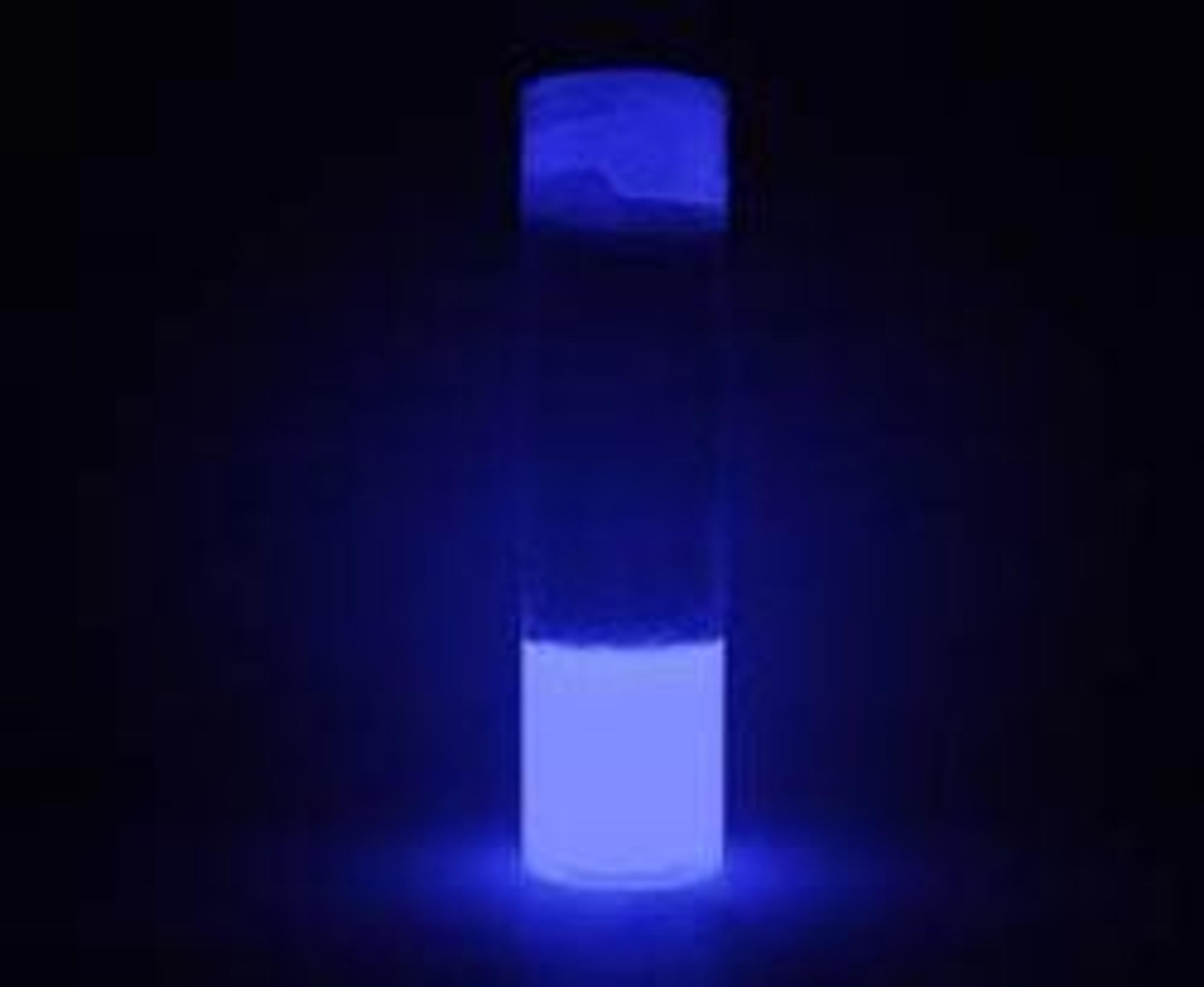
BlueScreen HC - S9
Gentronix Ltd.BlueScreen HC uses a single cell strain, which permits 8 compounds to be tested across 8 dilutions (2-fold serial), together with untreated and positive controls, in one 96-well microplate. After arraying test compounds and dilutions, growing cells are added to each well. For studies without S9 metabolic activation data are collected after incubation (48h) using a multimode microplate reader. For studies incorporating S9 metabolic activation, cells are washed after a 3h incubation with test compound and S9. Measurements are made by microplate reader after a further 45h incubation period. Simple software gives automated decisions and a clear graphical output, including a complimentary indication of cytotoxicity (RCD).
GreenScreen HC
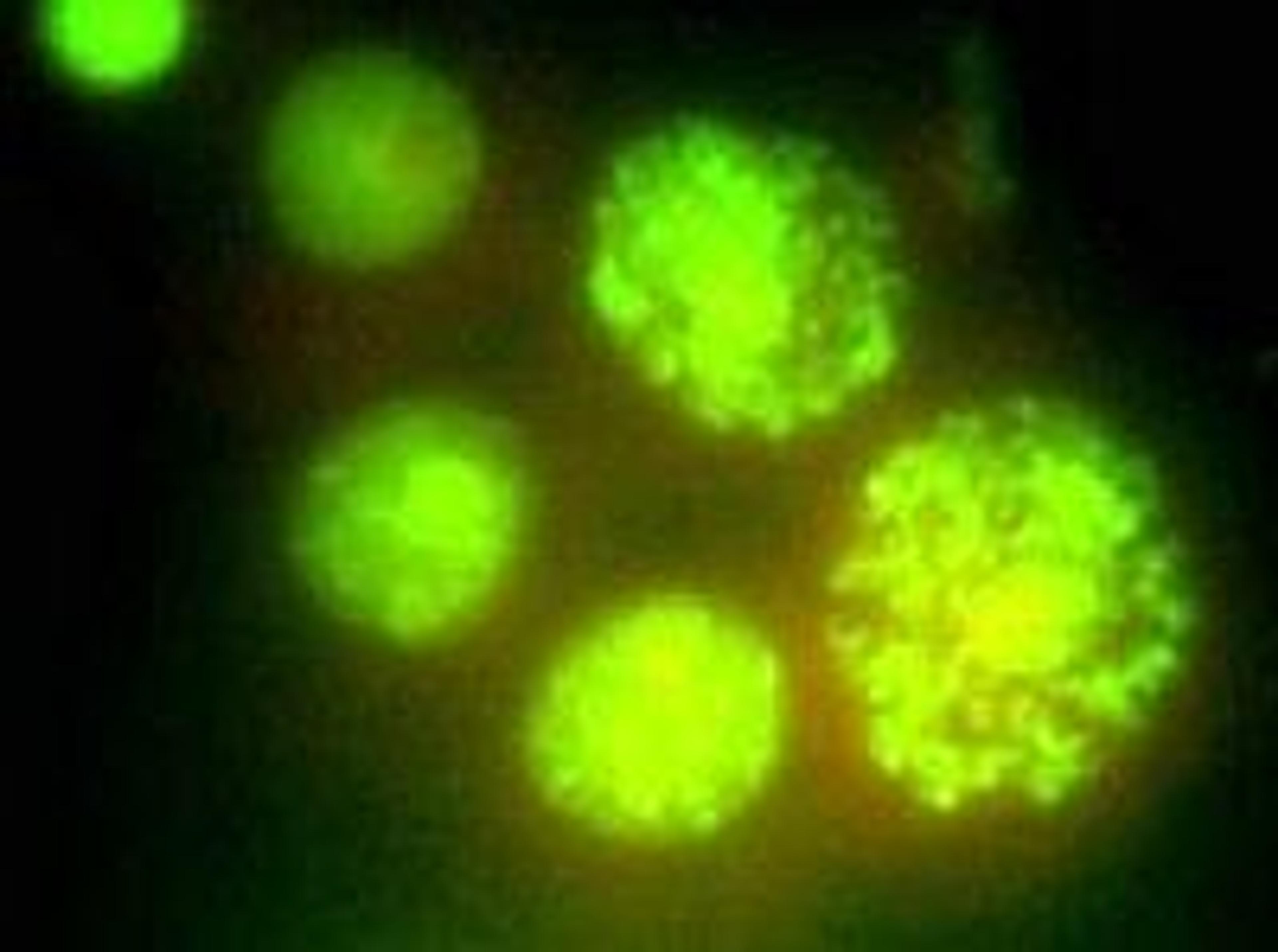
Gentronix Ltd.Gentronix has launched a new, accurate and fast in vitro mammalian cell genotoxicity assay - GreenScreen HC. The TK6 host cells are p53 competent and familiar to most genetic toxicology laboratories. A patented GFP reporter system exploits the proper regulation of the GADD45a gene. The assay delivers both high specificity and high sensitivity and detects all common mechanistic classes of genotoxin. The 96-well microplate format takes about 20 minutes to prepare and delivers results after a 48 hour incubation. A single microplate is sufficient for the simultaneous testing of 4 compounds over 9 serial dilutions. The protocol is also readily automated using standard laboratory liquid-handling equipment. The Biology GADD45a mediates the adaptive response to genotoxic stress. The patented GFP fluorescence reporter includes complex regulatory elements. The assay gives positive results for direct acting agents, as well as aneugens, and topoisomerase and polymerase inhibitors. Importantly the assay gives correct negative results for non-carcinogens, including many which give misleading positive results in other in vitro tests. The Assay Protocol Nine, 2-fold dilutions of each compound together with positive controls are set out in the microplate and growing cells are added to each well. After incubation and measurement in a microplate reader, simple software gives automated decisions and a clear graphical output. Validation A unique combination of both high-specificity and high-sensitivity genotoxicity assessment in a human cell line has been demonstrated. See: High-specificity and high-sensitivity genotoxicity assessment in a human cell line: Validation of the GreenScreen HC GADD45a-GFP genotoxicity assay. Hastwell P.W. et al (2006) Mutation Research 607: 160-175.