
Gentronix Announces Introduction of its New BlueScreen HC Genotoxicity Assay and an in vitro Comet Testing Service
17 Feb 2010Gentronix is pleased to announce the introduction of its new early genotoxicity screening assay BlueScreen HC. BlueScreen HC is a human cell-based reporter assay that monitors expression of the GADD45a gene, a P53 target that is up-regulated in response to all types of genotoxic stress. To coincide with the expansion of cell-based screening services, Gentronix has also announced the introduction of its in vitro Comet assay service.
The new BlueScreen HC assay provides a simple alternative for those screeners, profilers and safety toxicologists for whom fluorescence reporter systems are either not appropriate or not accessible, or where there is a preference for a luminescent rather than a fluorescent assay.
BlueScreen HC uses the Gaussia luciferase reporter gene which provides a flash luminescent output. Like GreenScreen HC, the assay has been developed in a 96 well microplate format can be used to screen up to four compounds at multiple dilutions on a plate. Both assays can be performed with ‘S9’ incubation, allowing the detection of progenotoxins.
To coincide with the expansion of cell-based screening services, Gentronix has also announced the introduction of its in vitro Comet assay service.
The in vitro Comet assay can provide insight into the mechanism of genotoxic damage. It is increasingly used for in vivo studies. Used as an in vitro assay, it can readily supply mechanistic information as a follow up for compounds that produce positive GreenScreen HC or BlueScreen HC results. Early indication of the mode of action of genotoxic compounds can assist in strategies to remove unwanted toxicity and reduce attrition rates in drug discovery.
The new BlueScreen HC assay is provided in kit format, or through a screening service. Gentronix offers a 2 week turn around for all service testing, and requires only low milligram quantities of compound.
Gentronix will be exhibiting at the 49th Society of Toxicology Meeting and ToxExpo to be held in Salt Lake City, Utah. 7th-11th March and look forward to welcoming you to BOOTH 1919 to discuss your needs in early toxicity detection.
Related products
Request Quote for All Products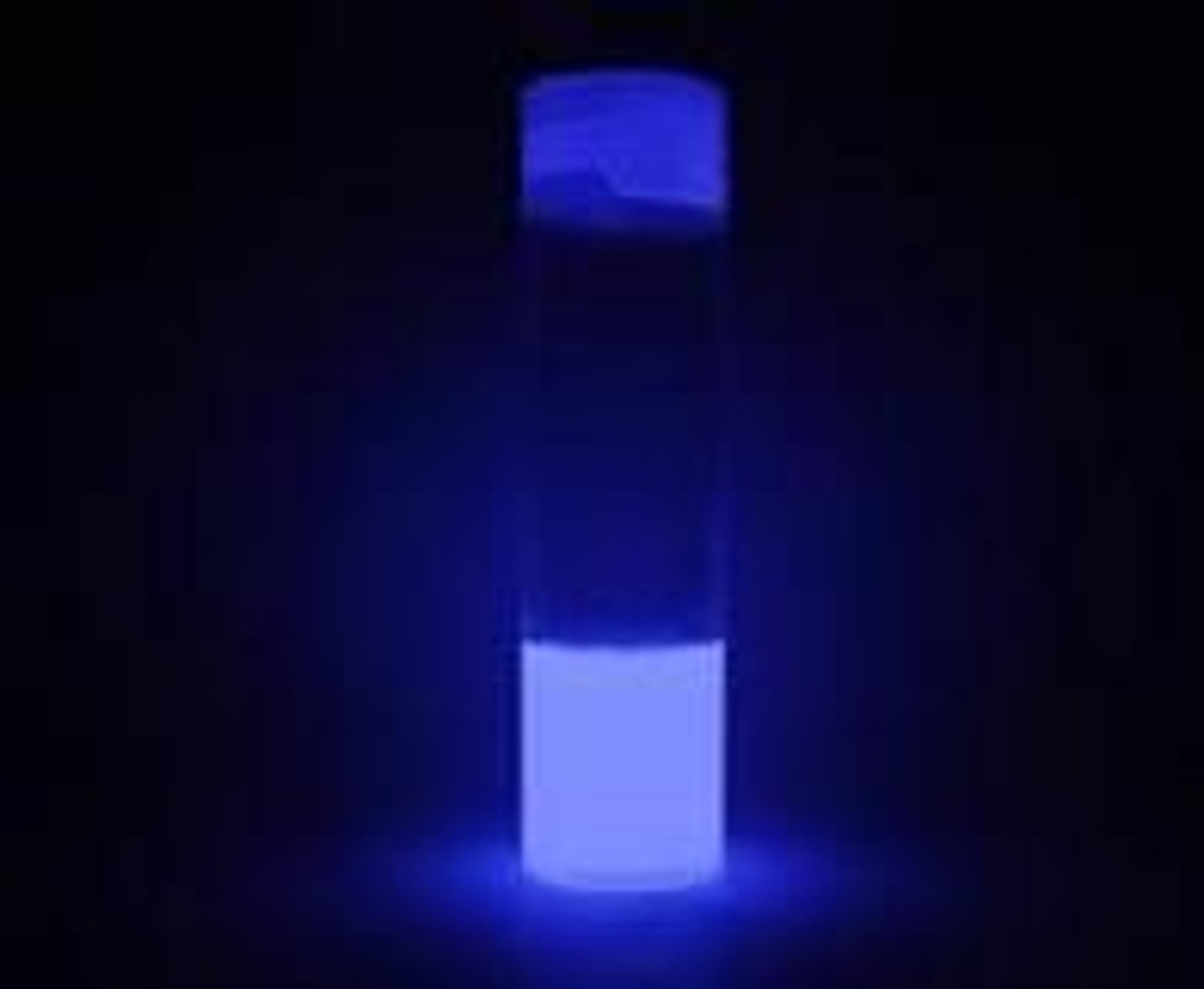
BlueScreen HC: The luminescent adaptation of GreenScreen
Gentronix Ltd.BlueScreen HC is based on the fast, accurate GreenScreen HC genotoxicity assay from Gentronix Ltd. BlueScreen HC uses the same human-derived, p53-competent TK6 cells to host a patented reporter system that exploits the proper regulation of the GADD45a gene. However, in place of GFP, BlueScreen HC utilizes a luciferase from the marine copepod Gaussia princeps to generate a luminescent output. The BlueScreen luminescent assay delivers both high specificity and high sensitivity and detects all common mechanistic classes of genotoxin, just like GreenScreen HC. The 96-well microplate format of BlueScreen is rapid to set up and results are generated after 48 hours’ incubation. A single microplate is sufficient for the simultaneous testing of 8 compounds and the protocol is readily automated using standard laboratory equipment. The superior signal-to-noise ratio makes it more suitable for adaptation to even higher throughput screening in 384-well format. The BlueScreen luminescent output also circumnavigates issues of test compound autofluorescence.Key Principles of BlueScreen: GADD45a plays an important role in mediating the adaptive response to genotoxic stress. The patented system incorporates complex regulatory elements to enable a faithful GADD45a response. The assay generates positive results for direct-acting mutagens, clastogens, as well as aneugens, and topoisomerase and polymerase inhibitors. Importantly, correct negative results are produced for non-carcinogens, many of which give misleading positive results in other in vitro genotoxicity tests. A metabolic activation protocol using rodent S9 liver extract extends the range of compounds detected to include genotoxic metabolites. Bluescreen Assay Protocol: BlueScreen HC uses a single cell strain, which permits 8 compounds to be tested across 8 dilutions (2-fold serial), together with untreated and positive controls, in one 96-well microplate. After arraying test compounds and dilutions, growing cells are added to each well. For studies without S9 metabolic activation data are collected after incubation (48h) using a multimode microplate reader. For studies incorporating S9 metabolic activation, cells are washed after a 3h incubation with test compound and S9. Measurements are made by microplate reader after a further 45h incubation period. Simple software gives automated decisions and a clear graphical output, including a complimentary indication of cytotoxicity (RCD).
in vitro Comet Assay by Contract Service
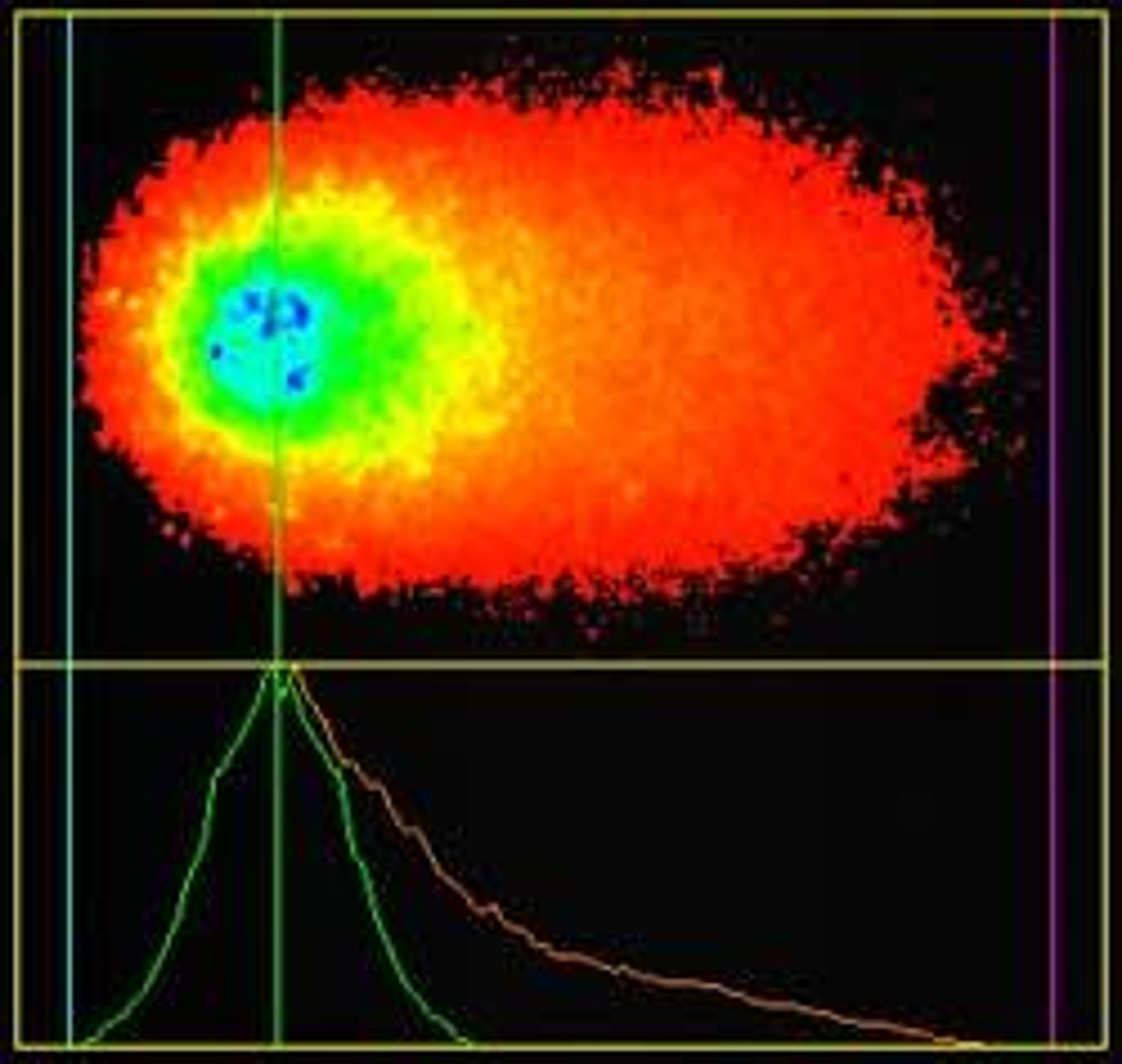
Gentronix Ltd.Sensitive DNA damage assessment Very low compound requirement Rapid turnaround, ideal for screening Reliable testing by genetic toxicology experts Assay Principles The Comet assay, also called single cell gel electrophoresis, is a technique used for the sensitive detection of DNA damage in individual cells following exposure to a test compound. Electrophoresis is performed on exposed cells that have been embedded in agarose microgels. Damage resulting in DNA fragmentation is detectable by migration away from the nucleus. A DNA-stained damaged cell reveals the characteristic comet-like appearance: a bright ‘head’ (nucleus) and a ‘tail’ streak (damaged DNA). Types of damage measured include DNA strand breakage, DNA adducts, oxidative damage and cross-links. The length of the comet ‘tail’ and the intensity of DNA staining within it are proportional to the extent of DNA damage.