
Exclusive Clinical Laboratory Automation Interviews with Siemens Healthineers

Filmed during AACC 2016, these video interviews provide exclusive insight into advanced clinical laboratory automation

27 Oct 2016

Sonia Nicholas
Managing Editor and Clinical Lead

Editorial article

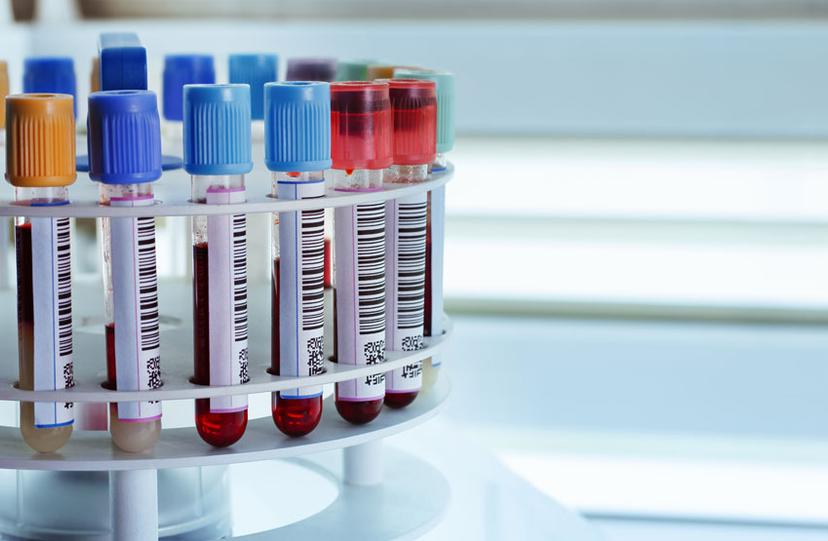
Image: Shutterstock


SelectScience® attends scientific meetings around the world, to speak to industry specialists and experts on the very latest clinical laboratory automation technology. During this year’s AACC Annual Meeting and Clinical Lab Expo, SelectScience® met with representatives from Siemens Healthineers to provide you with these exclusive video interviews.

1. Pioneering New Immunoassay System Improves Laboratory Efficiency
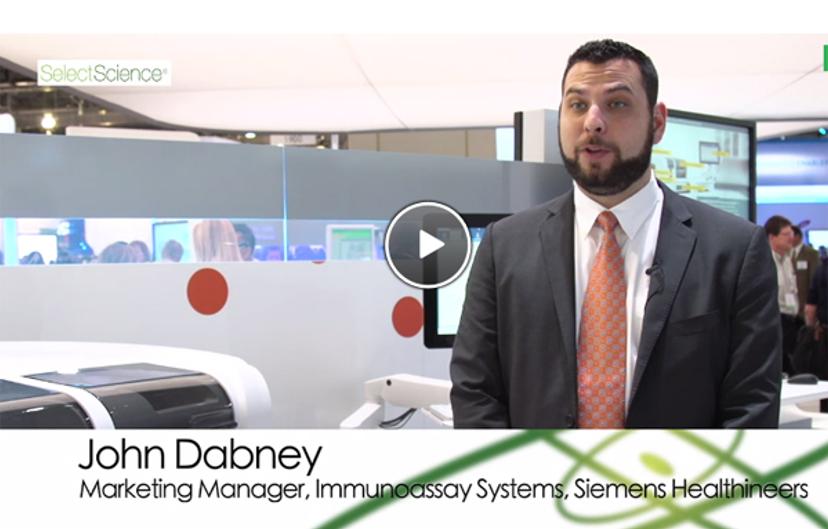
John Dabney, Marketing Manager, Immunoassay Systems, Siemens Healthineers


Watch this video to learn more about the ADVIA Centaur® XPT Immunoassay System, one of the highest-throughput systems available to clinical laboratories. Find out how the latest updates including reduced maintenance, upgraded software, innovative workflow solutions and new user interface are helping laboratories become more efficient.

Do you use the ADVIA Centaur XPT System? Leave a review today!

2. Improving Graves’ Disease Diagnosis with an Automated TSI Assay

Dr Linda C. Rogers, Senior Clinical Consultant, Siemens Healthineers


Graves’ Disease is an autoimmune condition that affects the thyroid. Watch this video to learn how the new, automated, semi-quantitative, Thyroid-Stimulating Immunoglobulin (TSI) Assay from Siemens Healthineers is enabling fast, differential diagnosis of this chronic condition.

Do you use the Siemens TSI Assay on the Immulite 2000? Leave a review today!

Links

Tags

HematologyIn Haematology / Hematology, complete blood cell counts (or full blood counts) are obtained using automated blood count analyzers to enumerate blood cell types.  Hematology also encompasses haemostasis and coagulation, thrombophilia and hemophilia, plasma viscosity and ESR analysis, hemoglobinopathies, cell morphology and haematinic measurement.ImmunologyImmunological techniques measure and characterize immune responses. Immunology kits and analysis systems often use techniques such as ELISA, radioimmunoassay (RIA) and immunodiffusion assays, Immunohistochemistry, and flow cytometry. Immunologists use equipment such as flow Cytometers, plate readers, plate washers and fluorescent microscopes.Point-of-CarePoint-of-Care Testing (POCT) or Near Patient Testing (NPT) products are available for urine, blood and other clinical chemistry analyses. POCT includes: blood glucose testing, blood gas and electrolytes analysis, rapid coagulation testing (PT / INR), rapid cardiac markers diagnostics, drugs of abuse screening, urine strips testing, pregnancy testing, fecal occult blood analysis, food pathogens screening, hemoglobin diagnostics, infectious disease testing and cholesterol screening.Clinical ChemistryBiochemistry (or clinical chemistry) involves the analysis of bodily fluids using chemical tests. Techniques used include HPLC, chromatography, spectroscopy, mass spectrometry, immunochemical, electrophoresis, turbidometric / spectrophotometric assay, MRI and ISE analysis. Tests are often carried out on plasma or serum but urine (urinalysis) and fecal specimens are also processed.Clinical MicrobiologyMicrobiology is the study of microorganisms including protists, prokaryotes, fungi, and, often, viruses. Microorganisms are a useful research tool as genetic vectors and, in immunology, for antibiotic susceptibility testing, cellular biology and genetics. Microorganisms commonly grow readily in incubators with microbial culture media; this can contain chromogenic supplements to differentiate between cell lines. Estimate your culture’s density of microorganisms with colony counters, or screen and select colonies for desirable clones with automated colony pickers. Additionally, equipment is available to monitor environments for the presence of microbes and identify with microbial identification instruments. Find the best microbiology products in our peer-reviewed product directory: compare products, check customer reviews and receive pricing direct from manufacturers.Clinical AutomationClinical laboratory automation refers to the use of automated systems in clinical laboratories to increase efficiency, reduce human error, and improve patient care. From sample analysis to total laboratory automation, this plays a critical role in modern diagnostics and laboratory workflows. Explore clinical automation solutions in our peer-reviewed product directory; compare products, check reviews, and get pricing directly from manufacturers.