
Effective Library Preparation for NGS Analysis of Liquid Biopsies at Cancer Research UK Manchester Institute
Using circulating cell-free DNA to analyze pancreatic cancer
9 Sept 2016
Using circulating cell-free DNA to analyze pancreatic cancerCancer Research UK Cancer Research UK is the world's largest independent cancer research charity, conducting research into the prevention, diagnosis and treatment of the disease. Research activities are carried out in institutes, universities and hospitals across the UK, both by the charity and by grant-funded researchers.
Dr Mahmood Ayub, post-doctoral fellow in the Clinical and Experimental Pharmacology group at Cancer Research UK Manchester Institute, and working under the leadership of Caroline Dive and Ged Brady, uses liquid biopsies to study blood biomarkers present in circulating, cell-free DNA (cfDNA) originating from tumors.
Liquid biopsies are non-invasive blood, plasma, or other samples that are used to analyze disease and progression for a growing number of applications such as cancer progression and treatments, prenatal testing, rheumatoid arthritis research. They are now favored as a non-invasive and cost-effective solution, compared to traditional biopsy methods.
For cancer research, liquid biopsies can detect circulating tumor cells and fragments of tumor DNA that are shed into the blood from the primary tumor and from metastatic sites.
There is a real need to identify reliable biomarkers for measuring tumor growth, metastasis and response to treatments; liquid biopsies open up the possibility to study evolution and progression of cancer anywhere in the body, previously prohibited due to the high risk, pain, cost and other limitations of taking many small tumor biopsies.
Detection of cancer-associated alleles in the blood is very difficult. The quantity and quality of tumor derived cfDNA can vary dramatically and scientists are usually working with very low inputs of DNA. Accurate reporting of cfDNA sequence variations is absolutely essential.
Next-generation sequencing (NGS) is now the leading technology for identifying what is going on at a cellular level and what instructions are being given to the cell. Improvements in this sequencing technology and automation now mean sequencing a large number of genes simultaneously from numerous samples is routinely possible.
Combining NGS with liquid biopsies
The work that Dr Ayub and his group have been doing on pancreatic cancer is a perfect example of the benefits of NGS and liquid biopsies. Dr Ayub and his colleagues use liquid biopsies to track target cancer genes. About 90% of this research is performed with liquid biopsies, samples of human plasma or blood, from which they extract the cfDNA to analyze with NGS after a library preparation step.
Dr Ayub explained, “There are clinical complications for the patient with the surgery required for traditional tumor biopsies as often they are already quite ill. Liquid biopsies avoid this completely, and additionally are a really good alternative to search for biomarkers because you can also take samples from multiple time points, giving you longitudinal samples which allow you to see how the tumor and its NGS signature evolves over time.”
For the library preparation step, the Clinical and Experimental Pharmacology group uses the Accel-NGS® 2S Hyb DNA Library Kit from Swift Biosciences. “The main benefit of the kit is that you can start with a low input amount and still get DNA from it. That is one of the problems when you are working with circulating tumor DNA – you don’t have that much to start with.”
Sequencing from the low amount of input DNA typically available in liquid biopsies requires a high-quality DNA library preparation method. Swift Biosciences range of DNA library products utilize a proprietary adapter attachment chemistry that has numerous benefits over other available methods, maximizing library yields from low DNA inputs.
“When you get the circulating cfDNA from the liquid biopsies, you can’t just put it directly onto the sequencing machine. You’ve got to prepare it so it is ready for these platforms. I tried many other kits as well as some home-grown kits, and in the end the product that gave the highest library yields from a minimum amount of starting material was the Swift Biosciences’ Accel-NGS Kit”.
As well as recommending the Accel-NGS® 2S Hyb DNA Library Kit based on the consistent, high-quality data it generates, Dr Ayub also commented on the strong customer support they have received from the company.
TARGETing cancer
Dr Ayub, within his group at the Clinical and Experimental Pharmacology group at Cancer Research UK Manchester Institute, has developed a standard workflow for studying the progression of pancreatic cancer using biomarkers present in liquid biopsy samples. This workflow is now being implemented as part of the TARGET Phase I clinical trial on tumor characterization and treatment. The aim of the trial is to aid and guide treatment for the patients involved, by having molecular biologists, clinicians and bioinformaticians working together combining the efforts and experience of a number of different disciplines, sources and multiple sites to provide the focus for better patient treatment.
TARGET trial sees clinicians working together with the Director of the research institute as well as a diagnostics group from the hospital. Dr Ayub’s group are combining all the molecular data with the clinical data for the patients, and looking at the NGS data generated using Swift Biosciences’ Accel-NGS® 2S Hyb DNA Library Kit and the workflow they have developed.
The TARGET trial is now a key focus for the Clinical and Experimental Pharmacology group. It is one of hopefully many such trials the group will be collaborating on as we see a move towards personalized medicine using liquid biopsies as one of the key inputs. In addition, the Clinical and Experimental Pharmacology group have put the Accel-NGS® 2S Hyb DNA Library Kit forward as a recommended technology to the new Cancer ID project, a brilliant new Europe-wide initiative bringing together individual researchers and groups to create a liquid biopsy consortium.
Have you used any of the products mentioned in this article? Share your experiences and write a product review to be in with the chance of winning an iPad Air® or $400 (or equivalent) Amazon® vouchers!
Find out more about cancer research on our dedicated community page.
Related products
Request Quote for All Products
Swift Accel-NGS® 2S Hyb DNA Library Kit (96 reactions)
Swift Biosciences, IncNGS library prep for hybridization capture
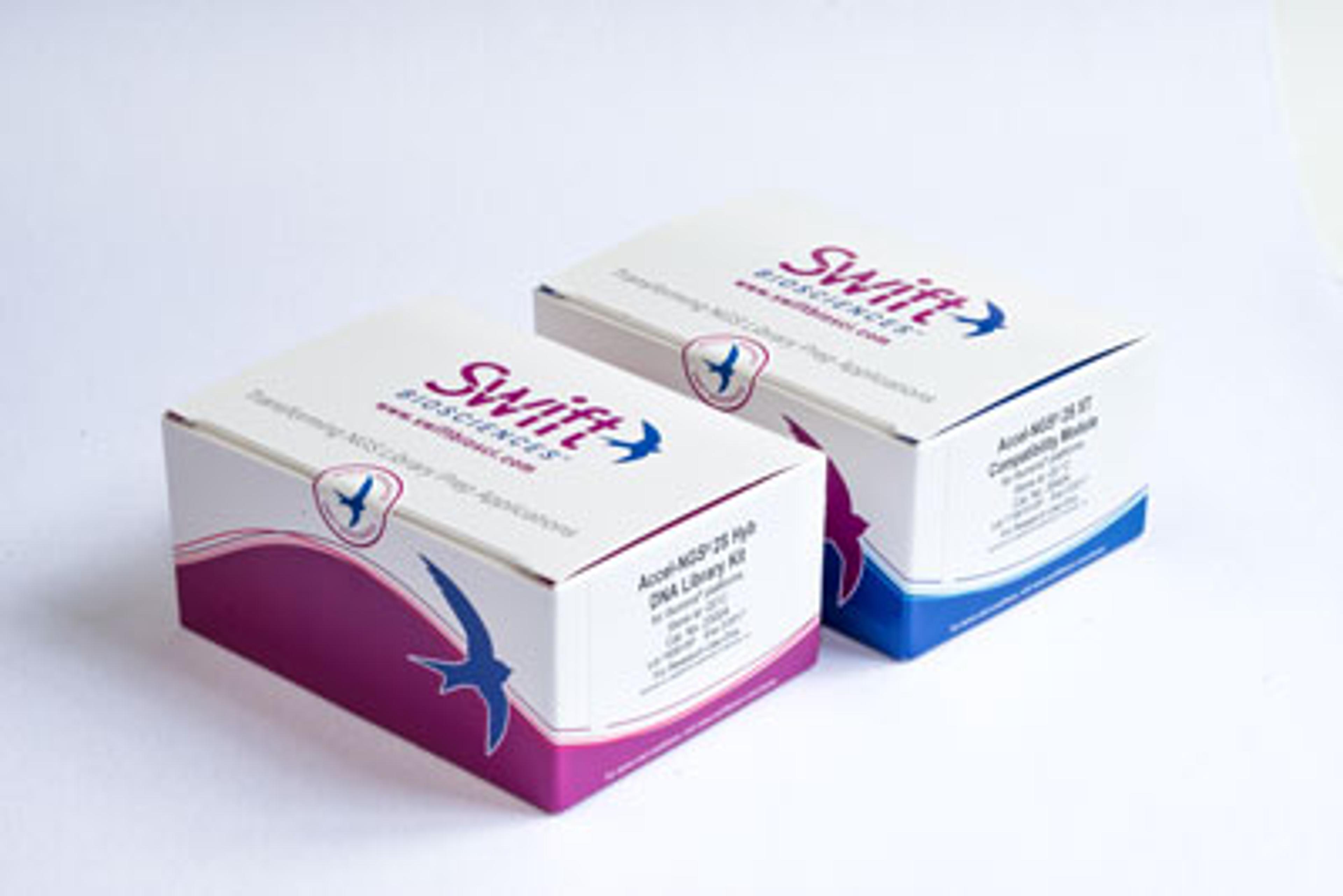
Swift Accel-NGS® 2S Hyb DNA Library Kit (24 reactions)
Swift Biosciences, IncNGS library prep for hybridization capture