
Droplet Digital PCR in immuno-oncology: Advancing quality control, biomarker discovery, and liquid biopsy monitoring
Explore the versatile role of ddPCR technology in immuno-oncology for precise and sensitive nucleic acid quantification
10 Jun 2023

Droplet Digital Polymerase Chain Reaction (ddPCR™) is a highly sensitive and precise nucleic acid amplification technique that has several applications in immuno-oncology. ddPCR technology and traditional PCR differ in their method of DNA detection and quantification. While traditional PCR uses gel electrophoresis or fluorescence-based methods for endpoint analysis, ddPCR technology partitions the sample into thousands of droplets, allowing for absolute quantification.
Mark White, Associate Director of Biopharma and Translational Product Marketing at Bio-Rad, develops new products on the Droplet Digital PCR platform. In this article, he discusses the role of ddPCR in immuno-oncology, which can serve as a valuable tool for drug developers, manufacturers, clinical researchers, and laboratorians committed to advancing patient care in the field. He describes the value of ddPCR for biomarker discovery for biopharma, quality control (QC) of cellular oncology products, and ultra-sensitive monitoring of circulating tumor DNA (ctDNA) changes in oncology liquid biopsy samples.
ctDNA monitoring with ddPCR technology for deeper clinical research insights
ctDNA refers to small fragments of DNA that are shed by tumor cells into the bloodstream. These fragments contain genetic alterations or mutations specific to the tumor from which they originated and can be used in clinical research as a non-invasive biomarker for various purposes related to cancer diagnosis, treatment monitoring, and prognosis.
dPCR technology excels in detecting low-frequency mutations with high sensitivity.
Mark White Associate Director of Biopharma and Translational Product Marketing, Bio-Rad
White explains that Bio-Rad is focused on developing accurate and sensitive methods for monitoring mutations and variations in ctDNA. Although next-generation sequencing (NGS) is a key technology in this space, implementing ddPCR can bring several benefits for ctDNA monitoring in cancer research. White says, “while NGS is effective for broad analysis and discovery, ddPCR excels in detecting low-frequency mutations with high sensitivity.”
The high sensitivity of ddPCR technology is key to its utility in ctDNA monitoring, White explains, “with ddPCR, we can detect extremely low numbers of molecules in a blood sample, even as small as 0.5% or 0.1% allele frequencies. This increased sensitivity is particularly valuable for clinical researchers analyzing residual disease after interventional measures, as it could allow early detection of disease recurrence.”
Residual disease refers to the presence of remaining cancer cells or genetic material after interventional measures have been administered. It is used to describe the small amount of cancer that may remain in a patient's body despite undergoing treatment. Detection and quantification of residual disease is crucial for improving patient outcomes by allowing timely intervention, tailoring treatment approaches, preventing disease progression, providing a better prognosis, and enhancing treatment planning. It emphasizes the importance of ongoing monitoring and surveillance to effectively manage cancer and minimize the risk of recurrence or metastasis.
White describes the role of ddPCR technology in clinical research aimed at ctDNA analysis and residual disease detection. “Recent studies have shown that ddPCR technology can detect meaningful ctDNA changes in the blood several months before imaging scans can detect changes in tumor size.” This capability holds great promise for clinical researchers and patients in terms of monitoring and managing disease recurrence. White explains, “Bio-Rad is currently investing in this area because we think it will provide real value for the market”. The evaluation of residual disease is a hot area of research because of the implications it may have for cancer management, treatment decision-making, predicting patient outcomes, and contributing to more effective and personalized cancer care.
Enhancing precision and accuracy: Leveraging ddPCR technology for quality control (QC) testing
QC testing cellular oncology products is essential to ensure patient safety, product efficacy, and regulatory compliance. This provides confidence to healthcare providers, regulators, and patients by assuring them that these advanced therapies adhere to the highest standards to deliver consistent and reliable therapeutic outcomes.
White describes the experience of Bio-Rad’s customers as they make the transition from traditional qPCR to ddPCR technology. “They were pleasantly surprised by the level of precision and reduced variability offered by the same assay using ddPCR technology, with specificity and sensitivity all measured with single-digit precision. The assay can provide coefficients of variation, with less than 5% variability between replicates, runs, operators, instruments, and other factors.”
Unlike qPCR, which calculates relative concentration, ddPCR technology counts the absolute number of target DNA molecules, providing highly precise measurements that are crucial for gaining regulatory approvals. “When seeking FDA approval, it is essential to demonstrate that the test is reliable, precise, and reproducible,” White explains. “This confidence in the test's performance allows us to ensure consistency between measurements taken today compared with those taken months from now.” This reliability can enable manufacturers to confidently meet the necessary regulatory standards during lot release testing. White believes that ddPCR is poised to become the standard within the next five years, surpassing traditional qPCR-based tests. “Regulatory bodies emphasize the need for the most accurate measurement methods, shifting towards digital readouts and absolute counts.”
The QX ONE™ Droplet Digital™ PCR System by Bio-Rad is one such ddPCR system that provides precise and accurate quantification of target nucleic acids. The system integrates droplet generation, thermal cycling, droplet reading, and analysis into a single automated precision platform. White explains, “the QX ONE ddPCR system offers fully automated walkaway capabilities, aligning with the industry's focus on scalability and efficiency in areas of drug development, including cell and gene therapy”.
“The QX ONE ddPCR system offers tremendous value with its user-friendly setup and automated workflow,” White says. “The walkaway design means users can simply load the plate and within just four hours, obtain reliable results, saving time and effort. Furthermore, we are expanding its capabilities by integrating multiple types of quality tests onto the same platform.” This standardization allows for streamlined DNA-based QC testing using the fully automated ddPCR technology. White is hopeful that, by embracing this approach, the industry can achieve enhanced ease and efficiency, simplifying processes and driving innovation.
Biomarker discovery: Enhancing biopharma development with ultrasensitive ddPCR technology performance
Biomarkers are measurable indicators found in biological samples and are valuable tools in biopharma development as they can be used to assess drug efficacy, identify potential drug targets, personalize therapeutic interventions, and more. Having robust and sensitive tools that facilitate the analysis of genetic variations, protein expression patterns, metabolite profiles, and tissue imaging data is vital in discovering potential biomarkers. These biomarkers not only contribute to the development of innovative therapies but also play a crucial role in advancing medicine. White explains, “when it comes to measuring biomarkers, especially in blood, accuracy and precision are essential. Having reliable and precise measurements is crucial because it allows us to detect subtle differences and identify meaningful variations.”
As a molecule counter that offers exceptional precision and accuracy, ddPCR technology is excelling. White comments, “it enables researchers to delve deeper into the blood and identify rare elements that were previously challenging to detect”. This represents a paradigm shift as the focus has primarily been on NGS for broader analysis and mapping. “NGS is valuable for understanding the landscape, but to pinpoint the biomarkers that truly matter, a more targeted approach is needed,” says White.
It enables researchers to delve deeper into the blood and identify rare elements that were previously challenging to detect.
Mark White Associate Director of Biopharma and Translational Product Marketing, Bio-Rad
The launch of the QX600™ Droplet Digital™ PCR System, which provides six different colors for multiplexing, expands the potential for higher plexity. “With the ability to measure multiple targets per color, we can now measure up to 24 different targets simultaneously, allowing for the rapid and accurate assessment of multiple targets in a single day,” explains White.
Methylation analysis has emerged as a promising area of research, and the utilization of ddPCR technology can be an exceptionally effective method for precisely investigating DNA methylation patterns.
This capability of ddPCR technology in biomarker discovery has garnered significant interest in biopharma, leading to exciting collaborations and advancements in product development. The combination of speed, accuracy, and multi-target analysis in ddPCR technology can offer valuable insights and accelerate the biomarker discovery process.
Shaping the future of immuno-oncology: Enhanced patient care and affordable therapies
“In the past decade, the field of immuno-oncology has witnessed an explosion of excitement with remarkable clinical efficacy seen in checkpoint inhibitors, cell therapies, and gene therapies,” comments White. This holds potential in revolutionizing patient care by offering groundbreaking therapies that harness the power of the immune system to combat cancer and potentially provide durable and transformative outcomes for patients. White adds, “the challenge now lies in delivering these promising treatments to patients while addressing the high costs associated”. In this context, ddPCR technology has emerged as a promising solution for enabling accurate DNA-based quality testing and biomarker discovery, while lowering costs and streamlining processes. White explains, “ddPCR technology will play a major role in enabling accurate DNA-based quality testing for therapies like CAR-Ts and AAV therapies, as well as assisting in QC for antibody development. Moreover, ddPCR technology's high throughput, low cost, and precise DNA and RNA measurements offer an invaluable tool for biomarker discovery. By overcoming the obstacles of scalability and affordability in these areas of immuno-oncology, we can ensure that these groundbreaking therapies reach the patients who need them the most.”
Related products
Request Quote for All Products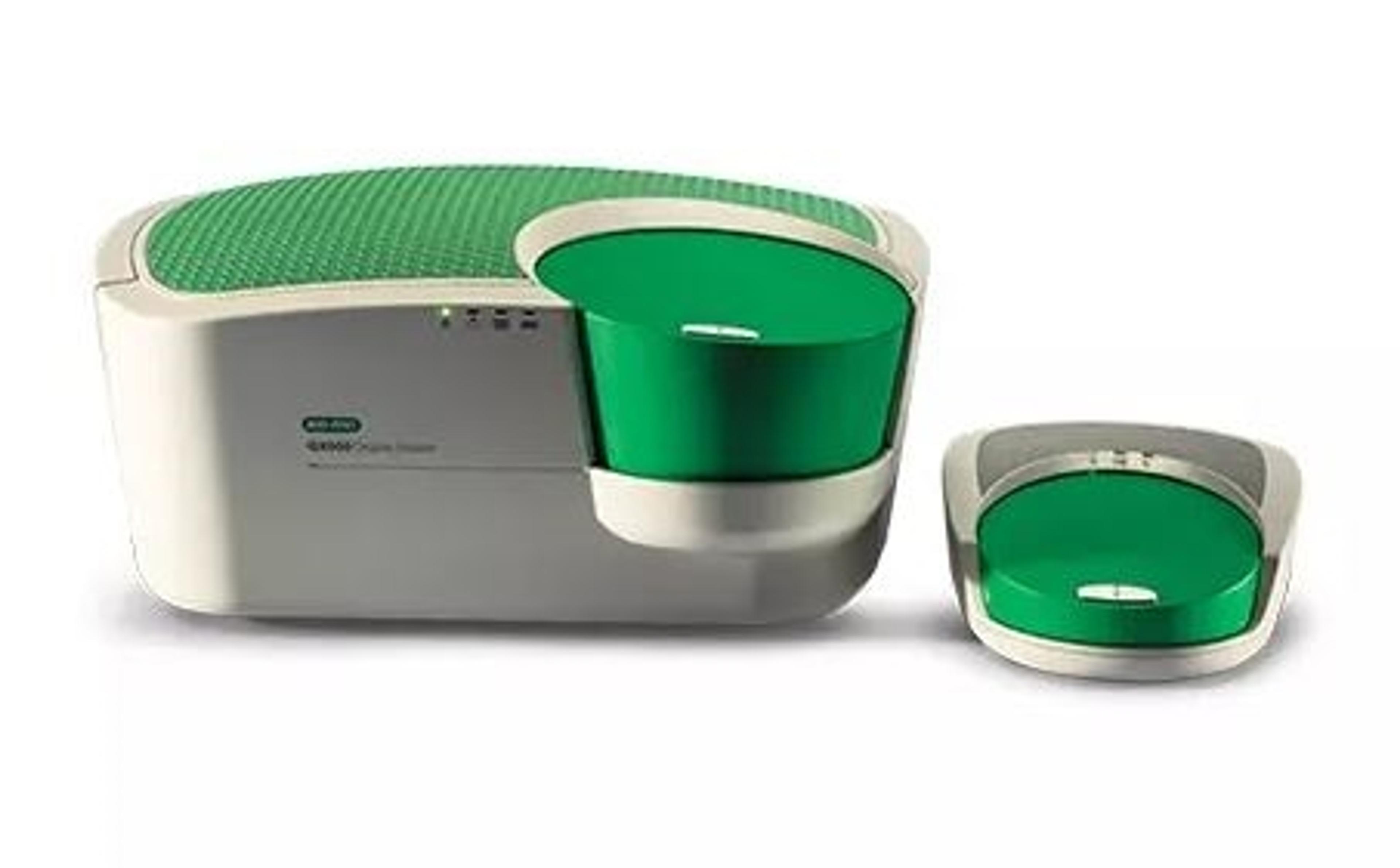
QX600 Droplet Digital PCR System
Bio-RadThe QX600 Droplet Digital PCR System (ddPCR™) offers advanced six-color multiplexing and absolute quantification of nucleic acid while delivering the best-in-class performance you have come to expect from Bio-Rad’s ddPCR systems.
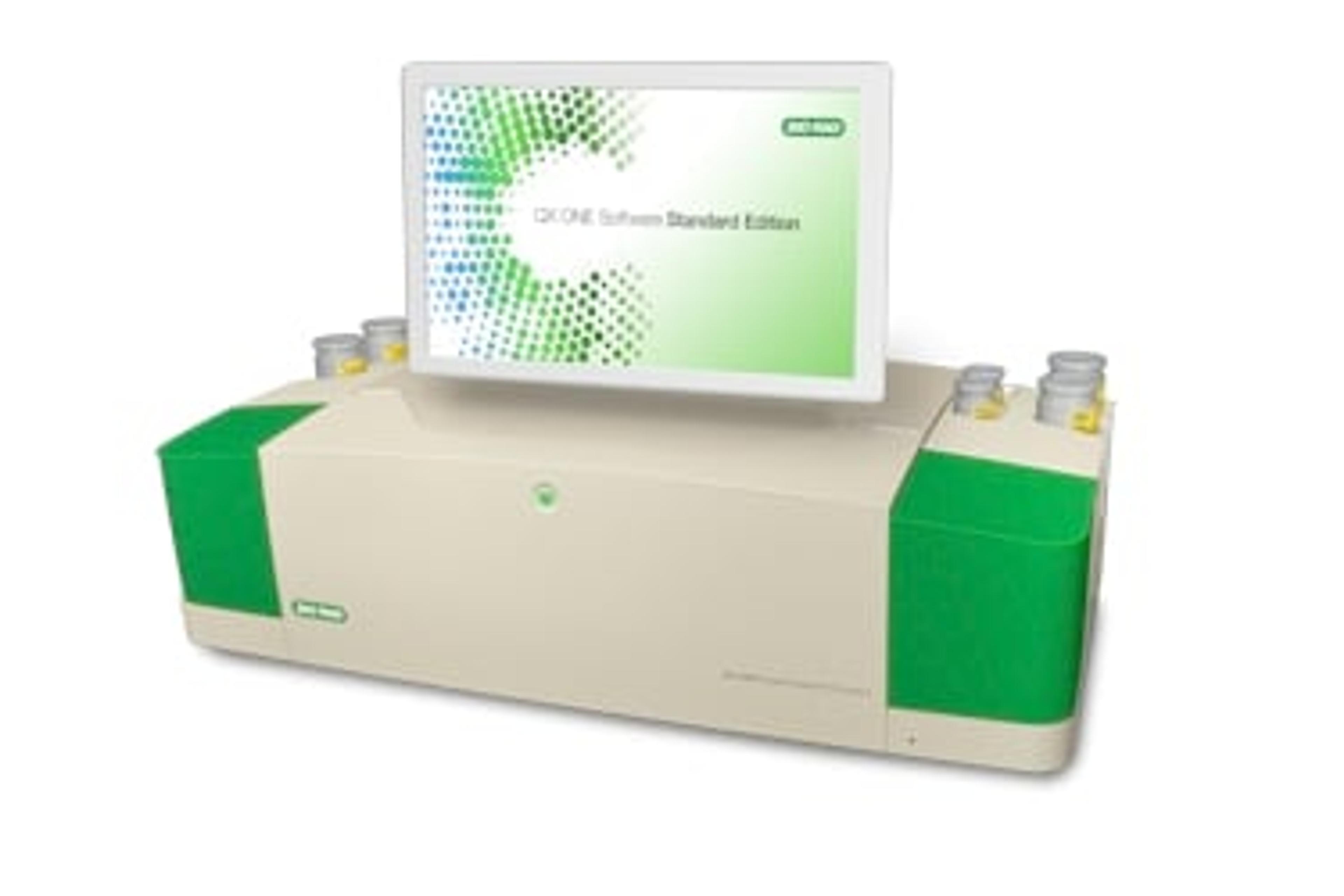
QX ONE™ Droplet Digital™ PCR System
Bio-RadThe QX ONE Droplet Digital PCR System integrates droplet generation, thermal cycling, droplet reading, and analysis into a single automated precision platform that delivers superior precision and accuracy and absolute quantification.