Determination of Phthalates in Drinking Water by UHPLC with UV Detection

Learn how to perform simultaneous determination of phthalates in drinking water, as specified in European Union (EU) Directive 2005/84/EC; U.S

2 Oct 2016

Weylan Kiam-Laine
Microbiologist

Editorial article


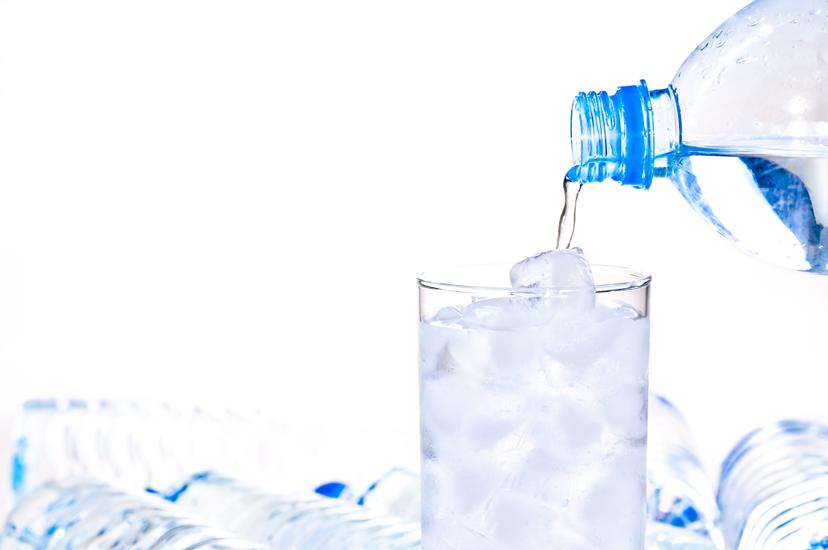
Phthalates are potentially hazardous to humans because they are endocrine disruptors. This has resulted in regulations regarding the types and levels of phthalates allowable in water containers. HPLC is used for the simultaneous detection of multiple phthalates in bottled water.

Phthalates are widely used as plasticizers for polyvinyl chloride resins, adhesives, and cellulose film coating. To date, nearly 20 kinds of phthalates have been used for these purposes. Their potential harm to human health has resulted in regulations regarding the types and levels of phthalates allowable in plastic toys, water containers, textiles, and foods.

To develop an efficient high-performance liquid chromatography (HPLC) method for the simultaneous determination of 19 phthalate compounds in drinking water. The 19 target analytes cover those speci­fied in European Union (EU) Directive 2005/84/EC; U.S.

To find out more, download the method here.

Tags

UHPLC and HPLCHigh performance liquid chromatography (HPLC) and ultra high performance liquid chromatography (UHPLC), also known as UPLC, are analytical techniques used to separate, identify and quantitate components of complex mixtures including biological samples such as proteins and lipids as well as chemical mixtures of pesticides, drugs and oils. Both techniques are liquid chromatographic methods but differ by operating pressures (HPLC < 6000 psi < UHPLC ). Components of HPLC and UHPLC systems include columns, detectors, pumps, autosamplers and column heaters. Explore a range of UHPLC and HPLC columns for your specific sample needs including reverse phase, normal phase, ion exchange, HILIC, ion exclusion and size exclusion columns. For more specialized HPLC, explore FPLC, countercurrent LC and simulated moving bed systems. Find the best UHPLC and HPLC equipment in our peer reviewed product directory: compare products, check customer reviews and receive pricing direct from manufacturers.UV-Visible SpectroscopyUltraviolet-visible (UV-Vis) spectrophotometers are used to measure the interaction of UV and visible light with a sample, including transmission, reflectance & absorbance. The two major instrument classes are single-beam or double-beam spectrophotometers. More specialized equipment includes colorimeters, spectroradiometers and refractometers. Portable and microvolume spectrophotometers are also available. For the modular spectroscopy lab, explore a range of light sources for combination with a spectrograph/spectrometer and optics. Find the best UV-Vis spectroscopy products in our peer-reviewed product directory: compare products, check customer reviews and receive pricing direct from manufacturers.Food and Beverage AnalyzersFood and Beverage Analyzers are commonly used to provide information about the chemical composition, structure and physical properties of food materials.Food and Beverage ProcessingFood and Beverage Processing involves the preparation of food products for further analysis. Typical instrumentation includes blanchers, color sorters, cookers, grinders, and refrigeration. These are used to replicate the processes commonly used in the commercial preparation of food and beverages.Water AnalysisAnalytical methods used to test the purity of drinking water include determining the level of contaminants abides to the level set by the Environmental Protection Agency (EPA).PhthalatesUVUltraviolet (UV) light is used in a variety of applications, including disinfection, spectrophotometry, and molecular biology. UV light can damage DNA, making it a powerful tool in sterilization and in studies of mutagenesis and gene repair. Explore UV-related products in our peer-reviewed product directory; compare products, check reviews, and get pricing directly from manufacturers.Beverage AnalysisBeverage analysis involves testing and evaluating the composition, quality, and safety of drinks, from alcoholic beverages to soft drinks. Techniques like chromatography and spectroscopy are commonly used to analyze flavors, nutrients, contaminants, and additives. Browse our peer-reviewed product directory to find the best beverage analysis tools, compare products, check reviews, and get pricing directly from manufacturers.Drinking Water AnalysisAnalytical methods used to test the purity of drinking water include determining the level of contaminants abides to the level set by the Environmental Protection Agency (EPA).
Determination of Phthalates in Drinking Water by UHPLC with UV Detection