
Biological Safety Cabinets Tips & Tricks
8 Sept 2016
Image - Matej Kastelic/Shutterstock
Discover how to choose the right biological safety cabinet for your application, how to get the best results from your experiments and tips from NuAire, Inc. on how to handle common problems you may encounter when working in your biological safety cabinet.
1. Purchasing Your Biological Safety Cabinet
The purchase of a biological safety cabinet should be made with much consideration. Learn about the value of a safety cabinet and how to determine your specific needs, including design, construction considerations, and the appropriate class for your applications. Download the guide>>
2. Understanding Your Biological Safety Cabinet
Discover why biological safety cabinets are the principal device used to provide containment of infectious splashes or aerosols generated by microbiological procedures. Watch the video>>
3. Air Filtration in Biological Safety Cabinets
Learn how the particle collection mechanism of HEPA filters makes them highly efficient for trapping hazardous bacterium and viruses, providing personnel protection in the biological laboratory. Download the application note>>
4. Ten Tips for Working Safely
Ensuring a good technique when working within a Class II Biological Safety Cabinet (BSC) will minimize air turbulence and prevent splatter or unwanted spread of aerosols. Discover tips for good technique that will maximize potential protection of personnel, product and environment. Download the poster or watch the video>>
5. Procedures and Techniques for a Biological Safety Cabinet
This video demonstrates the importance of proper procedures and equipment to provide primary personnel and environmental protection - biological safety cabinets are not a substitute for good laboratory practice and proper aseptic technique. Watch the video>>
6. Ten Easy Steps for Cleaning a Spill in the Biosafety Cabinet
Taking precautionary measures before and during your work with hazardous materials could help keep you and others safe. Download this application note for ten simple steps to keep you and your laboratory safe. Download the application note>>
7. Construction of your Biosafety Cabinet Matters
Learn why safety in the laboratory is so important, and how the construction of NuAire Class II Biological Safety Cabinets help protect laboratory personnel. Watch the video>>
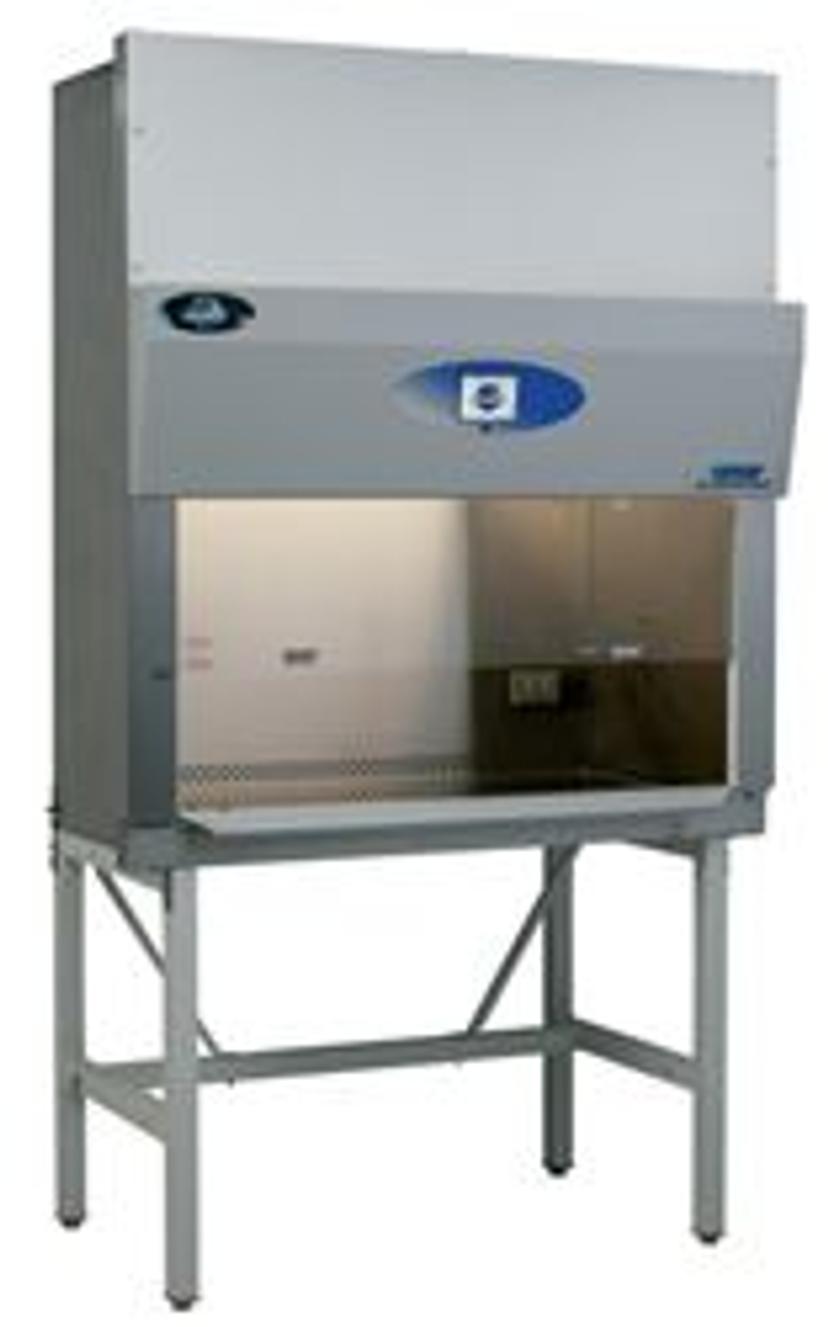
LabGard Energy Saver NU-440 Class II Biological Safety Cabinet (NuAire)

"Customer service is unbelievably proactive and helpful. Couldn't ask for a better company to purchase equipment from and start a long standing relationship with." Katie Bowden, CDC
Write a review about the LabGard Energy Saver NU-440 Class II BSC>>
Check out the range of biological safety cabinets available from NuAire, Inc. here.
Do you use a NuAire biological safety cabinet in your research? Write a review today for a chance to win an iPad® Air or an Amazon voucher worth $400 (or equivalent currency)!
Related products
Request Quote for All Products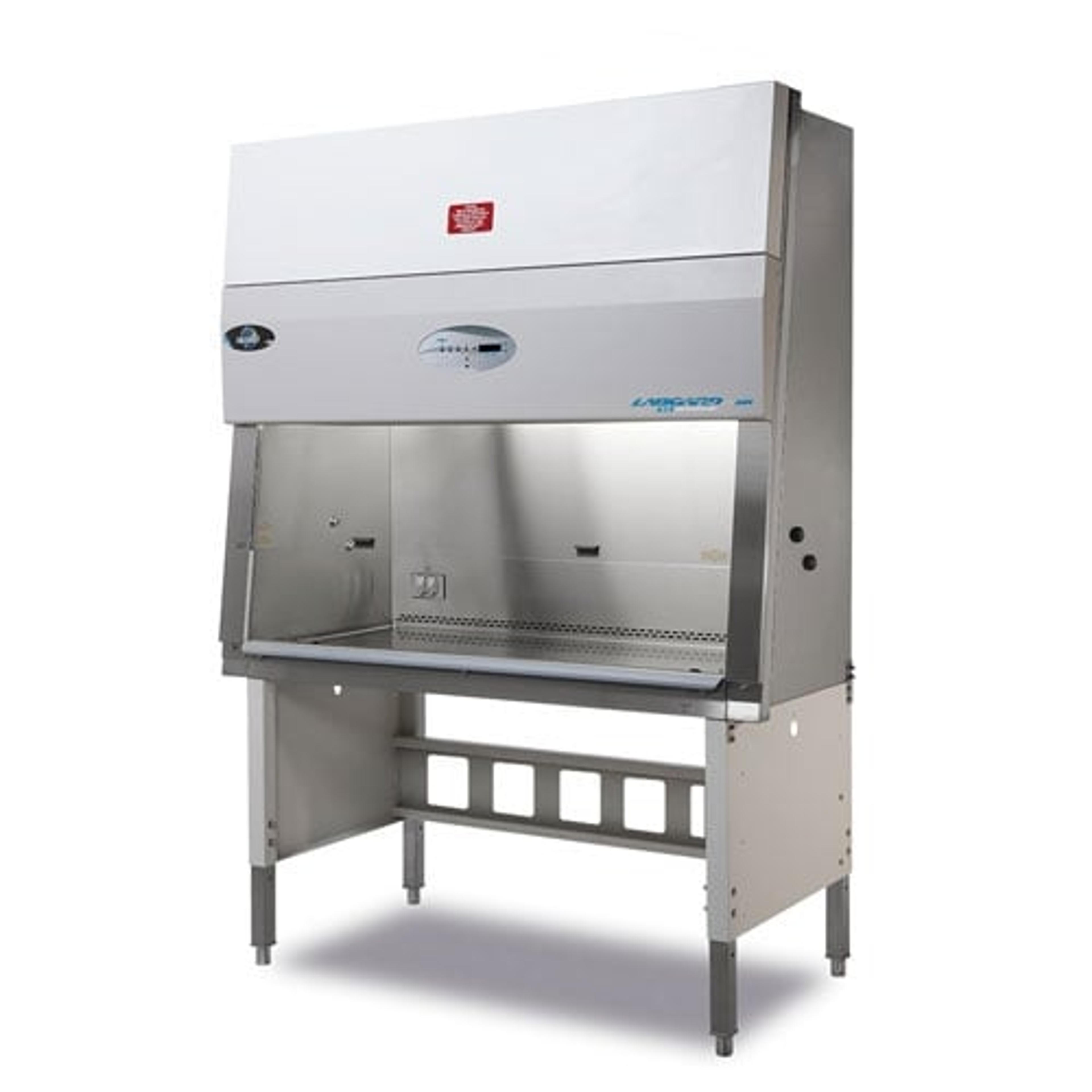
LabGard ES (Energy Saver) NU-543 Class II, Type A2 Biological Safety Cabinet
NuAire, Inc.LabGard® Air NU-543 Class II, Type A2 Biological Safety Cabinet offers the very best in personnel, product, and environmental protection by monitoring and controlling real-time airflow through the use of an airflow sensor, and displays airflow speeds on the OLED interface. The ability to choose up to three (3) different access opening heights allows our customers the option to select a larger access opening to improve technician movement and reach; select a smaller access opening to lower your total cost of ownership; or select somewhere in-between to get the best of both heights.
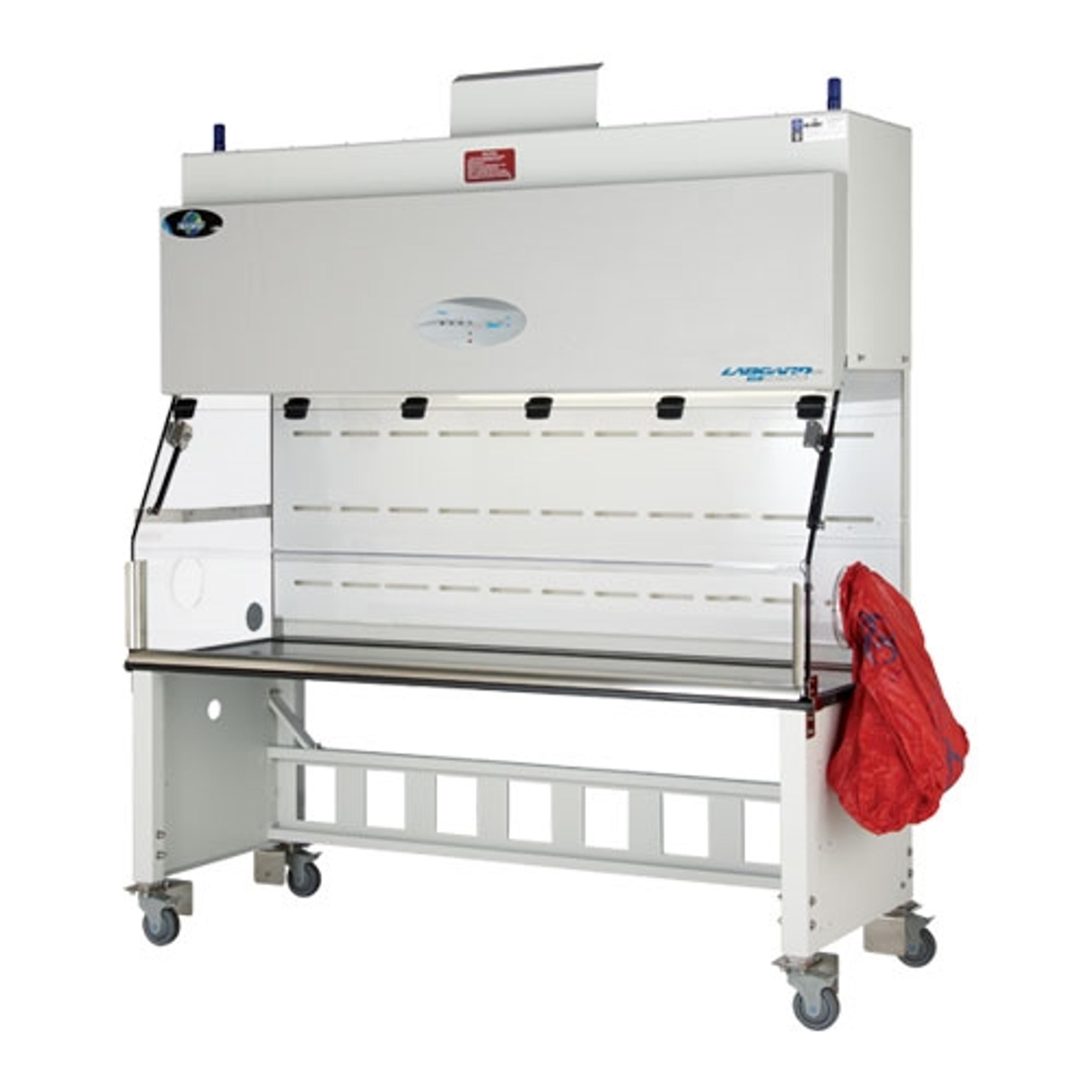
LabGard NU-813 Class I Biological Safety Cabinet
NuAire, Inc.The LabGard NU-813 provides personnel protection for handling aerosols and particulate matter of low risk assessment though a 99.99% efficient HEPA filter. The Class I Safety cabinet allows room air to enter the hood, flowing past the operator into the work access opening. This provides an air barrier which minimizes contaminants generated within the hood work zone from migrating into the room.