
'Being a scientist is not a role but a function'
Quality assurance/control manager Dimitris Georgantas discusses the need for collaboration between scientists
20 Oct 2021

Lab product reviews can change the world by helping other scientists find the best equipment to accelerate their vital work. Here at SelectScience®, we are dedicated to promoting peer-to-peer communication that will make the difference - but we couldn't do it without our esteemed reviewers. In this regular feature, we put the spotlight on some of our most dedicated and impactful reviewers and find out what inspires them to keep sharing their knowledge with the global scientific community.
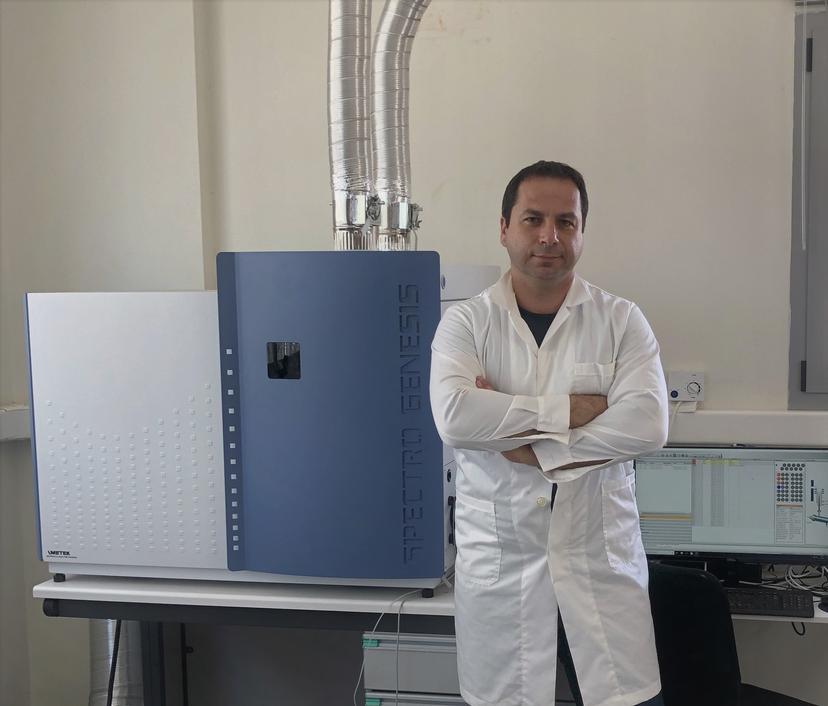
Here, we introduce this week’s Reviewer in the Spotlight, Dimitris Georgantas, QA/QC manager at GF ENERGY. An experienced and results-focused professional with a passion for preserving the environment, Dimitris is skilled in quality control and also works on several R&D projects to create new products. Here, Dimitris tells us about his mantra for the future and the importance of scientific collaboration.
Tell us a bit about yourself and your role
I hold a BSc in chemistry and a Ph.D. in chemical engineering. I am the QA/QC Manager of GF ENERGY, one of the largest biodiesel plants in Greece. My role is to monitor every step of the production (raw materials, processes, intermediate, by-products, and final products) so as to fulfill specifications and customers’ needs. I am also working on several R&D projects to create new products, use other raw materials, implement changes (lab-to-scale), and help the company to evolve for the years to come.
I would like to stay unbiased, provide reliable results, collaborate with others and help our society as much as I can.
How did you get into your specific field of work?
Since I was a student, I have always wanted to work in the industry and that’s why during my BSc, I took and practiced industrial chemistry. After my BSc, I got my Ph.D. in chemical engineering. Working in a state-of-the-art industry and especially in renewable fuels, I managed to combine both of my favorite worlds — industry, and preservation of the environment — which I am very proud of.
Why do you read and write lab product reviews?
In the field of analytical chemistry as a Ph.D. candidate, I had to do some AAS measurements. Instead of sending the samples to a lab, I used an out-of-order old PerkinElmer instrument and with minimal help, lots of work, and an old manual, I put it back in order, achieving reliable measurements. I love analytical equipment and worked for several years as an application specialist for a large analytical equipment distributor. I love to share and receive unbiased knowledge with other scientists all over the world as buying and working with robust and reliable instruments is vital to all of us, especially in an industry where you have to achieve results in minimal time.
Why do you think collaboration in science is so important?
Being a scientist is not a role but a function. Analytical scientists provide results that could influence industry, health and safety (from food to medication), environment, etc. Collaborating with others saves time and money and is absolutely necessary in order to provide fast and reliable results, do research on new products, optimize processes, etc. Especially nowadays when state-of-the-art technology is a must, I could never believe that progress can be made without collaboration. I would like to stay unbiased, provide reliable results, collaborate with others and help our society as much as I can.
What is the most innovative piece of lab equipment you use?
One of our latest acquisitions is a SPECTRO GENESIS ICP-OES spectrometer. We use it for various element measurements (especially P, S, Na, K, Ca, Mg) on raw, intermediate and final products. It is a really good value to money instrument. My favorite equipment is our two workhorses, our Shimadzu GCs (GC 2010 & 2014) that have been running flawlessly for over 10 years, monitoring all stages of production.
What are your future goals as a scientist?
My goal is to stay as a scientist, not by name but by function. I would like to stay unbiased, provide reliable results, collaborate with others and help our society as much as I can, no matter where I am working. Provided I stay in my current sector, I would like to be able to work on new-generation renewable fuels as, for me, technological progress and preservation of the environment can, and should grow together.
Would you like to feature in our Reviewer Spotlight? Write your review here to be in with a chance >>
Related products
Request Quote for All Products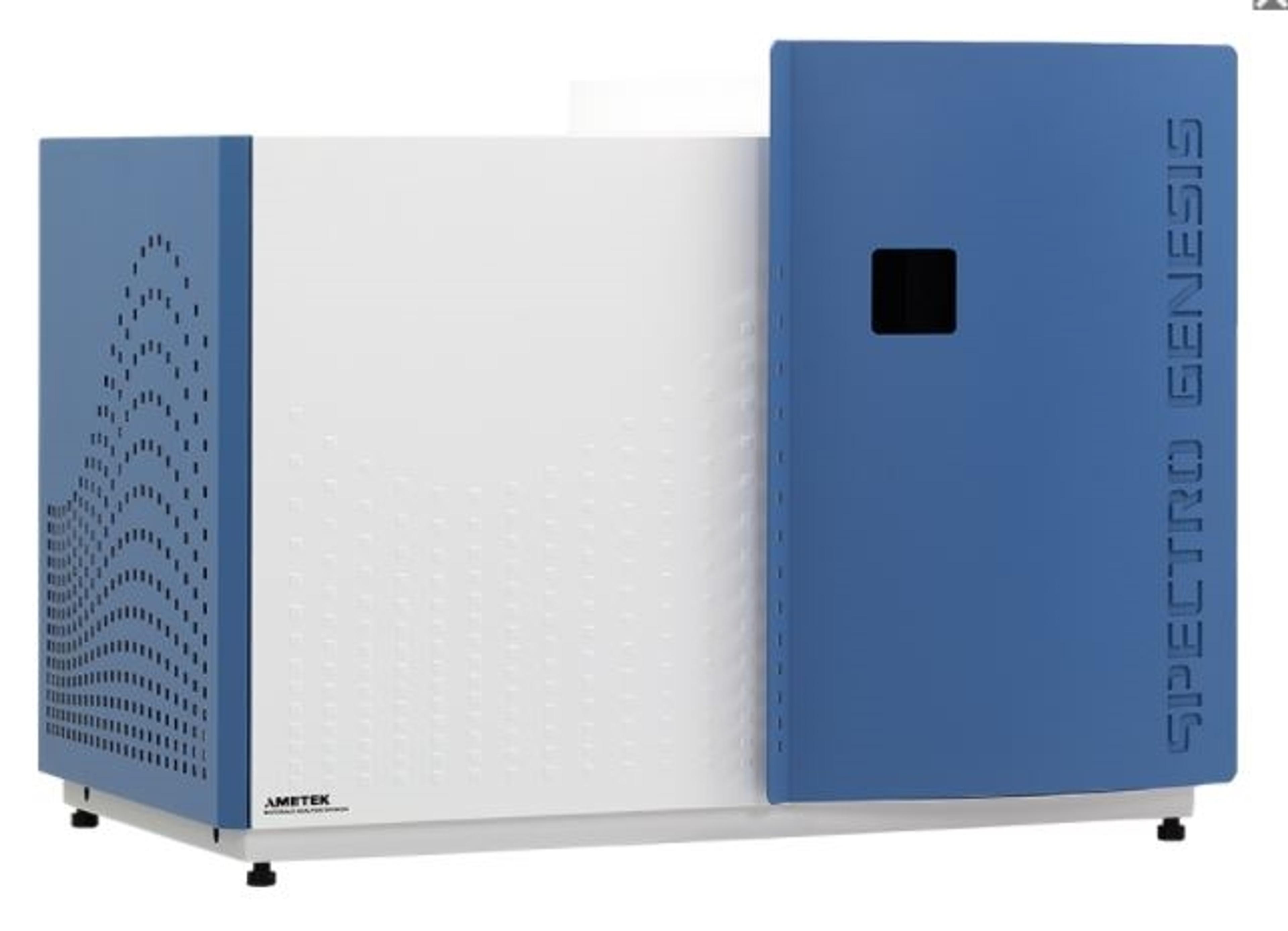
SPECTRO GENESIS
Ametek, Inc.The first and only ICP-OES spectrometer available with a complete set of factory methods
GCMS-QP2010 Plus
The GCMS-QP2010 Plus shows the highest sensitivity ever reached in a GCMS system. Ideal for rapid analysis of trace components, the GCMS-QP2010 Plus is the ideal instrument for complex organic mixtures in fields from forensics to environmental and food and flavours sciences. Intelligent software solutions like LRI (Linear Retention Index) and AART (Automatic Adjustment of Retention Times) make analysis not only easier but also secure. For highest sensitivity of target compounds and easy identification of unknowns in the same run, Scan and SIM can be set in one method file.
GC-2014
High performance for a good price-performance ratio Get the high performance of the GC-2010 now also for your routine work. Based on the successful design of the GC-2010 the GC-2014 gives best results for routine analysis for a good price-performance ratio. Whether you work with packed or capillary columns, the digital flow control of the GC-2014 delivers excellent reproducibilities.