
Andor Launches ‘Dual-AR’ Technology Offering Extended Deep-Depletion CCD Sensitivity
5 Sept 2012Andor Technology plc (Andor), a world leader in spectroscopy solutions and scientific imaging, today announces the launch of its ‘Extended Range, Dual-AR technology’ for the market-leading Newton and iDus spectroscopy CCD platforms. This new coating extends the outstanding Near-Infrared Quantum Efficiency (QE) performance of back-illuminated, deep-depletion sensors into the Visible and Ultraviolet range.
Available on the flagship Newton 920 platform and the laboratory-workhorse iDus 420 platform, the Extended Range, Dual-AR technology facilitates broadening of the QE range of back-illuminated, deep-depletion sensors through implementation of a new dual anti-reflection coating process. This new process has been developed and characterized by the sensor manufacturer e2v (Chelmsford, England). The technology also significantly improves sensitivity in the Visible and Ultraviolet regions, with ~90% or greater QE in the 500-850 nm range, whilst maintaining the standard virtual etaloning-free performance of Andor’s deep-depletion sensors in the Near-Infrared.
Antoine Varagnat, Spectroscopy Product Specialist at Andor Technology, commented “The outstanding broadband QE performance of the Dual-AR technology, combined with the superb low-etalonning performance and natural NIR sensitivity of back-illuminated deep-depletion sensors, constitute a very attractive solution for broadband luminescence / photoluminescence and absorption spectroscopy, as well as multi-laser Raman setups.”
Related Products
Request Quote for All Products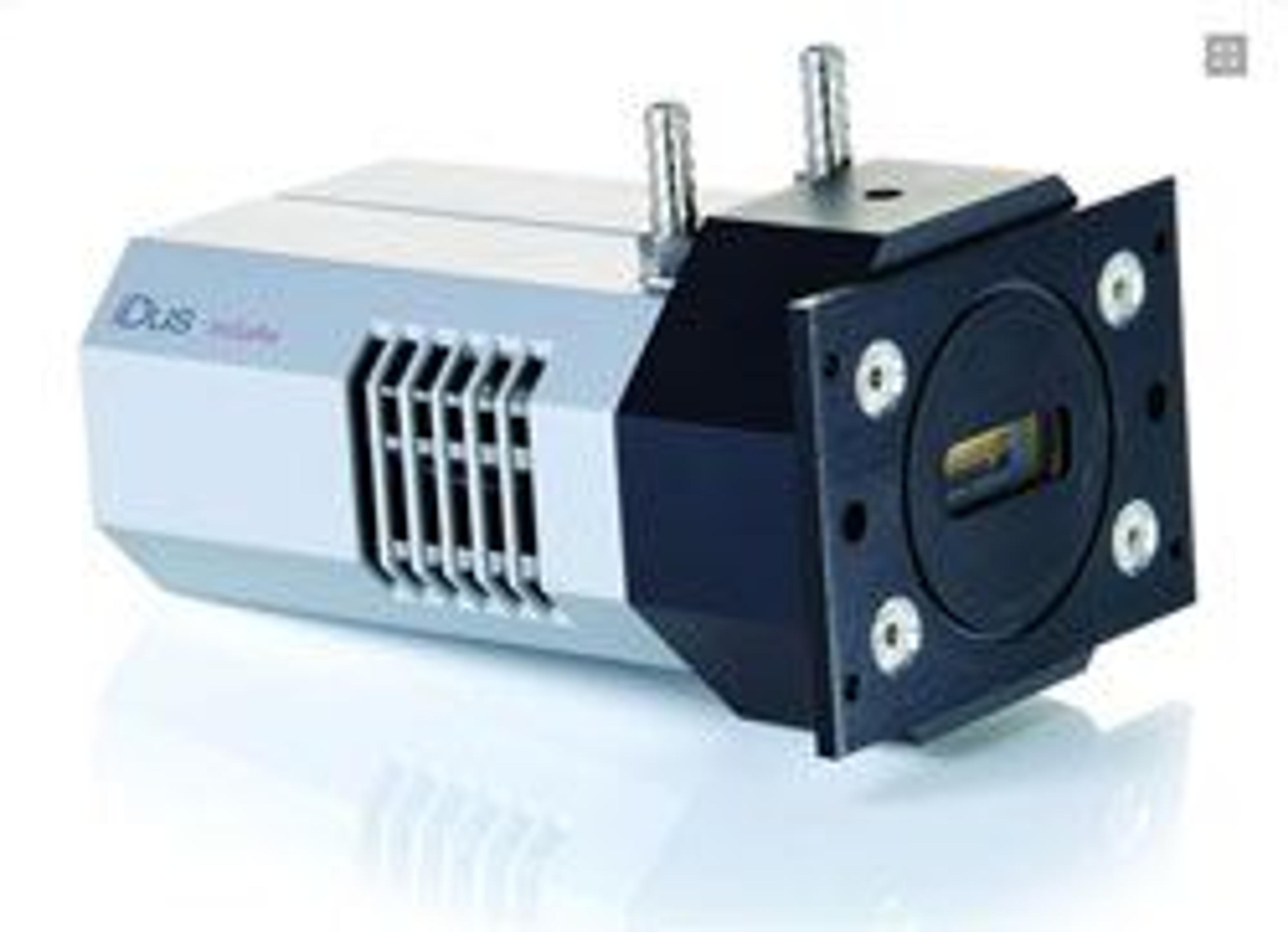
iDus Spectroscopy CCD Camera
Oxford Instruments AndorAndor's Compact and Reliable Spectroscopy CCD Technology markets evolve and we all expect to get more for our money. The Andor iDus leads the way, delivering performance that was once the preserve of high-end spectroscopy. The iDus was designed with the lowest noise to provide an ultra sensitive and high dynamic range detector for use in a wide range of both conventional and demanding spectroscopic applications such as fluorescence, raman, absorption / transmission / reflection and atomic emission. The iDus is offered with a wide range of different format sensors to optimize the detector for your specific application.
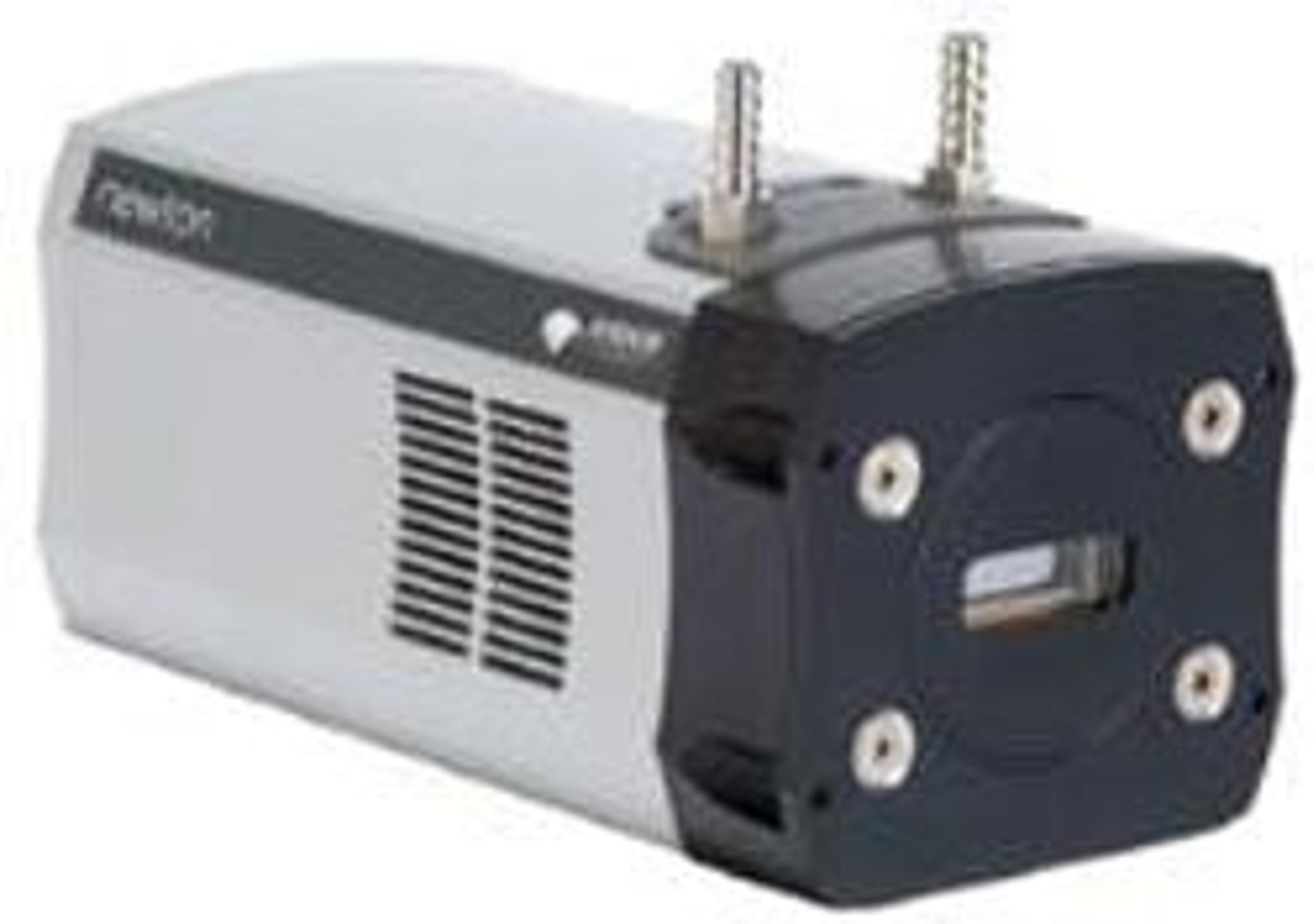
Newton CCD Camera
Oxford Instruments AndorThe Newton CCD camera is ideally suited to high-performance spectroscopic applications. The high-resolution sensors deliver up to 95% QE. Combined with Andor Technology’s low noise electronics, it provides convenient multi-Megahertz readout and USB connectivity. The camera utilizes a 1024 x 255 array of 26μm² pixels with thermoelectric cooling down to -100°C resulting in negligible dark current. The system offers the best performance for a wide range of spectroscopic applications across VUV-NIR wavelengths.