
Discussing the Advantages and Advancements of Selective Plane Illumination Microscopy for In Vivo Imaging
23 Feb 2019This application note relates information on SPIM, which has the potential to perform unperturbed in vivo imaging at cell-level resolution. SPIM is a fluorescence microscopy technique that uses a focused light-sheet to illuminate the specimen from the side. SPIM achieves excellent resolution at high penetration depths while being minimally invasive at the same time. SPIM offers a number of advantages over established techniques, such as strongly reduced photobleaching, high dynamic range, and high acquisition speed. These features make SPIM a popular technique for studying development.
Related Products
Request Quote for All Products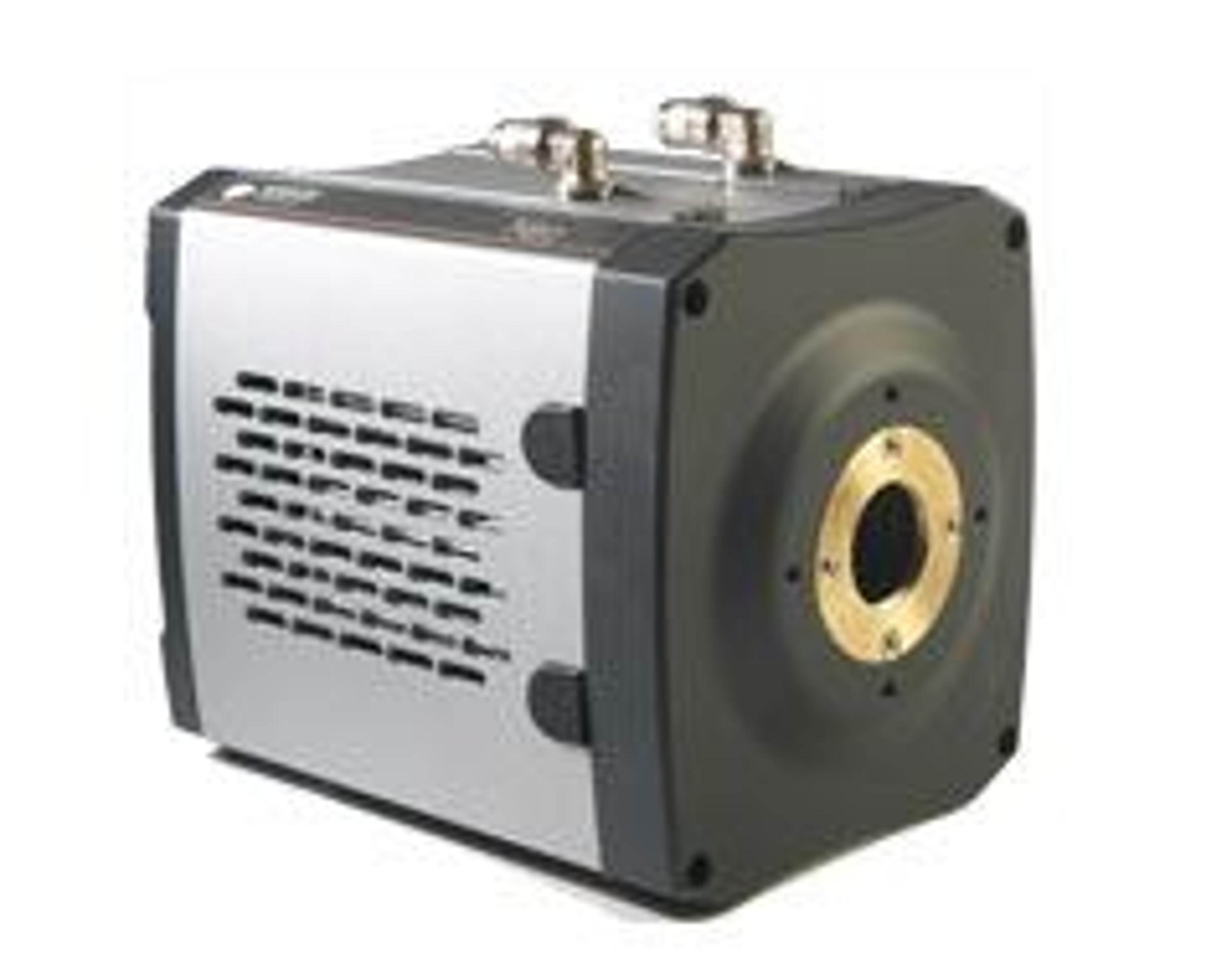
Neo 5.5 - sCMOS Camera
Oxford Instruments AndorThe Neo sCMOS Camera platform has been conceptualised and specifically engineered to harness the full performance potential of this new and exciting sensor technology. Unlike any CCD or CMOS camera to come before, Neo is unique in its ability to simultaneously offer ultra-low noise, extremely fast frame rates, wide dynamic range, high resolution and a large field of view. Neo breaks new boundaries in offering an exceptionally low read noise of 1 e- rms without the need for signal amplification technology. 100 frames/s can be reached with full frame readout, faster with region of interest selection. In Neo, these speeds are uniquely coupled to a dynamic range capability of 30,000:1 with 16-bit digitization.