
Characterizations of the 3D Spheroid Culture of an Alternative Human Hepatocyte Model and Its Responses to Liver Toxin Treatment
8 May 2017Drug-induced liver injury (DILI) remains the leading cause of safety-related drug failures during clinical trials or post-market withdrawal. The difficulty to accurately predict clinical liver toxicity highlights the need for novel in vitro model systems for liver safety assessment. The purpose of this study is to establish and characterize a 3D spheroid model with HepatoCells using Ultra-Low Attachment spheroid microplates and to evaluate responses of HepatoCells spheroids to classic liver toxins.
Related products
Request Quote for All Products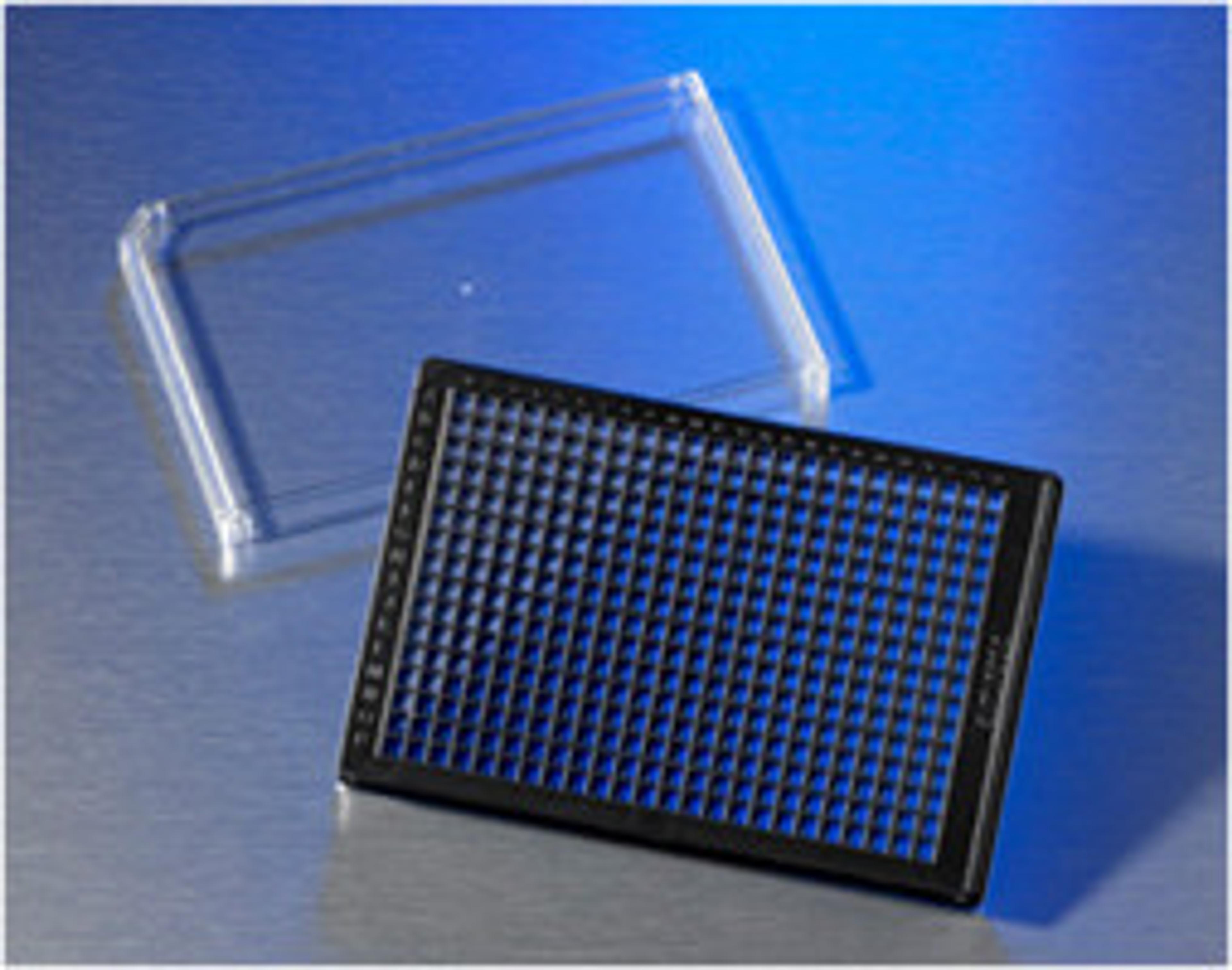
Corning® 384-well Black/Clear Round Bottom Ultra-Low Attachment Spheroid Microplate, Bulk Packed 10 per Bag, with Lid, Sterile
Corning Life SciencesUltra-Low Attachment microplates feature a covalently bound hydrogel layer that effectively inhibits cellular attachment Surface minimizes protein absorption, enzyme activation and cellular activation Surface is noncytotoxic, biologically inert and nondegradable Sterilized by gamma irradiation Black wall microplates have low background fluorescence, minimal light scatter and reduced crosstalk Opaque walls to prevent well-to-well crosstalk Can be used for both top and bottom reading instruments Bulk packed 10 per bag Novel well geometry aids formation of spheroids in center of well Optically clear round bottom with black opaque microplate body