
Analysis of organic acids using a mixed-mode LC column and an ACQUITY QDa Mass Detector
3 Jul 2022Organic acids (OA) are an important group of compounds for many industries including food and beverages, animal feeds, and human health. Download this application note to see how the performance characteristics of the analytical method, including the limit of quantitation (LOQ), the relationship between the chromatographic peak area and concentration, the precision, and the accuracy have been evaluated.
Related products
Request Quote for All Products
Empower™ Chromatography Data System
WatersThe Empower Chromatography Data System is Waters’ compliance-ready chromatography data software (CDS) for advanced data acquisition, processing, and reporting that simplifies the management of chromatography test results.
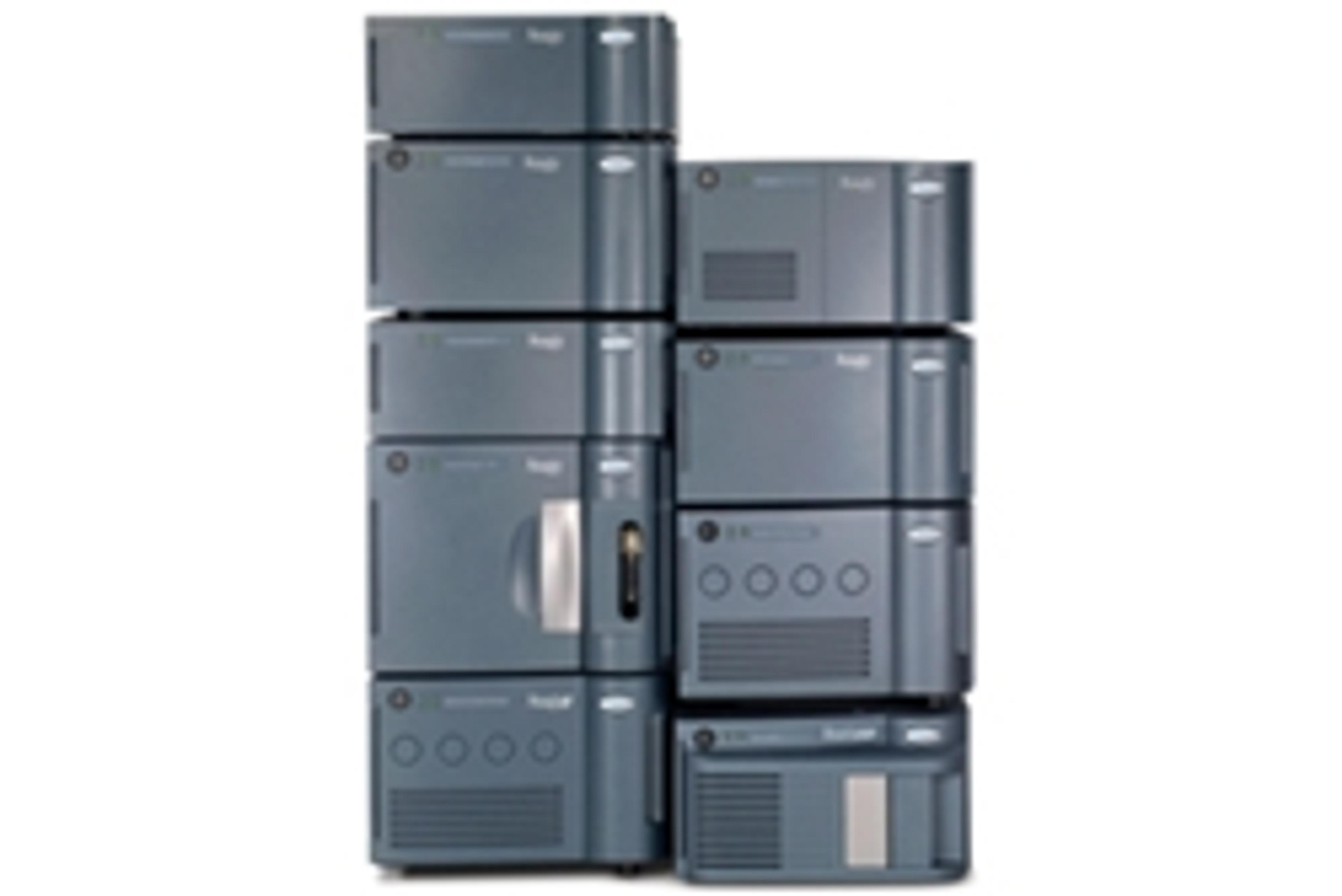
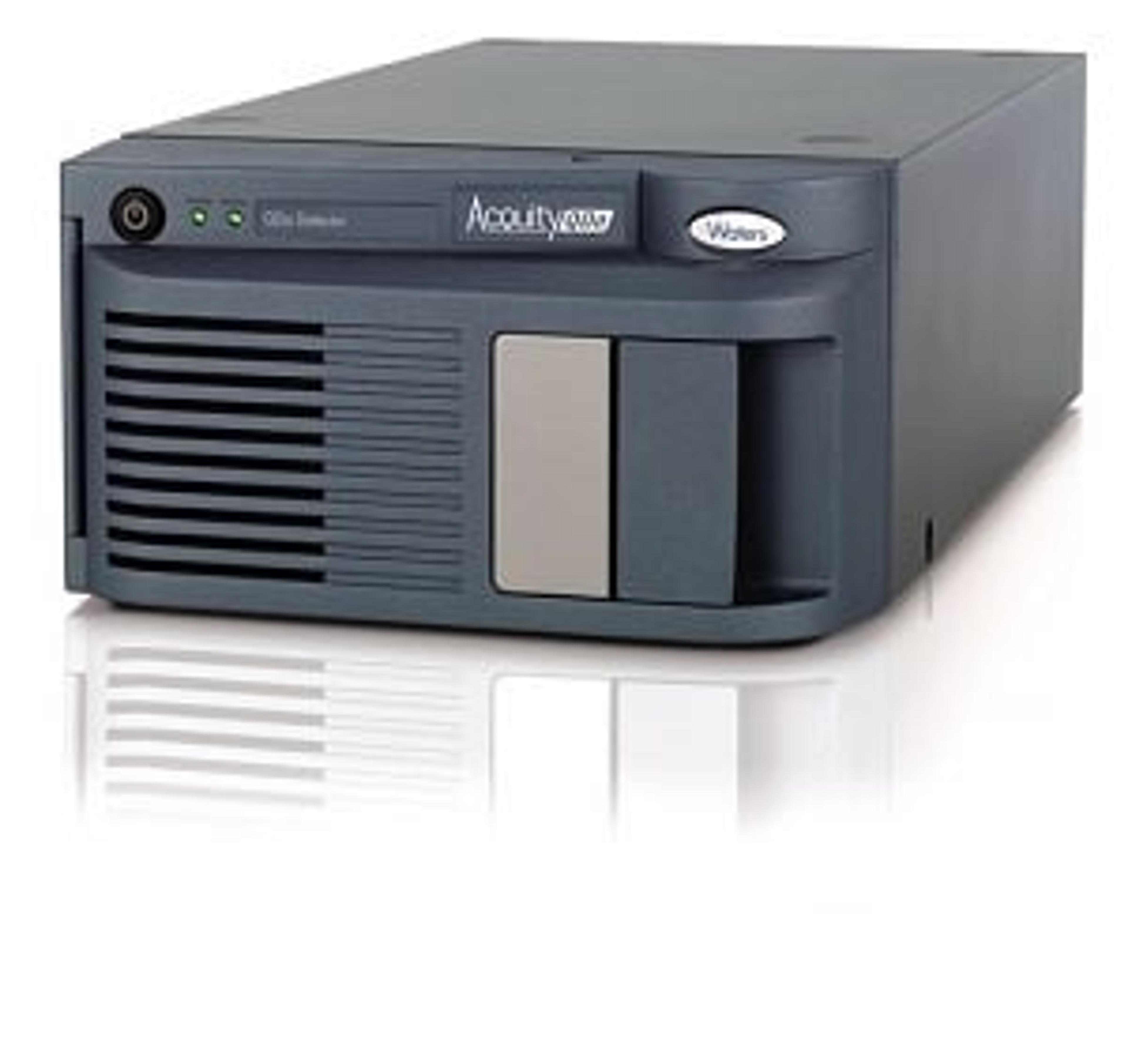
ACQUITY QDa Mass Detector
WatersThe ACQUITY QDa® Mass Detector gives you certainty above all else. You can minimize the risk of unexpected coelutions or components and confirms trace components with the analytical confidence of mass detection. The ACQUITY QDa® Detector is a mass detector built around the needs of analytical scientists for chromatographic analysis. Robust, reliable and requiring no sample adjustments, it just integrates with your current LC, ACQUITY UPLC, ACQUITY UPC2 and purification systems. You'll enhance the analytical value and productivity of each analysis, and you won't need to run all the additional assays or time-consuming alternative techniques or even wait for results from specialist labs that cost your laboratory productivity. With the ACQUITY QDa® Detector, you now have information-rich mass spectral data to complement data from your current Waters® optical detectors, including the ACQUITY UPLC PDA, TUV, ELS, and FLR detectors, as well as the ACQUITY UPC² PDA Detector. This mass spectral information integrates seamlessly into the same workflow; routinely giving you more complete separation characterization. Features: Intuitive operation More information from every sample Effortless integration Increased efficiency Resolving complexity Applications: Food & Environment Life Sciences and Pharmaceuticals Chemical