3 Ways Pharma Can Reduce Costs and Increase Innovation with ‘Green Chemistry’ Technology

29 Sept 2014

Kerry Parker
CEO

Editorial article

An expert panel at CPhI, one of the leading pharma industry conferences, warns “IPR is stifling innovation”; predicts that a “process-centric approach will achieve global revenue savings of 20 to 25%”, with “green chemistry set to help drive manufacturing cost reductions”
Revolutionary ideas to help make drug development and manufacturing more efficient, along with new technologies such as ‘green chemistry’, were identified in the first part of the CPhI annual report by world-renowned experts Vijay Shah, Executive Director & COO of Piramal Enterprises, Dilip Shah CEO of Vision Consulting and Girish Malhotra, President of EPCOT International. Each forecast their predictions for the industry, advocating radical changes that will revolutionize production processes and profits, and reduce environmental impact.

What is green chemistry?
Industrial chemical manufacturing processes use a number of organic solvents for separation and purification of products. The manufacturing process is energy intensive and is associated with generation of waste that is environmentally hazardous in nature. An important parameter to understand the efficiency of chemical reactions is the Environmental (E)-factor, which measures the kilograms of waste produced per kilogram of product. Green chemistry technology seeks to reduce the negative impact of chemistry on the environment by preventing pollution at its source and using fewer natural resources.

Three ‘Green Chemistry’ technologies:
1. Catalysis Systems
When scalable and inexpensive enzymatic conditions are screened and identified at the process research stage, the process ultimately becomes significantly more cost-effective, resulting in reduced E-factors, fewer steps and therefore less waste. A process research program can excel when expertise available in catalysis is well utilized toward green synthetic routes. This video from HEL Ltd demonstrates how a parallel reaction system for the rapid development of high pressure reactions and heterogeneous catalysis systems can work.

2. Flow Chemistry
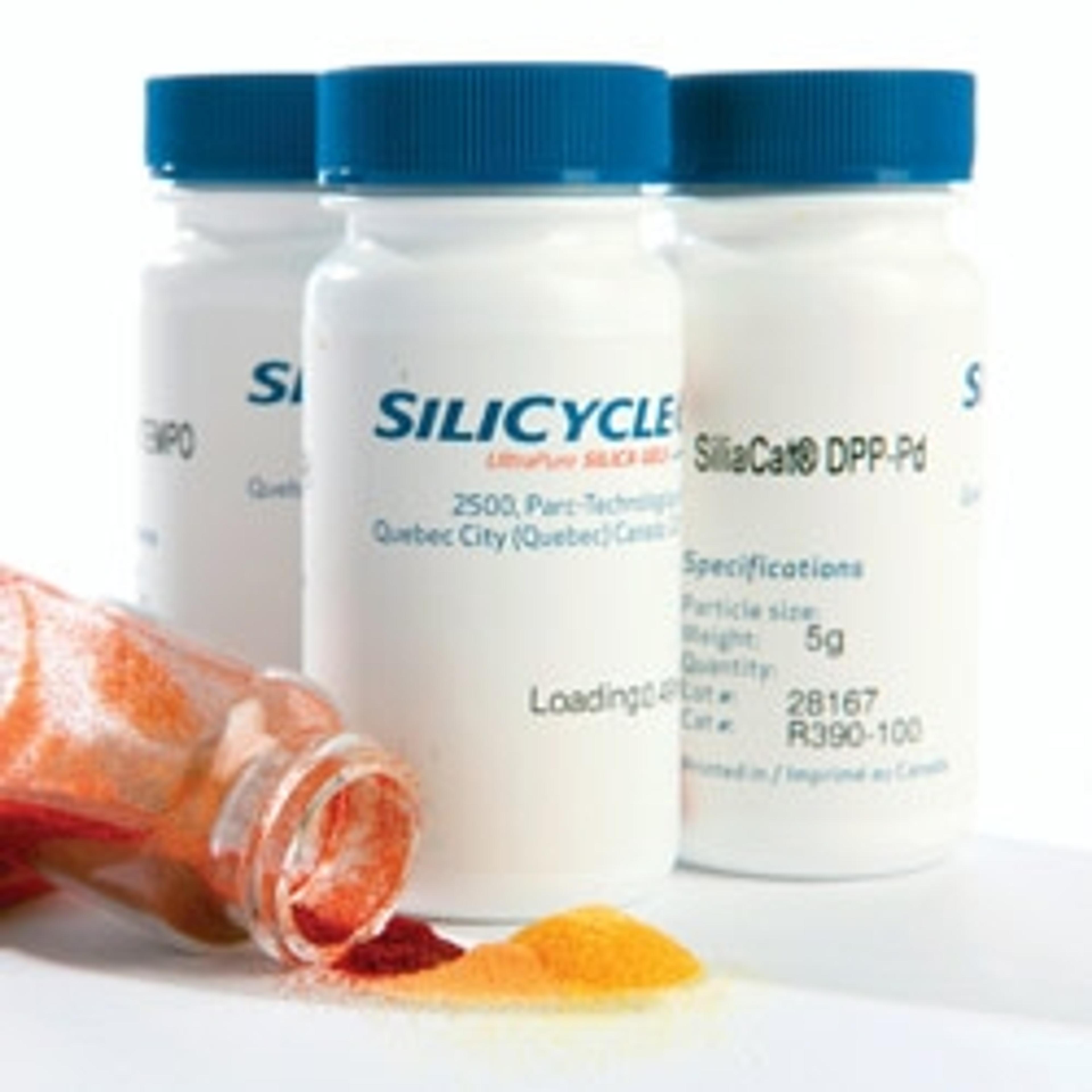
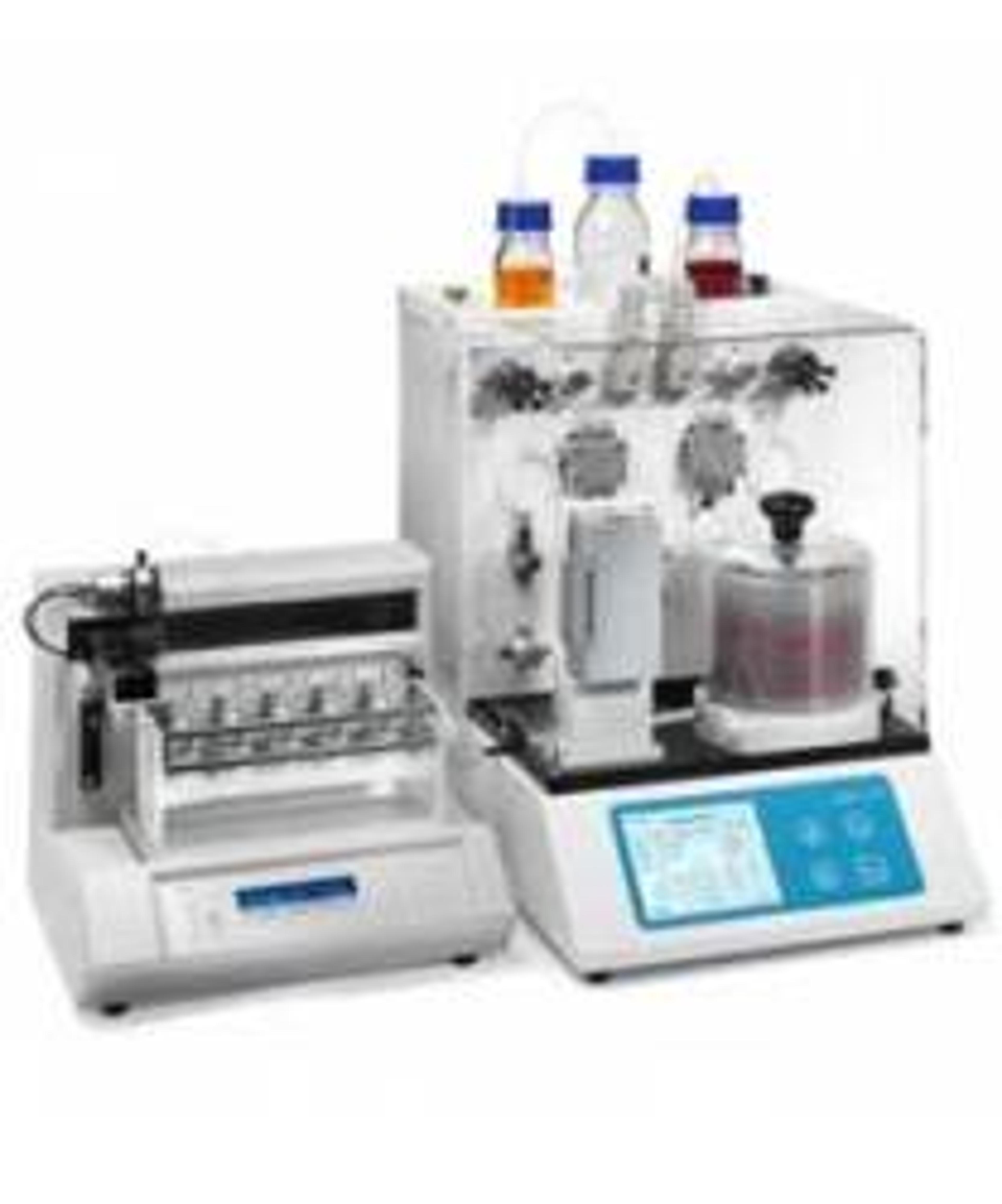
When a chemical reaction is run in a continuously flowing stream, rather than in batch production, it can minimize the amount of waste generated, increase productivity and decrease capital at the large scale. The flexibility of recent flow chemistry technology allows the design of a reactor based on the reaction, with products available for all aspects of the drug discovery process. Technology advances include coupling and hydrogenation reactions using SiliaCat catalysts; FlowSyn Continuous Flow Reactors for reaction optimization, synthesis and scale-up; and the 1260 Infinity Preparative Scale Purification System for high throughput requirements of combinatorial and medicinal chemistry core facility labs, or as a method scale-up solution for optimizing the resolution and recovery of individual compounds.

3. Parallel Screening
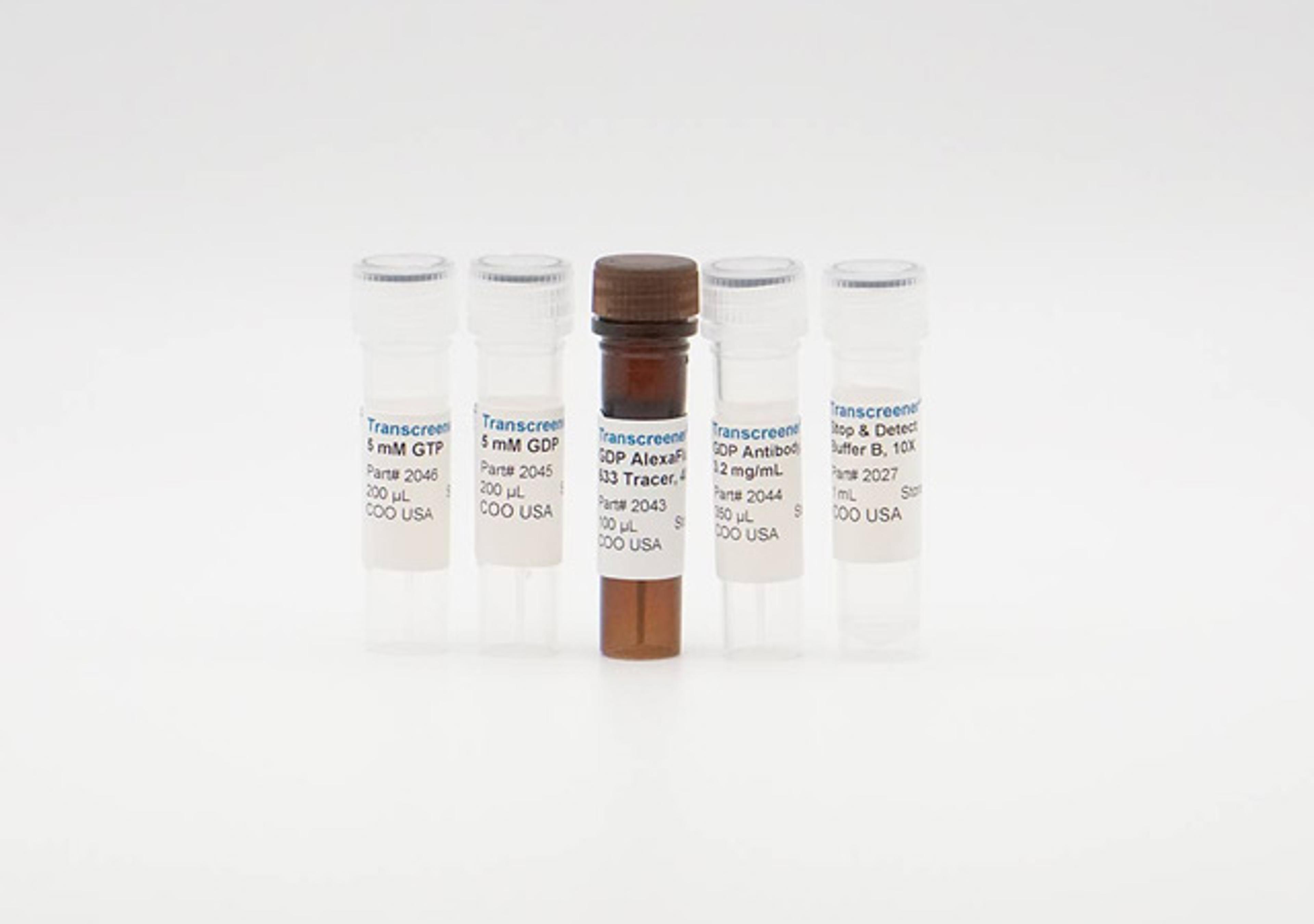
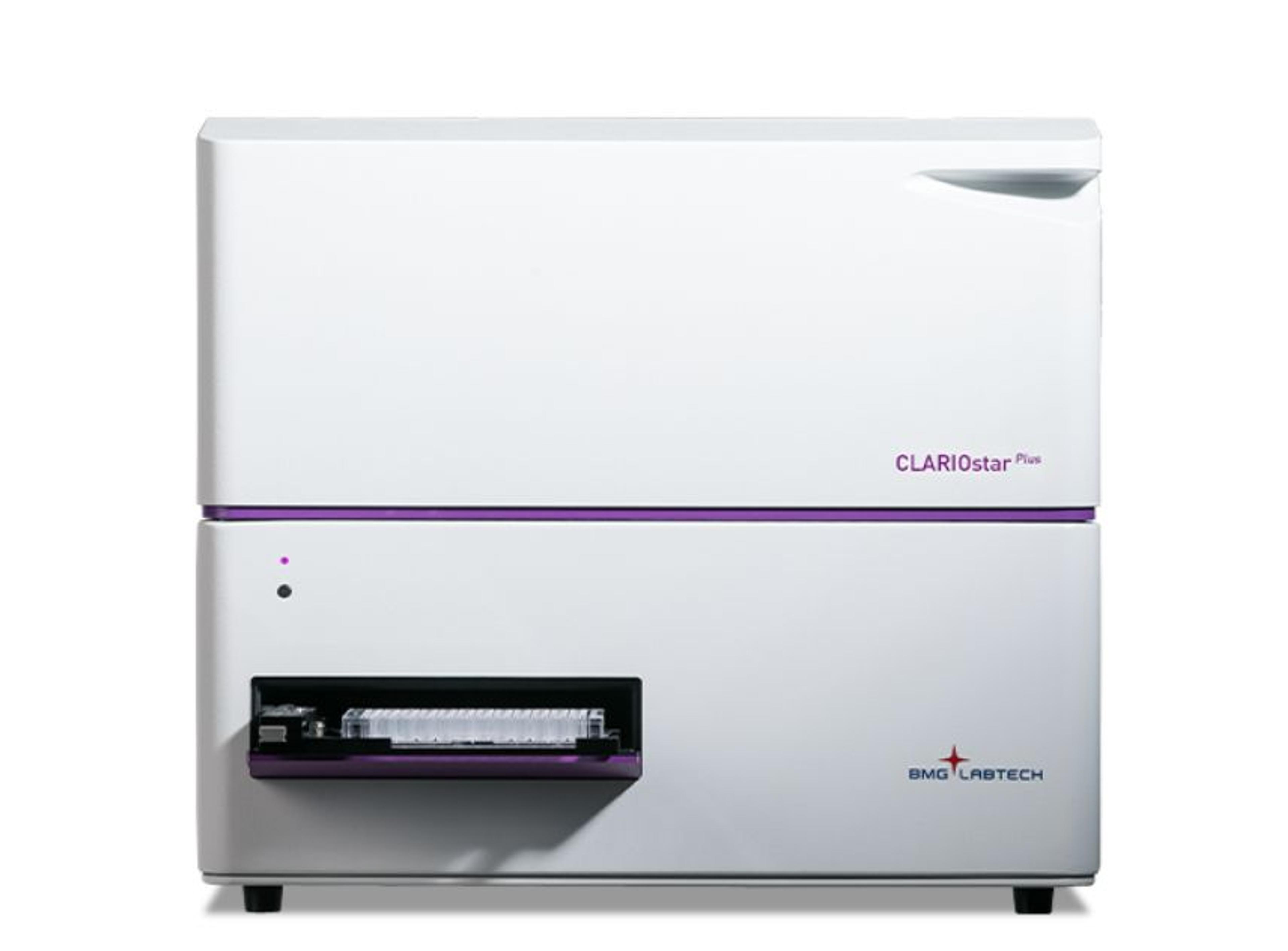
With the aid of high throughput screeningand technology such as the BMG LABTECH’s CLARIOstar® and BellBrook Lab’s Transcreener® HTS Assays, it is possible to conduct hundreds of reactions in parallel for a given transformation during the feasibility stage of route scouting.

“Already we are seeing big pharma looking increasingly to explore greener ways of working and the manufacturing process is a natural progression of this trend. Technologies such as catalysis, flow chemistry, and parallel screening are revolutionizing process research, by creating efficiencies and cost savings” commented Vijay Shah.
Links

Tags

Gas ChromatographyGas chromatography (GC) is an analytical technique used to separate and quantitate mixtures of small and volatile compounds. Gas chromatographs or GC systems include components such as GC columns, detectors, pumps and autosamplers. Choose from packed or capillary GC columns, flame ionization (FID), photoionization (PID) electron capture detectors and selective or non-selective detectors. Find the best gas chromatographs in our peer-reviewed product directory: compare products, check customer reviews and receive pricing direct from manufacturers.UHPLC and HPLCHigh performance liquid chromatography (HPLC) and ultra high performance liquid chromatography (UHPLC), also known as UPLC, are analytical techniques used to separate, identify and quantitate components of complex mixtures including biological samples such as proteins and lipids as well as chemical mixtures of pesticides, drugs and oils. Both techniques are liquid chromatographic methods but differ by operating pressures (HPLC < 6000 psi < UHPLC ). Components of HPLC and UHPLC systems include columns, detectors, pumps, autosamplers and column heaters. Explore a range of UHPLC and HPLC columns for your specific sample needs including reverse phase, normal phase, ion exchange, HILIC, ion exclusion and size exclusion columns. For more specialized HPLC, explore FPLC, countercurrent LC and simulated moving bed systems. Find the best UHPLC and HPLC equipment in our peer reviewed product directory: compare products, check customer reviews and receive pricing direct from manufacturers.LC-MSLC-MS (liquid chromatography-mass spectrometry) systems and equipment are used for separation and quantitative analysis of complex mixtures, combining liquid chromatography and mass spectrometry. Quantify proteins, contaminants, pesticides or screen for drug metabolites with a high level of sensitivity. LC-MS systems and equipment include reverse phase, normal phase and specialized columns integrated with various MS detectors such as time-of-flight (TOF), quadrupole, orbitrap or ion trap mass analyzers. LC-MS/MS instruments equipped with a qTOF or triple quadrupole analyzer give greater sensitivity and resolving power to your analysis. Find the best LC-MS equipment in our peer-reviewed product directory: compare products, check customer reviews and receive pricing direct from manufacturers.High-Throughput ScreeningHigh-throughput screening (HTS) is an automated drug discovery technique for identification of active compounds against a compound library. Use HTS readers and integrated assay preparation / analysis workstations to screen your compounds. Identify active compounds against various HTS libraries, including membranes, proteins and peptides and HTS cell lines. Find the best high-throughput screening products in our peer-reviewed product directory: compare products, check customer reviews and receive pricing direct from manufacturers.ADME-ToxicologyADME-toxicology (ADME-Tox) studies are used in pharmacology and pharmacokinetics to assess the activity/toxicity of drugs <i>in vivo</i> or <i>in vitro</i>. Find bioassays for absorption, distribution, metabolism, and excretion of drug molecules including cytotoxicity, transporter/permeability, metabolism and activity assays as well as hepatocytes and cell lines for ADME. Find the best ADME-toxicology products in our peer-reviewed product directory: compare products, check customer reviews and receive pricing direct from manufacturers.Medicinal ChemistryMedicinal chemistry is a broad discipline encompassing the design, identification, synthesis and development of chemicals in drug discovery. It includes a number of techniques covering structural biology, synthetic chemistry and molecular biology. Technologies used in medicinal chemistry include ADME, lab-on-a-chip, high content screening and assay assembly.Robotic WorkstationsRobotic workstations are automated platforms enabling the user to perform high-throughput, multi-application processes, from sample preparation tasks such as PCR set-up, DNA purification and NGS library preparation, to integrated sample prep and analysis workstations. Automation makes processes consistent, fast, precise and fully walk-away. Find the best robotic workstations in our peer-reviewed product directory: compare products, check customer reviews and receive pricing direct from manufacturers.Automated Liquid HandlingAutomated liquid handling equipment is used to mix, dilute and dispense allotted volumes of liquid into microplates and other vessels automatically. The robotic, liquid handling arms can dispense from single channel to 3456 multichannel as well as operate nanoliter dispensing, enabling high throughput of samples. Find the best automated liquid handlers in our peer-reviewed product directory: compare products, check customer reviews and receive pricing direct from manufacturers.Scale-upScale-Up is generally defined as the process of transferring the results of the discovery phases of the drug discovery process, obtained on a laboratory scale, to the pilot plant and finally to production scale. Scale-Up uses reactors and pump systems as well as reagents, standards and buffers. Often Scale-Up is provided as a service by Contract Manufacturing Organizations (CMOs). Flow ChemistryFlow chemistry describes a chemical reaction being carried out continuously rather than in a batch process. The reagents are pumped through a pipe and forced together at a mixing junction, where they are allowed to combine until the reaction is stopped.Process DevelopmentProcess development aims to optimize the performance of manufacturing systems. This involves the assessment of quality and efficiency of both processes and products. This is particularly important in the scale-up of chemical processes.Drug DiscoveryDrug discovery is the process of identifying potential new medications, involving stages such as target identification, compound screening, and preclinical development. It relies on cutting-edge technologies like high-throughput screening, artificial intelligence, and molecular modeling to accelerate the identification of drug candidates. Drug discovery plays a pivotal role in developing new therapies for diseases ranging from cancer to rare genetic disorders. Browse our peer-reviewed product directory to find the latest drug discovery technologies, compare options, check customer feedback, and get pricing directly from manufacturers.
3 Ways Pharma Can Reduce Costs and Increase Innovation with ‘Green Chemistry’ Technology