How to set up an Effective High Throughput Antibody Discovery Lab

12 Nov 2014

Kerry Parker
CEO

Editorial article

Written by Alejandro Uribe-Benninghoff
In the past 15 years, changes in the cost and reliability of technology have caused an explosion of tools and applications that have increased the capability and capacity of any researcher, lab or company to speed up discovery. Automation and High Throughput Screening (HTS) are two examples of these advances that have become a normal presence in the majority of labs around the world. Combine these capabilities with the power of flow cytometry and your options are limitless.

For this example, and as a follow on from the previous article 5 Top Tips for the Perfect High-Throughput Screening Lab, let us assume you have already established your monoclonal antibody (mAb) discovery lab, but you want to add a higher level of technology that expands your capabilities into even higher speed, higher quality antibodies, and the ability to study the antibodies’ interaction with cells.

Antibody characterization
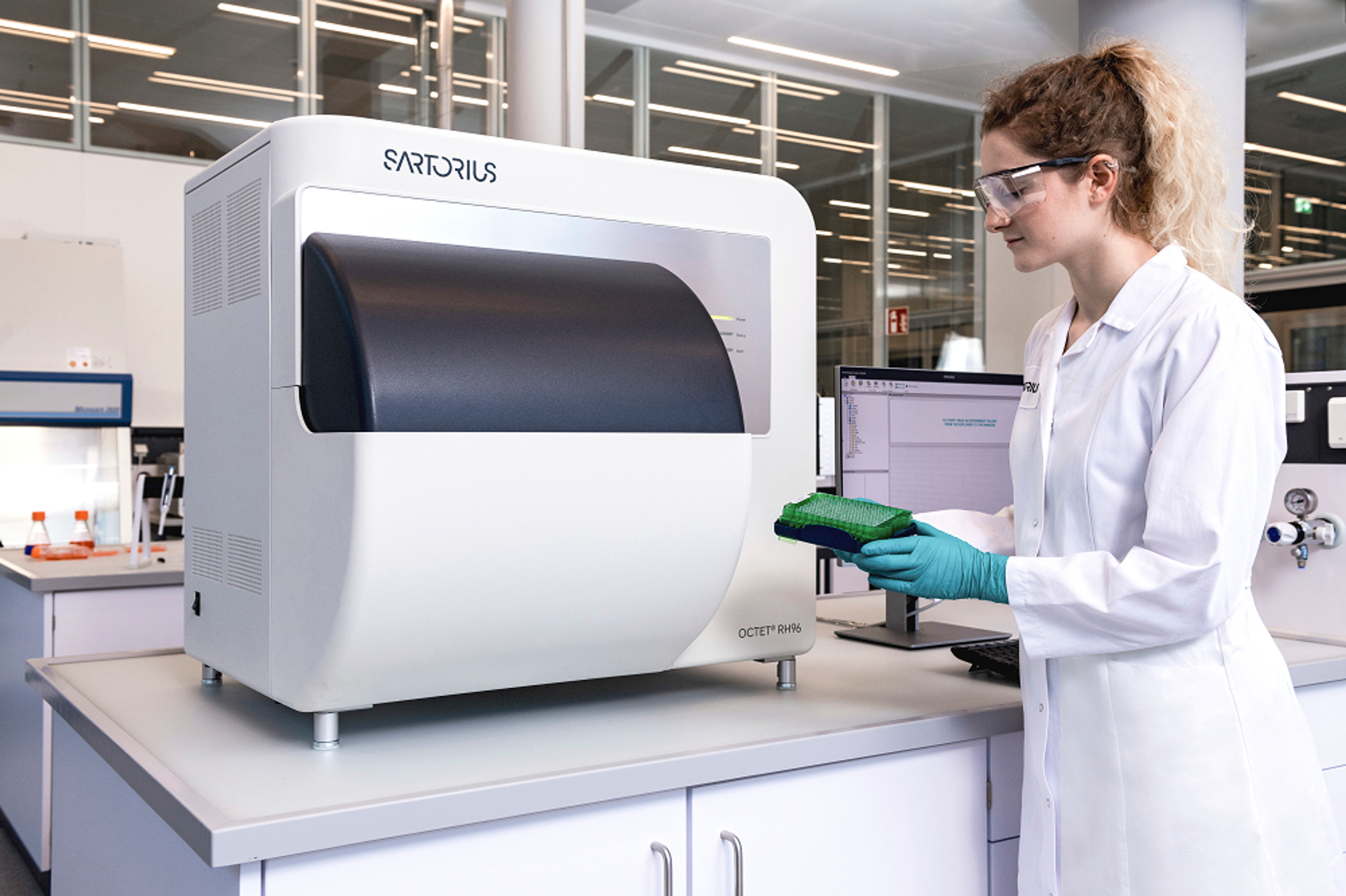
A great addition to the lab would be GE’s Biacore™ X100 or ForteBio’s Octet® HTX System. Both machines allow the analysis of kinetics, affinity, specificity and concentration analysis, and are fully automated and incredibly fast systems.

If you want to add a ‘turbo’ to your flow cytometer, consider adding Intellicyt’s HyperCyt Autosampler to give you the capability to analyze a 96-well plate for downstream processes. The autosampler has been successfully attached to the majority of widely used flow cytometers in the market today: BD’s Canto™ II, LSRFortessa™ and Accuri C6, as well as Beckman Coulter’s CyAn and Gallios, and the benefits in sample speed acquisition are unparalleled. Also worth looking at is IntelliCyt’s iQue® Screener for 1536-well microplates for phenotypic screening, antibody discovery and in vitro toxicity testing.

HTS beyond flow cytometry
For some labs, screening mAbs for use in flow cytometry is just the first step. Many labs are looking to screen mAbs for applications such as Western blot, IHC and imaging. Other labs are more interested in the potential interactions of the mAbs with cells, leading to clinical or diagnostic applications. HTS advances in these areas, and the hybridization of technologies with flow cytometry, have allowed amazing machines to come to the forefront. Each one of the instruments below is quite an investment, so it is crucial to research each of their capabilities and see if they will match what your lab needs.

Imaging technology has been expanding during the last decade and its impacts in areas such as stem cell research are undeniable. The combination of HTS imagers such as GE’s Cytell Cell Imaging System provide image acquisition, data analysis, and report generation of microplates in only 15 minutes. At the same time, the machine supports slides, Petri dishes and flasks. An equally as potent option is Molecular Devices’ ImageXpress Micro XLS, capable of analyzing from slides to plates (6- to 1536-well), thin to thick plate bottoms, glass to plastic, transwell, low profile- and low volume-plates.

Atomic Mass Spectrometry
In recent years, technology such as Fluidigm/DVS Cytof® 2, a state-of-the-art time-of-flight atomic mass cytometer that analyzes cells labeled with stable heavy metal isotopes, allows researchers to perform comprehensive and in-depth profiling of cells (immunophenotype, signaling state, cytokine/chemokine expression to name a few). This technology has been adopted by immunologists, oncologists, stem cell biologists and drug profiling experts. It has the potential to analyze 100 different parameters with a proven multiplex ability of 40 different markers at once.

Chipcytometry
Another astounding development in technology is ZellKraftWerk’s Chipcytometer ZellScanner One. Chipcytometry is the combination of the quantitative phenotyping ability found in flow cytometry with the detailed imagery and functionality of microscopy. One of ZellKraftWerk’s major impacts is the ability to maintain cell and biomarker integrity reportedly over a period of 12 months. That fact and the demonstrated ability to have analyzed 55 biomarkers simultaneously, directly on and inside single cells, opens yet another door to the advancement of science and medicine.

Combine just some of these exciting high throughput technologies and your antibody discovery, characterization and further therapeutic development will be flying high throughput!

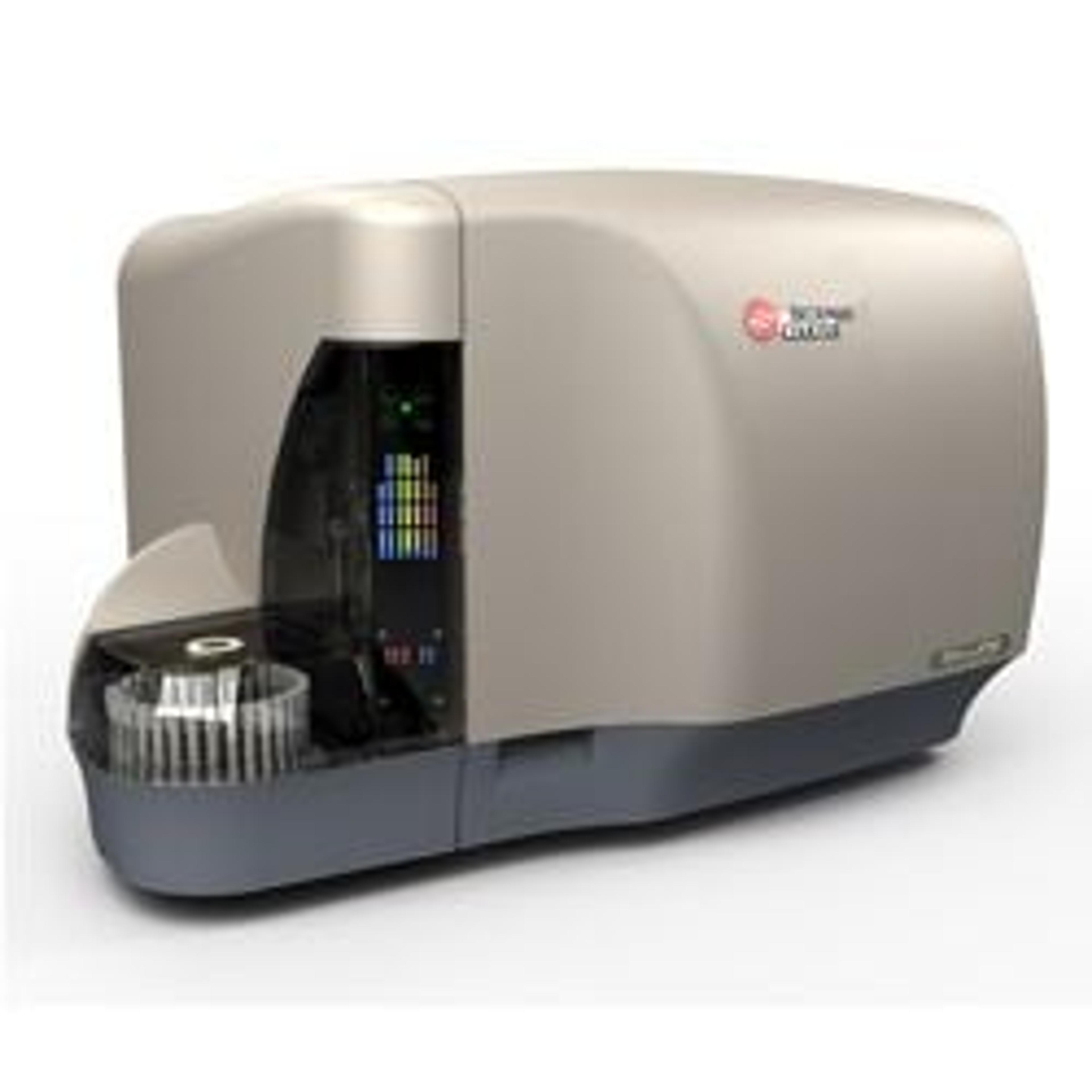
Gallios™ Flow Cytometer

Beckman Coulter Diagnostics

The Gallios Flow Cytometer is a research system that delivers analytical excellence by coupling extraordinary sensitivity, resolution and dynamic range with high-speed data collection. Designed to fit your needs, today and tomorrow, the Gallios flow cytometer provides efficient acquisition of excellent quality data from up to 10 colors with advanced optical design for enhanced sensitivity for multicolor assays. With customized forward scatter, to achieve the most accurate size measurement, and optimized electronics for high resolution and fast, accurate processing, the Gallios was designed for your research needs.The Gallios offers up to four highly reliable, solid-state lasers in standard red and blue, with violet and yellow lasers available as an option. By incorporating the optional 405nm violet laser and an optional 561nm yellow laser, the Gallios Flow Cytometer offers a greater choice of fluorochromes to perform sophisticated multicolor experiments. With the new 561nm laser system you can analyze multiple fluorescent proteins simultaneously, as well as benefit from a greater ability to detect red fluorescent proteins. Easily interchangable optical filters facilitate detection of a variety of dyes and wavelengths. Gallios™ Flow Cytometer Features: Available in 4 configurations Innovative laser cartridges Plug and play filters allow rapid instrument reconfiguration between experiments Efficient delivery of light Electronics design incorporates fast, accurate measurement of signals over a wide range of event rates
(4)

CyAn™ ADP Analyzer

Beckman Coulter Life Sciences

The Beckman Coulter CyAn ADP High-Performance Flow Cytometer is a state-of-the-art flow cytometer that utilizes multiple laser excitation sources to analyze biological cells, beads, or other microscopic particles.

(6)

Links

Tags

Mass SpectrometryMass spectrometry (MS) is a powerful analytical technique used to identify and quantify molecules based on the mass-to-charge ratio of gas-phase ions. It provides detailed information about the structure, composition, and properties of compounds and is widely used across fields such as environmental monitoring, materials science, drug discovery and development, food and beverage testing, and wider chemical research. Key MS techniques include tandem mass spectrometry (MS/MS), liquid chromatography–mass spectrometry (LS-MS) and inductively coupled plasma (ICP-MS). Choosing from these wide range of techniques and technologies can be a daunting task, so keep up to date with scientific applications, performance expectations, and customer reviews here all in one place. Visit our product directory to receive quotes direct from the manufacturer. AntibodiesAntibodies are used in techniques such as confocal and fluorescence microscopy, flow cytometry, ELISA, ELISPOT, immunohistochemistry, western blotting and immunopreciptation. Select specific antigen reactivity, high specific affinity, low non-specific binding, monoclonal or polyclonal, primary or secondary antibodies and associated conjugates such as an enzyme or dye for visualization.High-Throughput ScreeningHigh-throughput screening (HTS) is an automated drug discovery technique for identification of active compounds against a compound library. Use HTS readers and integrated assay preparation / analysis workstations to screen your compounds. Identify active compounds against various HTS libraries, including membranes, proteins and peptides and HTS cell lines. Find the best high-throughput screening products in our peer-reviewed product directory: compare products, check customer reviews and receive pricing direct from manufacturers.Flow Cytometry / Cell CountingFlow cytometers are used to count, sort and examine multiple characteristics of cells. Other cell analysis equipment includes image cytometers, cell counters, fluorescence-activated cell sorters (FACS), magnetic-activated cell sorters (MACS), and a range of flow cytometry assay kits. Flow cytometers can reveal information on cell viability, cell proliferation, apoptosis and cell cycle progression, as well as identify cell populations and intracellular or cell-surface molecules. Additionally, some flow cytometers, known as FACS, have an additional sorting function after analysis. Cell counters and image cytometers count live and dead cell populations and can also conduct cell proliferation assays. Find the best flow cytometers, cell counters and cell sorters in our peer-reviewed product directory: compare products, check customer reviews and receive pricing direct from manufacturers.Cell-Based AssaysCell-based assays are used to monitor the presence, quantity and activities of a desired cellular analyte including drug molecules or biomarkers. This can reveal information on cell health (apoptosis, cytotoxicity, viability and proliferation assays), cell metabolism, cell migration and cell signaling mechanisms. Find the best cell-based assay products, kits and equipment with our peer reviewed product directory: compare products, check customer reviews and receiving pricing direct from manufacturers.High-Content ScreeningHigh-content screening (HCS), also known as high-content analysis (HCA), is a high-throughput technique used in drug discovery to identify substances that alter the phenotype of cells. HCS uses fluorescent microscopic imaging and automated image analysis to investigate cellular events such as apoptosis, cell viability, GPCR activation, oxide production, neurite outgrowth, and cell signaling. Find the best fluorescent labeling reagents, cellular assays, and high-content imaging systems in our peer-reviewed product directory: compare products, check customer reviews and receive pricing direct from manufacturers.Protein PurificationProtein purification is a vital step in drug discovery, therapeutics, biotech and life science research. The purification process typically involves subcellular or membrane protein extraction with cell lysis kits, separation of proteins from cell debris by filtration or spin columns, and the isolation of proteins of interest from other proteins and impurities with affinity purification (including fusion protein tags and antibody binding proteins A, G and L), immunoprecipitation or chromatographic methods, such as ion exchange, size exclusion and immobilized metal affinity chromatography. All purification methods come in multiple formats for your laboratory needs, including agarose or magnetic beads, resins, columns and filter plates. Find the best protein purification equipment in our peer-reviewed product directory: compare products, check customer reviews and receive pricing direct from manufacturers.In Vivo Imaging Systems<i>In vivo</i> imaging systems, including pre-clinical imaging systems and medical imaging systems are used to non-invasively visualize and capture images of live animals and plants. Monitor the natural processes or diseases of your subjects using small-animal pre-clinical imaging systems, including single photon positron emission tomography (SPECT), positron emission tomography (PET), computed tomography (micro-CT), magnetic resonance imaging (MRI), X-ray radiography, ultrasound, fluorescence and bioluminescence imagers. Multimodal systems and software solutions are also available for correlative analysis of organ, tissue, cell, or molecular-level processes. Find the best in vivo imaging products in our peer-reviewed product directory: compare products, check customer reviews and receive pricing direct from manufacturers.Bioprocessing / FermentationBioprocessing is the use of biological materials to perform commercial, scientific or medical research processes. Biological materials used include cells, enzymes and organisms. Usually bioprocessing requires a batch or continuous bioreactor such as a fermentor or cell culture system. The advantages of using a reactor include high productivity, easy configuration, adjustable values and automation.CytometryCytometry is a broad term for the quantitative analysis of cells and cell systems. The most popular methods to study cytometry are flow cytometry and image cytometry.Therapeutic AntibodiesTherapeutic antibodies are antibodies engineered for use in treating diseases. They can be designed to target specific antigens, blocking harmful interactions or modulating immune responses. Therapeutic antibodies are critical in treating conditions like cancer, autoimmune disorders, and infectious diseases. Explore the best therapeutic antibody products in our peer-reviewed product directory; compare options, check reviews, and get pricing directly from manufacturers.ScreeningUsing robotics, data processing and control software, liquid handling devices and sensitive detectors, screening allows a researcher to quickly conduct millions of chemical, genetic or pharmacological tests.