Cyto-Mine®
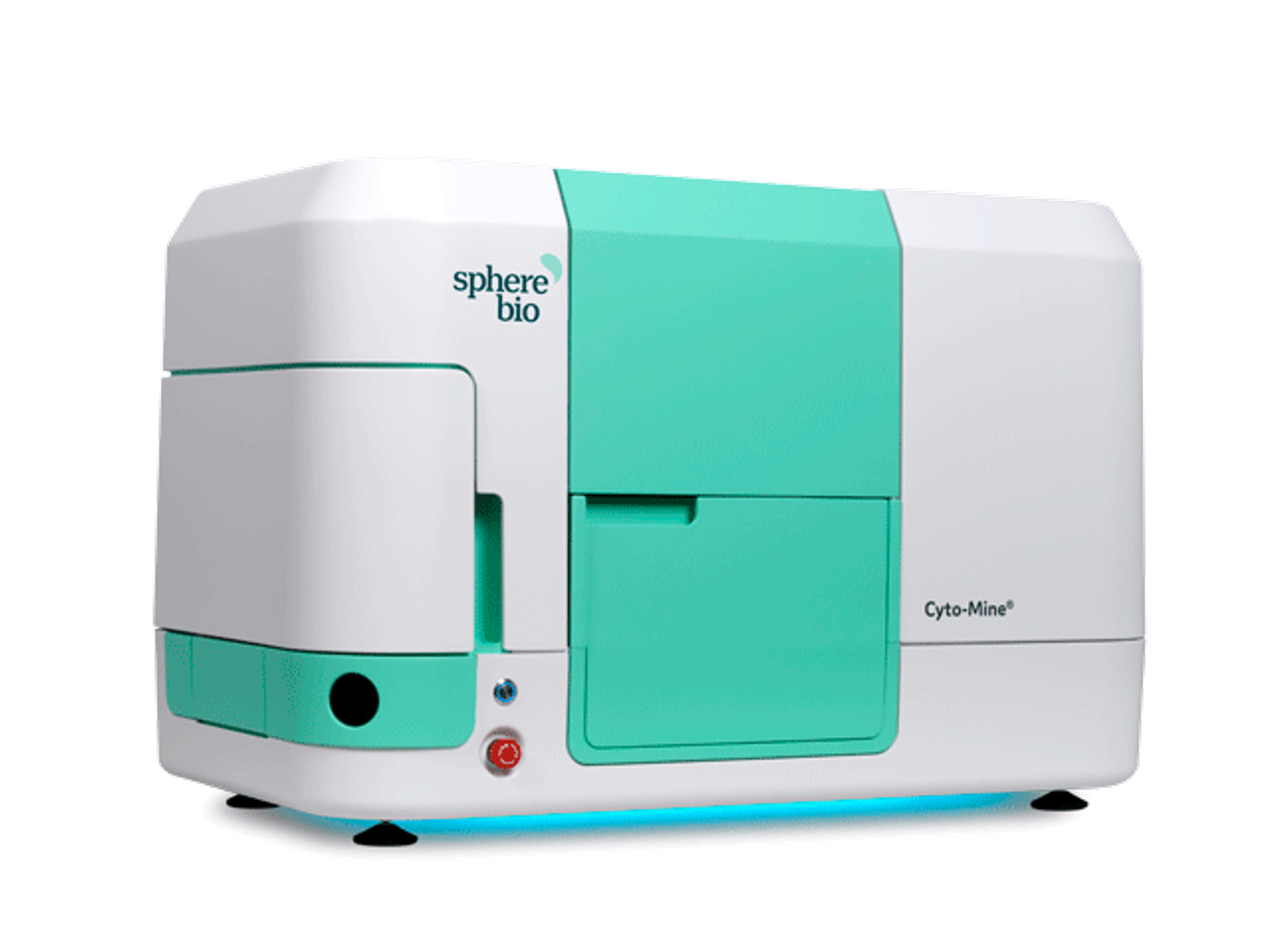
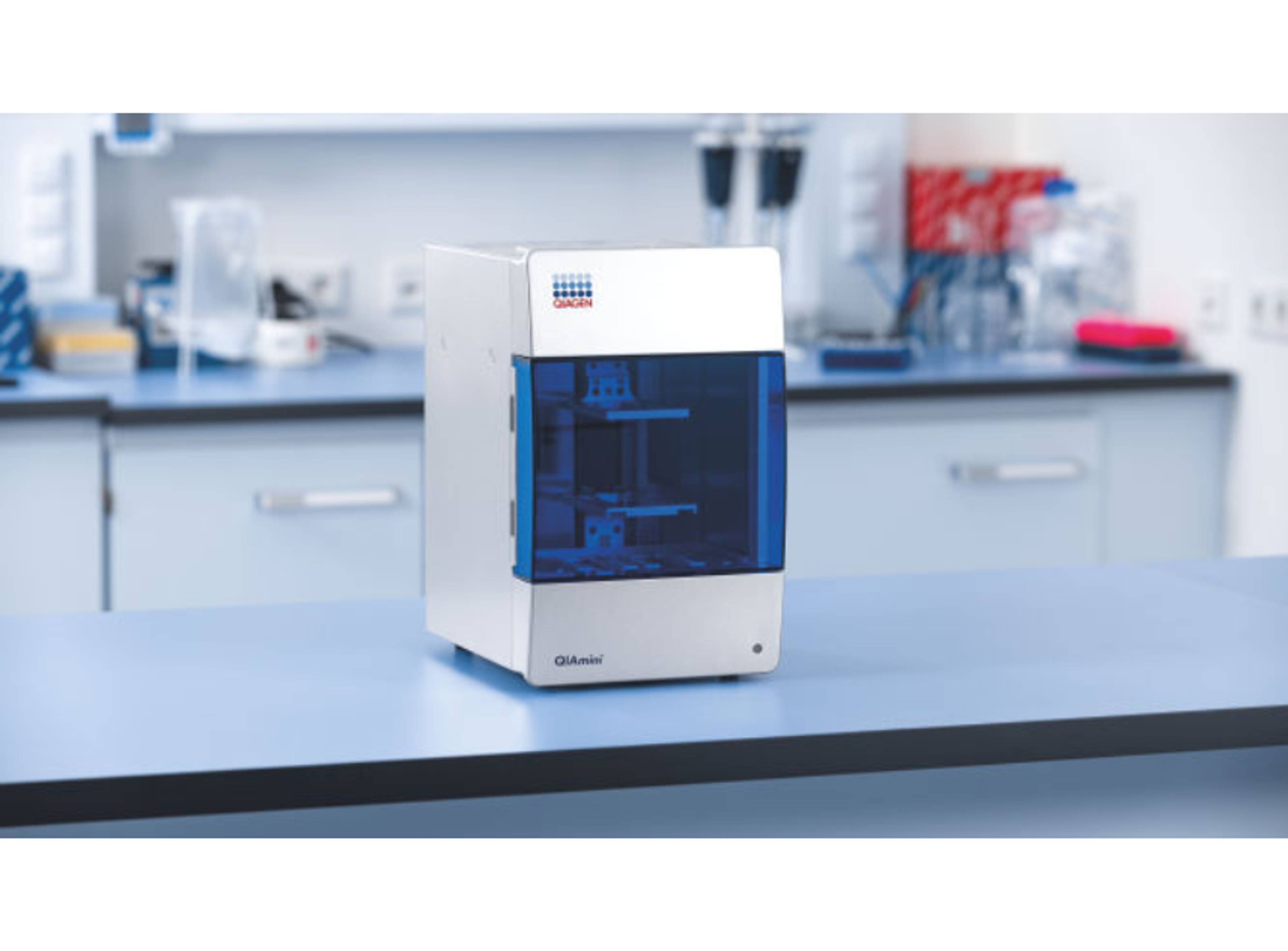
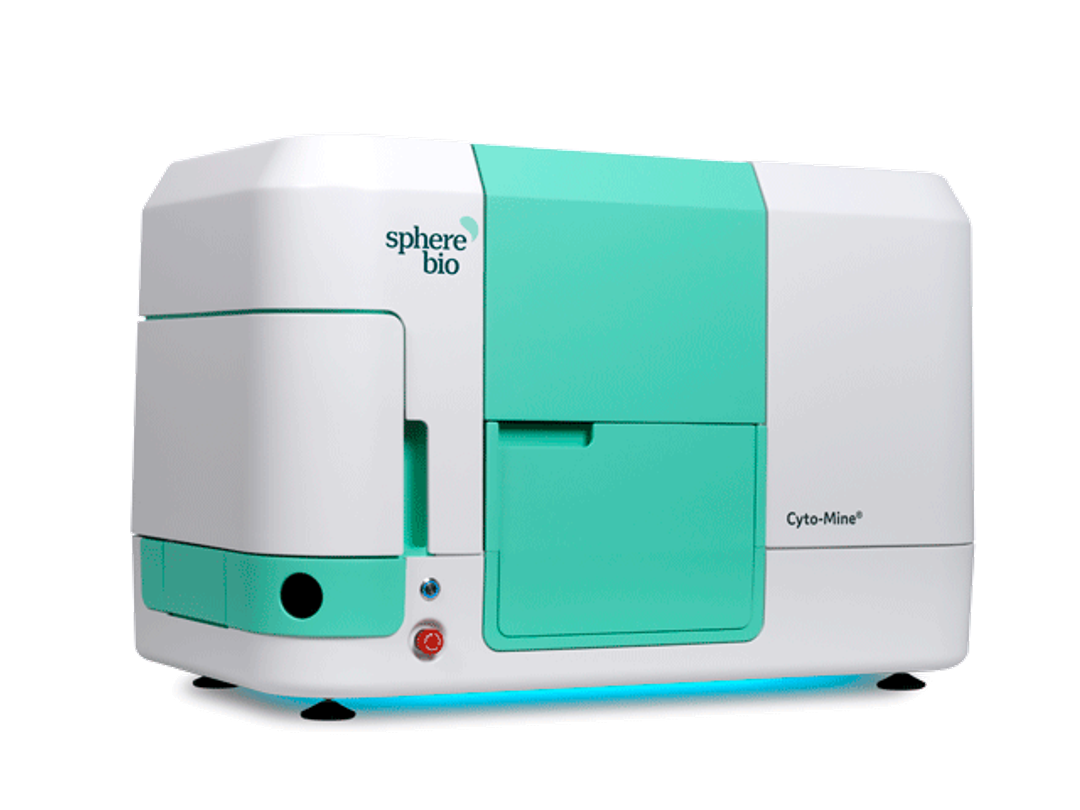
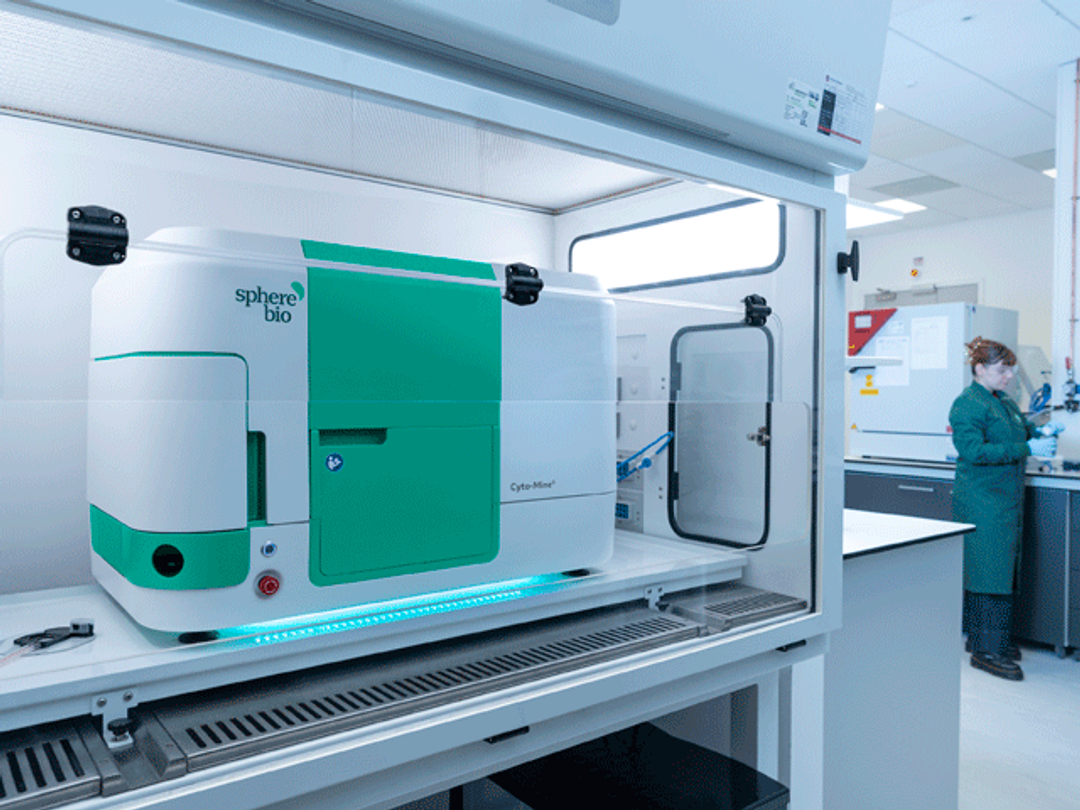
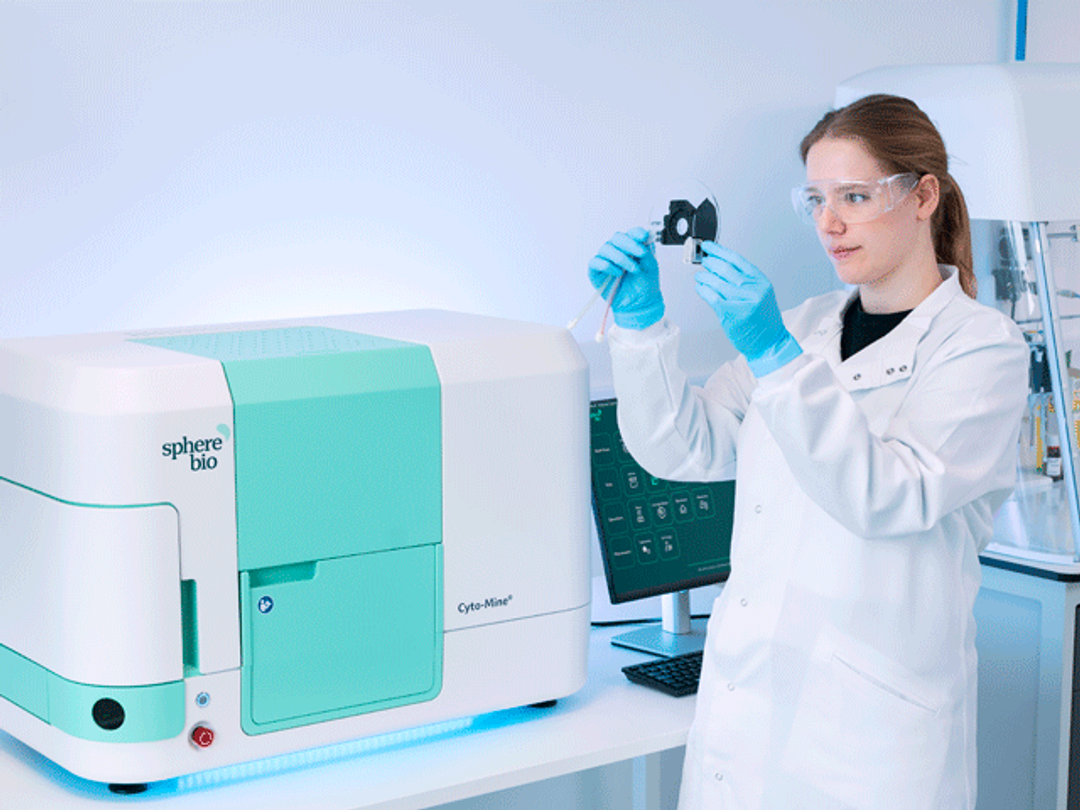
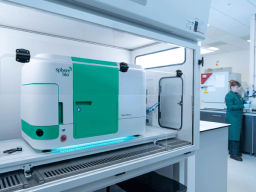
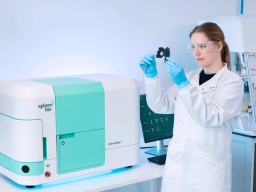
Cyto-Mine® - The Single Cell Analysis and Monoclonality Assurance System. Cyto-Mine® is a fully automated platform which integrates high-throughput and selective single cell screening, sorting, isolation and monoclonality assurance using high quality imaging.
Cyto-Mine® System

The supplier does not provide quotations for this product through SelectScience. You can search for similar products in our Product Directory.
The Cyto-Mine has revolutionised our CLD and made a big difference to our timelines.
Selection of high productivity cells expressing antibodies
We use the Cyto-Mine in our platform process in cell line development. It allows us to screen for the higher productivity cells and remove the low productivity cells in a cell pool, and then dispense these into 96/384 well plates. The assays work well across a range of antibody and novel formats. The Cyto-Mine has definitely reduced our timelines, and we have full confidence it will find the highest expressing cells from a pool. It also gives great insight by showing the diversity of expression cells in a pool or how a clone cell population changes over time.
Review Date: 26 Jul 2023 | Sphere Bio
Excellent instrument, using innovative technology.
Cell line development
We have integrated the Cyto-Mine into our cell line development workflow which has allowed us to shorten our timeline without compromising on the quality of the cell lines that we generate. We have found the instrument to be very user friendly. The support offered by Sphere Fluidics has been excellent and we are very happy with the purchase. The ability to image the picodroplets prior to dispensing into a 96-well plate together with a 'heat-map' of the 96-well plate is a feature that we find very useful.
Review Date: 6 Sept 2019 | Sphere Bio
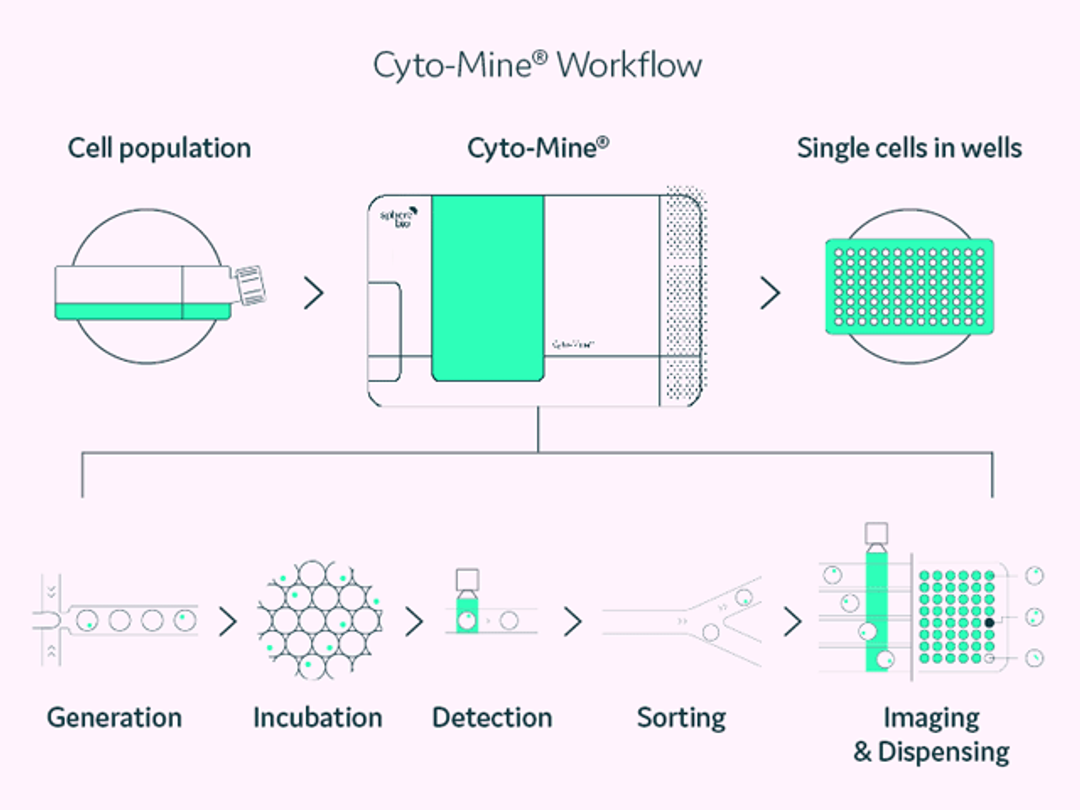
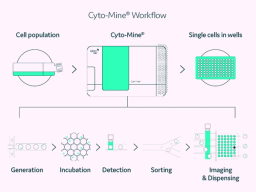
Sphere Bio's Cyto-Mine® is a fully integrated platform for high-throughput single cell analysis based on microfluidic picodroplet technology. By encapsulating single cells in picolitre volume droplets, Cyto-Mine® enables the rapid analysis, selective screening, sorting, imaging and dispensing of single cells into individual wells of microtiter plates. A key enabling component of Cyto-Mine® is its ability to analyze and measure secreted proteins or other biomolecules while maintaining high cell viability.
The unique workflow of Cyto-Mine® offers a solution to resource-intensive, time-consuming and expensive workflows that require multiple items of equipment by streamlining cell isolation, titer determination and assurance of a single cell progenitor while reducing timelines and costs for biologics discovery and development.
Key Features:
- Encapsulate up to 200,000 single cells or up to 40 million cells in mini-pools in one experimental run
- Assay secreted proteins or biomolecules e.g. assess cell line productivity or find rare cells in large heterogenous populations
- Selectively identify and sort ‘hit’ cells
- Image each individual cell for assurance of monoclonality to meet regulatory requirements
- Dispense individual cells directly in to 96- or 384-well microtiter plates
Brochures
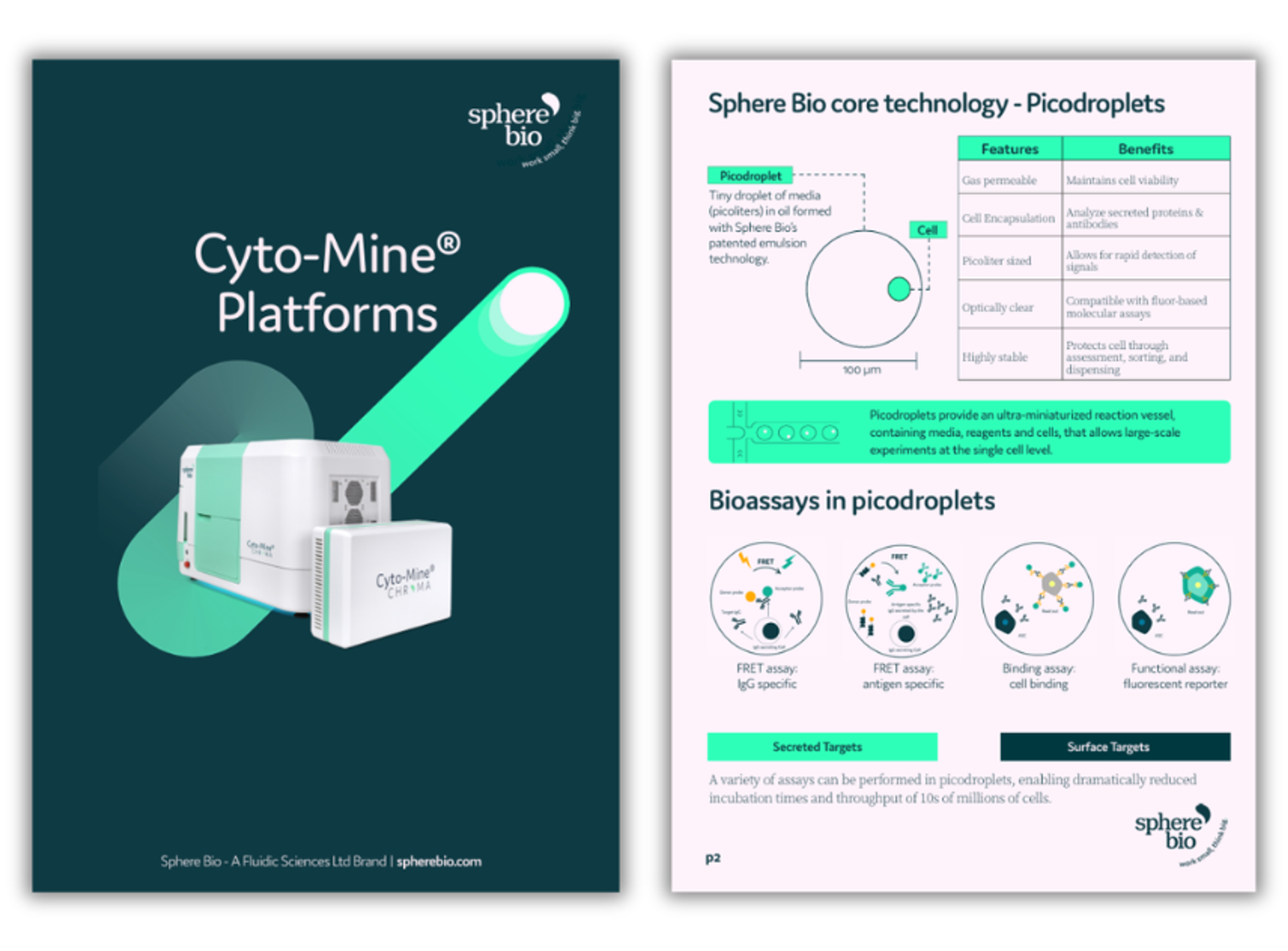
Cyto-Mine Platforms from Sphere Bio
This product brochure introduces the Cyto-Mine® and Cyto-Mine® Chroma platforms from Sphere Bio, automated single-cell screening systems powered by proprietary picodroplet technology. Learn how researchers can rapidly encapsulate, analyze, sort, and dispense live single cells while maintaining high viability and monoclonality assurance. Discover how the platforms support antibody discovery, cell line development and other high-throughput applications by reducing screening timelines from months to days and enabling efficient functional analysis at the single-cell level.
Resource details:
Resource type: Product brochure
Page count: 4
Read time: 6 mins

Detection of mouse IgG with Cyto-Mine
The Cyto-Cellect® Mouse Kit from Sphere Bio is designed for use with the Cyto-Mine® Single Cell Analysis Platform to detect and isolate mouse IgG-secreting cells. Using a sensitive FRET-based assay, the kit enables rapid and reliable identification of high-productivity cells for applications such as antibody discovery.
Best practices for optimizing cell line development processes
The steps to create a stable, manufacturing cell line include host cell line selection, engineering of the expression vector, transfection, cloning and cell expansion, as well as various screening steps to select the clone with the highest cell viability, growth, expression level, stability and product quality. In this eBook, Dr. Jon Dempsey discusses his thoughts regarding best practices for optimizing cell line development (CLD) processes.
Dr. Jon Dempsey is the CEO and Founding Partner of Pathway Biopharma. Dempsey has spent nearly 30 years working in the Biopharmaceutical industry, bringing expertise in biologics chemistry, manufacture and control (CMC) including cell line development, cell therapy and process development, analytics and protein chemistry, CDMO selection and manufacturing. During this time, Dempsey has been involved in the development of several commercial biotherapeutics. In this eBook, Dempsey shares advice for those researchers/ scientists starting out and for those currently in CLD, including tips on the best strategies for process improvement.
Fast track antibody discovery: A high-throughput method for identifying and isolating rare cells secreting antigen-specific antibodies
In this application note, Sphere Fluidics Ltd., presents a method by which Cyto-Mine®, utilizing an antigen-specific assay, analyses a heterogeneous B cell or hybridoma population to identify target-specific variants in a high-throughput manner. The Cyto-Mine Single Cell Analysis and Monoclonality Assurance System is the first fully integrated platform designed specifically for biopharma that screens millions of primary B cells or hybridomas for secreted immunoglobulin, identifies and sorts the antigen-specific candidates, and then gently dispenses them into 96- or 384-well microtiter plates with visual proof of cell number, through high-quality imaging.
Finding high producing clones with monoclonality assurance in one day
In the discovery and development of novel biopharmaceuticals (antibodies) for therapeutic use, cell line development is an integral process in the biomanufacturing of therapeutic proteins. With the market demand for biotherapeutics increasing at a dramatic rate there is a pressing need to substantially shorten the development workflow. Cyto-Mine® utilizes established picodroplet technology to fast-track the generation of cell banks comprised of high-producing clones derived from single cells with monoclonality assurance. In this application note, Sphere Fluidics illustrates the process by which the Cyto-Mine® IgG secretion assay measures the productivity of hundreds of thousands of single cells encapsulated in highly consistent picoliter droplets or ‘test tubes’ while simultaneously providing verification of clonality.
High throughput CAR-T cell function verification in microfluidic picodroplets
Over the last few years, there has been an increasing interest in cell therapy as a strategy to harness the immune system to fight tumors. Technologies include reprogramming of T cells collected from patients to produce personalized medicines. T-cell therapy capitalizes on the body’s immune systems ability to recognize and kill tumor cells. This ability can be lost or overwhelmed as a cancer develops. By extracting and manipulating a patient’s T-cells, the ability to attack cancer cells can potentially be restored. Rapid, accurate assays to qualify the potency of the engineered T-cells against the target tumor cell are required to support the effective and efficient development of therapeutics. In this application note, Sphere Bio presents a new picodroplet-based approach for the functional validation of CAR-T cells. The easy-to-use and robust method combines the benefits of Sphere Fluidics’ high-throughput picodroplet technology with a granzyme B assay for studying cell-mediated cytotoxicity. Engineered T cells and target cells are co-encapsulated in picolitre-volume aqueous droplets (picodroplets) in an oil emulsion, along with granzyme B substrate. Granzyme B release by the T cell, a readout of the cells ability to recognize and kill the cancer cell, can be captured to determine the level of potential anti-cancer activity. In doing so, this method enables rapid cell product efficacy readouts to streamline the QC release of cell product.
Cell viability, proliferation and outgrowth in picodroplets
Picodroplet technology is a transformative single cell analysis technique based on the rapid encapsulation of individual cells in miniaturized, picoliter-volume, water-in-oil droplets (picodroplets). Each picodroplet serves as a miniature test tube, providing the ability to screen single cells in their own microenvironment with increased precision and sensitivity. This format provides a uniquely protective environment to support cell viability and integrity during incubation, and shield cells against shear stress during subsequent analysis. In this application note, Sphere Bio demonstrates the feasibility and flexibility of using picodroplet technology for applications that involve prolonged incubation times. This technique can be used for a wide range of applications including identifying single cells that produce the highest antibody concentrations, isolating rare cells from large populations, and undertaking genome-editing analysis at the single cell level.
Cell engineering in picodroplets
Picodroplet microfluidics is rapidly becoming the technology of choice for single-cell analysis, providing an easy-to-use tool to encapsulate single cells in picolitre-volume aqueous droplets (picodroplets) at high throughput rates of thousands of droplets per second. This powerful and sensitive technique offers significant cost and efficiency advantages. An additional advantage of this approach is that picodroplets provide a cell friendly culturing environment. Depending on the assay and application of interest, cells can be cultured in these picodroplets for a couple hours, to up to several days. The ability to culture the cells for various lengths of time has opened opportunities for a wide range of applications including antibody discovery, cell line cloning and cell engineering. In this application note, Sphere Bio provides an overview of how picodroplets can be used in cell engineering.
Transforming Cell Line Development Processes with Cyto-Mine®
Dr Fay Saunders, UK Head of Upstream Mammalian Cell Culture, Process Development at FUJIFILM Diosynth Biotechnologies, shares her experience of using Cyto-Mine® in cell line development and recombinant protein expression.
A High-Throughput Method for Identifying and Isolating Rare Cells Secreting Antigen-Specific Antibodies
This application note will demonstrate how Cyto-Mine® can accurately identify and isolate ‘hit’ cells using an antigen-specific assay from a large hybridoma population, quantify varying concentrations of antigen-specific antibodies, and significantly shorten the antibody discovery workflow by using a single fully integrated instrument.

Innovative cell line engineering drives new era in protein production
Cutting-edge technologies and collaborative research are transforming how scientists overcome genomic instability and accelerate therapeutic protein production

Sphere Fluidics rebrands to Sphere Bio
The name change supports the company’s global commercial growth, driven by customer demand for integrated life sciences tools and solutions

Droplet microfluidics for single cell analysis: The next generation of capability
Discover how droplet microfluidics is revolutionizing single-cell analysis and selection in biopharma

Redefining quality in cell line development
From monoclonality to droplet-based technology, find out the key to cell line development success

Innovate your cell line development process with this free webinar
In this on-demand webinar, Dr. Devika Kalsi, and Dr. Xin Liu illustrate how they can reduce cloning timelines from 25 to 10 weeks
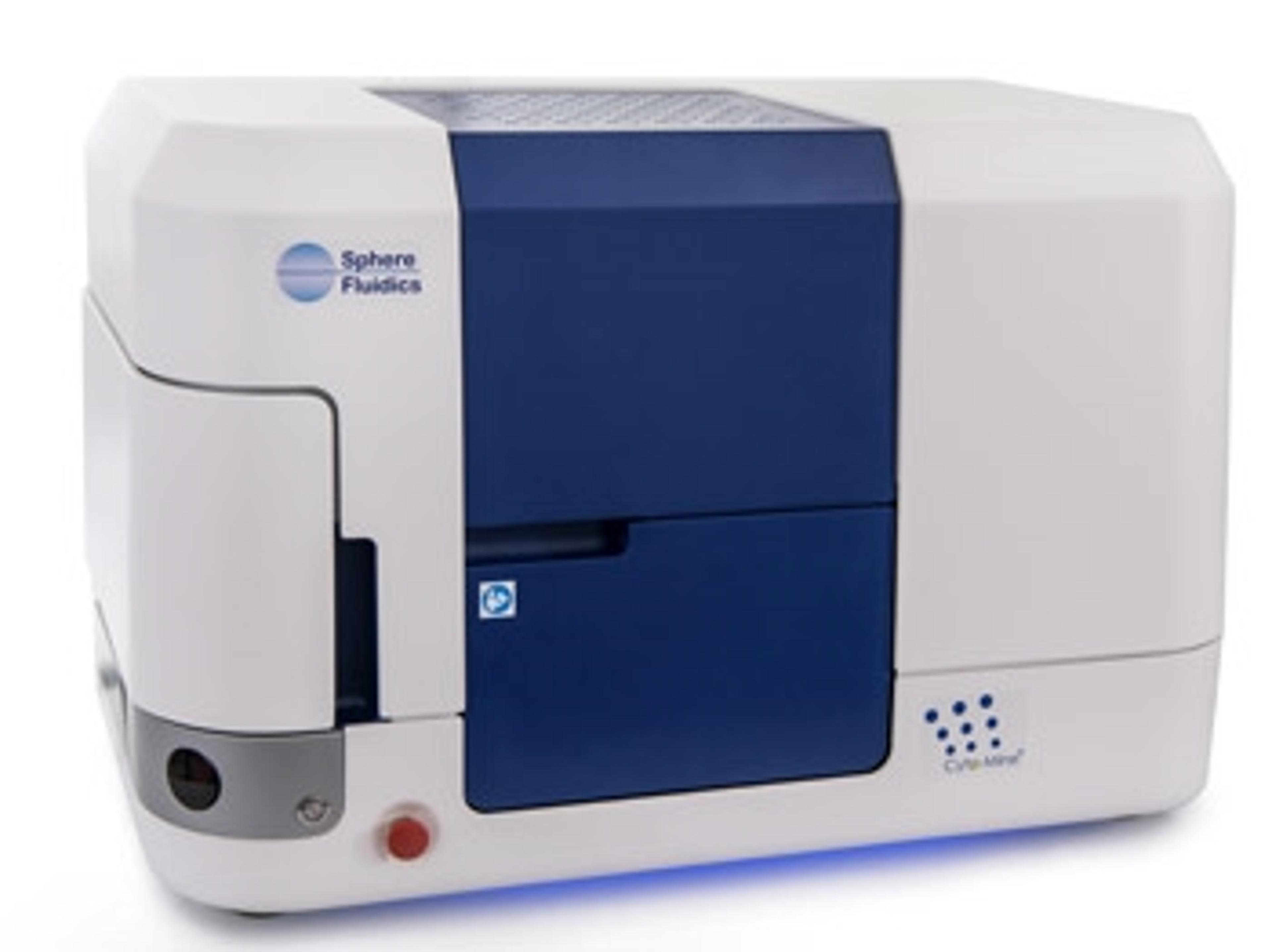
Sphere Fluidics announces enhanced Cyto-Mine capability and performance
Simplified design reduces manufacturing time and offers improved functionality to help streamline antibody discovery, cell line development, cell therapy, and synthetic biology workflows

Sphere Fluidics and Heriot-Watt University collaborate to develop next-generation droplet generator instrumentation
Partnership awarded Innovate UK Knowledge Transfer Partnership grant

Sphere Fluidics receives Queen’s Award for Enterprise for Innovation
Single-cell analysis for therapeutic discovery recognized with prestigious business award for innovation
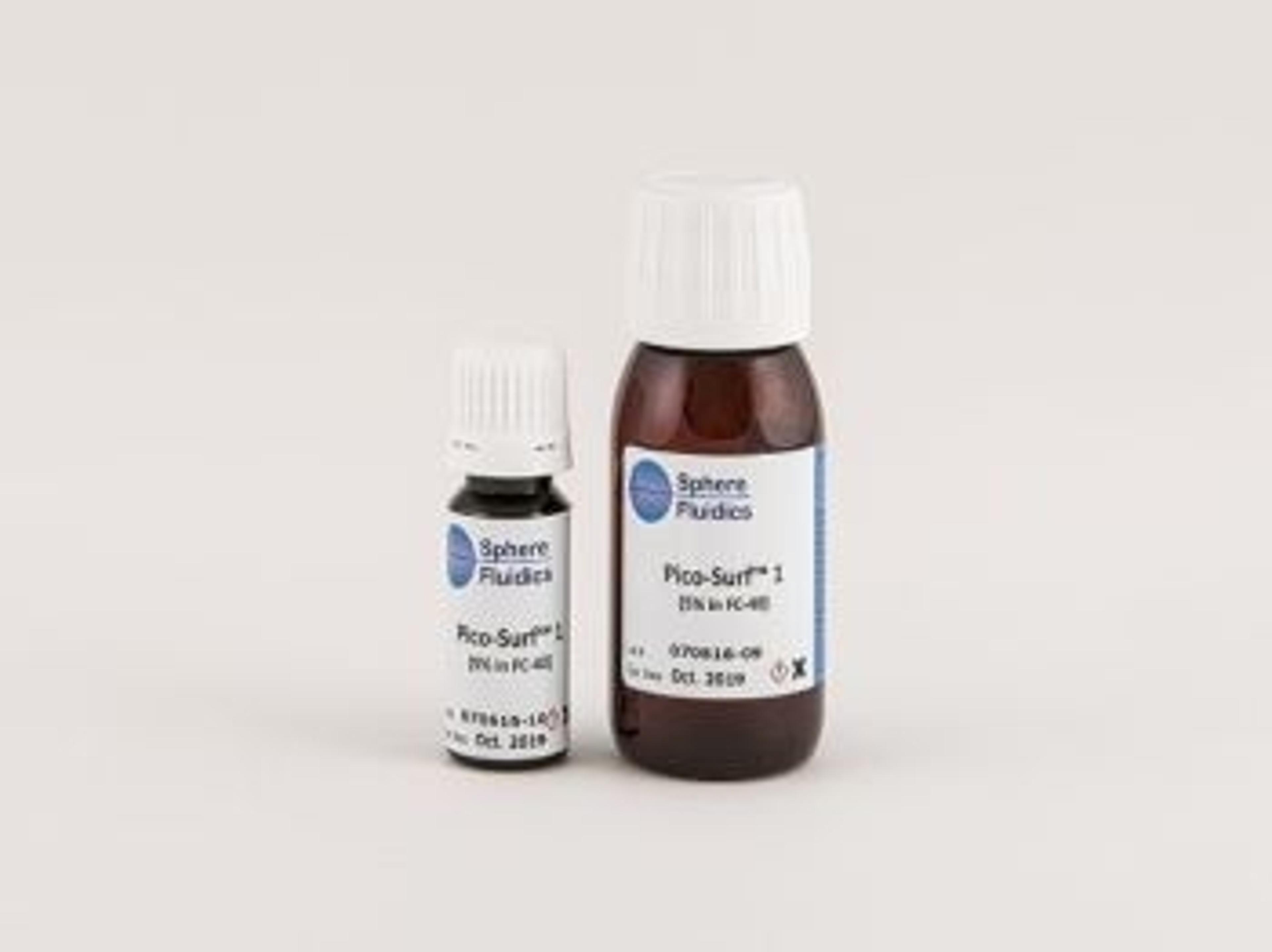
Sphere Fluidics expands commercial operations to increase supply of Pico-Surf surfactant for droplet microfluidics
Pico-Surf is designed to offer reliable, highly stable and high-quality droplet generation and processing for microfluidic applications
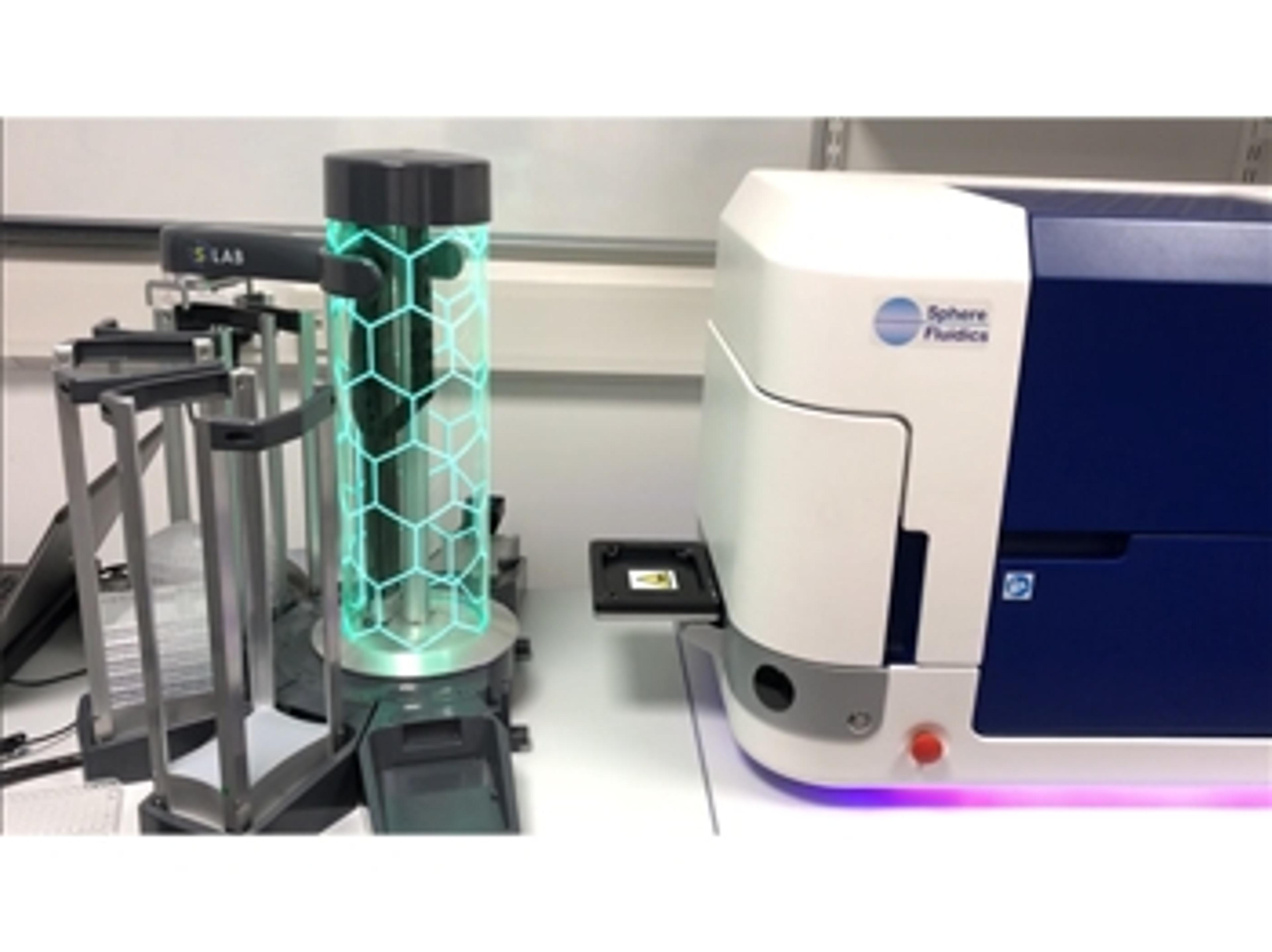
Sphere Fluidics and PAA introduce integrated micro-plate handling and single cell analysis capabilities
Integration of S-LAB with the Cyto-Mine Single Cell Analysis System increases throughput in antibody discovery and cell line development