
Research into Cellular Stress Can Curb Cancer Progression
Dr Eric Chevet, INSERM, shares his research goals in understanding the molecular mechanisms of ER stress in cancer
3 Aug 2017

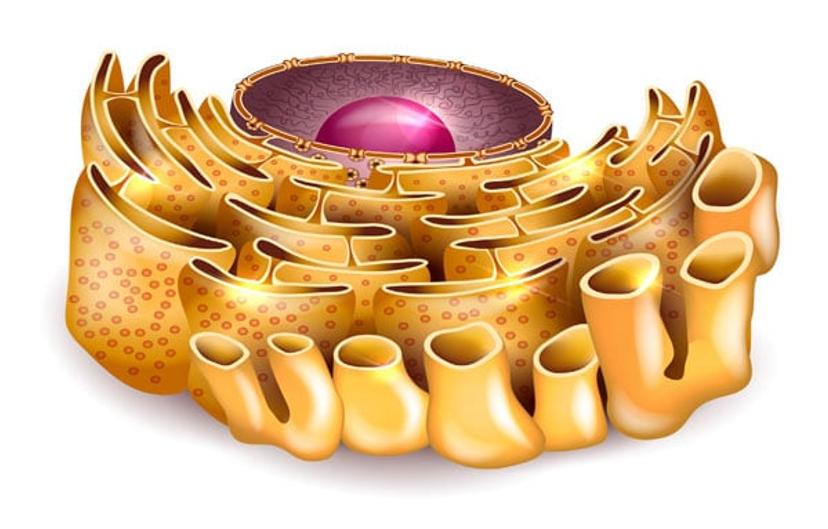
When misfolded proteins accumulate in the endoplasmic reticulum (ER), the cell’s headquarters for folding proteins, a state of cellular stress is activated. The unfolded protein response (UPR) is then triggered with a goal of restoring proteostasis, an equilibrium in protein folding. More recently, research has shown that ER stress can provide an advantage to cancer cells, aiding cancer progression. In an interview with SelectScience®, Dr Eric Chevet of INSERM (Institut national de la santé et de la recherche médicale), France, shares his research on ER stress and UPR signaling in cancers. Upon investigating the underlying molecular mechanisms of UPR, his team eventually plans to identify potential targets to control cancer.
SS: Please introduce yourself and your place of work
EC: I’m Dr Eric Chevet, Research Director at the French National Institute of Health and Medical Research – INSERM. I am heading an INSERM laboratory named “Chemistry, Oncogenesis, Stress and Signaling” in Rennes, in the west part of France, Brittany. The lab is located in the Comprehensive Cancer Center Eugene Marquis.
SS: Please describe your research
EC: The INSERM U1242 COSS laboratory is a translational research structure bringing together biologists and clinicians to better understand oncogenesis in the brain (mainly glioblastoma (GBM)), lung and gynecological cancers. With the collaboration between biologists working on cancer stress signaling pathways and cancer clinicians, the laboratory aims to decipher how tumor cells cope with stress to resist death. Moreover, COSS researchers collaborate with chemists to design and synthesize novel pharmacological molecules that target the relevant stress signaling pathways. Within COSS, our team, named “Proteostasis and Cancer” (PROSAC) aims to understand and target the cellular processes associated with the control of protein homeostasis (proteostasis) in cancer cells. In particular, we focus on the control of proteostasis in the first compartment of the secretory pathway, the endoplasmic reticulum (ER).
SS: Why is there a need to study ER stress in cancer?
EC: In cancer cells, the ER homeostasis is often perturbed as protein folding demand exceeds the cell’s folding capacity. This leads to a situation called ER stress and activation of the adaptive unfolded protein response (UPR). The UPR is mediated by three protein sensors named PERK, ATF6 and IRE1, that send signals aimed at restoring ER homeostasis. The activation of the stress sensors has been shown to provide selective advantages to tumor cells, through enhancing their adaptive properties either towards intrinsic stresses, such as oncogene expression, or extrinsic stresses, such as nutrient deprivation or chemotherapeutic attacks. As a result, these pathways hold attractive therapeutic targets whose modulation will alter cancer cells’ plasticity and adaptive properties.
SS: What methods do you use to study UPR in cancer?
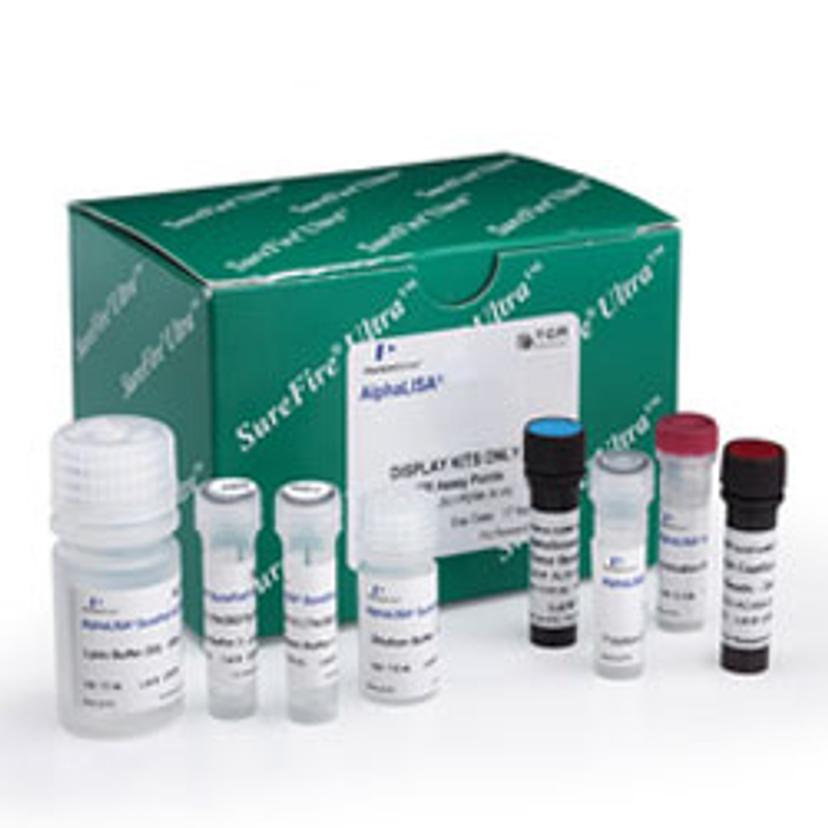
EC: Beyond classical cell and molecular biology approaches, we also use “omics” technologies such as targeted proteomics or transcriptomics (mostly microarrays or RNAseq) to address biological and translational questions. In addition, our approaches dedicated to the identification of novel compounds targeting the UPR involve the use of Perkin Elmer-based technologies such as AlphascreenTM. In the past, this has allowed us to identify novel modulators of IRE1 activity (Bouchecareilh et al, J Biomol Screen., 2010; Bouchecareilh et al, FASEB J., 2011).
SS: What is the future of your research?
EC: Our future research comprises three main axes: First, we aim to better characterize the molecular mechanisms of the UPR. Second, we will focus on the role of these mechanisms in GBM. Third, we will identify novel compounds that modulate the UPR, test them in our GBM preclinical models and within the frame of the Comprehensive Cancer Centre Eugene Marquis, make it possible to bring them to the patient.
Have you used the AlphaLISA® SureFire® Ultra™ Assay Kit? Leave a review here!
References:
Bouchecareilh M, Caruso ME, Roby P, Parent S, Rouleau N, Taouji S, Pluquet O, Bossé R, Moenner M, Chevet E. AlphaScreen-based characterization of the bifunctional kinase/RNase IRE1alpha: a novel and atypical drug target. J Biomol Screen. 2010
Bouchecareilh M, Higa A, Fribourg S, Moenner M, Chevet E. Peptides derived from the bifunctional kinase/RNase enzyme IRE1α modulate IRE1α activity and protect cells from endoplasmic reticulum stress. FASEB J. 2011