Material Analysis of Comet may Reveal Secrets of the Big Bang

14 Nov 2014

Lois Manton-O'Byrne, PhD
Executive Editor

Editorial article

In an outstanding example of aeronautical science, the European Space Agency successfully coordinated the world's first controlled landing on a comet. Philae (the lander) successfully landed on Comet 67P/Churyumov-Gerasimenko after 10 years of traveling through space. The landing was relayed to earth through the Rosetta orbiter and confirmation was received on November 12th 2014 at 16:03 GMT (17:03 CET). Philae continued to bounce twice and finally anchored itself to the surface of the comet, much to the delight and celebration of the European Space Agency.

But while that was a stunning, unique feat, it’s the information gathered while on the comet that’s the really interesting part. The dust and atmospheric composition of the comet are being collected and analyzed using everyday equipment, such as GC columns. It is hoped that this information will give an insight into the story of the Big Bang. Philae will continue to perform the series of scientific tests while on the comet using the specifically designed instruments listed below:


Instruments on Philae (the lander)

  • COSAC (COmetary SAmpling and Composition experiment) is a gas analyzer that detects and analyzes complex organic molecules. The analyzer consists of 8 capillary columns including two Agilent Technologies columns (UltiMetal Carbobond and CP-Chirasil-DEX CB). COSAC also uses the MicroGC Thermal Conductivity Detectors from Agilent.
  • PTOLEMY is a gas analyzer that measures the isotopic ratio of the light elements such as hydrogen, carbon, oxygen and nitrogen. This GC-MS system contains 3 Agilent columns: CP-PoraPLOT Q, CP-Molsieve 5A and CP-Sil-8 CB.
  • APXS (Alpha X-Ray Spectrometer) measure the elemental composition by detecting X-rays and alpha particles on the comet's surface.
  • ÇIVA is made up of six cameras that gives a panoramic view of the surface giving information on texture, reflectivity and composition.
  • CONSERT (Comet Nucleus Sounding Experiment by Radiowave Transmission) probes the internal structure of the nucleus. Radio waves from CONSERT on Rosetta are sent through the comet to the CONCERT on Philae which are then returned by transponder back to Rosetta.
  • MUPUS (Multi-Purpose Sensors for Surface and Subsurface Science) uses sensors to measure density, thermal and mechanical properties of the comet's surface.
  • ROLIS (Rosetta Lander Imaging System)generated high-resolution images during the decent to the comet.
  • ROMAP (Rosetta Lander Magnetometer and Plasma Monitor) is a magnetometer that monitors the local magnetic field of the comet and its interation with solar wind.
  • SD2 (Sample and Distribution Device) takes samples from beneath the comets surface and delivers them to ovens or microscopes for analysis.
  • SESAME (Surface Electrical Sounding and Acoustic Monitoring Experiments) measures the properties of the comet's outer layers.

The technology onboard Rosetta (the orbiter):

  • ALICE (Ultraviolet Imaging Spectrometer) analyzes the gases (water, carbon monoxide/dioxide) produced by the comet.
  • CONSERT (Comet Nucleus Sounding Experiment by Radiowave Transmission) sends radio waves from Rosetta through the comet to the CONCERT on Philae which are returned by a transponder back to Rosetta in order to deduce the internal nucleic composition.
  • COSIMA (Cometary Secondary Ion Mass Analyzer) characterizes the dust particles emitted from the comet.
  • GIADA (Grain Impact Analyzer and Dust Accumulator) analyzes the properties of dust particles including velocity and momentum.
  • MIDAS (Micro-Imaging Dust Analysis System) analyzes the dust surrounding comet.
  • MIRO (Microwave Instrument for Rosetta Orbiter) determines the surface temperature of the nucleus and gases emitted from the comet.
  • OSIRIS (Optical, Spectroscopic and Infrared Remote Imaging System) captures high-resolution images with wide-angle and narrow-angle cameras.
  • ROSINA (Rosetta Orbiter Spectrometer for Ion and Neutral Analysis) contains two sensors that determine the composition of the comet's atmosphere and any gaseous reactions that occur.
  • RPC (Rosetta Plasma Consortium) measures the physical properties of the comet and how the effect of solar wind.
  • RSI (Radio Science Investigation) measures the shift in frequencies deducing the mass and gravity of the comet's nucleus.
  • VIRTIS (Visible and Infrared Thermal Imaging Spectrometer) maps the structure and the temperature of the comet's surface.

Micro GC Refinery Gas Analyzer

Agilent Technologies

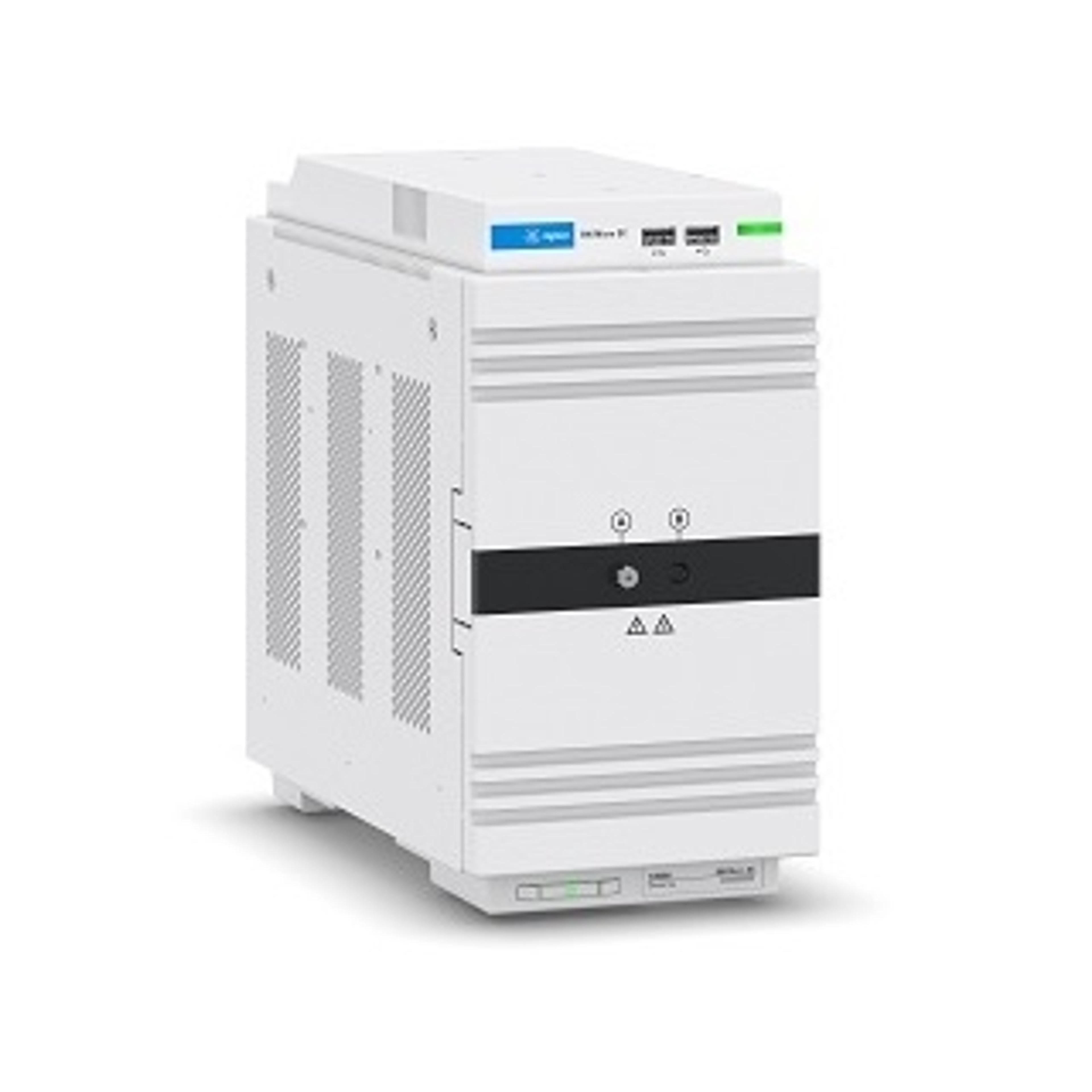
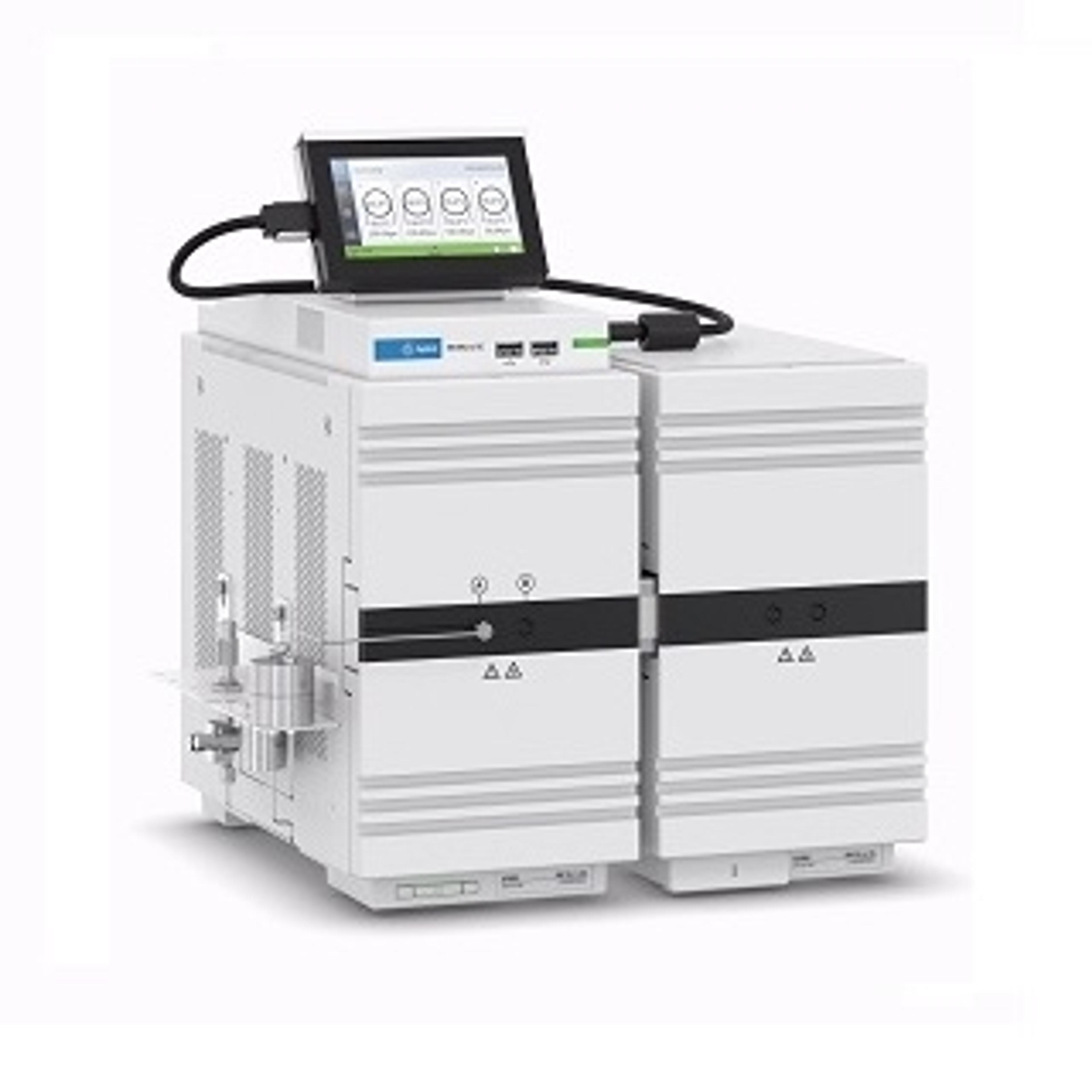
Based on the Agilent 990 Micro GC, this portable four channel, multi-dimensional Refinery Gas Analyzer works in remote environments with complete operational simplicity. It is optimized for specific RGA analytes, with a total analysis cycle time of less than three minutes.

(0)

Links

Tags

Gas ChromatographyGas chromatography (GC) is an analytical technique used to separate and quantitate mixtures of small and volatile compounds. Gas chromatographs or GC systems include components such as GC columns, detectors, pumps and autosamplers. Choose from packed or capillary GC columns, flame ionization (FID), photoionization (PID) electron capture detectors and selective or non-selective detectors. Find the best gas chromatographs in our peer-reviewed product directory: compare products, check customer reviews and receive pricing direct from manufacturers.Atomic Absorption / Emission SpectroscopyAtomic absorption spectroscopy (AAS) and atomic emission spectroscopy (AES) — also called optical emission spectroscopy (OES) — are used to detect the elemental constituents in samples. Both techniques involve the atomization of a sample. Atomic absorption spectrometers may use a flame or furnace to create an atomic vapor of the sample before irradiation with spectral light. Optical emission spectrometers may use a flame, inductively coupled plasma (ICP), microwave plasma (MP) or spark arcs to atomize and excite the sample. At higher excitation energies, electrons can be emitted instead of photons, which can be useful for samples that can’t be atomized and for surface analysis. Explore electron spectroscopy equipment such as Auger spectrometers and photoelectron spectrometers for surface elemental analysis of samples. Find the best atomic absorption, photoelectron and optical emission spectrometers in our peer-reviewed product directory: compare products, check customer reviews and receive pricing direct from manufacturers.Mass SpectrometryMass spectrometry (MS) is a powerful analytical technique used to identify and quantify molecules based on the mass-to-charge ratio of gas-phase ions. It provides detailed information about the structure, composition, and properties of compounds and is widely used across fields such as environmental monitoring, materials science, drug discovery and development, food and beverage testing, and wider chemical research. Key MS techniques include tandem mass spectrometry (MS/MS), liquid chromatography–mass spectrometry (LS-MS) and inductively coupled plasma (ICP-MS). Choosing from these wide range of techniques and technologies can be a daunting task, so keep up to date with scientific applications, performance expectations, and customer reviews here all in one place. Visit our product directory to receive quotes direct from the manufacturer. X-ray CrystallographyX-ray crystallography is an analytical technique used to determine the arrangement of atoms in a crystal. Monochromatic x-rays are produced from a synchrotron or x-ray generator. An x-ray crystallography system uses a detector to measure the x-ray diffraction from the crystal. The information is used to generate a 3D image of the crystal.X-Ray Diffraction and SpectroscopyX-Ray diffraction & spectroscopy are used in material characterization to discern the structure and elemental composition of a sample. X-Ray diffractometers (XRD) are superior instruments in elucidating the dimensional atomic structure of crystalline materials, including powders, thin films and single crystals. For large unit cells or ordered macromolecules, consider small-angle X-ray scattering (SAXS). X-ray spectroscopic techniques include X-ray fluorescence (XRF) and X-ray photoelectron spectroscopy (XPS), both providing simple and accurate methods for determining the elemental composition of a material. Energy dispersive (EDXRF) and wavelength dispersive (WDXRF) XRF spectrometers are available, as well as handheld/portable devices. High-resolution, 3D microstructure characterization of materials can be achieved with X-ray microscopes combining sub-micron resolution imaging with 3D computed tomography. Find the best XRD and XRF spectrometers in our peer-reviewed product directory: compare products, check customer reviews and receive pricing direct from manufacturers.NanotechnologyNanotechnology, or nanotech, is an engineering technique using molecular scale functional systems. Applications of nanotechnology include medicine and medical devices, electronics, air and water purification, food science and energy production.Particle CharacterizationParticle characterization instruments are used to determine particle size distribution, shape, surface area, zeta potential, density and porosity of particles and materials. Multiple tecchniques are available for determining particle size, shape and count including dynamic light scattering (DLS), laser diffraction, electrozone (Coulter technique), imaging particle analysis and single particle optical sensing. Determine the density of your material with a gas pycnometer or examine its surface area and porosity with gas adsorption analyzers and mercury porosimeters. Find the best particle characterization instruments in our peer-reviewed product directory: compare products, check customer reviews and receive pricing direct from manufacturers.Thermal Analysis EquipmentThermal analysis equipment is used for measuring heat flow, weight loss, dimension changes or thermomechanical properties and is important for analyzing a material’s performance and stability. Thermal analysis equipment includes differential scanning calorimeters (DSC), thermogravimetric analyzers (TGA), thermomechanical analyzers (TMA), dilatometers, thermometers, vapor sorption analyzers, boiling and melting point apparatus. Thermal analyzers can reveal properties such as melting, crystallization and glass transitions or other processes such as oxidation, decomposition, volatilization, as well as coefficients of thermal expansion and modulus. Find the best thermal analysis equipment in our peer-reviewed product directory: compare products, check customer reviews and receive pricing direct from manufacturers.Light MicroscopyLight microscopes or optical microscopes are used to visualize microscale objects under magnification, including cells, clinical specimens and materials. Lab equipment for light microscopy includes confocal microscopes, fluorescence microscopes, zoom and stereo microscopes. Microscope slides and imaging reagents are available for visualizing samples, as well as various microscope stages and incubators for large or temperature-sensitive samples. Find the best light microscopes in our peer-reviewed product directory: compare products, check customer reviews and receive pricing direct from manufacturers.GC-MS GC-MS (gas chromatography-mass spectrometry) instruments and equipment are used to separate, quantify and identify mixtures of small and volatile compounds, such as polycyclic aromatics, fatty acids and alcohols. Often used in drug detection, forensic investigation and environmental analysis for pesticides and contaminants, GC-MS is a powerful addition to your lab’s analytical capabilities. GC-MS/MS instruments equipped with a qTOF or triple quadrupole analyzers can give greater sensitivity and resolution to your analysis. Find the best GC-MS instruments and equipment in our peer-reviewed product directory: compare products, check customer reviews and receive pricing direct from manufacturers.Thermal ImagingMicrowave SynthesisChromatographyChromatography is a powerful technique used to separate and analyze components of mixtures based on their chemical properties. It is widely used in fields like biochemistry, pharmaceuticals, and environmental analysis. By exploiting differences in the interaction of substances with a stationary phase and a mobile phase, chromatography enables precise purification and quantification of compounds. Whether you're working with complex biological samples or industrial chemicals, chromatography is essential for obtaining high-quality results. Browse our peer-reviewed product directory to find the best chromatography systems, compare products, read customer reviews, and get pricing directly from manufacturers.Gas AnalysisGas analysis is used to measure the composition of gases in various environments, such as industrial processes, air quality monitoring, and environmental studies. Techniques like gas chromatography and mass spectrometry are commonly used. Explore gas analysis tools in our peer-reviewed product directory; compare products, check reviews, and get pricing directly from manufacturers.NanomaterialsNanomaterials such as carbon nanotubes, fullerenes and nanoparticles are a group of materials that measure between 1-1000nm for a single unit. Analysis techniques include AFM, electron microscopy and super resolution microscopy.
Material Analysis of Comet may Reveal Secrets of the Big Bang