
Pre-Analytical Variables in the Clinical Chemistry Lab
Detecting and minimizing pre-analytical variables in clinical analysis
8 Dec 2017
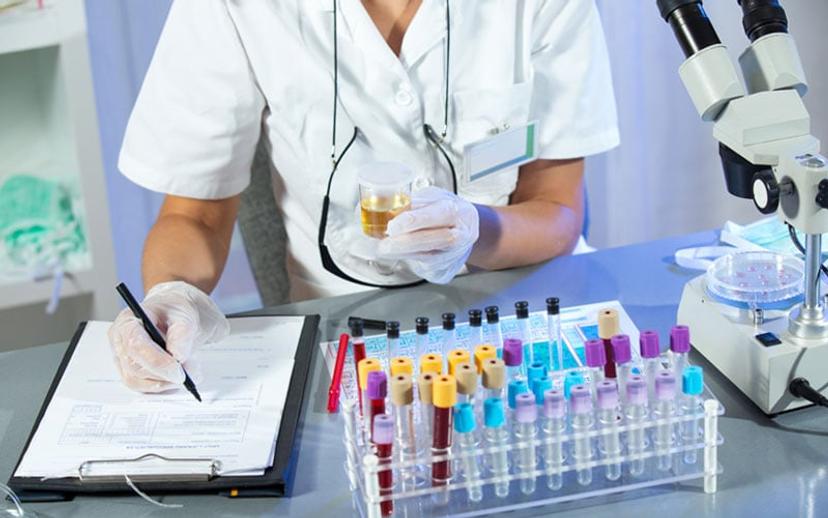
Pre-analytical variables account for 32%- 75% of laboratory errors
Pre-analytical variables refers to any and all procedures that occur during sample collection, prior to sample analysis. This involves patient identification, physical sample collection, sample transportation to the testing site and sample preparation.
Pre-analytical errors account for 32%-75% of laboratory errors1. These errors can have a significant impact on laboratory results and it is imperative that laboratory personnel are able to spot these erroneous results, rather than falsely attributing them to an underlying medical cause.
External pre-analytical variables
Some factors such as exercise, eating, drinking and medication can affect patient results. Eating and drinking affects glucose, triglycerides, alkaline phosphatase, alanine, aminotransferase, inorganic phosphate, cholesterol, folic acid, urea, potassium and more. It is recommended that a fasting sample be taken if these sensitive parameters are to be measured.
Exercise should not be undertaken immediately before blood tests such as CK, AST and LDH. In some cases, medication may be postponed for several days until a blood test can be taken, unless the blood test is for therapeutic drug monitoring purposes.
Problems during sample collections
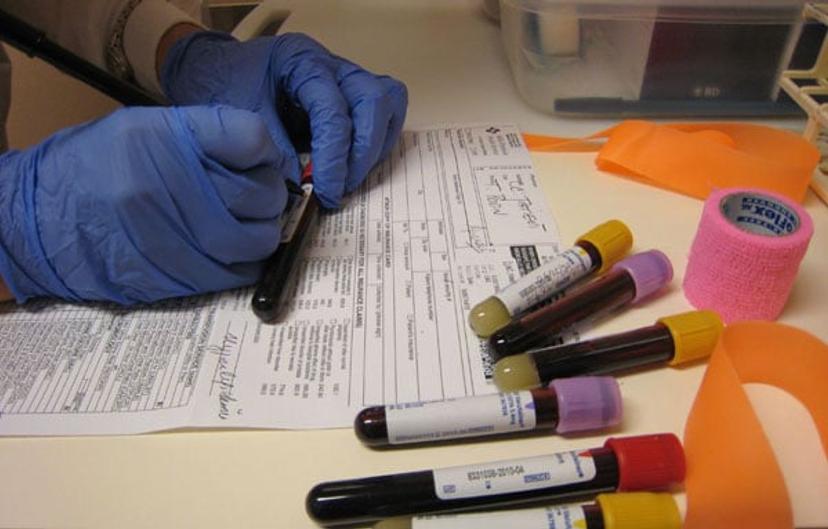
The quality of the blood sample can be affected by variables that occur during the process of taking that sample. Poor veins, insufficient mixing of the sample and interruption of blood flow during collection can all result in the sample clotting, or activation of the coagulation cascade that leads to abnormal in vitro clotting results.
Asking the patient to open and close their fist during blood collection can cause a rise in potassium and magnesium as a result of the increase in muscle activity. Excessive constriction during collection can also result in changes to potassium levels, as well as GGT. Excessive sample mixing following collection can cause hemolysis.
- Read more about possible problems in sample collection in this guide: Tips & Techniques in Preanalytics
- More valuable information for phlebotomists can be found in this guide: Blood Collection in Practice: A Guideline for Phlebotomists
Collection tubes
Collection are increasingly sophisticated and are designed to help minimize pre-analytical variables associated with sample collection. Greiner Bio-One produce a MiniCollect® tube that incorporates spray-dried additives such as lithium heparin. This ensures a more uniform coating on the inner sample tube that improves specimen mixing characteristics. Read an Evaluation of MiniCollect® Lithium Heparin Tubes with Spray-Dried Additive.
Picking up analytical errors
Laboratory staff are trained to pick up obvious problems in samples such as hemolysis or abnormal coagulation. Diagnostic manufacturers are also developing technology that enables the analyzer itself to flag up possible pre-analytical factors.
Sphere Medical has launched a near patient testing blood gas analyzer that has been designed to address common pre-analytical errors such as sedimentation rate, hemolysis and sample contamination. The company has published an interesting white paper entitled “Addressing common pre-analytical errors associated with arterial blood gas analysis using the Proxima system”.
Most modern core-lab clinical analyzers are able to detect sample errors such as hemolysis, icterus, and lipemia in patient specimens. However it is important that all laboratory staff are able to spot these problems in samples, at the time of analysis.
Pre-analytical errors in the lab
Automating your pre-analytical processes is a very effective way of reducing human errors in the laboratory. Automated systems such as Beckman Coulter’s Power Processor Sample Handling System, and Siemens’s Aptio Automation Solutioncan significantly reduce labor costs and eliminate the opportunity for human error. The added advantages of automated pre-analytical systems are that they enhance productivity and accuracy, and support a high throughput work-flow.
Download the SelectScience How to Buy Pre-Clinical and Clinical Automation Technology eBook for more advice on automating your workflow.
Conclusion
There are many opportunities for pre-analytical errors to occur during the process of patient testing. Knowledge of how to reduce the risk of pre-analytical errors is essential along the entire collection and testing pathway, as well as knowing how to spot errors when they occur. Physicians in the hospital must be able to rely on the accuracy of the results that are given out by the lab, otherwise incorrect and possibly dangerous decisions may be made with regards to patient care. Diagnostic technology is increasingly sophisticated at detecting and minimizing pre-analytical errors. Every clinical chemistry laboratory can benefit from making use of such advances.
Reference:
Bonini P, PlebaniM, Ceriotti F, et al. Errors in laboratory medicine. Clin Chem. 2002;48:691-698.
For the latest articles, news and resources, visit our clinical diagnostics community >>
Related products
Request Quote for All Products
Aptio® Automation
Siemens HealthineersAptio® Automation combines intelligent technologies with Siemens Healthineers workflow expertise to deliver flexible solutions that advance your laboratory’s productivity. Accelerate processing and achieve consistent turnaround time using intelligent routing, single-sample flow, and primary tube sampling technologies.Improve utilization of lab resources through data-driven simulations, optimization modeling, and best practices of an experienced partner. Position your laboratory for future expansion and rapid access to innovations in automation and diagnostics with a highly adaptable, multidisciplinary track.