My Lab Essentials: ‘The Swimming Professor’ Andreas Fath

19 Jan 2015

Kathryn Rix
Administrator / Office Personnel

Editorial article

In the second article in our new series, My Lab Essentials, the ‘Swimming Professor’, Prof Dr Andreas Fath, from the University of Furtwangen, Germany, discusses his novel research into the electrochemical degradation of water contaminants and the equipment that is vital to his work.

Prof Dr Fath designed a novel device to electrochemically decompose fluorinated surfactants in waste water. He says “We designed a sustainable electrochemical decomposition device that uses the energy of the sun to produce an electrical current.” This device could provide a technique to degrade contaminates that are usually difficult to destroy.

In 2014, Prof Dr Fath completed a 764-mile (1,231 km) swim of Germany’s River Rhine to raise awareness of his research into water treatment, earning him the name the ‘Swimming Professor’. The Rheines Wasser project raised awareness of the importance of his research and sponsorship for the University of Furtwangen to purchase vital water analysis equipment. During the 28-day record breaking marathon swim, Prof Dr Fath collected water samples from the Rhine for analysis at the University of Furtwangen and other research institutions. The compounds analyzed from the Rhine included pesticides, pharmaceuticals and sweeteners.

Here are Prof Dr Fath’s Lab Essentials, the technology he couldn’t do without:

1. 4000 QTRAP® LC/MS/MS System from AB SCIEX
2. Clarus GC/MS from Perkin Elmer
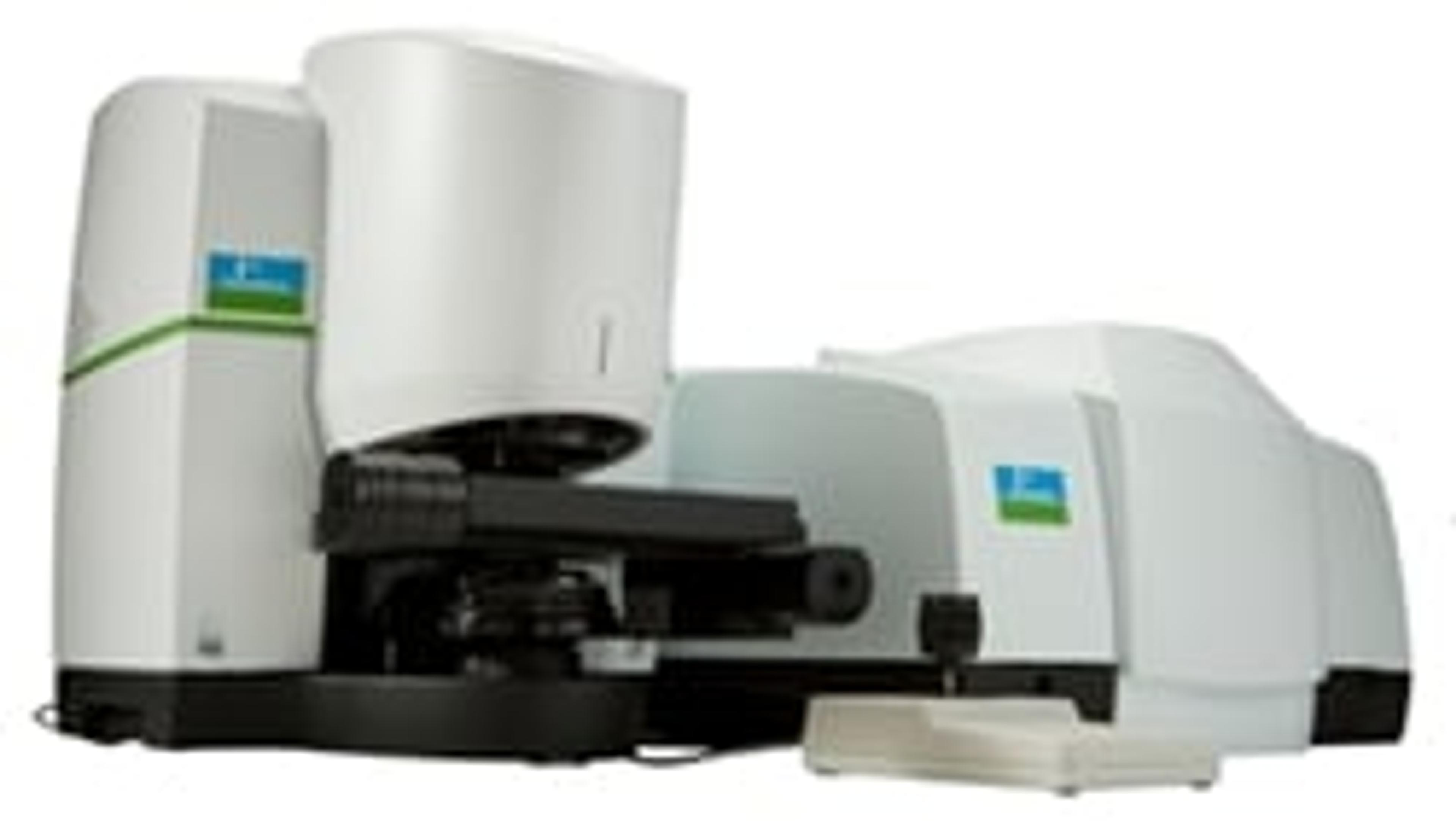
3. Spotlight 200 FT-IR Imaging System from Perkin Elmer
4. TENSOR™ series FT-IR spectrometers from Bruker Optik GmbH
5. PGStat 101 from Metrohm
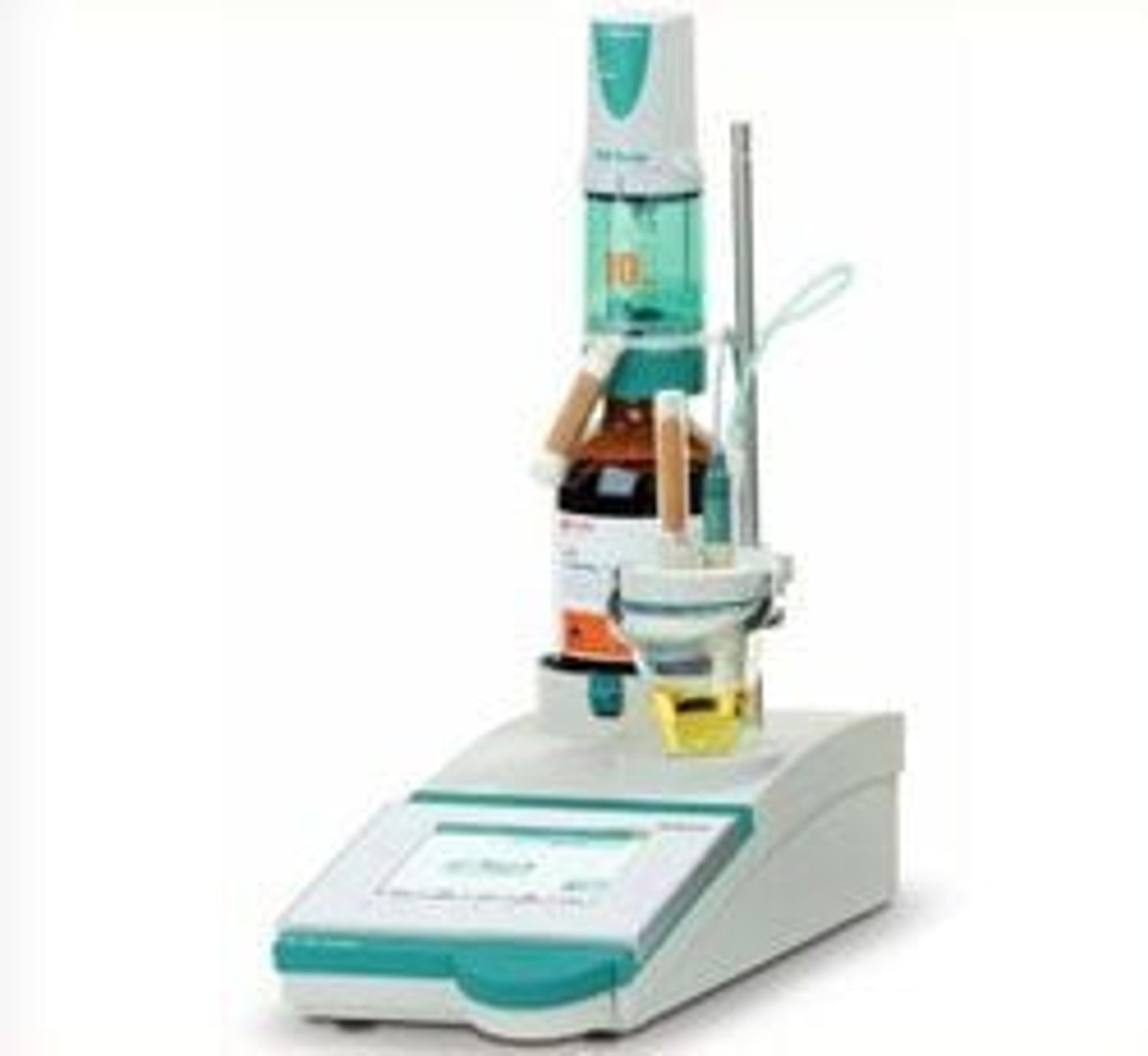
6. 916 Ti-Touch Compact Titrator from Metrohm
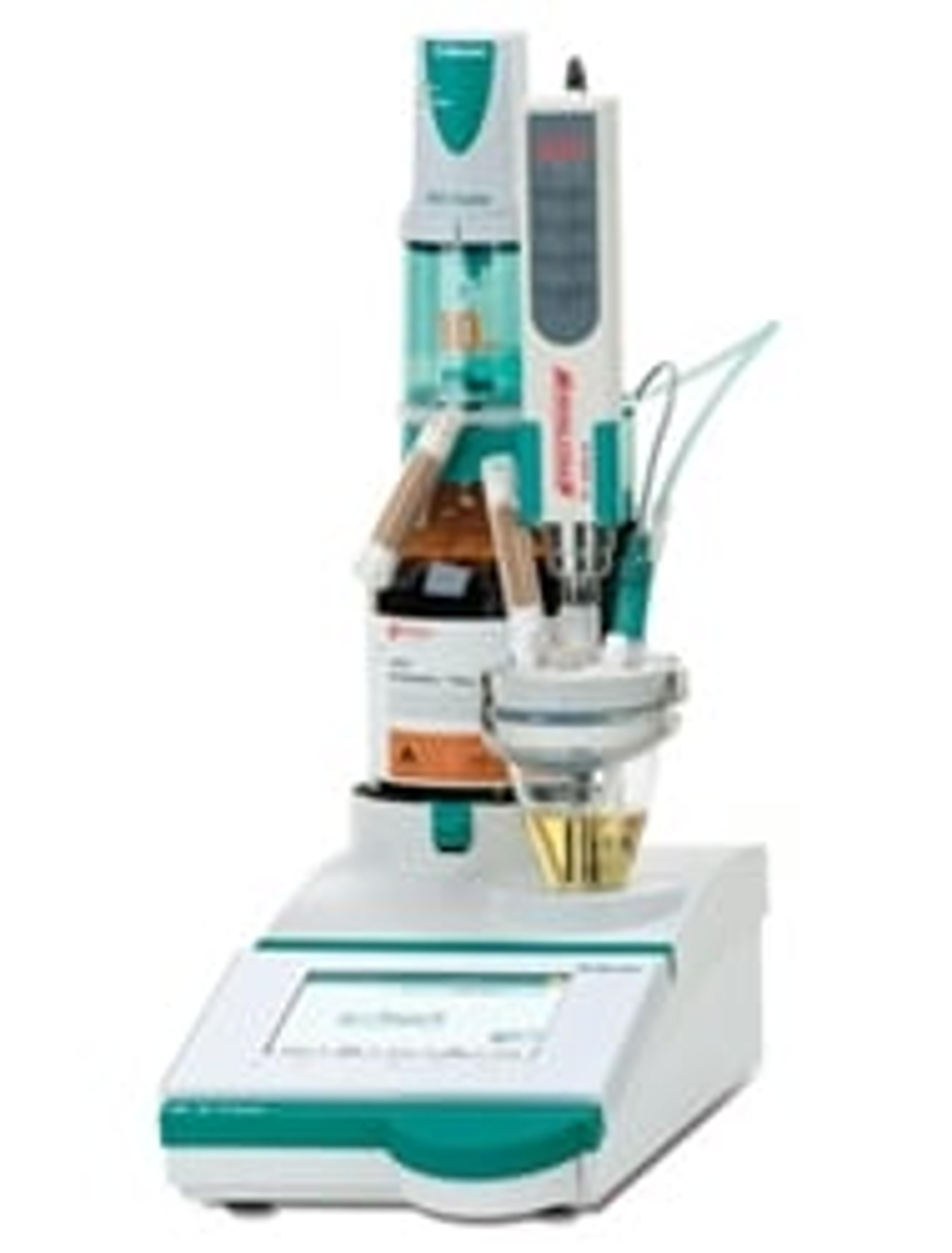
7. 915 KF Ti-Touch from Metrohm


Which lab equipment makes your research possible? Review your lab equipment here.

Image: Taken by Braxart/Furtwangen University
Links

Tags

ElectrophoresisElectrophoresis equipment is used to separate mixtures of protein, DNA or RNA, based on their electric charge, size and other physical characteristics, by passing them through a medium such as a polyacrylamide gel, an agarose gel or a capillary tube. Electrophoresis equipment includes horizontal and vertical gel electrophoresis chambers, isoelectric focusing systems, 2D electrophoresis and capillary electrophoresis instruments. Precast gels with a gradient can be used or gels can be hand cast. Samples are run alongside ladders or markers to identify the approximate size of a molecule. Separated proteins and nucleic acids in the gel can be stained or probed with fluorescent markers and then imaged and detected using gel documentation instruments, transilluminators, densitometers and scanners. Find the best electrophoresis equipment in our peer-reviewed product directory: compare products, check customer reviews and receive pricing direct from manufacturers.LC-MSLC-MS (liquid chromatography-mass spectrometry) systems and equipment are used for separation and quantitative analysis of complex mixtures, combining liquid chromatography and mass spectrometry. Quantify proteins, contaminants, pesticides or screen for drug metabolites with a high level of sensitivity. LC-MS systems and equipment include reverse phase, normal phase and specialized columns integrated with various MS detectors such as time-of-flight (TOF), quadrupole, orbitrap or ion trap mass analyzers. LC-MS/MS instruments equipped with a qTOF or triple quadrupole analyzer give greater sensitivity and resolving power to your analysis. Find the best LC-MS equipment in our peer-reviewed product directory: compare products, check customer reviews and receive pricing direct from manufacturers.VoltammetryVoltammetry is a sensitive analytical technique for elemental detection. In a voltammeter the current is measured in the system whilst the voltage is varied. Usually 3 metal electrodes are required including the reference, auxiliary and working electrodes. In polarography, a subclass of voltammetry, the working electrode used is a dropping mercury electrode (DME). The 2 main types of voltammetry are cyclic and linear sweep voltammetry.Environmental Monitoring and TestingEnvironmental monitoring and testing uses handheld portable analyzers, kits, spectrometers or chromatography systems for air, water, soil, food and other sample testing. Useful features of analyzers such as BOD and COD include portability, easy calibration, automation and sensitivity.  Environmental test kits for pH, water, moisture, etc, should be accurate, sensitive, reliable, fast and easy to use.TitrationTitration is an analytical technique for determining substance concentration in a solution. For titration consider a manual or automated system, volumetric or coulometric reagent addition and indication by a potentiometer, spectrometer, turbidometer or by the Karl Fischer method. Other features of titration to consider include burettes, reagents, concentration range, reaction time and autosamplers.GC-MS GC-MS (gas chromatography-mass spectrometry) instruments and equipment are used to separate, quantify and identify mixtures of small and volatile compounds, such as polycyclic aromatics, fatty acids and alcohols. Often used in drug detection, forensic investigation and environmental analysis for pesticides and contaminants, GC-MS is a powerful addition to your lab’s analytical capabilities. GC-MS/MS instruments equipped with a qTOF or triple quadrupole analyzers can give greater sensitivity and resolution to your analysis. Find the best GC-MS instruments and equipment in our peer-reviewed product directory: compare products, check customer reviews and receive pricing direct from manufacturers.Waste WaterWater AnalysisAnalytical methods used to test the purity of drinking water include determining the level of contaminants abides to the level set by the Environmental Protection Agency (EPA).ElectrochemistryLab EssentialsLab essentials include laboratory consumables that are vital to the operation of all laboratories.PharmaceuticalsPharmaceuticals are medicinal drugs used in healthcare to diagnose, prevent, cure and treat illnesses. Pharmaceuticals that are excreted after use appear in wastewater and can have detrimental effects on the environment.