
Streamlining the Molecular Diagnostics Laboratory for Faster Detection of Childhood Cancers
The technology helping to save young lives by enabling quick testing of patient samples
11 Jun 2017
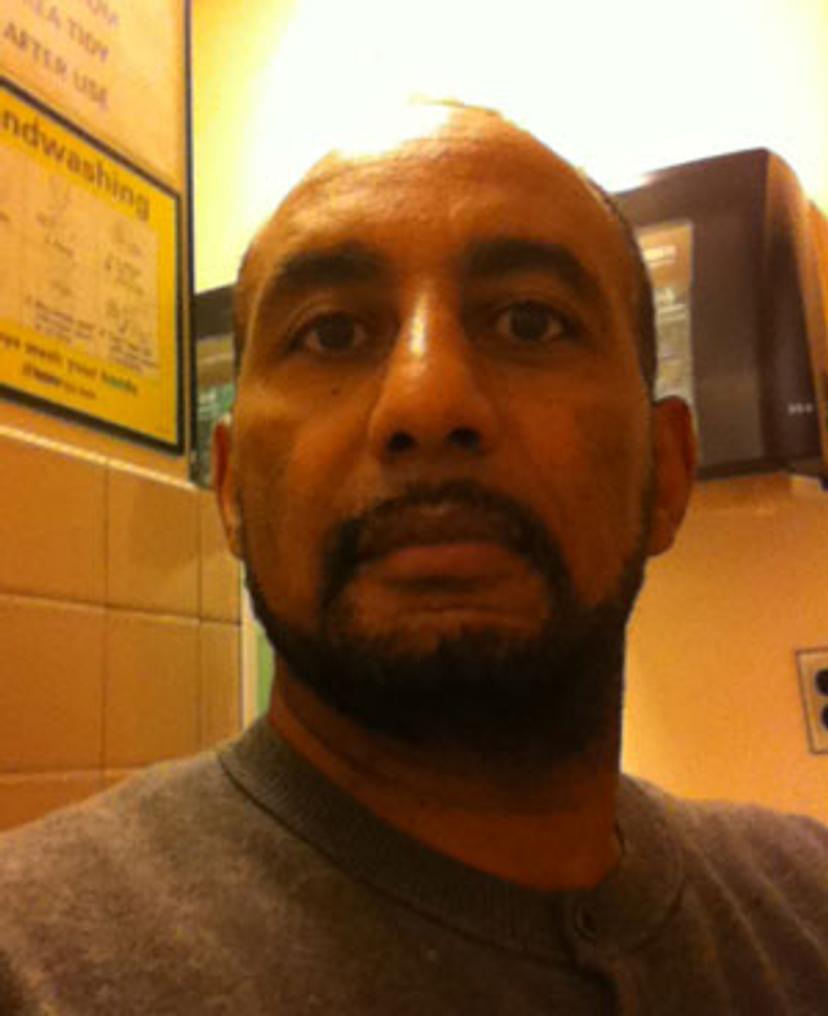
Kassa Beimnet, MLT, MSc, is a Senior Genetics Technologist in the Clinical Molecular Diagnostics Laboratory of the Department of Paediatric Laboratory Medicine at the Hospital for Sick Children (SickKids) in Toronto, Canada.
Every day, clinicians at the Hospital for Sick Children (SickKids) in Toronto, Canada, rely on the molecular analysis of patient samples to diagnose and monitor childhood leukemia and other diseases. The efficiency of this step is important to ensure patients requiring treatment receive the appropriate therapy as soon as possible.
Scientists in the Clinical Molecular Diagnostics Laboratory of the Department of Paediatric Laboratory Medicine at SickKids analyze RNA and DNA from patient samples to identify genetic abnormalities that have implications on the clinical course of childhood leukemia. SelectScience® spoke to Senior Genetics Technologist, Kassa Beimnet, to learn how the technology he uses is helping to streamline sample processing, to provide clinicians with these critical results, faster.
SS: Tell us a little about your role
KB: The primary focus of my lab is performing molecular tests in hematology-oncology. We test bone marrow aspirates, peripheral blood, body fluids and tissues to assist in the diagnosis and treatment of childhood leukemias and other blood disorders.
SS: Can you describe an average day
KB: Every day we receive samples collected from our hospital clinics, as well external cases referred to us from the greater Toronto area. We may receive between 50-100 samples in a day. Most of the tests are urgent, so we are on the go straight away. The clinicians depend on our tests and results to diagnose, treat and manage the patients promptly. In some cases, our results are critical for newly diagnosed patients who may need to be given chemotherapy straight away. We also perform monitoring and follow-up testing of patients’ samples to detect and assist in confirmations of remissions, or to confirm and monitor the extent of any relapses. These follow-up tests are useful to verify whether the patients have responded to therapy or not.
SS: How do you process patient samples?
KB: All our tests are DNA or RNA based. For every sample that we receive, we have to isolate and purify DNA or RNA, depending on the type of tests that need to be performed. Therefore, to preserve the integrity of the specimen, we have to centrifuge our blood and bone marrow aspirate samples right away and collect the buffy coat – the white blood cell layer – from which the DNA or RNA are extracted. We have several centrifuges that are constantly being used to spin the samples to collect the white blood cell layer. The DNA or RNA extraction process also involves multiple centrifugation of these samples.
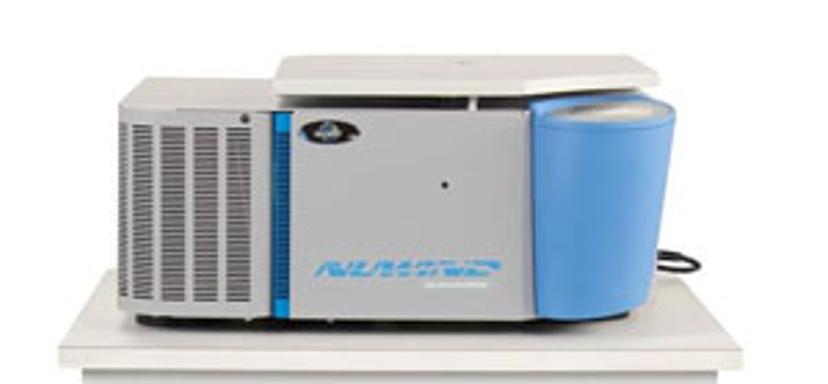
The NuWind centrifuge from NuAire, Inc. helps scientists in the Clinical Molecular Diagnostics laboratory at SickKids hospital to process patient samples efficiently.
SS: How does the technology you use help you process samples?
KB: At times, some of our tests are very urgent and we may need to centrifuge samples that may not necessarily be of precisely equal amount. We have both refrigerated and non-refrigerated models of the NuWind centrifuge and, so long as the sample volume is within a certain ballpark, we find them to be very stable. They rarely reject unbalanced samples, and for that reason there is no interruption to our workflow. Technical support from NuAire was spot on – when we needed assistance, they were more than forthcoming to resolve our issues.
SS: What would your top tip be for other scientists working in a similar laboratory?
KB: We always say that it’s always advisable to work with fresh samples. At times, there may be situations where samples need to be processed in batches to help with workflow. I have noticed that by handling and processing fresh samples at the earliest convenience, despite obvious logistical issues, we can obtain RNA and DNA extracts of superior yield and purity, which is very important especially when dealing with precious small samples from pediatric patients.
SS: What do you like most about working for SickKids?
KB: You see the positive outcome and effectiveness of medical intervention right in front of your eyes. There’s nothing more gratifying than the realization that you have contributed to the treatment, management and, in some cases, cure of children facing these conditions.