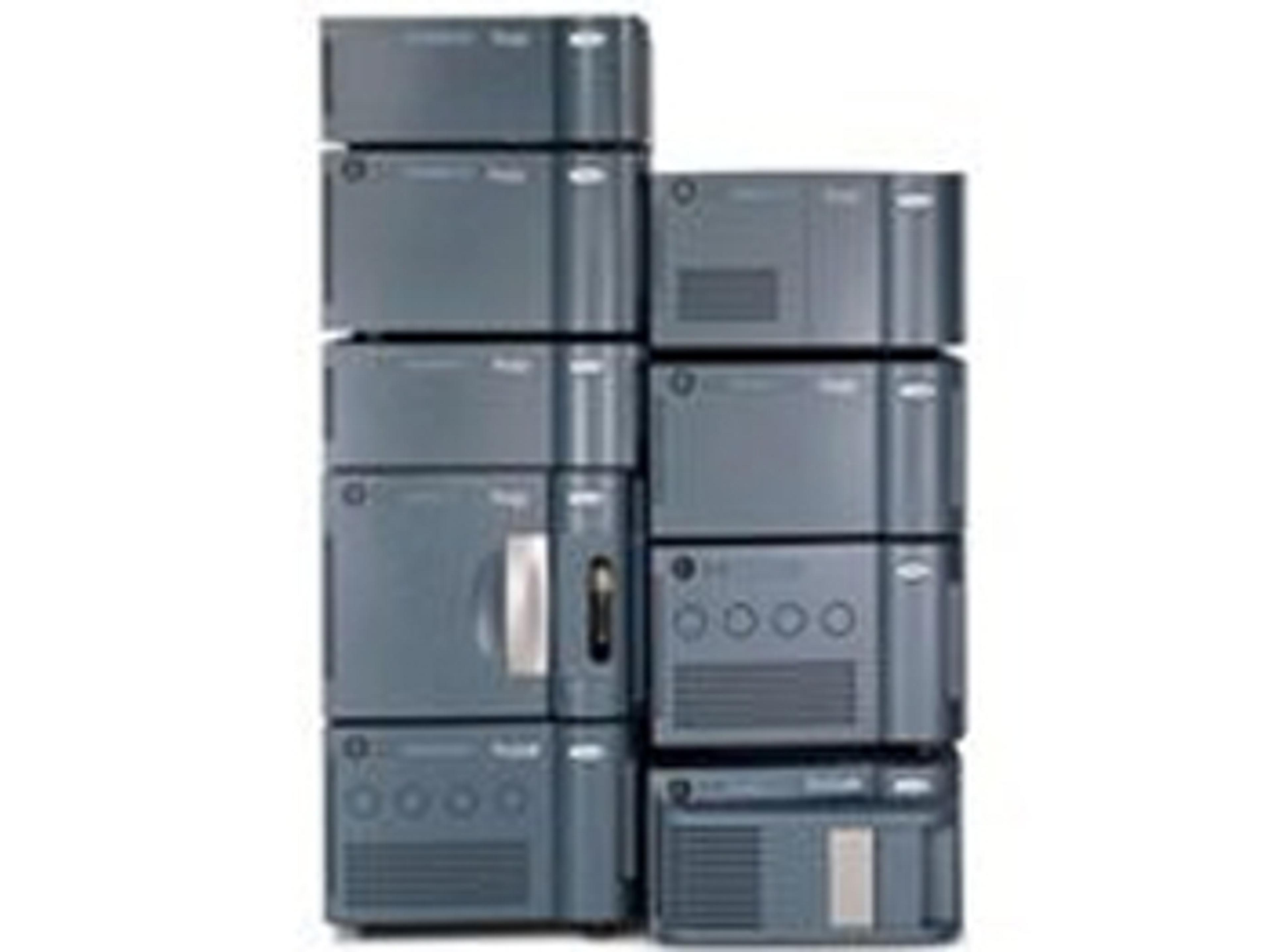
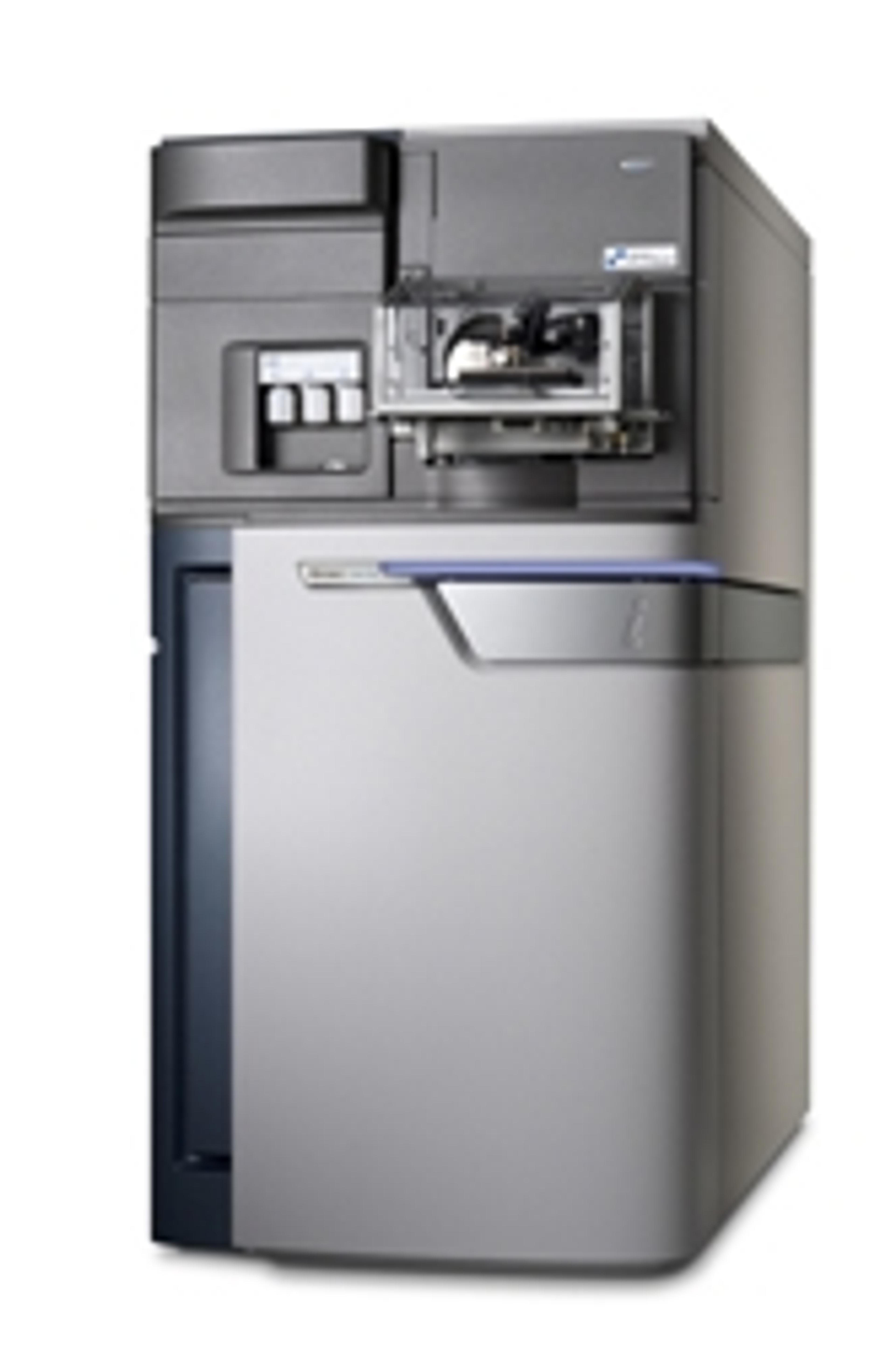
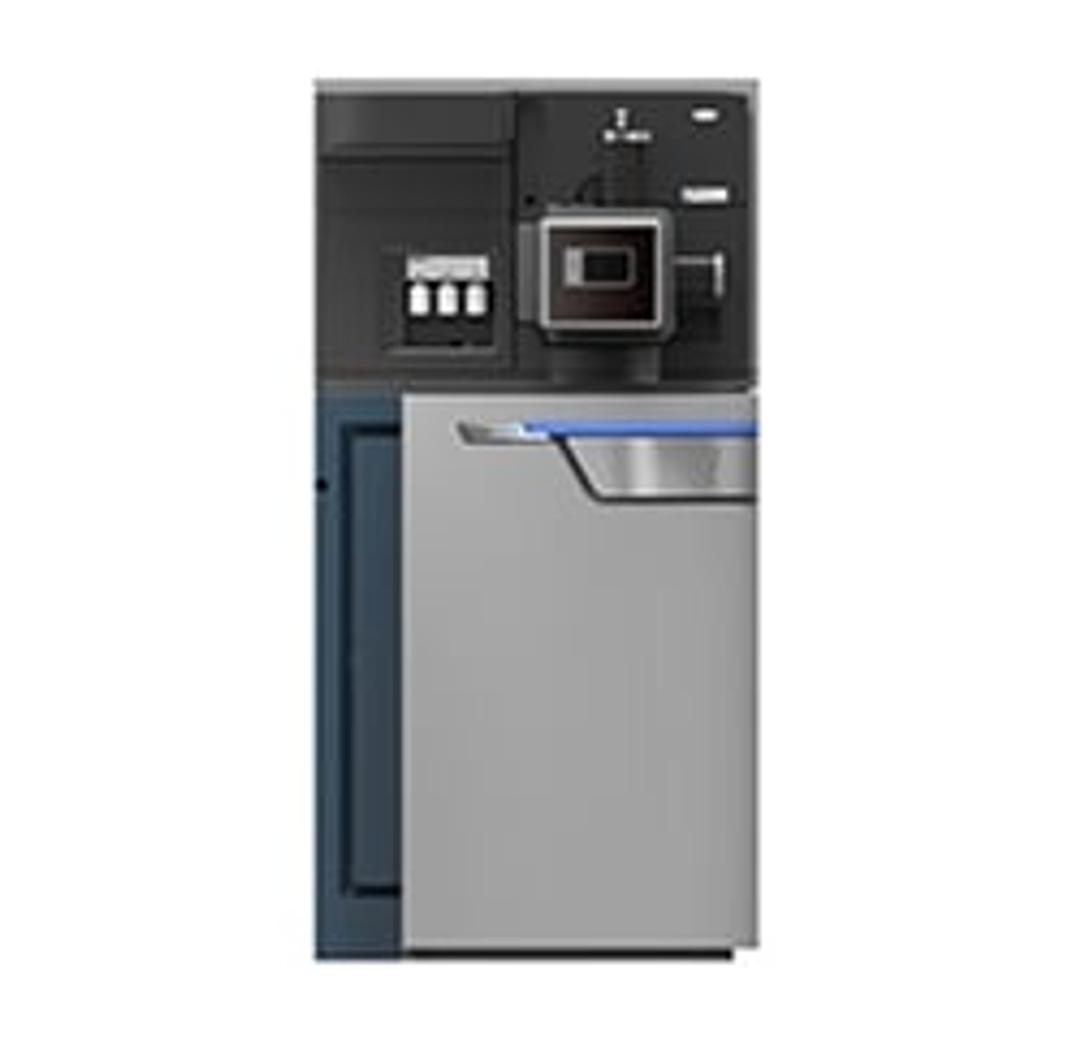
SYNAPT G2-Si MS
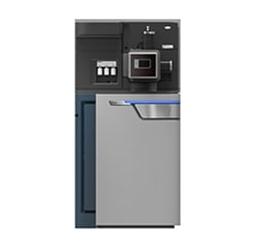
Transform your lab's discovery capability with the SYNAPT G2-Si MS. Information. Informatics. Impact. SYNAPT enables extensive characterization of complex mixtures and molecules with uncompromising qualitative and quantitative performance, streamlined workflows and unparalleled platform versatility. With the SYNAPT G2-Si you get ultimate UPLC/MS/MS performance, powerful data independent & data dependant solutions, CID and ETD…





The supplier does not provide quotations for this product through SelectScience. You can search for similar products in our Product Directory.
High performance instrumrnt
Polymer analysis
High performance instrument with excellent resolving power
Review Date: 22 Dec 2021 | Waters
Great HRMS instrument.
Analysis of pesticides and other contaminants in food
This is very useful for non-targeted analysis of pesticides and other contaminants with more selectivity. It is very user friendly and easy to handle.
Review Date: 2 Feb 2021 | Waters
An upcoming instrument which reveals hidden science.
Perform multiple tasks as analyzing analytes to isomer separation and many more with ease and fast p
Product is extremely effective in many ways. Easy to handle and user-friendly.
Review Date: 18 Apr 2019 | Waters
Good instrument, can look for other alternates not indispensable
Analyze proteins, denovo sequencing, antibodies, glycoform, oligonucleotides
Whenever works gives you good reliable data. Difficult to tune it to specific application. Installation and passing the spec is real pain!. Masslynx and unifi softwares don't talk to each other well!. Denovo sequencing options are very much premitive. There is no updation for masslynx. Multiple users... multiple problems. Calibration doesn't stay for more than 48hrs. For an antibody, one can expect accuracy of <50ppm, Even though waters claims more than 20. Lock mass is useful for peptides not in intact mass range. Using unifi software, it is difficult to get a reliable data for varied samples. If you are working on single product, batch to batch verification/comparison, it may be ideal.
Review Date: 12 Jan 2019 | Waters
Great instrument with excellent resolving power.
Chemical analysis
Powerful technique for small and large molecular analysis - both quantitative and qualitative.
Review Date: 5 Jul 2018 | Waters
Transform your lab's discovery capability with the SYNAPT G2-Si MS. Information. Informatics. Impact.
SYNAPT enables extensive characterization of complex mixtures and molecules with uncompromising qualitative and quantitative performance, streamlined workflows and unparalleled platform versatility. With the SYNAPT G2-Si you get ultimate UPLC/MS/MS performance, powerful data independent & data dependant solutions, CID and ETD fragmentation capabilities, and a wide range of experimental options.

Discrimmination of Different Unifloral Honeys Using an Untargeted High-Definition Mass Spectrometry Metabolomic Workflow
Food fraud can result in major food safety issues. Interestingly, honey is frequently subjected to fradulent mislabelling and adulteration due to it's high value as a food commodity. Traditional methods of characterization involves complex pollen analyses, which can produce erroneous and non-specific results. This application note describes the verification of honeys from different botanical origins using UPLC-MS/MS.
Untargeted Metabolomics and Lipidomics Notebook
Untargeted metabolomics and lipidomics are hypothesis-generating and exploratory in nature, their purpose is to perform an unbiased screening of metabolites and lipids in biological samples, allowing us to determine patterns or variations between different groups: healthy versus diseased, control versus treated or wild-type versus genetically modified.
This application notebook explains the use of novel and unique chromatographic and spectroscopic tools and methods for metabolomic and lipidomic solutions.
A Multi-Omic Approach for the Study of Heart Regeneration Using Zebrafish as a Model Organism
Previous studies involving the excision of heart tissue from zebrafish have shown tissue to regenerate in only a few days following amputation. Detailed analysis using genomic and proteomic approaches have identified a number of potential candidates that may be implicated in the regeneration process.
This application note uses a multi-omics approach to study zebrafish plasma, rather than the excised tissue, to provide a greater understanding of the mechanisms involved in heart tissue regeneration following the operation. Lipidomic and proteomic data have been collected using a label-free LC-HDMS approach.
Building a Collision Cross-Section Library of Pharmaceutical Drugs Using the Vion IMS QTof Platform
Ion mobility separates ions according to their size and shape, and reports the separation as either the drift time or the collision cross-section (CCS). This application note explores the ion mobility utility of the Waters Vion MS and SYNAPT platforms for CSS analysis of pharmaceuticals.
Ovarian Cancerous Tissue Identification by DESI Imaging for Clinical Research
Waters® introduces DESI imaging for tissue identification and characterization in ovarian cancer research using the Xevo® G2-XS QTof mass spectrometer and lipidomic analysis. The use of DESI can help distinguish between several different tissue types in ovarian cancer samples during clinical research.
Analysis of Fingerprints by Desorption Electrospray Ionisation Mass Spectrometry imaging
Mass Spectrometry Imaging has been used increasingly by researchers to investigate the distribution of metabolites, drugs, peptides and proteins at tissue surfaces. The chemical composition of the fingerprint is dependent on glandular secretions, excretion of ingested substances and exposure to environmental chemicals. This application note demonstrates the ability of matrix-assisted laser desorption ionization mass spectrometry to analyze fingerprints and determine the gender of the individual who left it based on its chemical composition.
Application of Desorption Electrospray Ionization (DESI) for Breast Tissue Imaging in Clinical Research
The goal of this study was the introduction of the desorption electrospray ionization technique coupled to mass spectrometry imaging using a Xevo® G2-XS Quadrupole Time-of-flight Mass Spectrometer for distinguishing tissue types in breast samples for clinical research.
MS Imaging and Ambient Ionization-MS for Metabolomics and Lipidomics
This is a compilation of application notes from Waters Corporation focused on mass spectrometry imaging and ambient ionization mass spectrometry applied to metabolomics and lipidomics.
Waters Program for ASMS 2016
Join us at the 64th ASMS Conference on Mass Spectrometry and Allied Topics and find out more about Waters latest technologies and innovations that enable superior performance in your lab, allowing you to succeed in the science of what’s possible.
Starting on Saturday, June 4th, be sure to attend Waters MS Users’ Meeting at ASMS 2016 at the San Antonio Marriott Rivercenter, where you'll hear from renowned guest speakers, who are leading the way in the field of mass spectrometry and join other MS users at the afternoon parallel sessions covering key application areas.
Join us for breakfast June 6th, 7th and 8th at one of 7 informative technical seminars.
Get a sneak preview now of the many new mass spectrometry products and technologies we'll be showing you in our Waters Hospitality Suite in Texas Ballrooms B & C at the Grand Hyatt San Antonio.
Don't forget to review the various oral and poster presentations Waters experts will be giving and download the presentation schedule so you can add to your daily agenda.
See you at ASMS in San Antonio!

Multiple, Sequential DESI Images from a Single Tissue Section at Different Spatial Resolution
This application from Waters Corporation demonstrate that desorption electrospray ionization (DESI) imaging can be utilized as a non-destructive imaging technique. This allows multiple analyses on the same tissue section at different spatial resolution.
How Open Innovation is Helping to Promote Healthier Eating & Improve Public Health
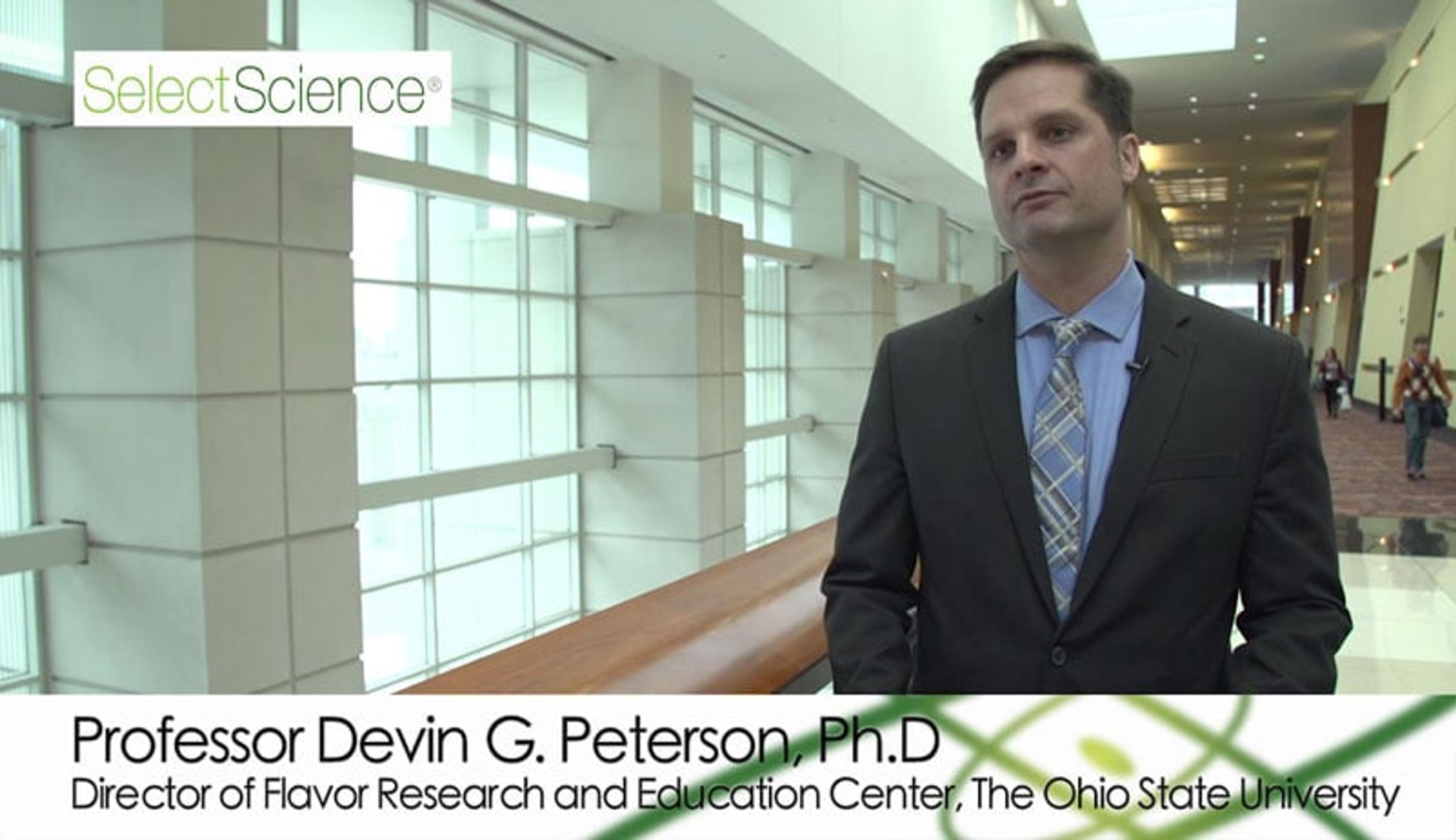
This video explains a Ohio University project looking at whole-wheat products and how the Waters SYNAPT System is enabling him to define molecules associated with bitterness and, subsequently, provide ideas for how to make nutritious whole-wheat products more palatable.
State-of-the-Art Mass Spectrometry Facility Advances Injury Biomarker Detection
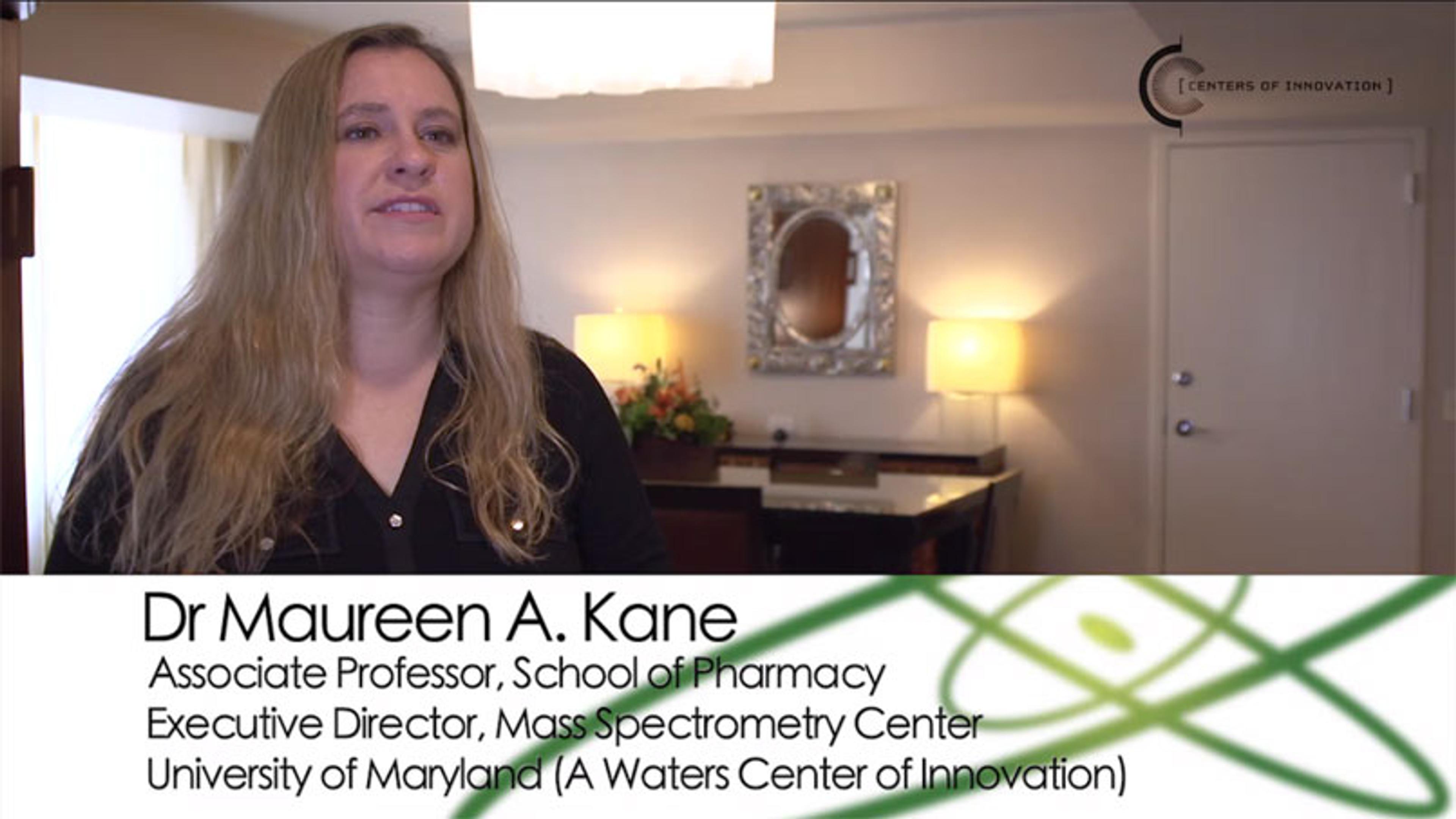
Find out how scientists at the Mass Spectrometry Center, University of Maryland (A Waters Center of Innovation), are using state-of-the-art facilities for drug discovery and development worldwide. Hear how the methods developed in the laboratory using instruments including the Waters’ SYNAPT G2-S mass spectrometer and MSE technology are helping to identify injury-related biomarkers that can be used in the development of therapeutics.
How Ion How Ion Mobility Mass Spectrometry Enables Untargeted Omics Analysis at Vanderbilt University
Advances in ion mobility mass spectrometry technology is bringing large scale molecular analysis to chemistry, biology, and many areas of medicine. Learn more about research into the development of humans-on-chips, improving drug discovery and screening, and laying the foundations for wider use of precision medicine.
Ion Mobility Mass Spectrometry for Food & Environmental Analysis
Learn about the unique advantages of Ion mobility mass spectrometry (IM-MS) for screening and profiling complex samples. IM-MS provides a new dimension of separation within an LC timeframe to differentiate compounds based on size, shape, and charge.
Unparalleled Sensitivity and Precision in the Screening of Leached Compounds from Food Packaging
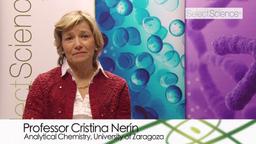
Watch this video to learn how the Xevo G2-XS from Waters is essential in the highly sensitive screening of compounds leached from food packaging. Cristina Nerin, Professor of Analytical Chemistry at the University of Zaragoza, Spain, describes how she uses UPLC and the Xevo G2-XS to separate then detect unknown compounds at levels as low as 1ppb.
Analysis of Co-Eluting Natural Sweeteners using Ion Mobility Mass Spectrometry
Learn how Severine Goscinny, of the Federal Scientific Institute for Public Health (Belgium), uses ion mobility-mass spectrometry from Waters to detect and quantify a new type of natural sweetener. Steviol glycosides are difficult to separate as their fragments often co-elute and have identical masses. However, the innovative Vion Q-TOF from Waters makes such fast and accurate separation easy.
Unlocking the Potential of Heavier Crude Oils Using Waters Mass Spec Technology
Hear how Waters technology is being used to analyze the heaviest of crude oils. Ion mobility provides data and analytics that no other technique can, due to the high boiling points of the crude oil fractions, so the Synapt G2-Si is ideal.
Analyzing Viruses using Hydrogen Deuterium Exchange Mass Spectrometry
Watch this video to discover more about how the Waters SYNAPT series has made dynamic virus analysis under a range of temperatures possible. Dr Ganesh Anand, of the National University of Singapore, and a Waters Center of Innovation Program honoree, describes how he uses hydrogen deuterium exchange mass spectrometry to structurally analyze biological molecules.
Identification and Characterization of Proteins and Small Molecules in Biological Systems using Mass Spectrometry
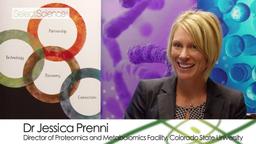
Watch this video to discover how the TOF mass spectrometers from Waters have led to advances in proteomics and metabolomics at Colorado State University. Their robustness and speed allows for non-targeting metabolite identification which has transformed agricultural breeding approaches.
Organs-on-a-Chip: Bridging *in-vitro* Studies to Clinical Trials on a Synthetic Platform
Discover how the Waters Centre of Innovation at Vanderbilt University is improving the drug discovery process by reducing the need for animal testing, using organs-on-chips. Find out how this innovative laboratory is using the Waters SYNAPT G2-Si Mass Spectrometer to collect crucial data quickly and precisely.
Waters Announces New Reference Library for Metabolite Profiling
With more than 900 Collision Cross Section Values, Metabolic Profiling CCS Library
Waters Corporation to Exhibit at AACR 2016
Cellular Pathology Community Round-Up
Latest SelectScience® news and downloads related to cellular pathology

Waters Introduces State-of-the-Art High Definition Imaging Software at Pittcon
Powerful software allows for full integration of multimodal mass spectrometric imaging experiments in a single user interface
8 Recent Advances in Bio Imaging and Microscopy
Discover the latest products and methods for the imaging of biological samples
How Non-Targeted MS Metabolite Profiling can Improve the Taste of Your Beer
Studying proteomics and metabolomics with TOF mass spectrometers from Waters