Supermini 200 Benchtop WDXRF Spectrometer
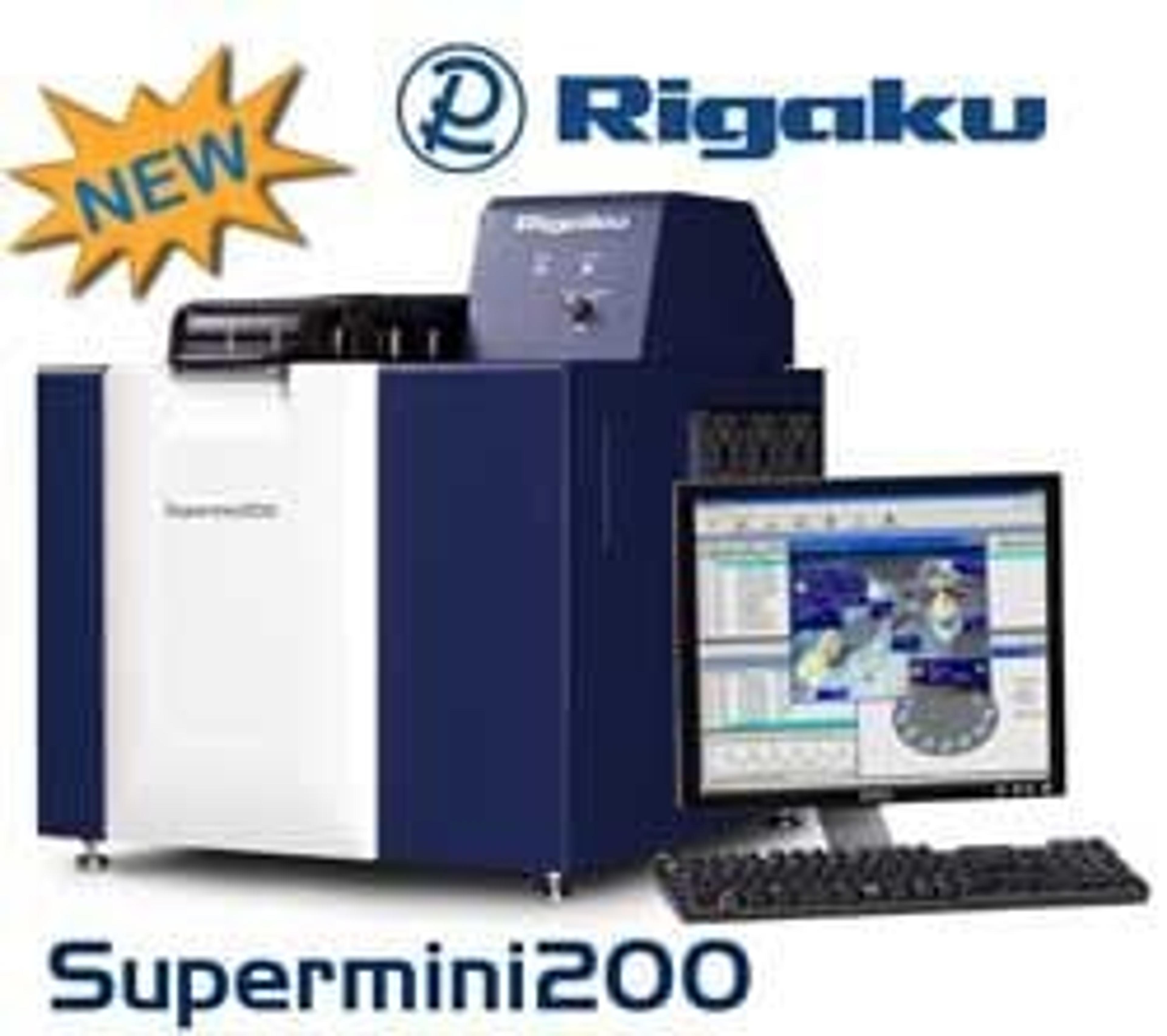
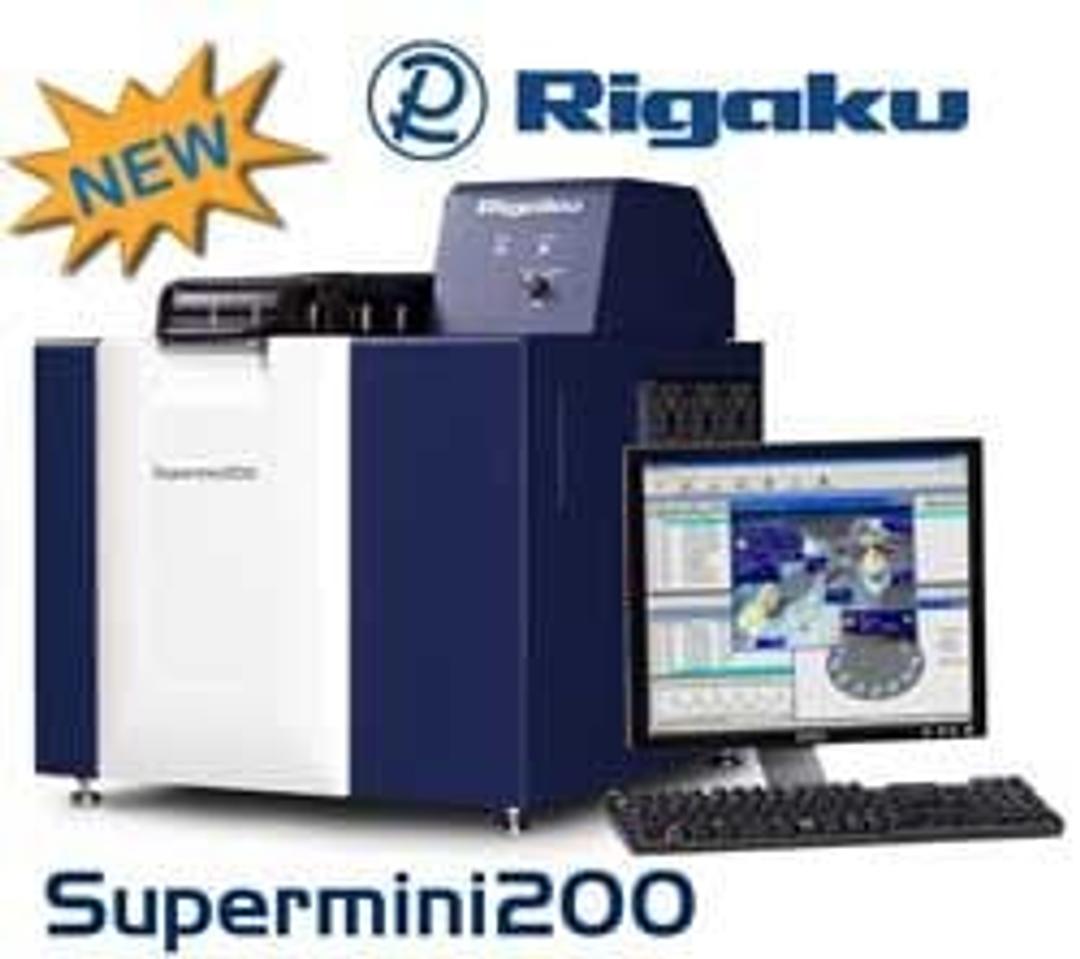
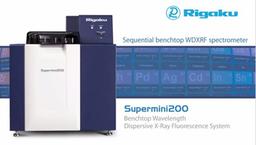
The new Supermini200 has improved software capabilities as well as a better footprint. As the world's only high-power benchtop sequential wavelength dispersive X-ray fluorescence (WDXRF) spectrometer for elemental analysis of oxygen (O) through uranium (U) of almost any material, the Rigaku Supermini200 uniquely delivers low cost-of-ownership (COA) with high resolution and lower limits-of-detection (LLD). Not only is the Riga…


The supplier does not provide quotations for this product through SelectScience. You can search for similar products in our Product Directory.
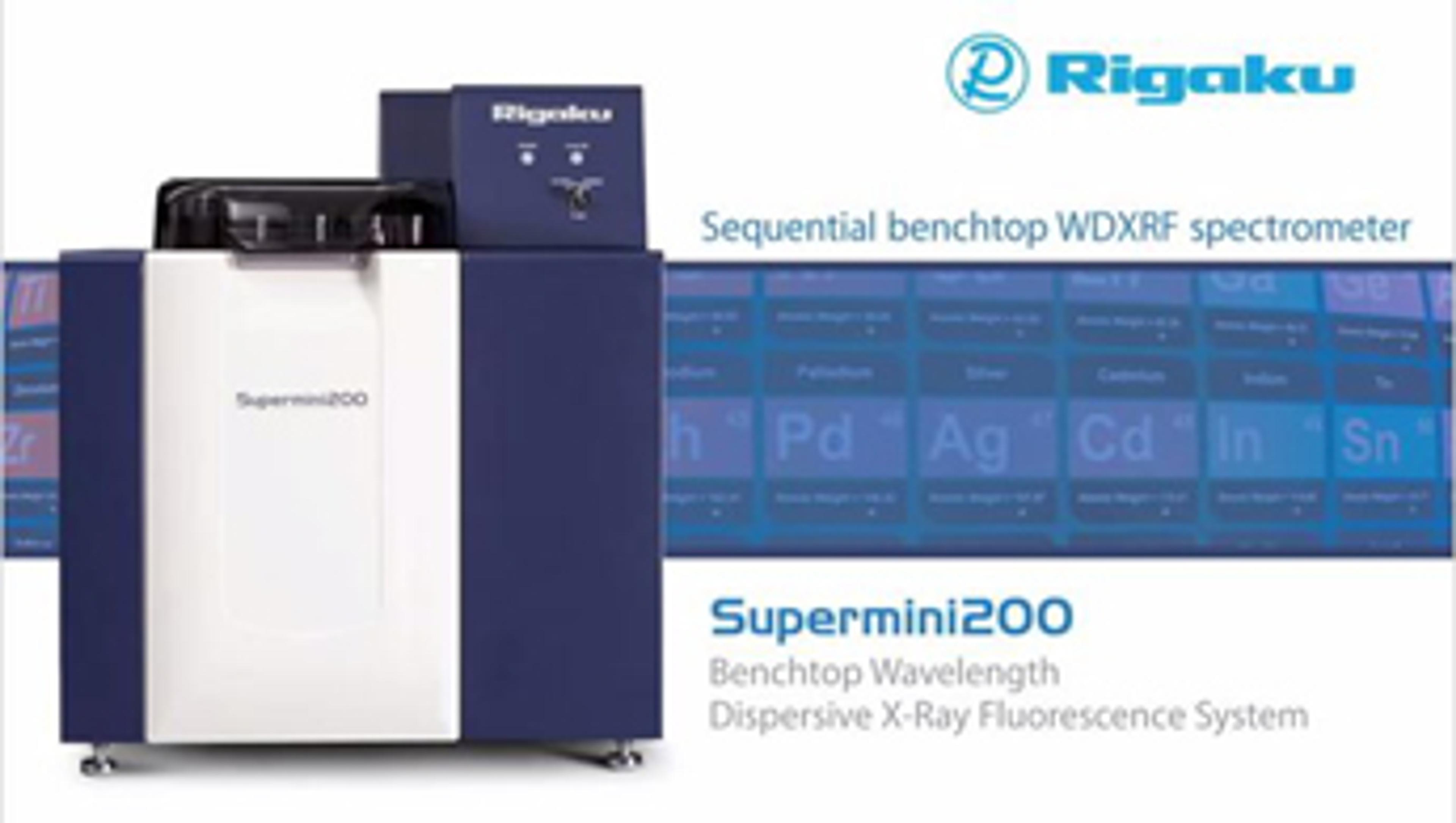
The new Supermini200 has improved software capabilities as well as a better footprint. As the world's only high-power benchtop sequential wavelength dispersive X-ray fluorescence (WDXRF) spectrometer for elemental analysis of oxygen (O) through uranium (U) of almost any material, the Rigaku Supermini200 uniquely delivers low cost-of-ownership (COA) with high resolution and lower limits-of-detection (LLD).
Not only is the Rigaku Supermini200 an affordable choice for your XRF elemental analysis needs, the running costs are also low. P10 gas for the flow proportional detector is the only consumable. The Supermini200 does not require a source of cooling water, plumbing, or an external chiller, thereby decreasing system maintenance and lowering the overall lifetime cost of ownership of the system and yearly budgets for consumables and maintenance.
Supermini is the only high powered (200 W) X-ray tube benchtop WDXRF system, providing excellent excitation resulting in lower detection limits and shorter measurement times. A unique and proprietary optical system is also employed to enhance sensitivity beyond the gains of the tube power.
Supermini 200 Benchtop WDXRF Spectrometer Features:
- Analyze oxygen through uranium (O → U)
- Analyze: solids, liquids, powders, alloys and thin films
- Atmosphere: air, helium or vacuum
- X-ray tube: 50 kV, 200 W Pd-anode
- Primary beam filter: Zr is standard; Al optional
- Detectors: F-PC and scintillation
- Crystals: 3-position changer
- Autosampler: 12-position standard
- Vacuum: rotary pump standard
- Power: 100 – 120V (50/60 Hz) 15A or 200 – 240V (50/60 Hz) 10A

Quantitative Analysis of Low Alloy Steel Using the Supermini200
This application note from Rigaku Corporation is related to a news article on SelectScience which can be found here. In the application note it is discussed how x-ray fluorescence spectrometers are used to analyze steel to measure bulk metal and powders. In this example the Supermini200 from Rigaku Corporation is used.

Quantitative Analysis of Soda-lime Glass with Supermini200
Glass is very common material used in various situations with long historical roots. Soda-lime glass is considered to be the first human made glass, and is still being used in many forms such as light bulbs for lamps, LCD monitors and mirrors. Although the basic component of glass is SiO2, elements such as Na2O and CaO are added to change the characteristics of the glass depending on the intended use. Addition of different elements in certain quantities can change the physical and chemical properties such as melting point, moisture resistance and thermal expansion. Some trace elements can color glass. X-ray fluorescence (XRF) analysis quickly and easily offers precise elemental analysis results allowing control of glass composition in the production process. This application note describes the analysis of soda-lime glass using the Supermini200.
Quantitative Analysis of Dolomite and Limestone by Pressed Powder Method with Supermini200
Both dolomite and limestone are important mineral resources used in various industries such as cement, electronics, iron manufacturing, glass, paper and pulp, agriculture with each industry having a particular interest in contents and components of materials. X-ray fluorescence (XRF) analysis quickly and easily offers precise elemental analysis results allowing control of the components in the product during the manufacturing process. This application note demonstrates the excellent performance of Supermini200 for the analysis of dolomite and limestone.
Cement Analysis by the Fusion Method on the Benchtop WDXFR Supermini 200 According to ASTM C114-11
This application note demonstrates quantitative analysis for Portland and aluminate cements by the fusion method according to ASTM C114-11 using the Rigaku Supermini 200, a Benchtop sequential wavelength dispersive XRF spectrometer.
Quantitative Analysis of Low Alloy Steel Using the Supermini200
As part of the control of the steel making process, analyses of slag and raw materials such as quicklime and ferroalloys are also required. X-ray fluorescence spectrometers are the most common analysis tools to analyze steel owing to rapid analysis and the ability to measure both bulk metal and powders. This application note describes low alloy steel analysis using the Supermini200 from Rigaku, which is optimized for process control. The results show that, high precision and accurate analysis of the elements in low alloy steel can rapidly be performed using the Benchtop WDX Supermini200.
Cement Analysis by the Pressed Powder Method on Benchtop WDXRF Supermini200 According to ASTM C114-11
Cement is one of the most important materials for construction. Many kinds of hydraulic cements, including Portland cement, with various physical properties are produced by changing the composition of clinker minerals. It is therefore important to control the chemical composition of cement products and interim products. This application note demonstrates quantitative analysis for Portland cement by the pressed powder method according to ASTM C114-11 on Rigaku Supermini200, a benchtop sequential wavelength dispersive X-ray fluorescence spectrometer.
Sulfur Analysis of Petroleum Products by Benchtop WDXRF According to ASTM D2622-10
Sulfur is a critical element in the petroleum refinery process and in its final products. Since sulfur in petroleum-based fuels contributes to atmospheric pollution, its concentration, especially in automobile fuels, must be strictly controlled. This application note demonstrates that sulfur in petroleum products can be routinely analyzed in both low and high sulfur concentration ranges with excellent accuracy, sensitivity and repeatability using a Benchtop WDXRF spectrometer with minimal site requirements. In particular, the Rigaku Supermini200 benchtop WDXRF system, which does not require external water for cooling an X-ray tube or special power supply, meets the specifications of ASTM D2622-10, which has become more stringent in the recent versions of ASTM D2622, which has become more stringent in the recent versions of ASTM D2622.
Quantitative Analysis of the Elemental Composition of Low Alloy Steel using WDXRF
Alloy steels with up to 4 or 8% of alloying elements added are called low alloy steels. Low alloy steels are made by adding various elements intended to improve a specific characteristic of steel such as hardenability. Because the concentrations of elements in molten steel are adjusted during the process of steel making, it is important that the elemental composition can be analyzed rapidly. This application note describes low alloy steel analysis using the Supermini200, which has been optimized for process control.
Cement Raw Meal Analysis by the Pressed Powder Method
This application note demonstrates the capabilities of a low-cost, benchtop WDXRF spectrometer for rapid quantitative elemental analysis of cement raw meal. This method provides high-throughput, precision and sensitivity, especially for essential light elements, such as Na, S and K. The Rigaku Supermini200 can be used to routinely analyze cement raw meal samples by the pressed powder method with excellent accuracy and precision.
Copper Concentrate Analysis by Pressed Powder Method
This application note describes the conventional calibration method of copper ore concentrate analysis and also standardless analysis using the fundamental parameter method. X-ray fluorescence spectrometry is the best method for the analytical requirements of routine analysis to monitor ore grade with high precision, accuracy and rapidity. The Supermini200 from Rigaku provides calibration accuracy with repeatability results that are precise enough to use for daily analysis.
Rigaku SmartLab Testimonial from Triclinic Labs
Simon Bates from Triclinic Labs talks about his experience with Rigaku products, such as the Supermini200, in a contract research lab.
Rigaku Supermini200: Elemental Analysis by X-ray Florescence
Watch this video to learn about the Rigaku Supermini200 WDXRF benchtop spectrometer. Discover features including improved software capabilities, exceptional sensitivity and economical design.
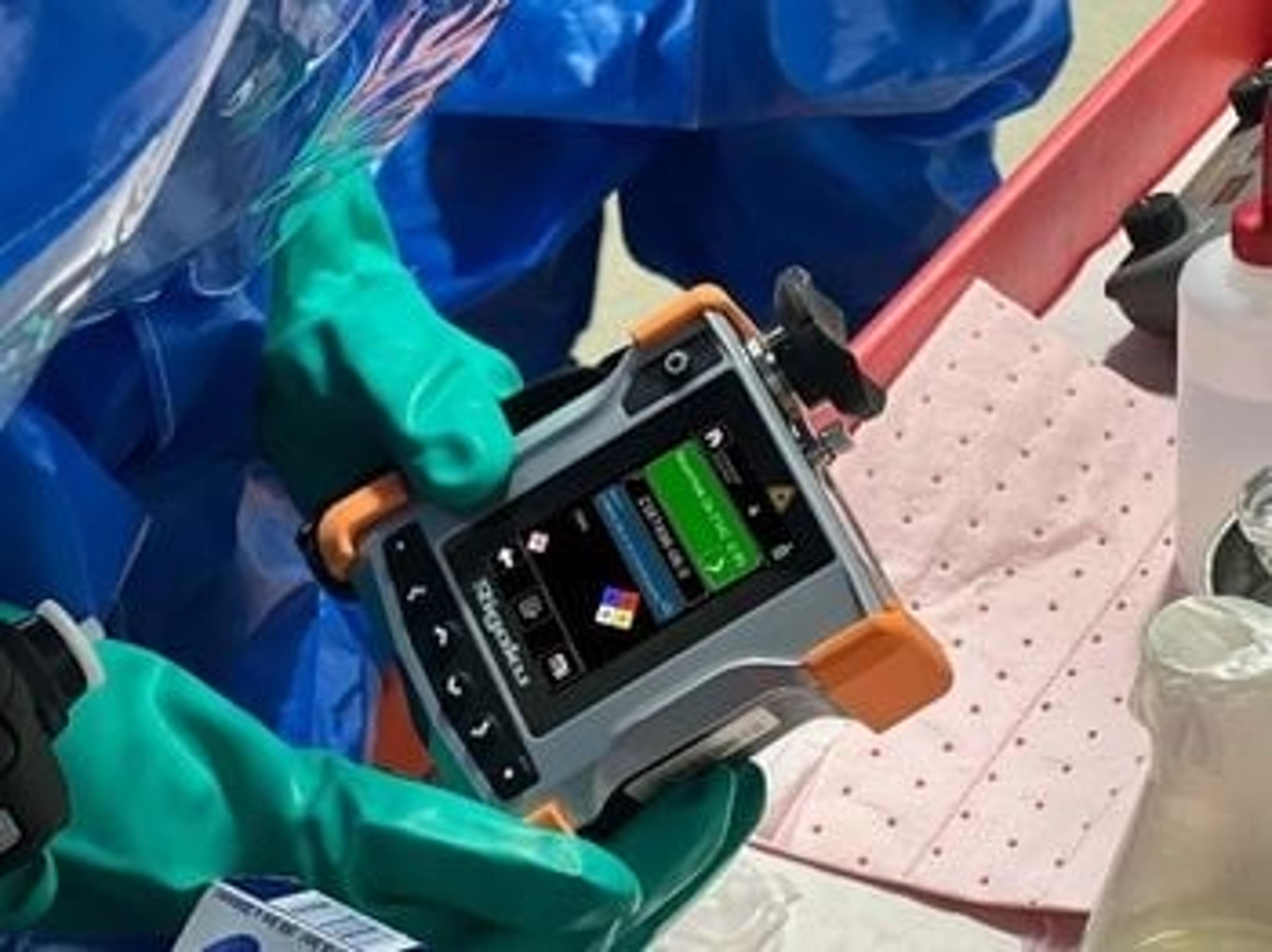
Rigaku presents latest analytical instruments at Pittcon 2020
Rigaku is exhibiting its X-ray and handheld analytical instrumentation at booth #4725
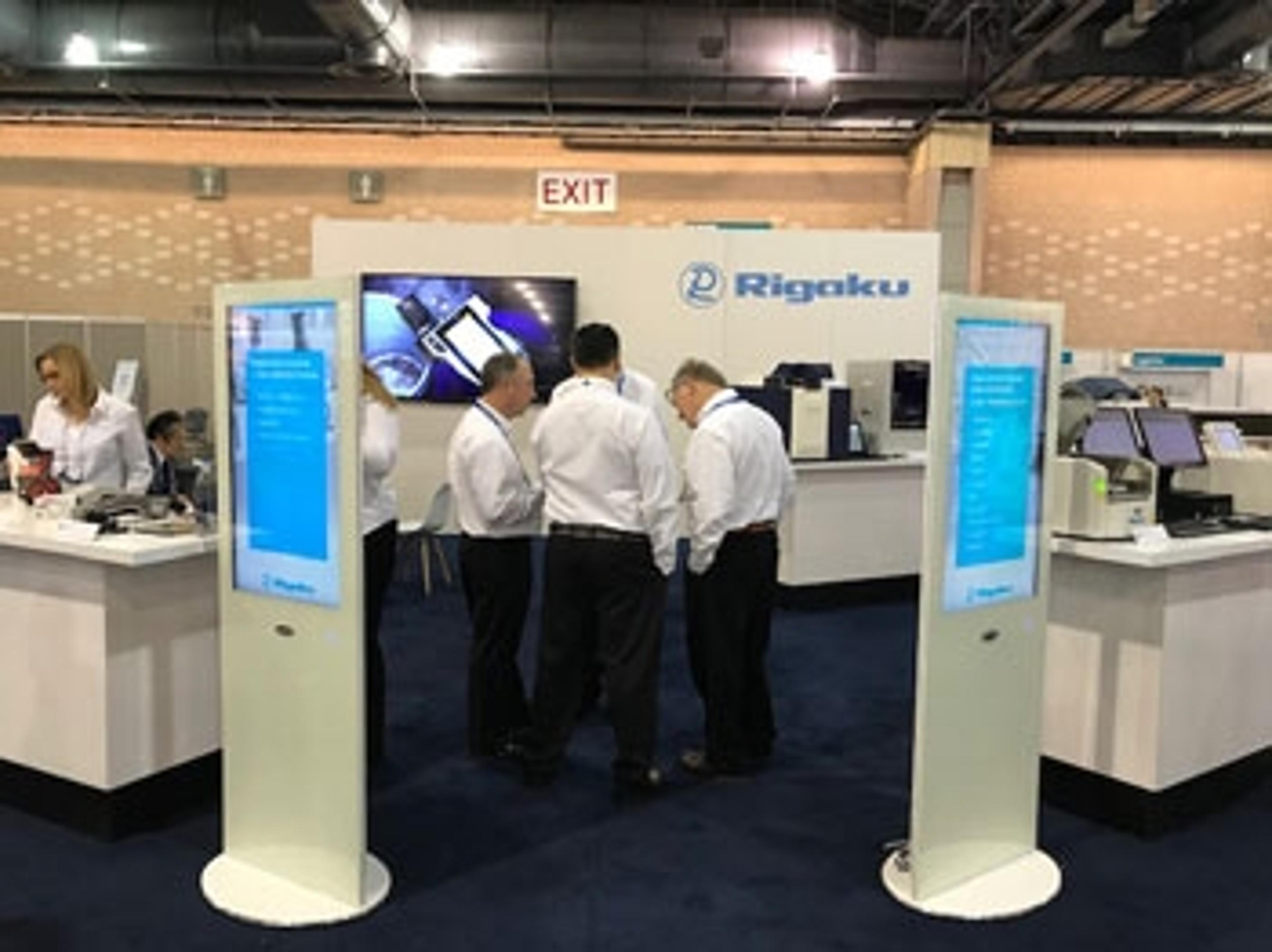
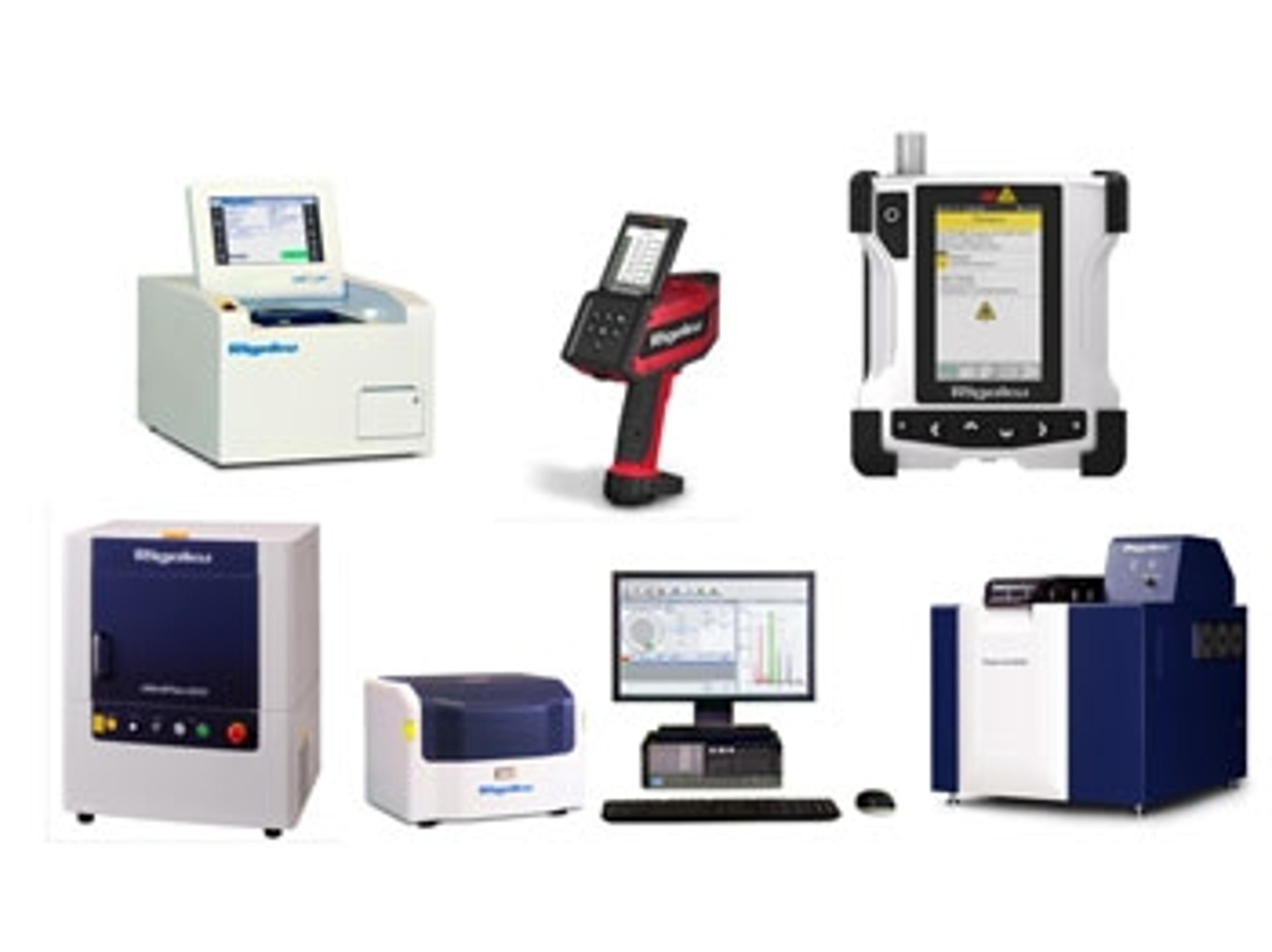
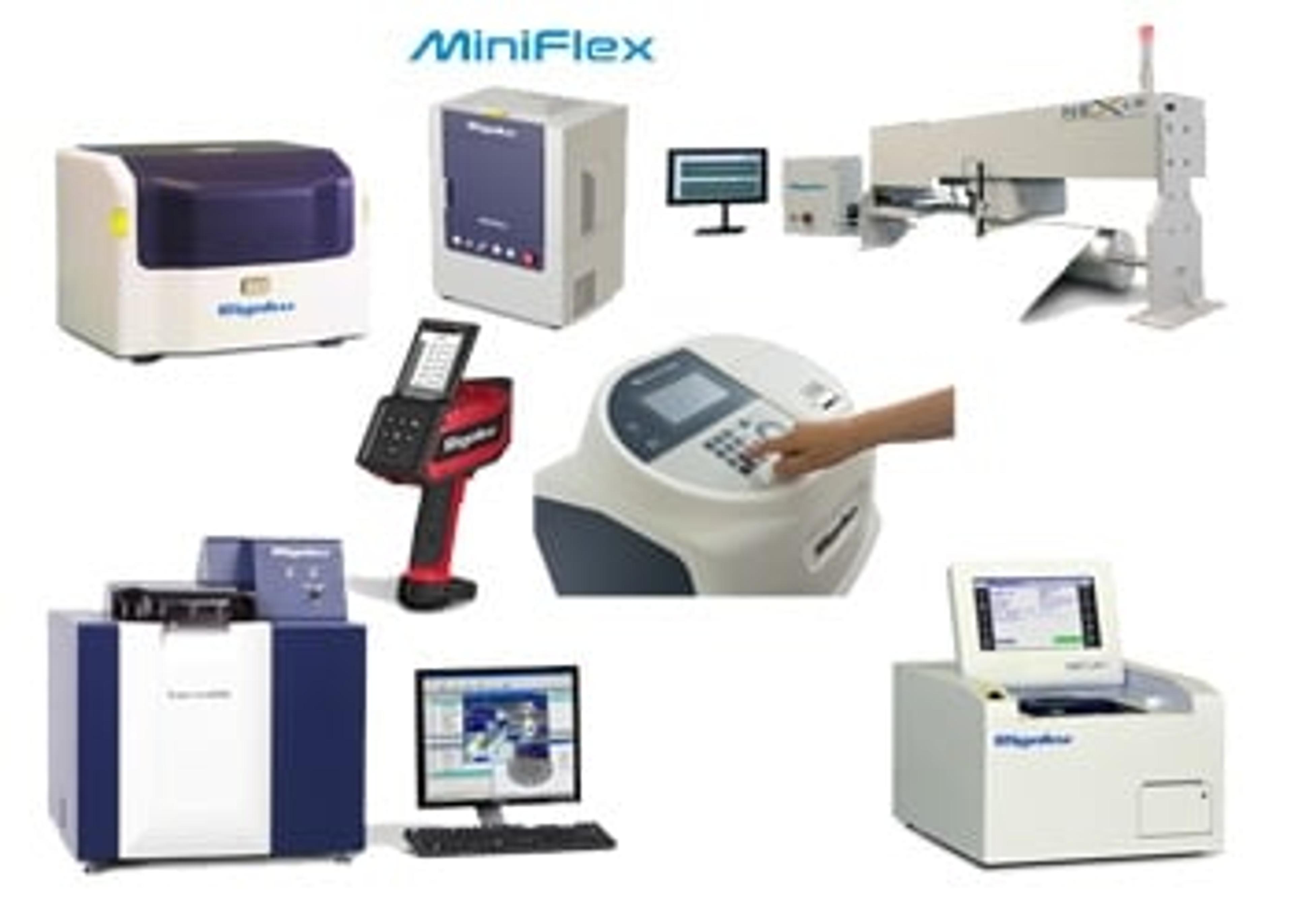
Rigaku Features Latest Analytical Instruments at Pittcon Conference and Expo
Rigaku exhibits its X-ray analytical instrumentation at booth numbers 2000-2002

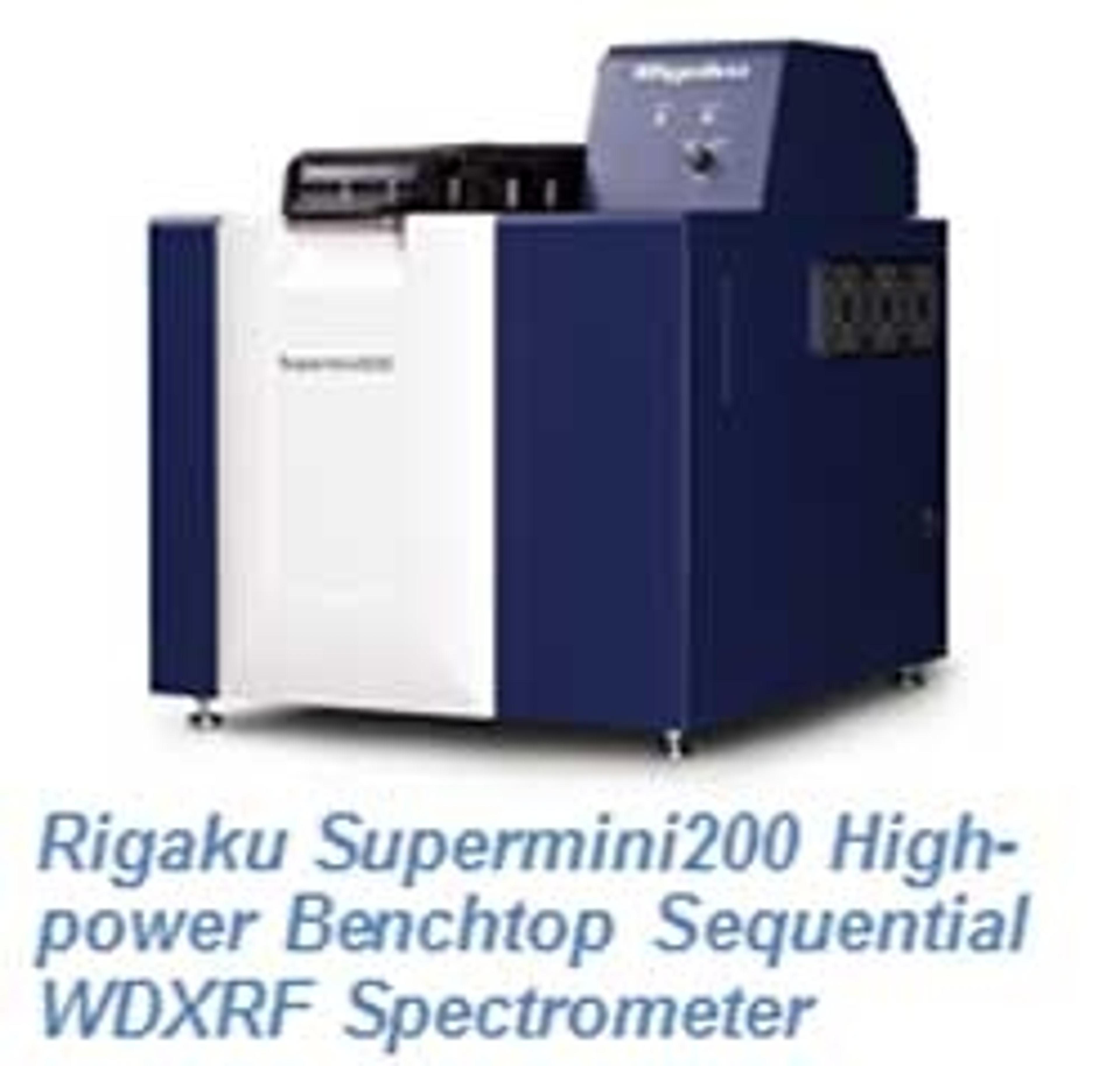
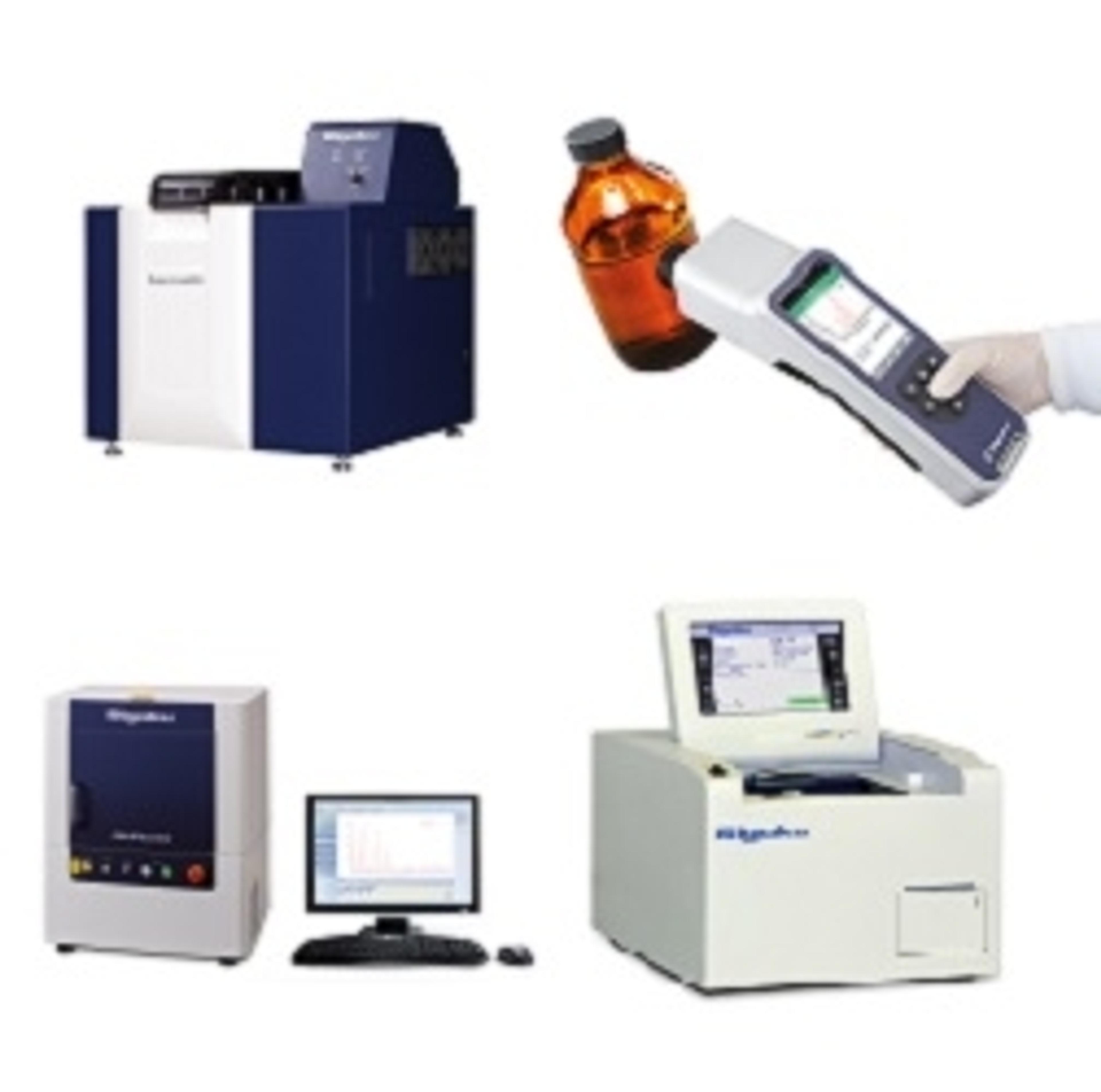
Rigaku Presents X-Ray Analytical Instrumentation Portfolio at Pittcon 2017
Visit Rigaku at Booth # 3512

Rigaku Publishes New Method for Quantitative Elemental Analysis of Low-Alloy Steel on a Benchtop WDXRF Spectrometer
Rigaku Publishes New Method for Quantitative Elemental Analysis of Low-Alloy Steel on a Benchtop WDXRF Spectrometer