MMI CellCut
Clear-cut laser microdissection to isolate cells in tissue
MMI CellCut - Clear-cut Laser Microdissection
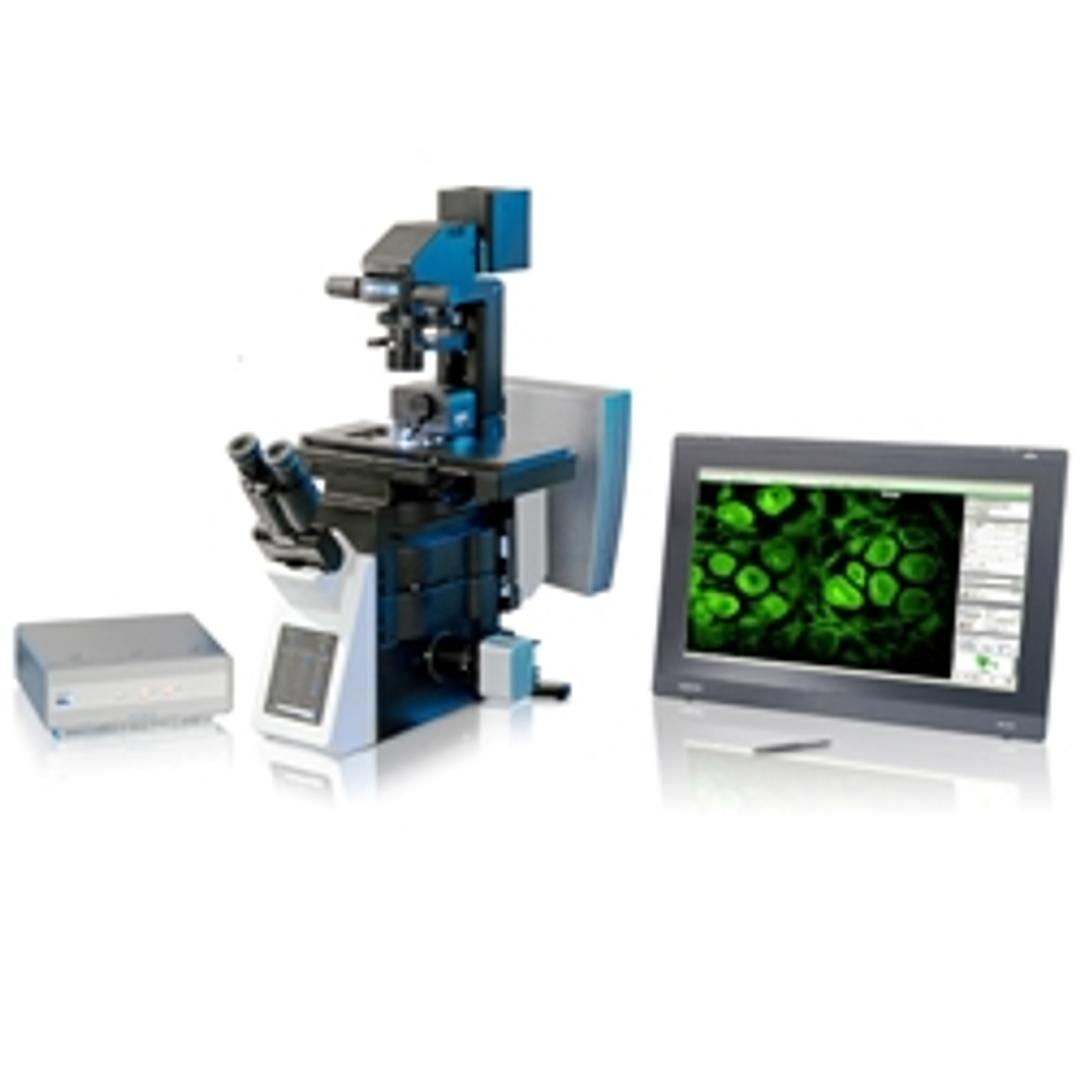
MMI CellCut - Clear-cut Laser Microdissection
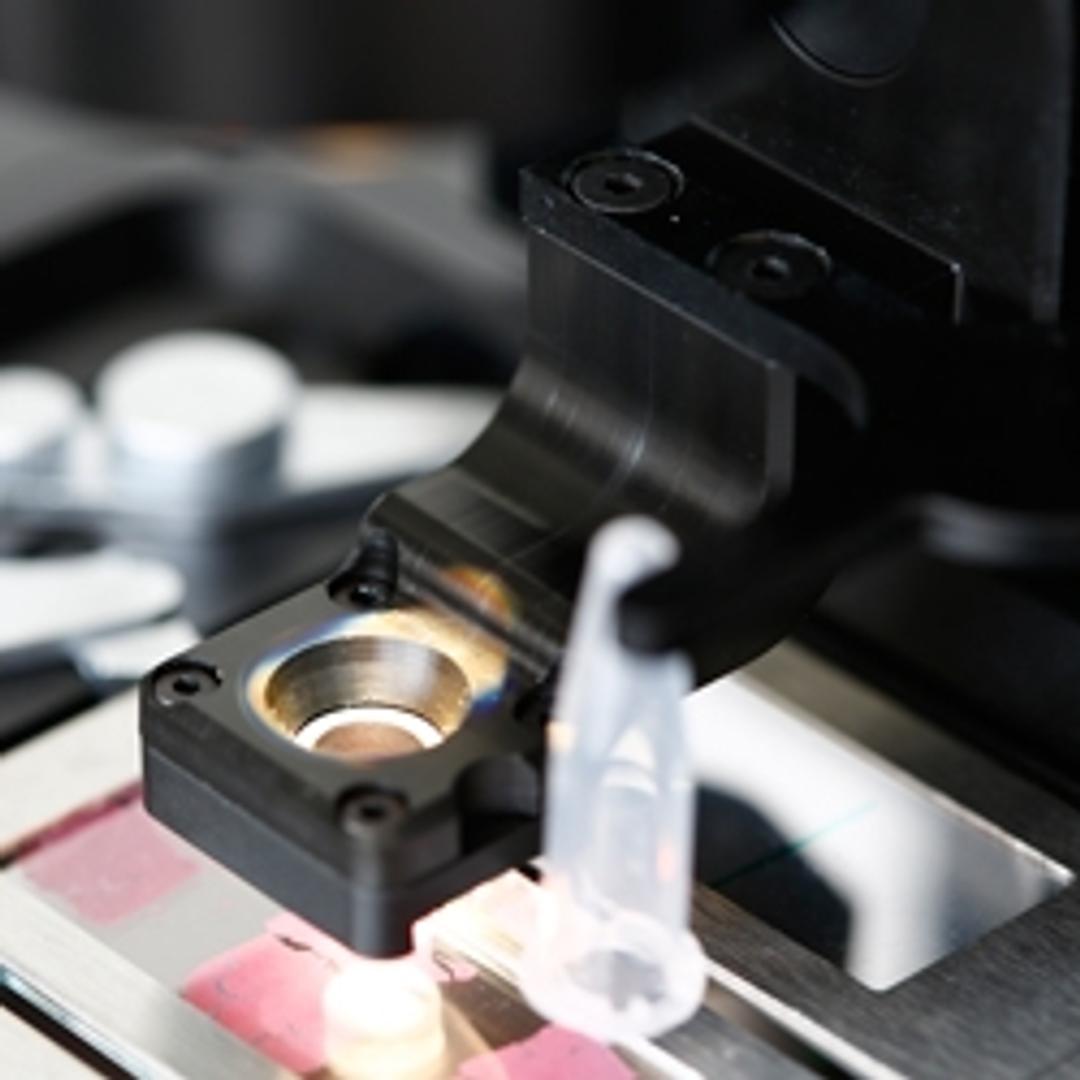
Excising tissue with Laser Microdissection







The supplier does not provide quotations for this product through SelectScience. You can search for similar products in our Product Directory.
Need to update some part of the equipment.
Single cell isolation
The CellCut is fine, but single cell pick up is an issue.
Review Date: 11 Apr 2019 | MMI Molecular Machines & Industries
Good results.
Cell sampling
This equipment is really great for cell sampling, handling in academia as well as in a clinical setting.
Review Date: 15 Feb 2018 | MMI Molecular Machines & Industries
interesting but not always reliable results
DNA extraction after immunohistochemistry
MMI membrane slide and the laser micro-dissector instrument are easy to use but the results were not reproducible.
Review Date: 8 Feb 2018 | MMI Molecular Machines & Industries
The instrument satisfies our molecular workflows
Analyse RNA and DNA in tissue samples/cancer research
Product is essential for the isolation of defined cell populations on cancer needle and resection biopsies for reliable molecular analysis of RNA and DNA. CellScan adds value for money. A user friendly focusing procedure and flexibility of dissected target collection, despite of the target size.
Review Date: 8 Feb 2018 | MMI Molecular Machines & Industries
It's a good instrument!
Analysis of formalin fixed lung tissues
The instrument gives highly reproducible results upon downstream protein/nucleic acids extraction.
Review Date: 8 Feb 2018 | MMI Molecular Machines & Industries
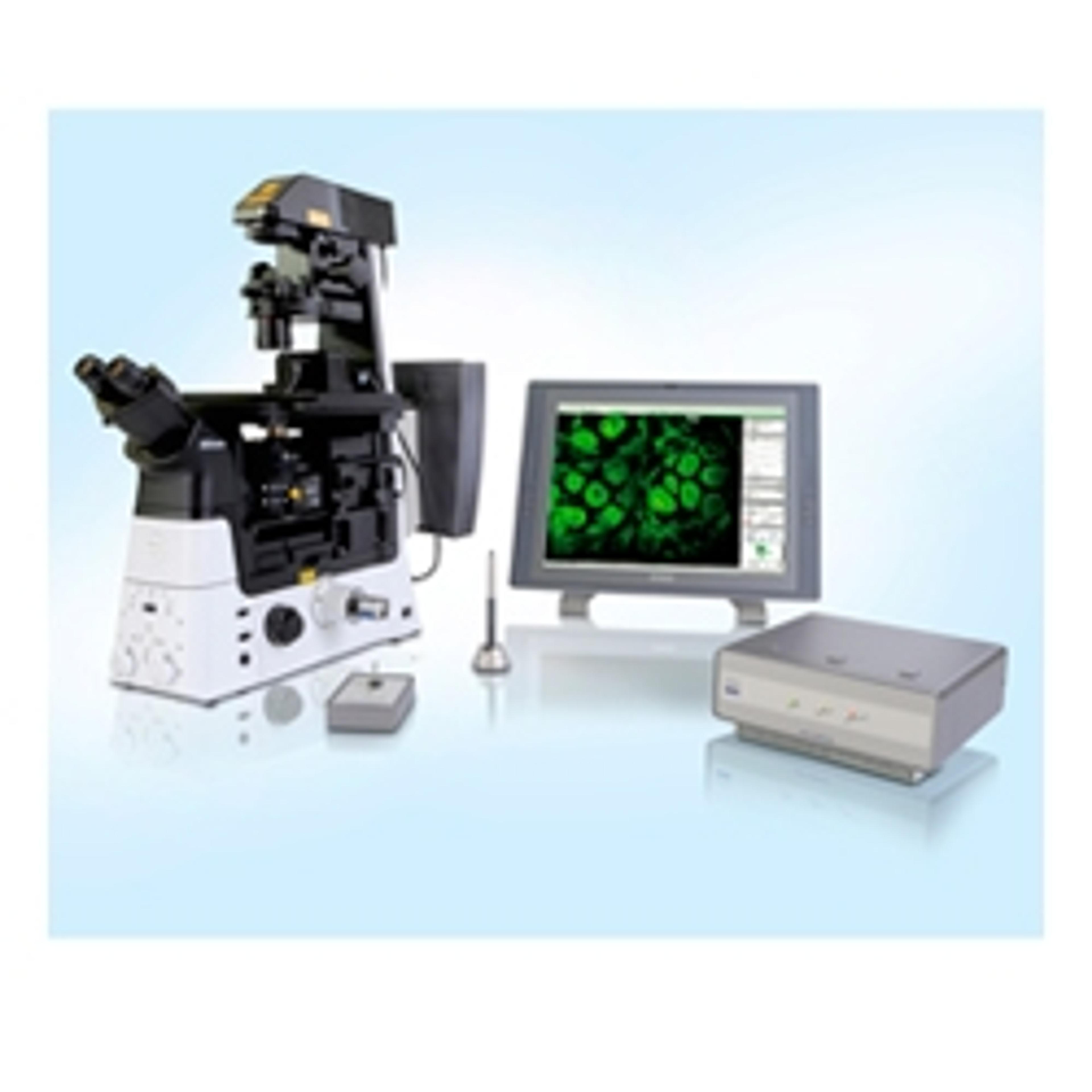
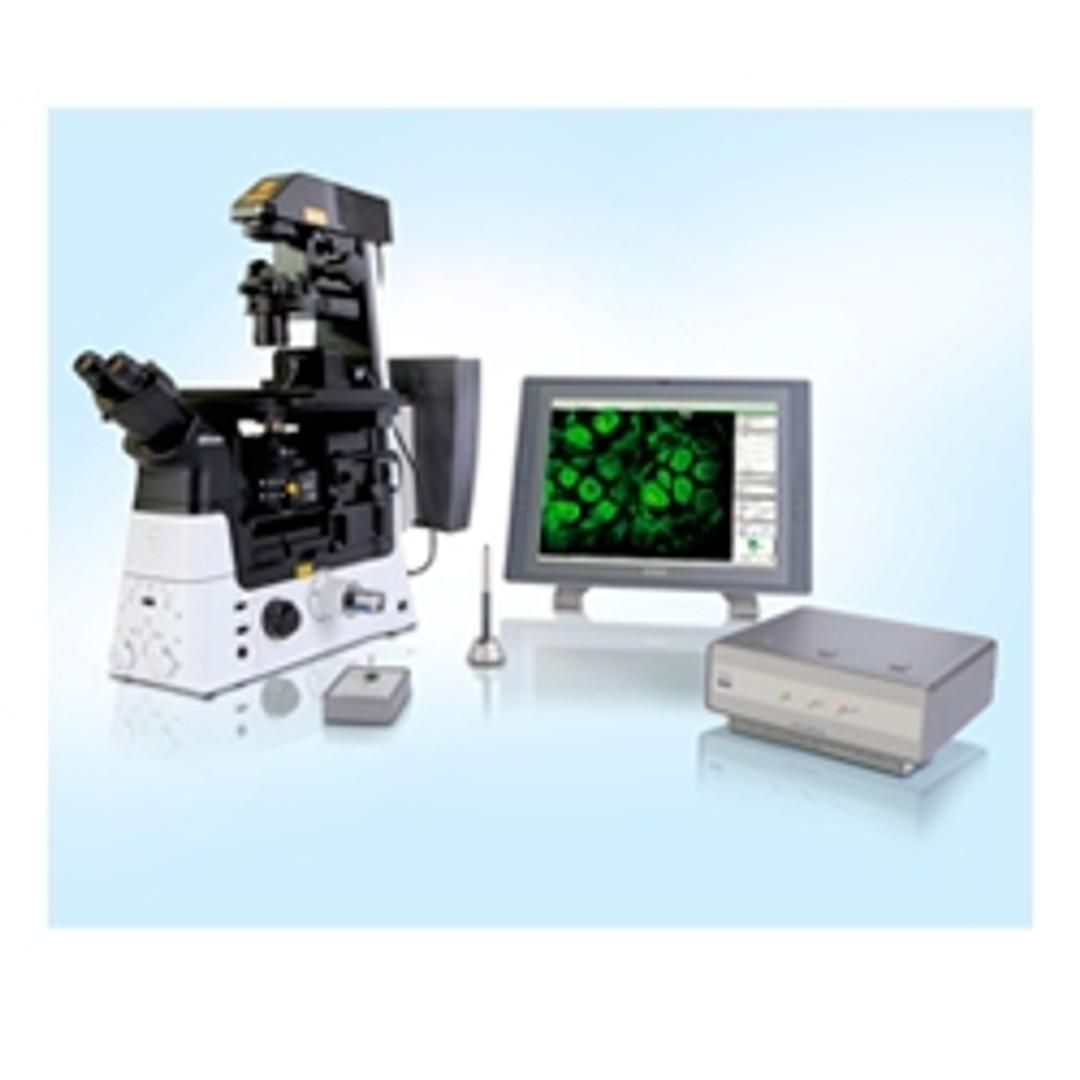
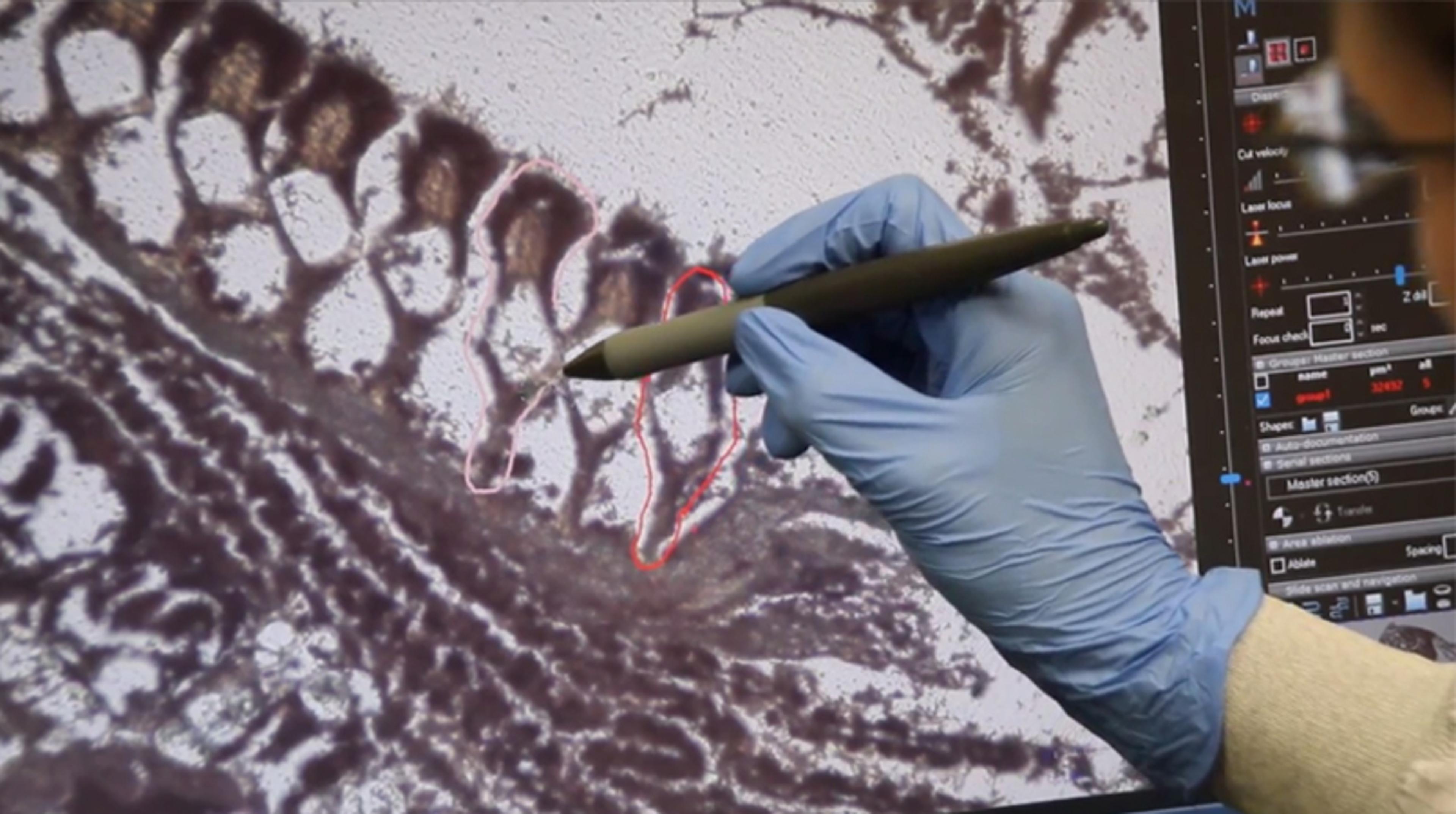
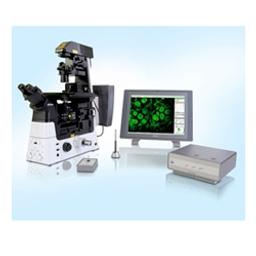
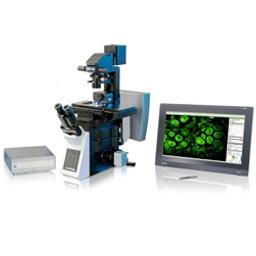
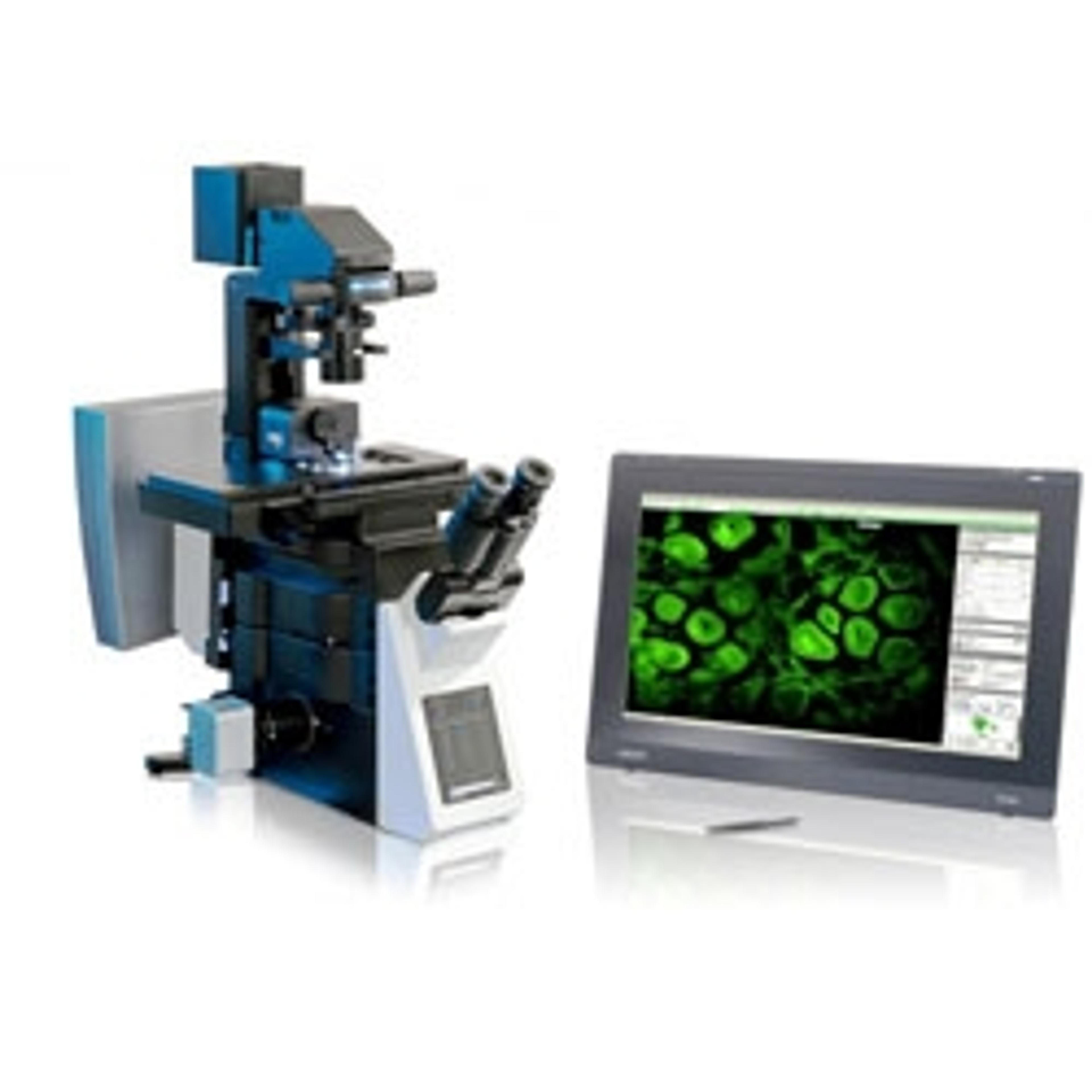
The MMI CellCut facilitates precise and contamination-free dissection of cell clusters, single cells or sub-cellular compartments from various types of tissues including fresh frozen, paraffin embedded and archived slides, cytospins, smears and even living cells.
Laser Microdissection is a well-established technology to cut cells from tissue when the separate analysis of specific subsets of your sample is crucial to obtain relevant and significant data.
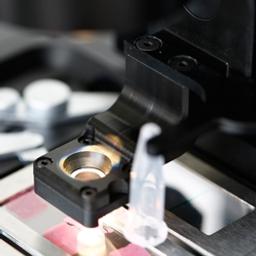
The MMI CellCut uses a precisely focused UV-Laser for clear-cut results. To obtain a homogeneous cell population for meaningful downstream analysis, the unique MMI CapLift technology provides gentle, contamination-free and highly efficient sample collection method including full visual inspection at any step during and after isolation. The MMI CellCut workflow is fully compatible with most downstream analyses enabling highly reliable analysis and diagnosis.
Features and Benefits:
- Precise cutting of various tissue types and even living cells using patented technology
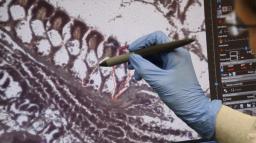
- Flexible and quick sample selection, inspection and precise positioning of cut cells by unique and fully auditable Predefined Target Positioning (PTP) feature
- Contamination-free and gentle sample capture with 8 different types of MMI collection tubes and MMI MultiCap strips
- Fully compatible with downstream analysis employing unstained samples and low damage laser
Applications
The MMI CellCut can be applied in various different research projects:
- when the separate analysis of specific subsets of your sample is crucial to obtain relevant and significant data
- when the precise and contamination-free isolation of cells from tissue is required
Typical applications include:
- Cancer Research
- Oncology
- Molecular Pathology
- Cell Biology
- Botany and Plant Research
- Forensic Analysis

Selective isolation of living cells for re-cultivation
In this study, MMI demonstrates how to easily apply the MMI CellCut system to isolate individual living cells directly into culture dishes for subsequent re-cultivation to obtain a highly homogenous cell population.
Molecular profiling of novel biomarkers for breast cancer
In this application note, Molecular Machines & Industries (MMI) present a novel, quick multiplex method to classify breast cancer into different molecular subtypes.
Selective isolation of living cells for omics analysis
The isolation of single cells is an essential pre-requisite for many research projects in pathology, oncology, and forensics. The MMI CellCut is designed to facilitate laser microdissection from tissue sections, such as fresh frozen or FFPE material. In this study, MMI demonstrates how to easily use the MMI CellCut system, in combination with special cell culture membrane slides, to isolate living cells directly into MMI Isolation Caps for subsequent omics analysis.

Stress disrupts reward in mice: insights into neurocircuits and molecular targets in psychiatry
Reduced sensitivity to reward is common in stress-related neuropsychiatric disorders, including symptoms such as anhedonia and apathy in depression and schizophrenia, for example. Animal models are essential to increase understanding of the underlying neurobiology.
In this webinar, Professor Christopher Pryce, Professor of Neurobiology and Biological Psychiatry at the University of Zurich, will explore the effects of chronic stress on reward behavior and associated activity in the glutamate neuron pathway from basal amygdala to nucleus accumbens (BA-NAc). Furthermore, he will discuss the importance of molecular tools, in particular laser capture microdissection for the identification and collection of BA-NAc neuron populations for RNA-sequencing.
Additionally, he will explain how further research, focused on specific subpopulations of BA-NAc neurons, may lead to identifying potential targets for novel treatments of reward-related pathologies in neuropsychiatric disorders.
Key learning objectives
- Learn about stress effects on reward behavior and BA-NAc neural pathway activity in mice
- Explore the process of replicating stress effects on reward by manipulating the activity of BA-NAc neurons
- Understand the importance of laser capture microdissection to study specific neuronal populations
- Learn about RNA-sequencing with LCM-collected neurons
Who should attend?
- Researchers interested in vivo-ex vivo questions in behavioural neurobiology
- Researchers interested in studying -omics in specific (brain) cell populations
Certificate of attendance
All webinar participants can request a certificate of attendance, including a learning outcomes summary, for continuing education purposes.
MMI CellCut
In this video, MMI Molecular Machines & Industries presents the MMI CellCut which utilizes clear-cut laser microdissection to isolate cells in tissue. The MMI CellCut facilitates precise and contamination-free dissection of cell clusters, single cells, or sub-cellular compartments from various types of tissues including fresh frozen, paraffin embedded and archived slides, cytospins, smears, and even living cells.
MMI CellCut - Cutting a single living cell
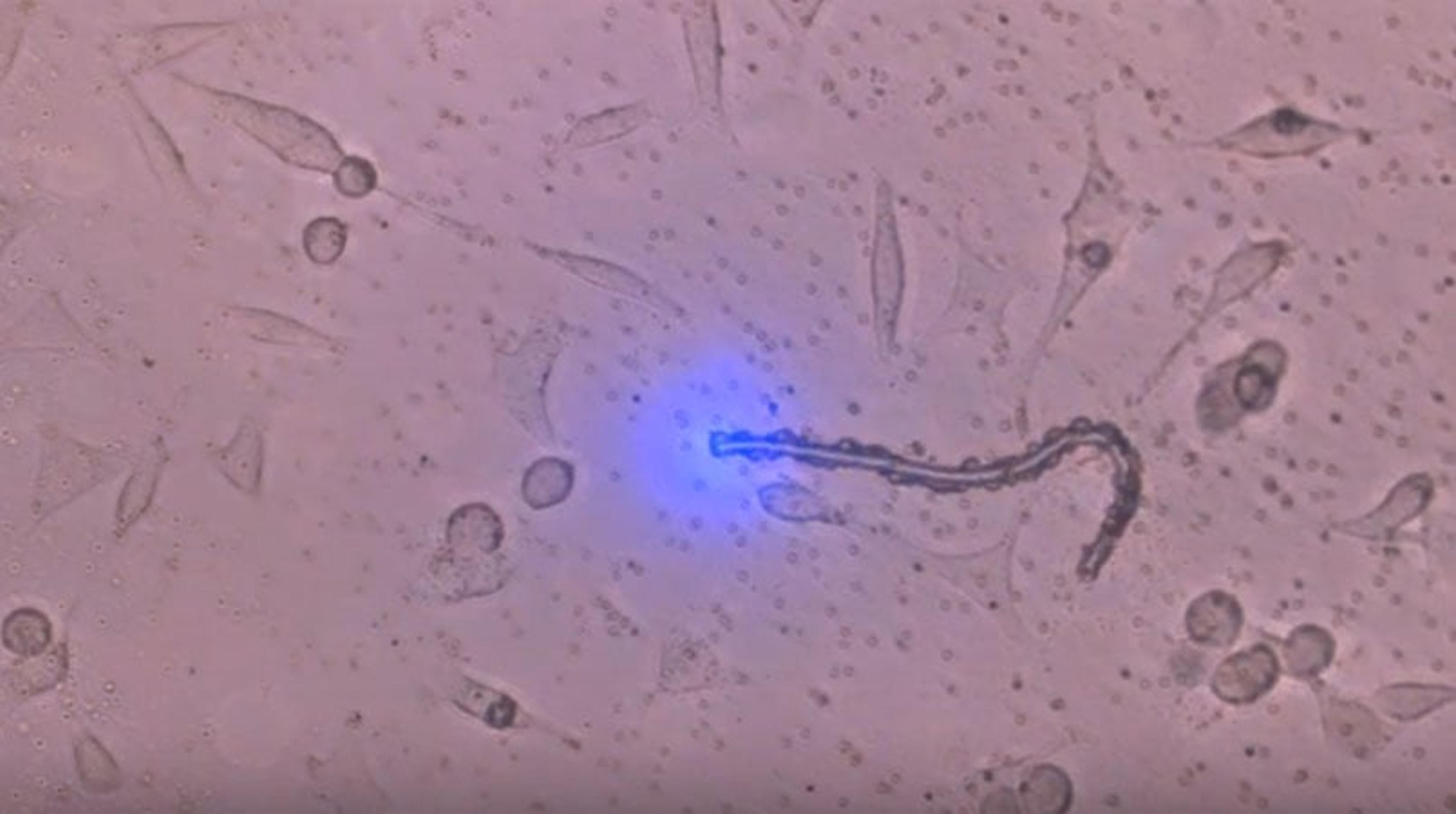
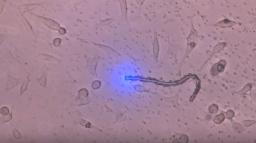
The MMI CellCut allows you to cut single cells without harming them. The cells (grown in special 18-well membrane slides) are still covered with medium during cutting and they can even be kept in a defined atmosphere thanks to Okolab incubation boxes that are fully compatible with MMI CellCut.
Cutting Living Cells with the MMI CellCut
Want to isolate a single living cell for subsequent molecular analysis, such as RNA seq? In this video, find out how the MMI CellCut allows you to cut single cells without harming them.
Laser Microdissection Employing the MMI CellCut
This comprehensive presentation guides you through the workflow of Laser Microdissection and demonstrates unique features of the MMI CellCut, such as live cell cutting applications, the serial section to cut unstained samples and many more.
MMI CellCut: Clear-cut Laser Microdissection
The MMI CellCut facilitates precise and contamination-free dissection of cell clusters, single cells or sub-cellular compartments from various types of tissues including fresh frozen, paraffin embedded and archived slides, cytospins, smears and even living cells. Laser Microdissection is a well-established technology to cut cells from tissue when the separate analysis of specific subsets of your sample is crucial to obtain relevant and significant data.

Latest advances in biomarker research: SelectScience special feature
The latest research and new method downloads: multiplex assays, ELISA, proteomics, genomics, imaging and more
The Average Human Has One Breast and One Testicle
A case for single cell isolation