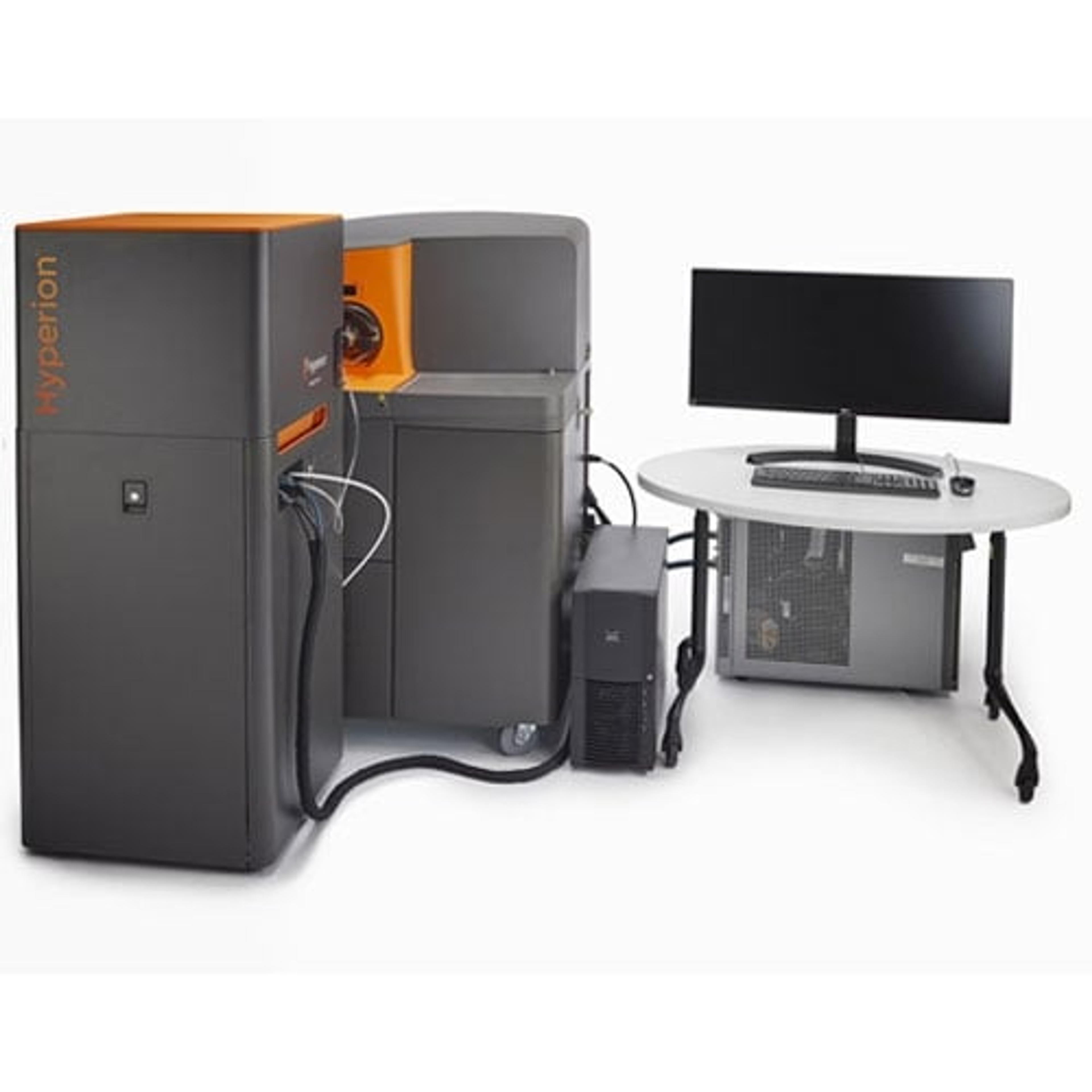
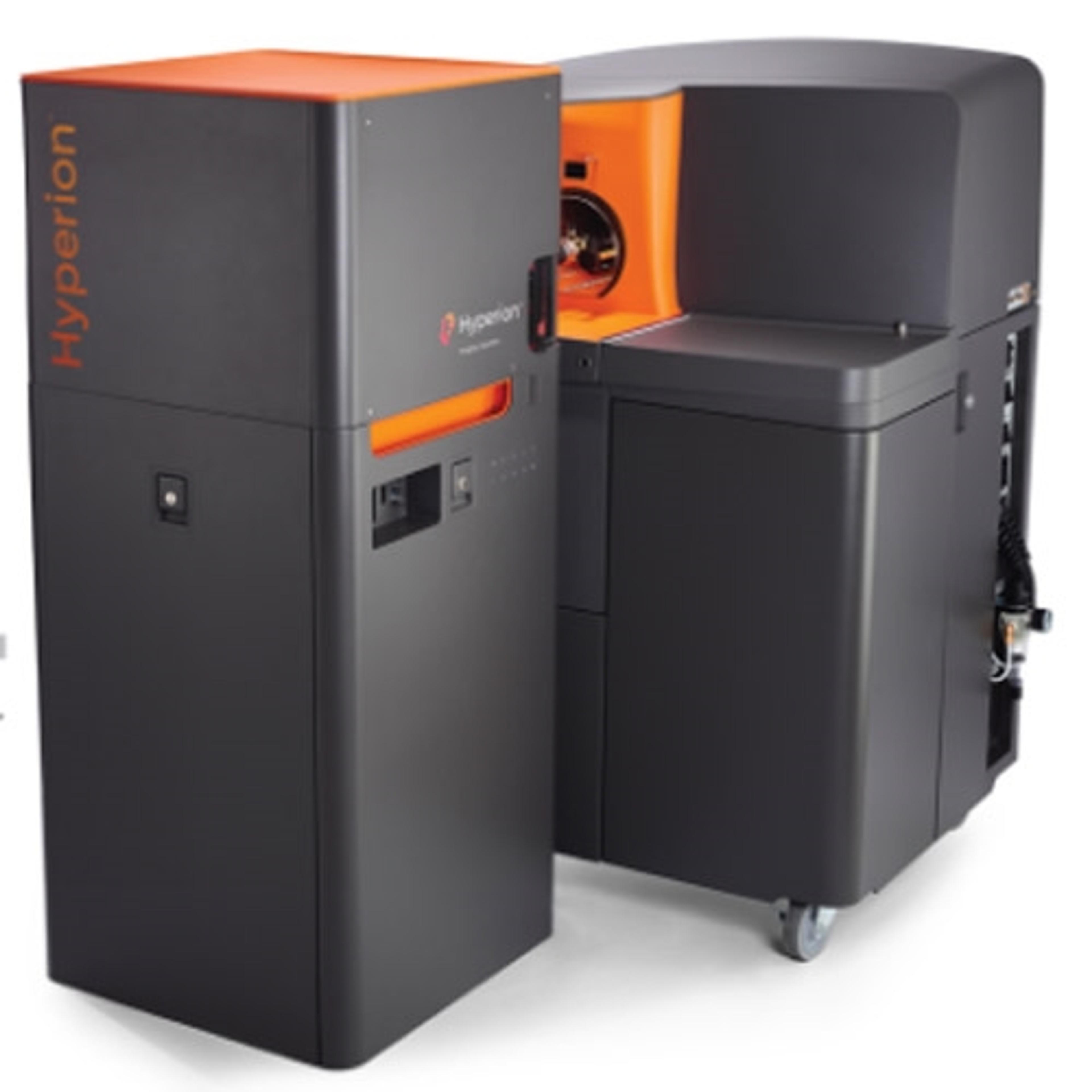
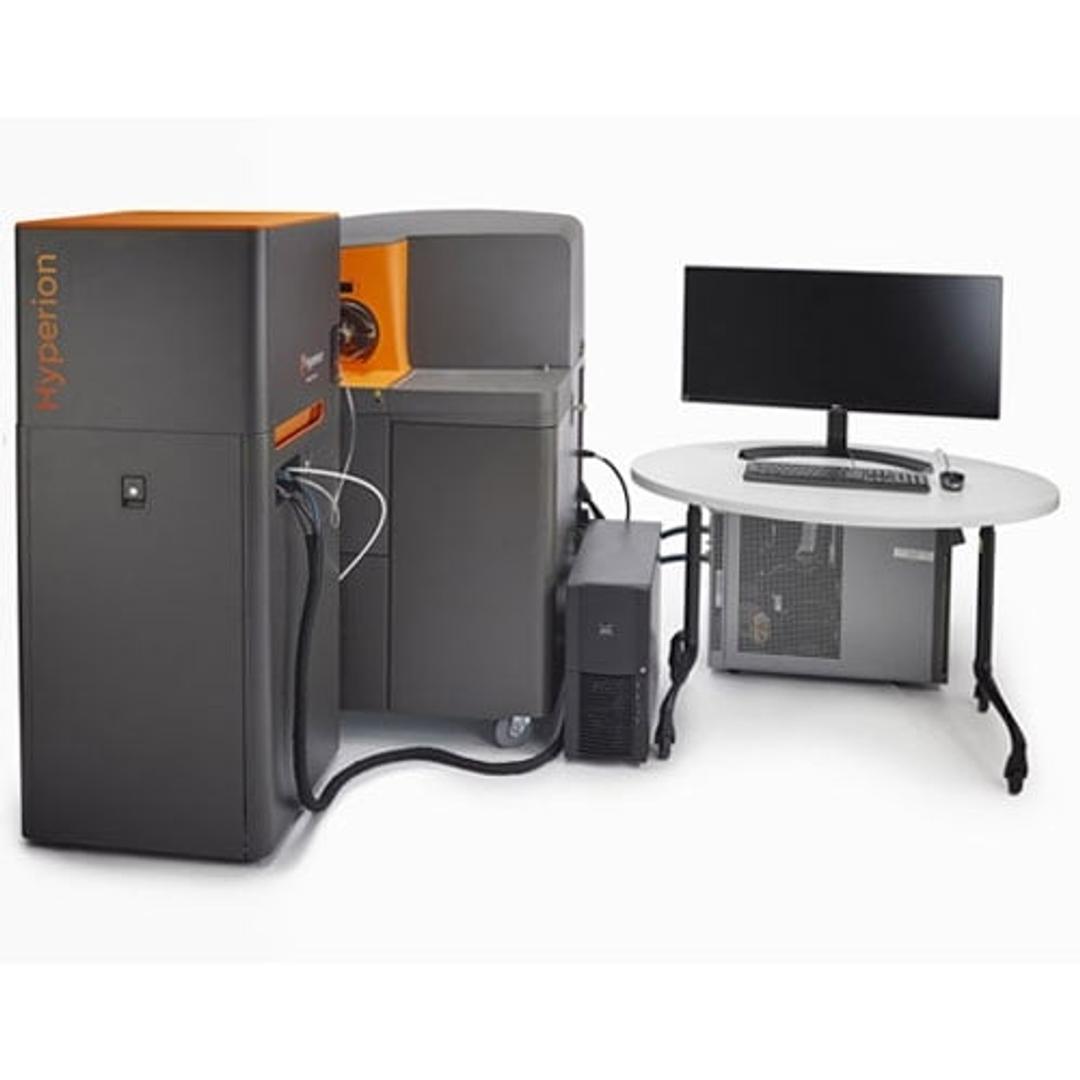
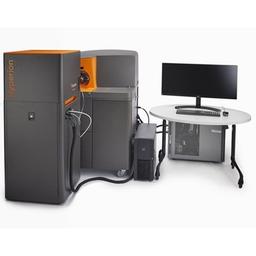
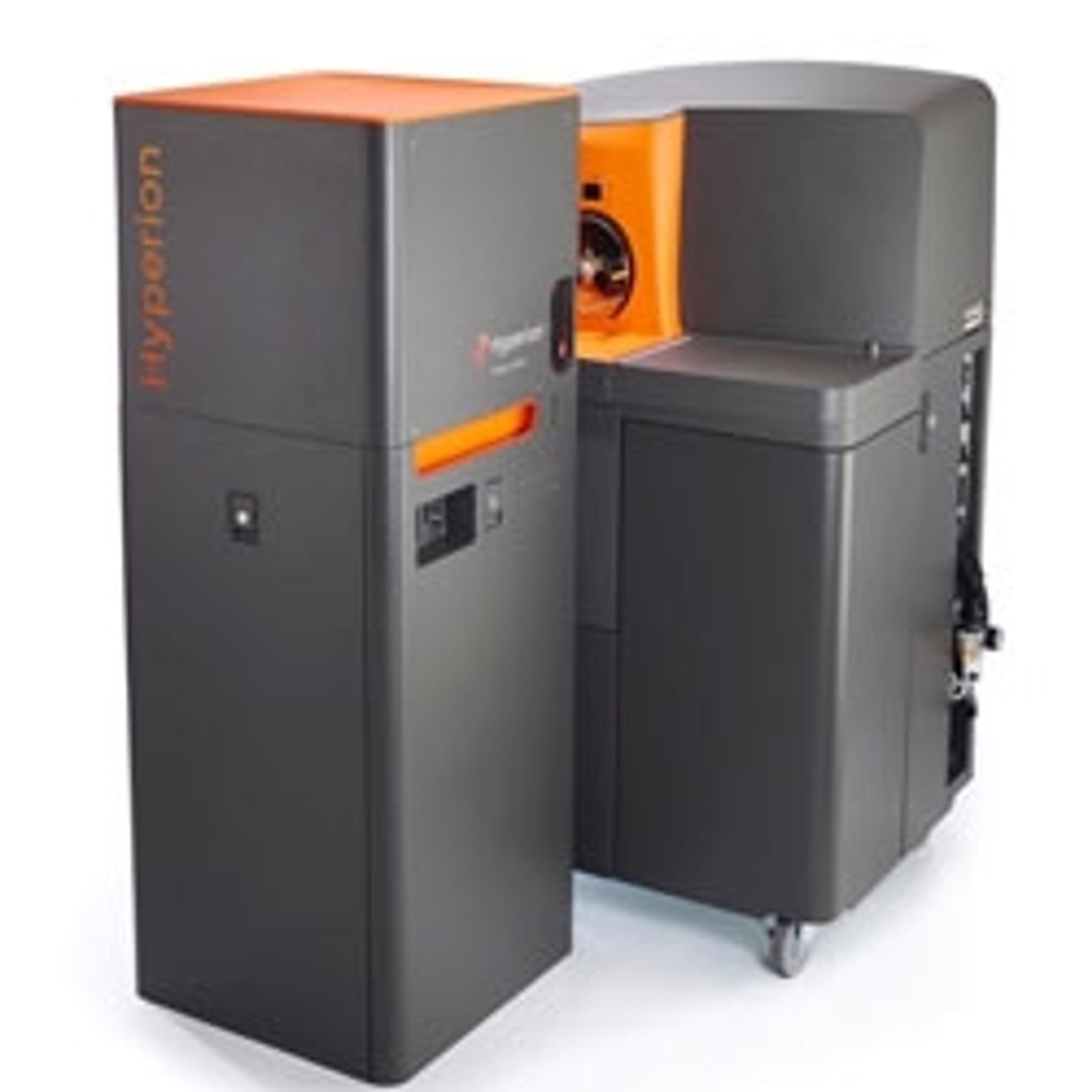
Hyperion™ Imaging System
A transformative imaging solution that enables comprehensive analysis of cellular phenotypes and their interrelationships.




Receive your quote directly from the manufacturer.
Great results, but need time for analyses
Analyze tumor microenvironment
The automat has been used for the exploration of the tumoral microenvironment of tumoral and inflammatory colon and gastric tissues. Acquisitions take a bit of time, but it is quite easy to use the automat. The longest part is to make the preparation work for the antibodies panel and the tissues, and the most difficult part is the analysis of the huge amount of data generated by Hyperion.
Review Date: 8 Jun 2022 | Standard BioTools Inc.
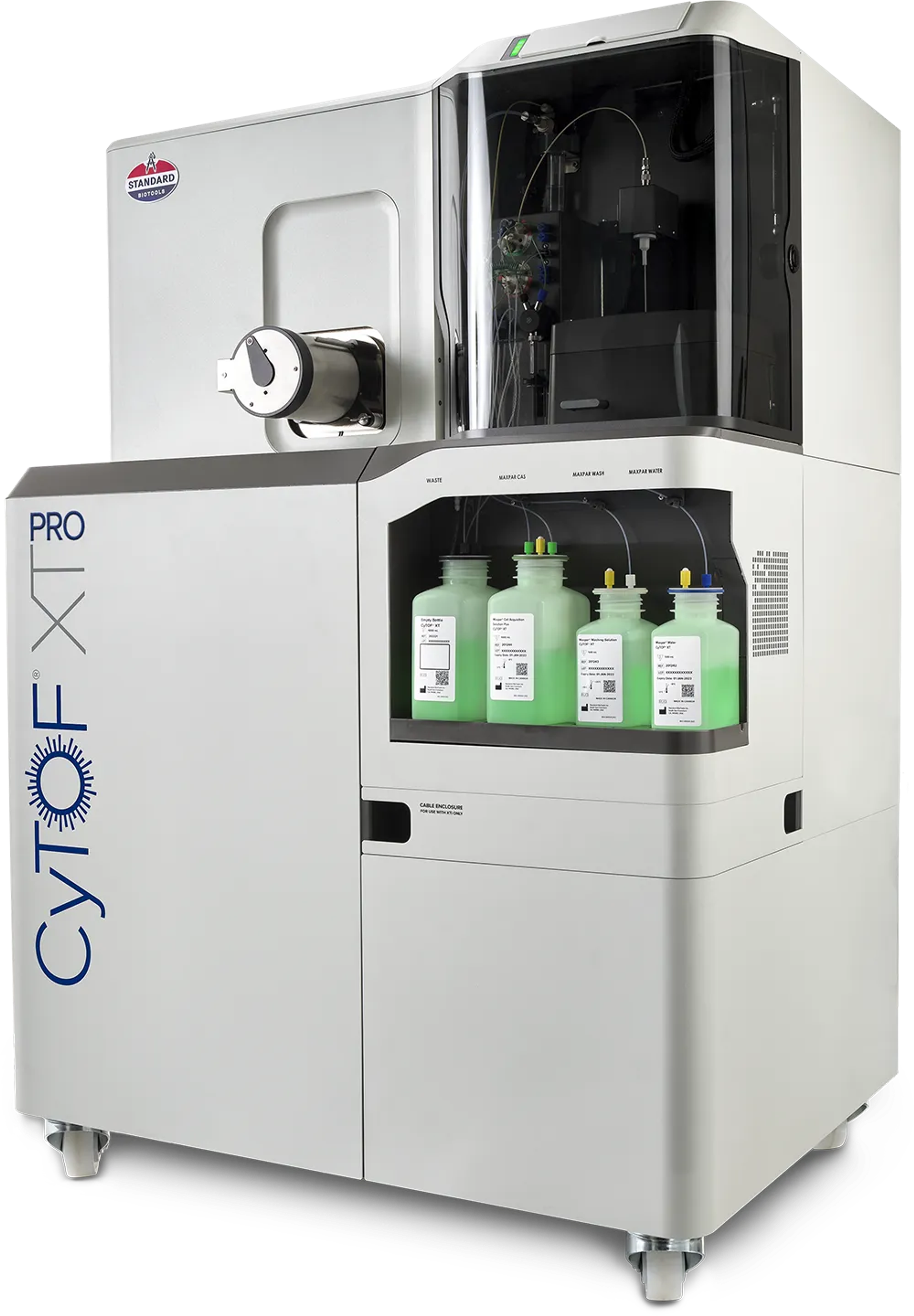
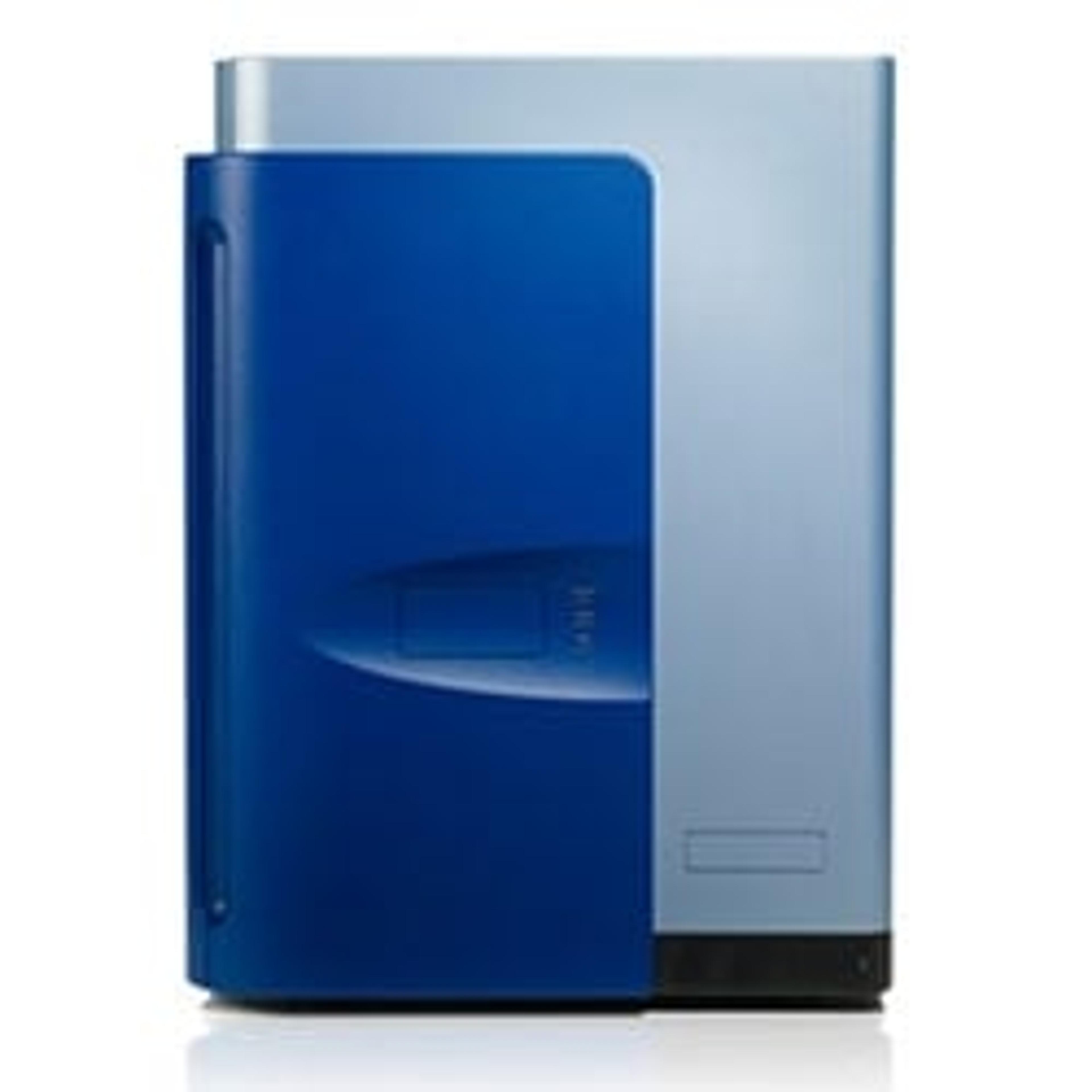
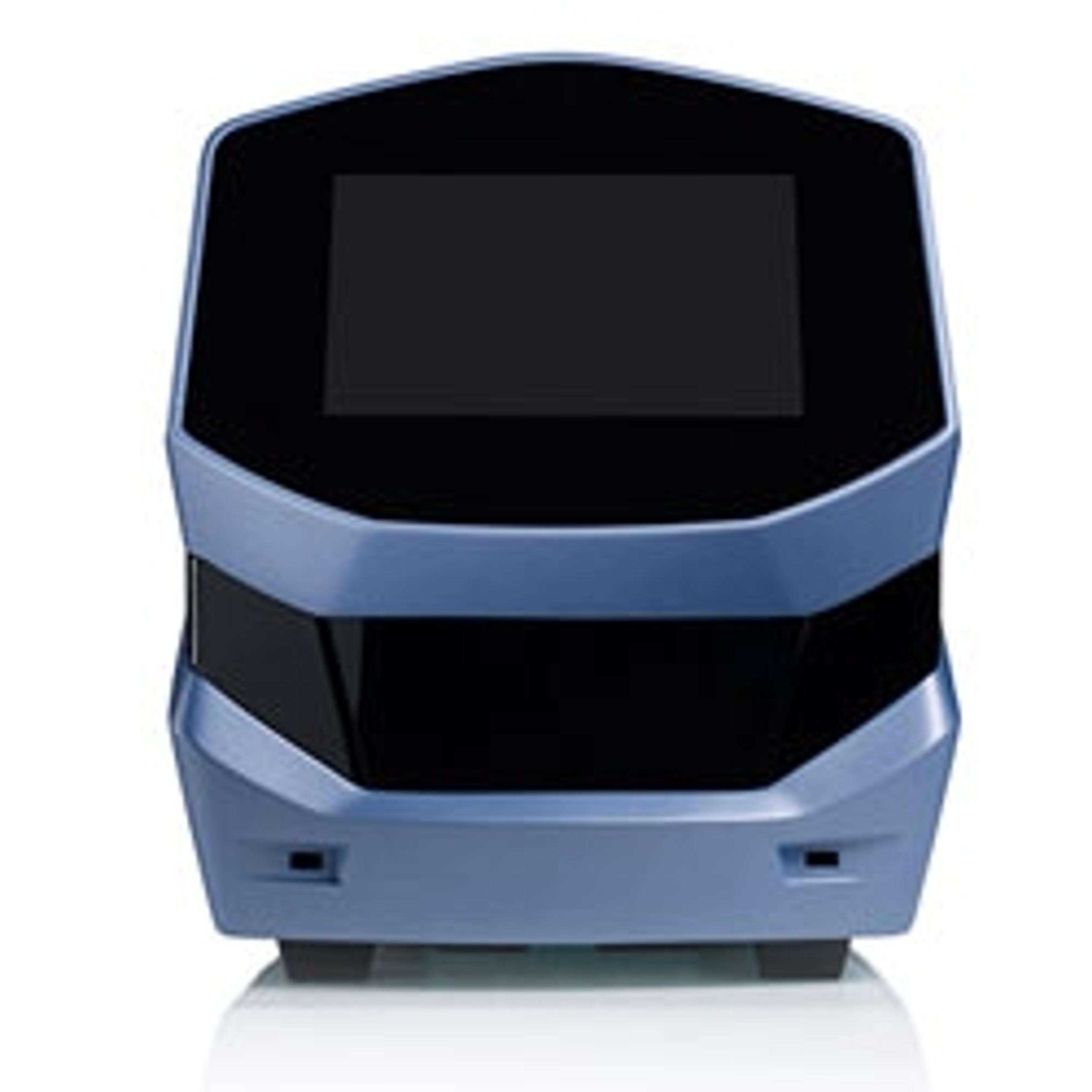
Changing the course of how diseases are treated and ultimately cured requires a comprehensive understanding of complex cellular phenotypes and their interrelationships in the spatial context of the tissue microenvironment. Imaging Mass Cytometry™ (IMC™) performed on the Hyperion™ Imaging System using Maxpar® metal-tagged antibodies empowers simultaneous imaging of up to 37 protein markers imaged at a time. Bringing together high-parameter CyTOF® technology with imaging capability, the Hyperion Imaging System enables deep interrogation of tissues and tumors at subcellular resolution to uncover pathology insights, new biomarker correlations and cell interactions.
- Comprehensive - Highly multiplexed immunohistochemistry (IHC) using proven CyTOF technology enables simultaneous analysis of 4 to 37 protein markers from a single scan
- Contextual - Identify new protein biomarkers and deeply profile tissue microenvironments at subcellular resolution while preserving the information in tissue architecture and cellular morphology
- Powerful - Preserve precious samples and reduce variability by eliminating dependency on serial sections
Brochures

The Hyperion and Hyperion+ Imaging Systems
The Hyperion™ Imaging System is the established leader in high-plex imaging, based on widespread use and publications. Read this product brochure to find out more about the Hyperion and Hyperion+ Imaging systems by Fluidigm Corporation.
Hyperion Imaging System Brochure
Imaging Mass Cytometry™ performed on the Hyperion™ Imaging System empowers simultaneous imaging of up to 37 protein markers at subcellular resolution. This brochure from Fluidigm provides insights on the Hyperion Imaging System and how it can enable you to uncover new biomarkers and cellular interactions.
Immuno-oncology panel kits for imaging mass cytometry
Download this application note to find out about Maxpar® Immuno-Oncology (IO) Panel Kits, their applications, and the benefits of using them in conjunction with Imaging Mass Cytometry™ (IMC™).
Hyperion Imaging System Bibliography
This bibliography from Fluidigm contains references to more than 40 peer-reviewed publications featuring the Imaging Mass Cytometry™ through January 2020.
Exploring healthy and tumor tissue microenvironment with immuno-oncology markers using multiplexed Hyperion Imaging System
To power immuno-oncology discovery, it is highly beneficial to explore healthy and tumor tissues with immuno-oncology markers using multiplexed analysis. In this study, Fluidigm demonstrates how to generate high-parameter images with immuno-oncology markers on the Hyperion Imaging System.
How critical insights from imaging mass cytometry are transforming precision medicine
In this video, Olivier Elemento, Professor of Physiology and Biology at Weill Cornell Medicine and Director of the Englander Institute for Precision Medicine, provides expert insight into why artificial intelligence, high-throughput sequencing, and imaging mass cytometry are becoming increasingly critical tools for personalizing treatments and improving patient outcomes. Elemento also describes the integral role of the Hyperion™ Imaging System by Fluidigm Corporation in his work with diseases from COVID-19 to cancer.
Characterizing the Immune Cells of a Tumor Microenvironment
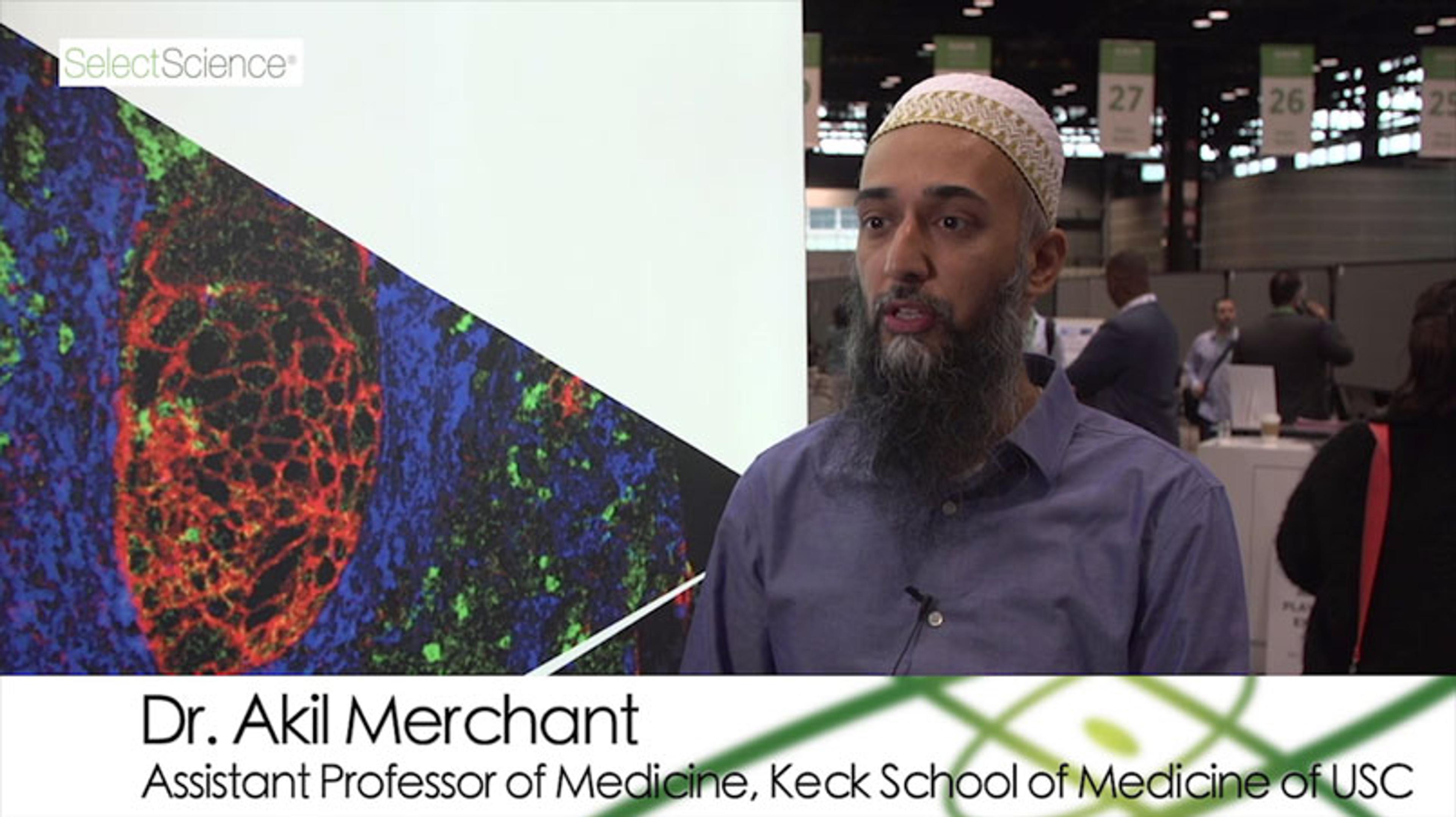
As a physician and associate professor at the Keck School of Medicine of USC, Dr. Akil Merchant examines the response of immune cells surrounding cancerous cells within a tumor. To better characterize the immune cells in the tumor microenvironment, in addition to traditional immunohistochemistry, Merchant uses Imaging Mass Cytometry™ enabled by the Hyperion Imaging System, to obtain spatial information from the simultaneous analysis of a large number of protein markers. By studying the immune response to cancer, Merchant hopes to identify mechanisms of resistance to current immuno-oncology therapies.

Fluidigm and Bethyl Laboratories collaborate to expand antibody offerings for Hyperion Imaging System
Providing researchers with expanded capabilities in interrogating the tissue microenvironment

How mass cytometry is driving COVID-19 research: Your questions answered
Watch this on-demand webinar to discover how mass cytometry can be used to monitor immune responses to new therapeutics
Fluidigm to Host a Meet-the-Expert Session at AACR 2018
Take an interactive tour of the Hyperion Imaging System and meet experts in imaging mass cytometry at the Fluidigm booth 3420