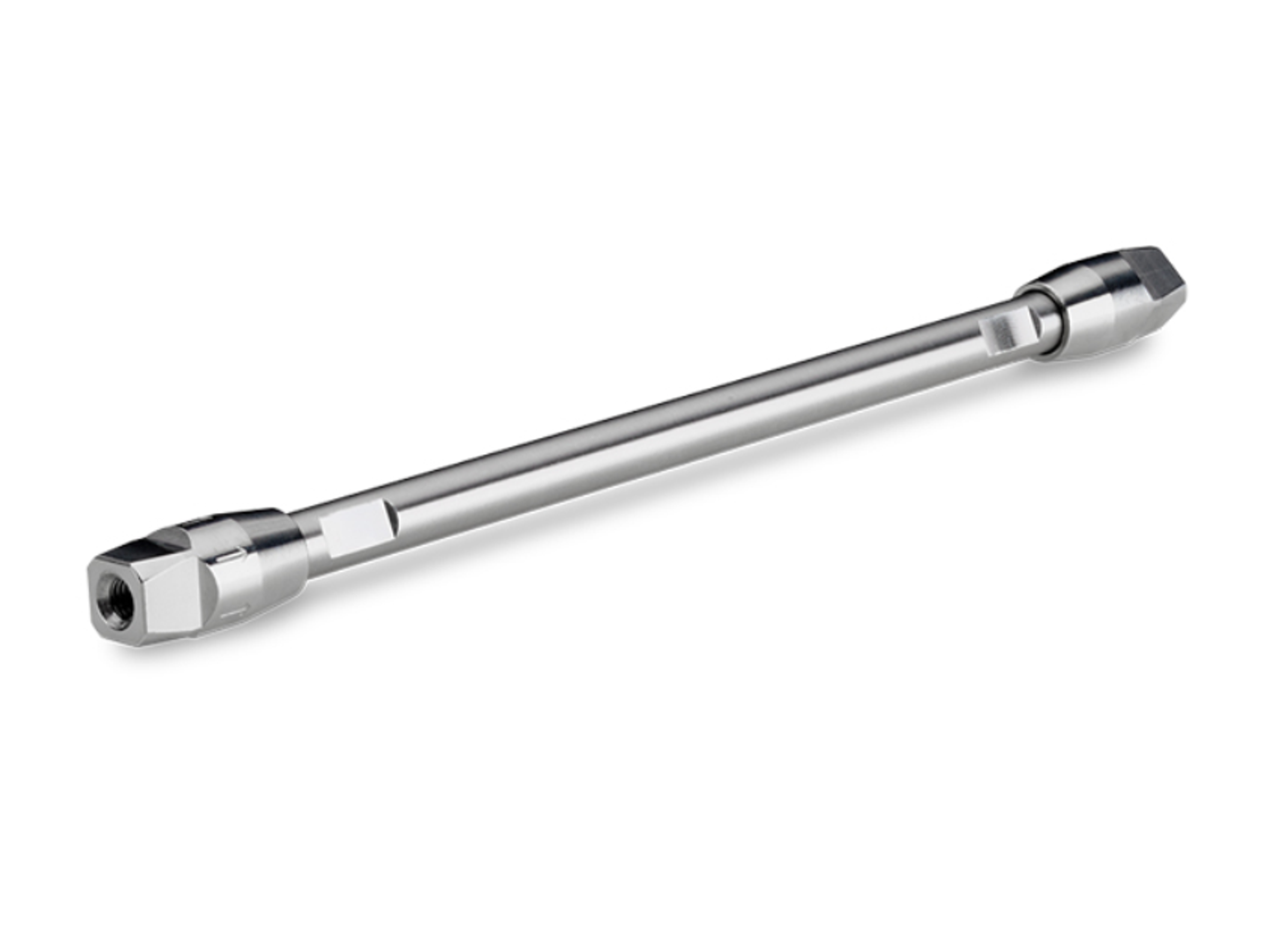
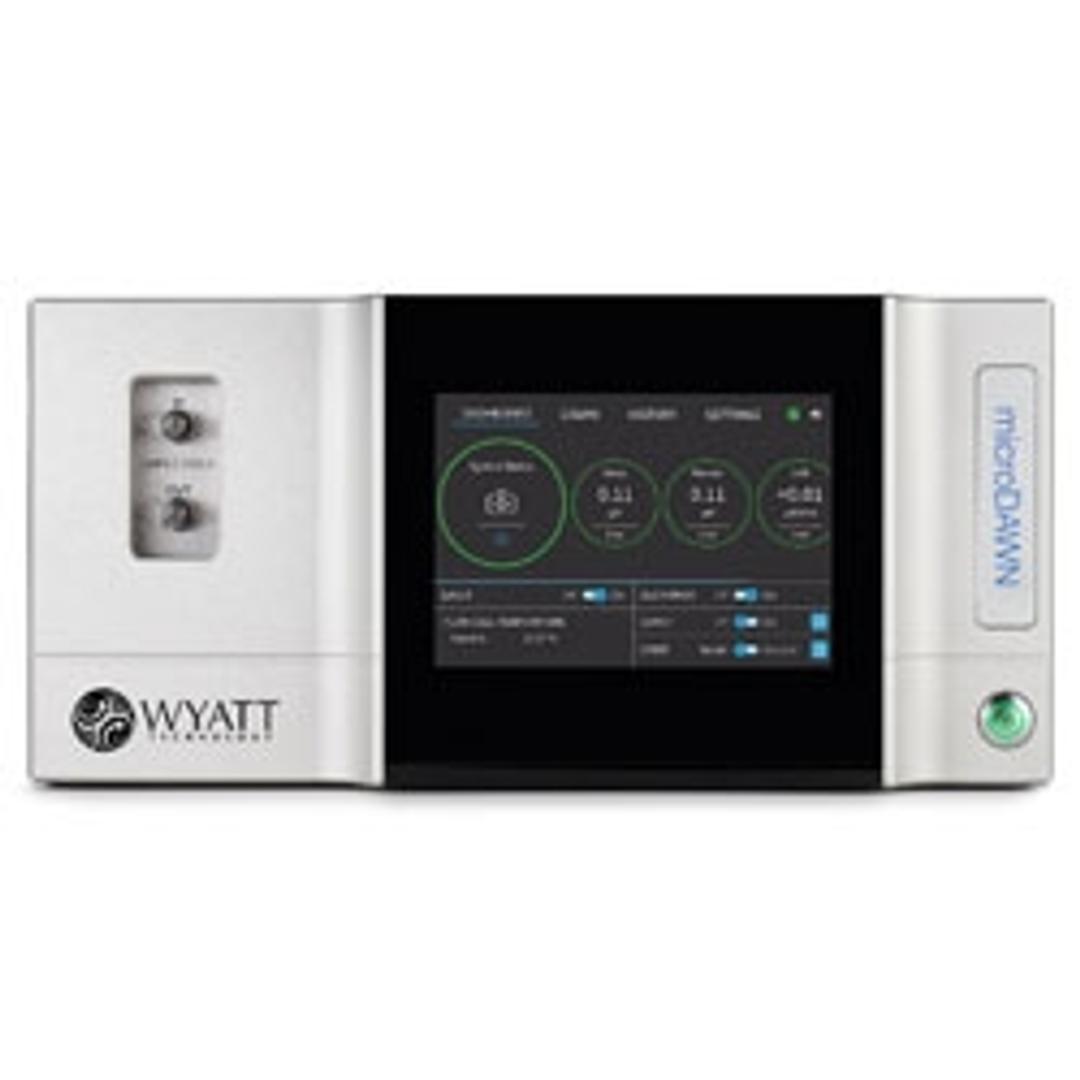
microDAWN™
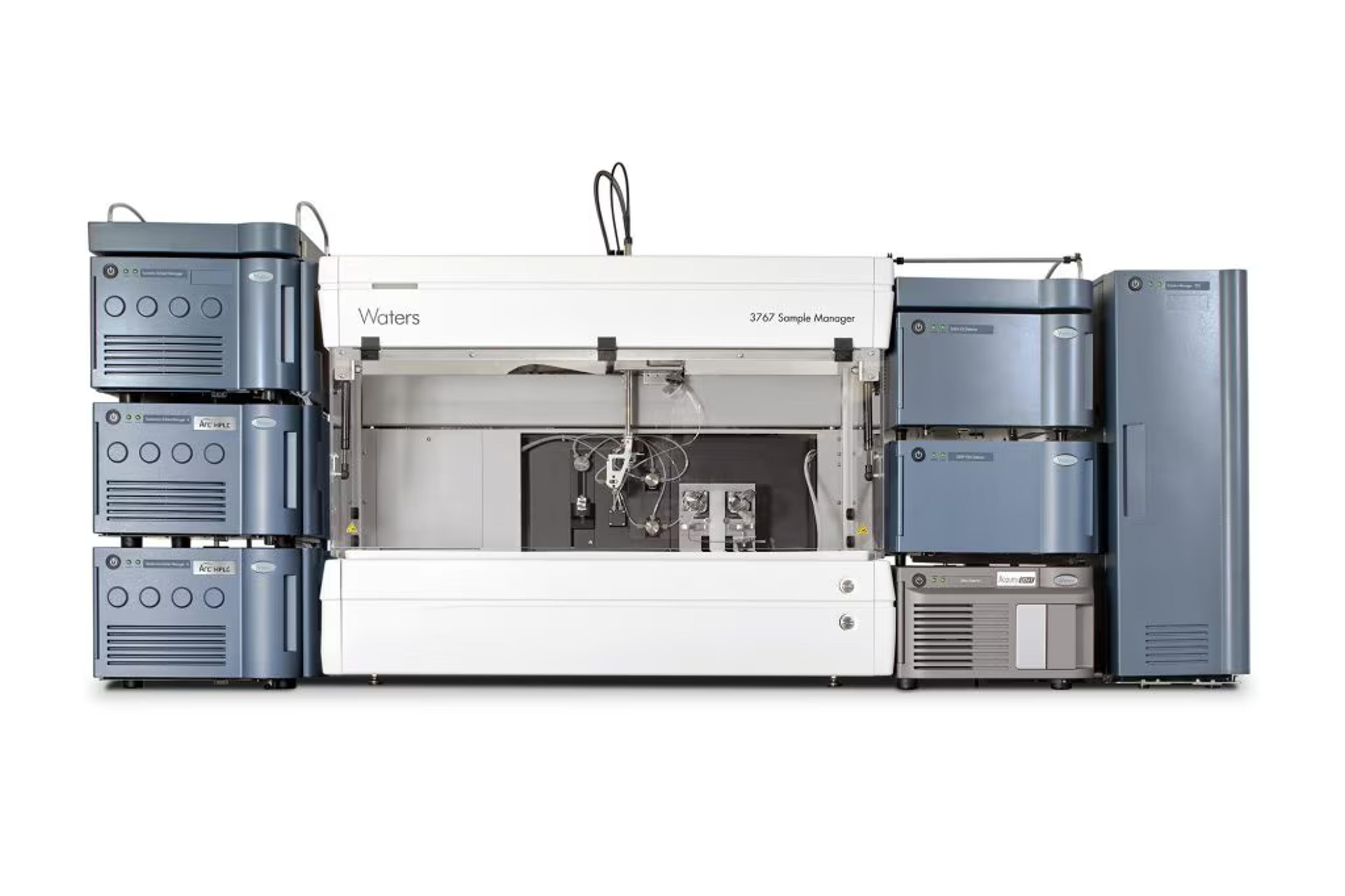
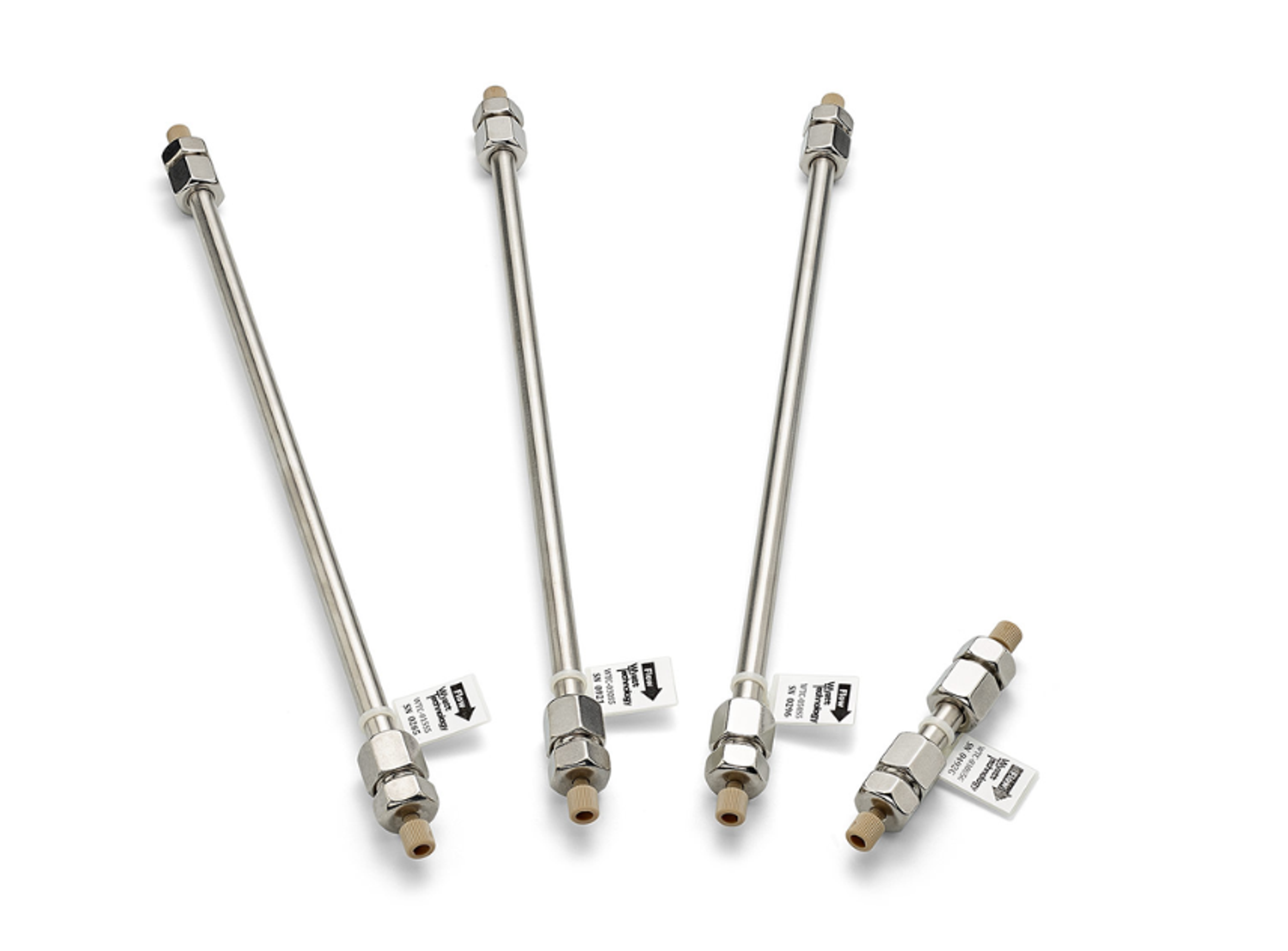
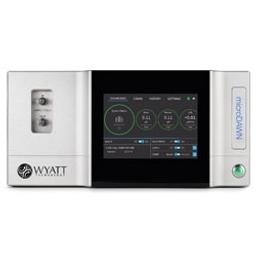
The microDAWN™ determines absolute molecular weight and size of proteins, polymers and other macromolecules in conjunction with UHPLC.

Receive your quote directly from the manufacturer.
Great Results
Polymer Molecular Weight Analysis
Instrument is user Friendly and easy to use . Support system is great. Have been using this along with RI instrument .
Review Date: 28 Sept 2023 | Waters
Overall a good detector for SEC-MALS and relatively simple to set up to use.
Analyze protein samples using SEC-MALS (size exclusion chromatography multi-angle light scattering)
The instrument is relatively simple to use, but the front panel interface at times makes it difficult to select the correct touch screen button, as the screen size is small and you need to be precise in touching the small buttons. An attached stylus would be nice to make it easier to make the selections you need.
Review Date: 6 Nov 2020 | Waters
MicroDawn MALS detector from Wyatt is reliable and simple to use!
Analyze size exclusion chromatography fragments
The MicroDawn MALS detector is easy to use and the on-panel interface makes setting parameters simpler. The detector is quite simple to set-up and the Wyatt service engineers are available for technical assistance if needed. Great company and service.
Review Date: 27 May 2020 | Waters
Great product!
Molecular weight analysis
Great product and always produces high quality data!
Review Date: 10 Dec 2019 | Waters
Wonderful instrument, supports daily activities.
Determine Mw of samples after UHPLC separation
Advances in UHPLC technology have greatly reduced run times, sample loading requirements, and solvent consumption. The µDAWN seamlessly integrates downstream from our Agilent 1290 UHPLC for accurate measurements of Mw, Rz and Rh values, giving us a deeper look into our sample beyond just the UV chromatogram. It is just as easy to use as our other Wyatt MALS detectors and is used almost daily.
Review Date: 18 May 2017 | Waters
The microDAWN™ is the only multi-angle light scattering (MALS) detector that can be coupled to any UHPLC-SEC system without loss of resolution. UHP-SEC-MALS determines absolute molecular weight, size and conformation of polymers, peptides, and proteins directly, without resorting to column calibration or reference standards.
Features:
- Sensitivity: 3.5 ng of 100 kDa polystyrene in THF or 70 ng of BSA in PBS, loaded on a 4.6 x 150 mm UHPLC-SEC column.
- Range of molar mass: 200 Da to 10 MDa (may vary with molecular composition, size or solvent)
- Range of rms radius R g : 10 nm to 50 nm
- Range of hydrodynamic radius: 0.5 nm to 30 nm (with optional Wyatt QELS™ embedded dynamic light scattering module) Integrated ultrasonic flow cell cleaning module
- Software: ASTRA® chromatography software provides comprehensive analyses and user-friendly features including HPLC control, “One-click MW” and user-designed reports.
- Optional 21CFR11 support for GMP.
Applications:
- Proteins: absolute molar mass, size and stoichiometry of monomers, oligomers, complexes, aggregates and fragments.
- Glycoproteins, detergent-solubilized membrane proteins, PEGylated proteins, protein-polysaccharide and protein-DNA complexes; heme-containing proteins that absorb laser light
- Protein-protein and protein-nucleic acid interactions
- Polymers: absolute molar mass and size (distributions and moments), conformation, and branching
- Linear or branched polymers, co-polymers
- Most aqueous and organic solvents

Development of a platform SEC-MALS method for therapeutic monoclonal antibodies
In biotherapeutics manufacturing, controlling the size distribution of therapeutic monoclonal antibodies (mAbs) is critical to ensuring product quality. Size-exclusion chromatography coupled to multi-angle light scattering (SEC-MALS) is a leading method for analyzing size variants by separating high and low molecular weight species from the monomer based on their hydrodynamic volume.
Learn how the analytical team at Tanvex BioPharma, Inc. found SEC-MALS to be an advantageous method which is cost-effective and efficient for analyzing size variants across a broad range of mAbs.
Analysis of PLGA using APC-MALS
In this application note, Wyatt Technology explores the use of SEC-MALS-IV in conjunction with UHPLC for the rapid and precise quantification of PLGA, a co-polymer used extensively in the biomedical field for medical devices and drug delivery.
High-Speed Process Monitoring with UHP-SEC-MALS
Size-exclusion chromatography (SEC) is a technique for detecting impurities in a biotherapeutic sample that can be coupled with multi-angle light scattering (MALS) to find the molar mass and mass fraction of these species in the sample. Wyatt technology allows this technique to be combined with ultra-high performance (UHP) liquid chromatography to enable high-speed process monitoring. In this application note, UHP-SEC-MALS is used to analyse two antibodies, mAb1 and mAb2, demonstrating how this technique enables rapid monitoring of purification processes.
Discriminating Heparin from Chondroitin Sulfate by Charge:Mass Ratio
In this study, heparin from two suppliers is compared, including one lot modified with super-sulfated material. Characterizing key parameters of different heparin lots requires multiple techniques. Weight-average molar mass measured by multi-angle static light scattering (MALS) and hydrodynamic radius measured by dynamic light scattering (DLS) can be used to characterize the size and polydispersity of the molecule. These quantities can also be used for lot-to-lot comparison and to qualify heparin from different suppliers.

Solutions for vaccine characterization and development
Discover how light scattering provides essential biophysical insight and reliable quantification of critical quality parameters for vaccine research, development, production and quality control


Six Application Notes to Improve Your Polymer Analysis

MATERIALS UPDATE: 7 Developments Changing Polymer Science
From news to application articles, discover the latest advances and methodologies in polymers and plastics
Analytical Chemistry – Forging a Long-Term Relationship with a Trusted Technology Provider
Learn how a polymer analysis lab in the US has reaped the benefits of using instrumentation from a trusted provider for more than 20 years
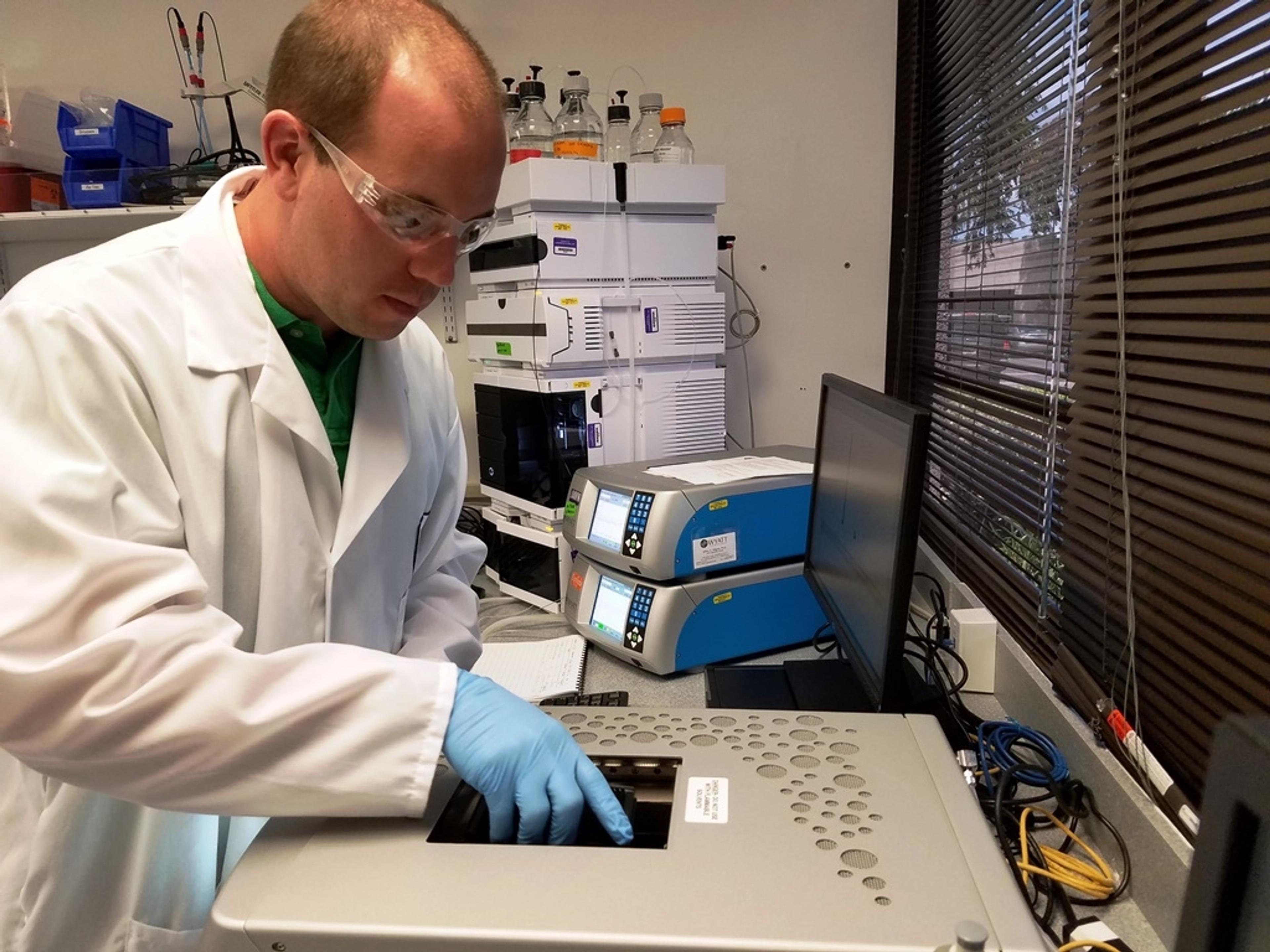
Meet William, Protein Crystallization Expert and SelectScience® Reviewer of the Month for May
William Wittbold describes his average day, hopes for science in the future and favorite piece of laboratory equipment