DAWN™
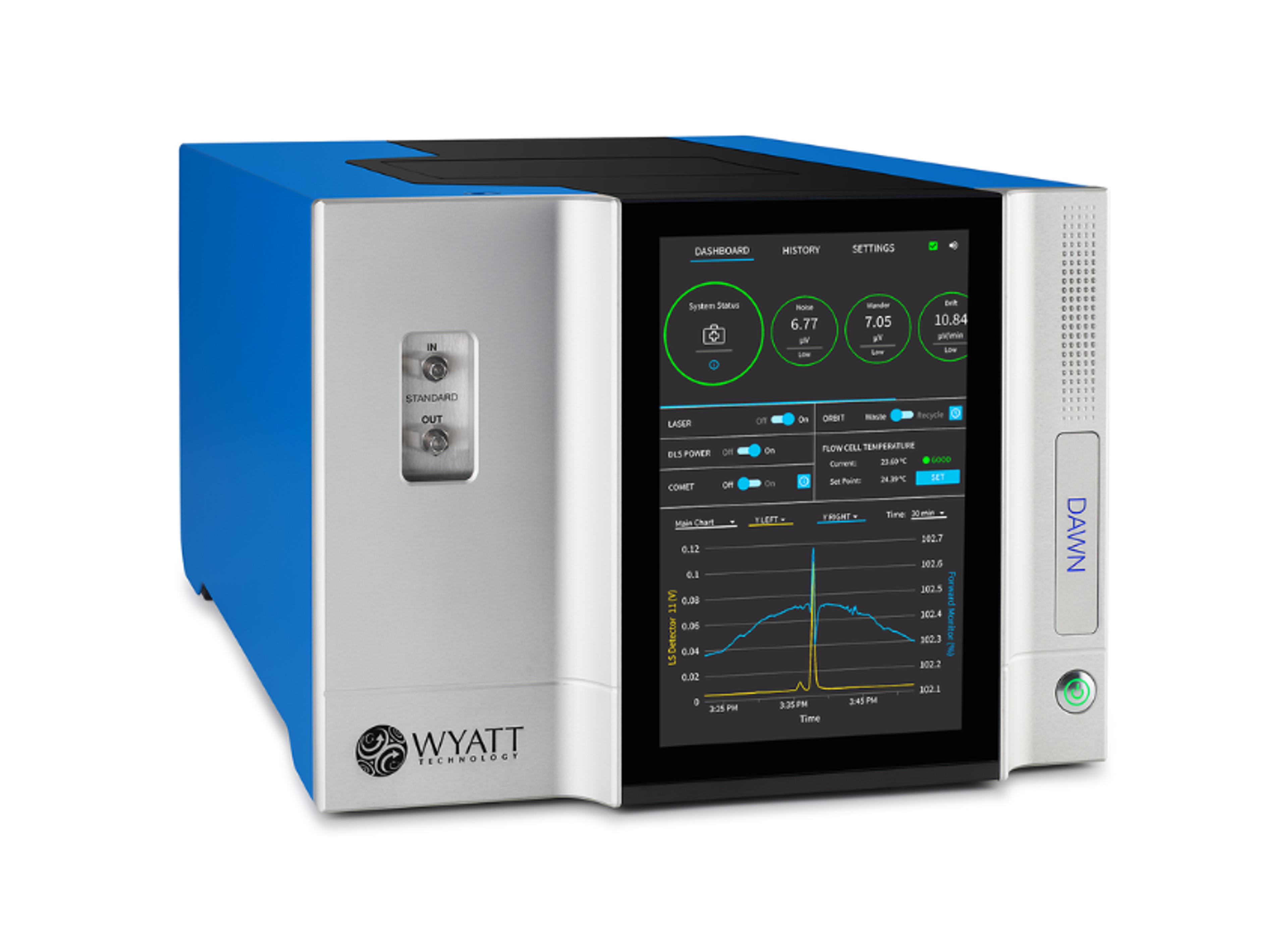
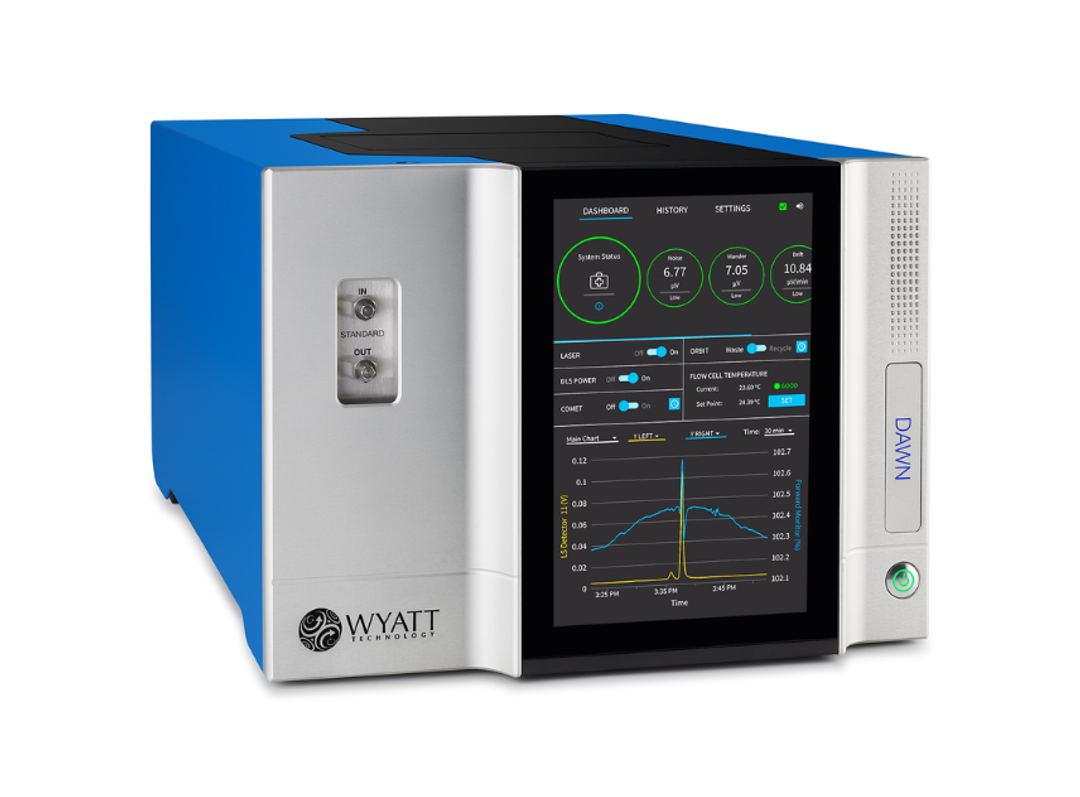
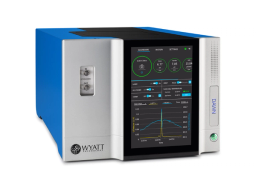
The DAWN is the premier Multi-Angle static Light Scattering (MALS) detector for absolute characterization of the molar mass and size of macromolecules and nanoparticles in solution, offering the highest sensitivity and widest range of molecular weight, size, concentration and optional features.


Receive your quote directly from the manufacturer.
Great results.
Polysaccharide
It is easy to use.
Review Date: 7 Jul 2021 | Waters
Great results! Cannot live without this system!
Testing large molecules
Wyatt MALS system is very reliable and generates reproducible results. ASTRA software makes it easy to use, store data and analyze data. It's worth for the money spending on this great system.
Review Date: 21 Jun 2021 | Waters
The dream instrument for protein characterization, we can't be without it in the lab!
Protein characterization
In our facility we use all of our Wyatt instruments (the Heleos II and Dawn 8) constantly. The systems are very user friendly and easy to use. We achieve great results and are happy with the outstanding support by Wyatt customer service. Many companies can learn from this kind of service and reaction speed. We recently upgraded our older Heleos II system to the new Dawn 8 and are really happy with the integration. Quick delivery and installation, clear training and a dedicated service to help with all of the questions. We won't be able to imagine our service without the instrument anymore!
Review Date: 2 Oct 2020 | Waters
Easy to use and great results.
Gene therapy
The instrument is very easy to use once it is up and running. Simply wait for all the signals to go green and you're good to go! If I ever have any problems with running something or have questions regarding the instrument, I simply email support and I always get a helpful answer back and they never have any issue with going back and forth multiple times. I know this instrument is going to be a critical part of my group/department.
Review Date: 27 May 2020 | Waters
Great instrument for particle and polymer characterization!
Size and molecular weight of branched polymers and size and number density of extracellular vesicles
This product is easy to use, reliable, and great for polymer and particle characterization. It is also easy to connect to field flow fractionation techniques. Wyatt’s support for data analysis and instrument troubleshooting makes them by far one of the best companies I’ve worked with. Everyone at Wyatt is quick to respond, and very knowledgeable in their responses. Highly recommend.
Review Date: 27 May 2020 | Waters
Has changed the way we measure protein hydrodynamics.
Protein hydrodynamic measurements
Everybody in the lab is able to use it. We can get useful technical support by phone. Eliminated the use of more expensive and more complex equipments.
Review Date: 27 May 2020 | Waters
I can whole heartedly recommend the instrument (use with Optilab RI!).
Protein science
We are using the DAWN 8 angle detector together with Agilent HPLC and Optilab RI detector. So far, it's been extremely reliable, very reproducible results. I've been measuring more than 200 samples myself and if sample quality was good, the result was as well. Solved a mystery of subunit numbers in a detergent micelle etc.
Review Date: 27 May 2020 | Waters
Highly recommended.
Gel permeation chromatography
DAWN is easy to use and the data is quite reliable. After purchasing, the corresponding Wyatt engineer is still very helpful and could come to site to solve problems.
Review Date: 27 May 2020 | Waters
Important for vaccine development
Analysis of glycoconjugates
It is a very useful tool for estimating the concentration and molecular size of the polysaccharides and its conjugates, including the radius of the molecule from a single injection. It plays a vital role in polysaccharide and conjugate vaccine development and quality control.
Review Date: 11 Dec 2019 | Waters
Repeatable and reliable results. I like it very much.
Analyze purified antibodies and antigens
It is easy to use. The results are reliable and repeatable. I like it very much. However, its software cannot control our Waters LC. I should be able to control the LC and MALS separately.
Review Date: 10 Dec 2019 | Waters
The DAWN™ multi-angle light scattering (MALS) detector connects to most HPLC, GPC, FPLC or FFF separation systems to determine absolute molecular weight, size, and conformation of peptides, proteins, polymers and nanoparticles, in solution, without reference to calibration standards.
Eliminate column calibration and idealized assumptions, gain certainty with first-principles MALS analysis. With 18 detection angles, superb optical engineering and a range of optional add-ons, the DAWN™ provides the highest sensitivity, range of measurement and versatility of any available MALS detector.
Features:
- Sensitivity in SEC-MALS mode: 10 ng of 100 kDa polystyrene in THF, or 200 ng of BSA in PBS, using 7.8 x 300 mm SEC columns
- Range of molar mass: 200 Da to 1 GDa (may vary with molecular composition or solvent)
- Range of rms radius Rg : 10 nm to 500 nm (up to 1000 nm with specific shape models)
- Temperature-controlled models: ambient; H/C, -15°C to +150°C; UHT, room temperature to +210°C
- Integrated ultrasonic cell cleaning module
- DLS: optional WyattQELS™ embedded dynamic light scattering detector for particle sizes from 0.3 nm to 300 nm (Rh)
- Optional fluorescent-molecule configuration includes infrared laser and fluorescence-blocking filters
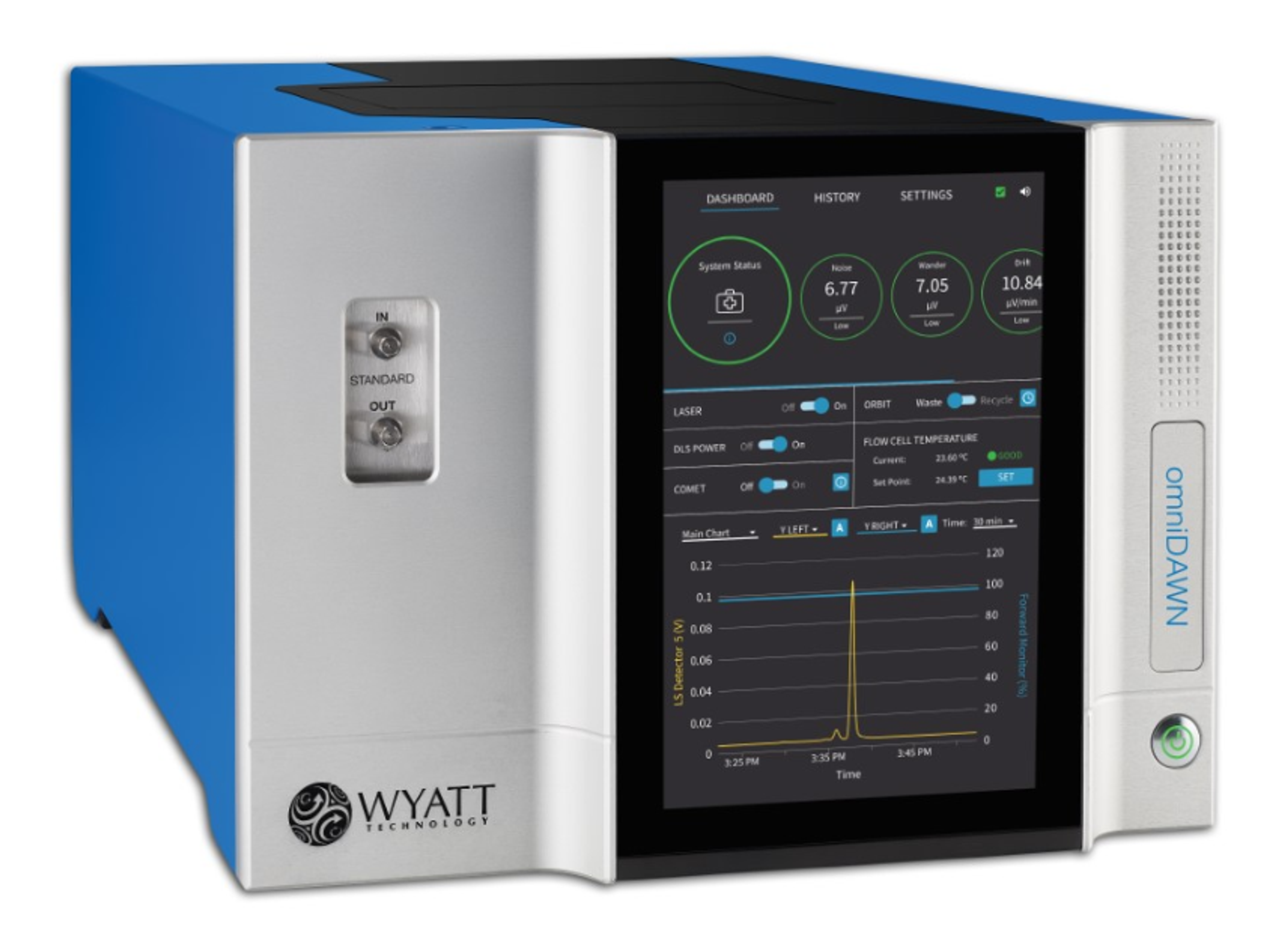
- Touch-panel display for immediate access to data, diagnostics and settings
- Serviceability: fully field-serviceable with extended self-diagnosis of field-replaceable flow cell and hardware modules
- Software: ASTRA® chromatography software provides comprehensive analyses and user-friendly features including HPLC control, “One-click MW” and user-designed reports. Optional 21CFR11 support for GMP.
Applications:
- Proteins: absolute molar mass, size and stoichiometry of monomers, oligomers, complexes, aggregates and fragments.
- Glycoproteins, detergent-solubilized membrane proteins, PEGylated proteins, protein-polysaccharide and protein-DNA complexes; heme-containing proteins that absorb laser light
- Protein-protein and protein-nucleic acid interactions
- Polymers: absolute molar mass and size (distributions and moments), conformation, branching and second virial coefficient
- Linear or branched polymers, co-polymers, fluorescent polymers such as lignin
- Nanoparticles: size distributions, structure, encapsulation and concentration of vesicles, liposomes, dendrimers, viruses, VLPs, fibrils and more
- Most aqueous and organic solvents
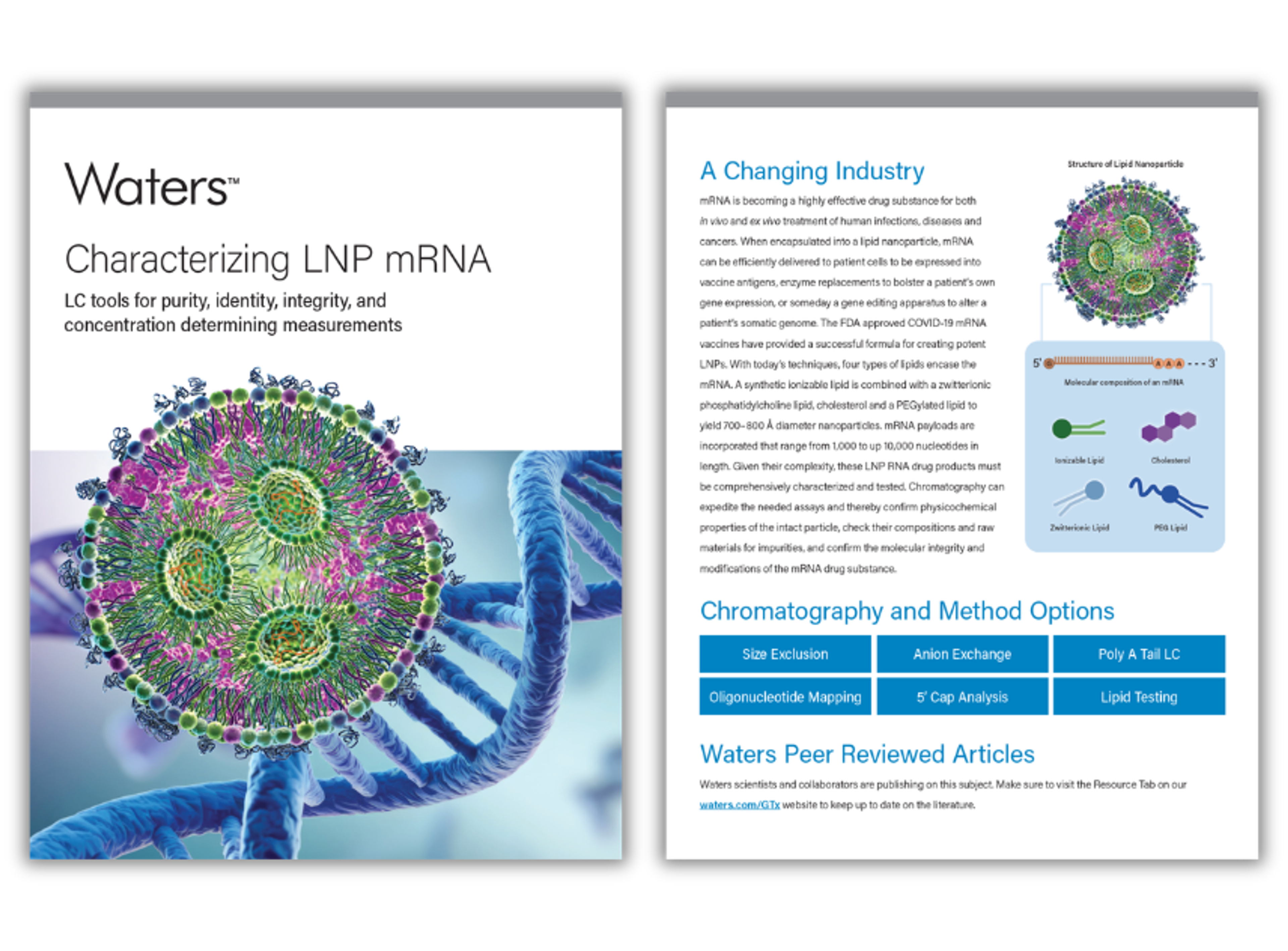
Characterizing LNP mRNA: LC tools for purity, identity, integrity and concentration measurements
This application note explores liquid chromatography workflows for the characterization of lipid nanoparticle (LNP) mRNA therapeutics and their critical quality attributes. Learn how chromatography-based methods can be used to assess mRNA integrity, sequence identity, 5′ cap structure, poly(A) tail length, plasmid topology, lipid composition and nanoparticle heterogeneity. Explore optimized SEC, anion exchange, reverse-phase LC and LC-MS approaches, along with specialized reagents and columns designed to support high-resolution analysis of LNP formulations, mRNA drug substances and associated raw materials throughout development and manufacturing.
Resource details:
Resource type: Application note
Page count: 12
Read time: 15 mins
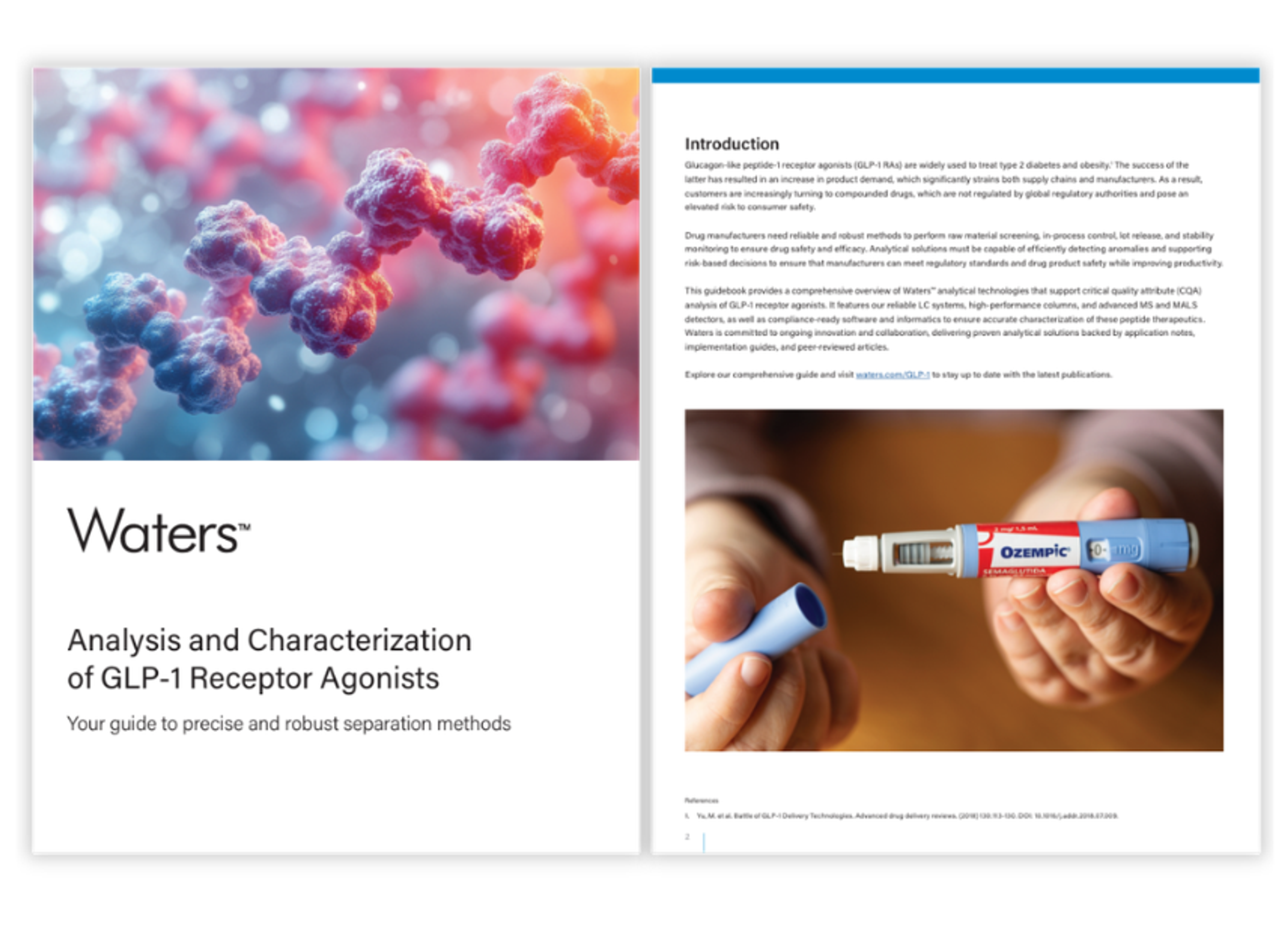
Analysis and characterization of GLP-1 receptor agonists
This resource by Waters presents a comprehensive analytical workflow for the analysis and characterization of GLP-1 receptor agonists (GLP-1 RAs), including therapies such as semaglutide, liraglutide, exenatide, dulaglutide, and tirzepatide. It focuses on critical quality attributes (CQAs) including identity, purity, stability, and safety. It also demonstrates how reversed-phase liquid chromatography–mass spectrometry (RPLC-MS), amino acid analysis, peptide mapping, and size-exclusion chromatography with multi-angle light scattering (SEC-MALS) can be used to detect impurities, confirm peptide identity, monitor degradation, and characterize oligomers and aggregates.
Resource details:
- Resource type: Application note
- Page count: 15
- Read time: 26 mins
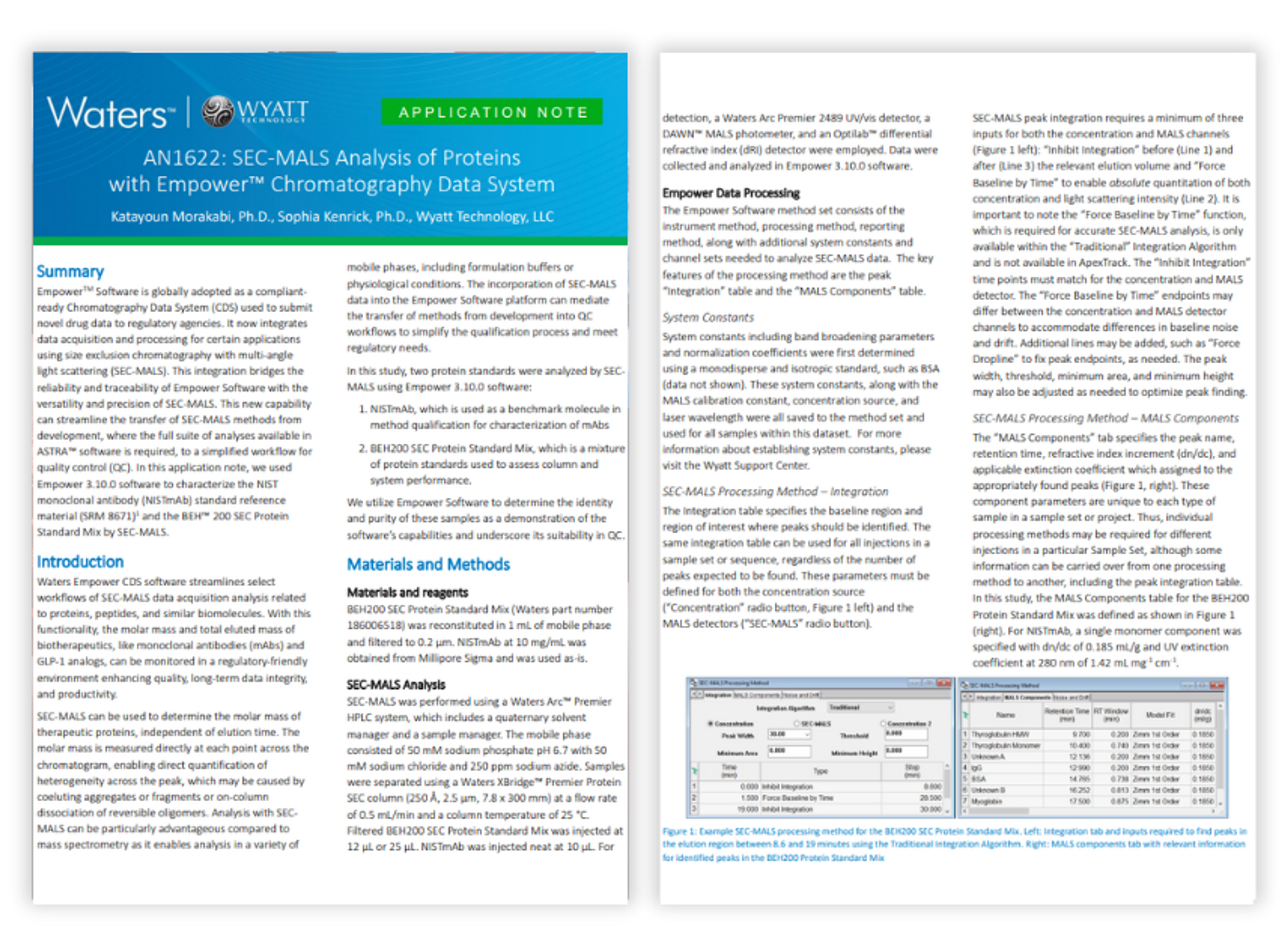
SEC-MALS analysis of proteins with Empower Chromatography Data System
Characterizing complex biologics demands precision, traceability, and streamlined workflows across development and QC. Integrating SEC-MALS with Empower™ Software addresses these challenges by uniting robust data acquisition with advanced light scattering analysis.
Discover how this technology enables seamless method transfer and reliable characterization of protein standards, enhancing regulatory compliance and analytical confidence in biopharmaceutical workflows.

Development of a platform SEC-MALS method for therapeutic monoclonal antibodies
In biotherapeutics manufacturing, controlling the size distribution of therapeutic monoclonal antibodies (mAbs) is critical to ensuring product quality. Size-exclusion chromatography coupled to multi-angle light scattering (SEC-MALS) is a leading method for analyzing size variants by separating high and low molecular weight species from the monomer based on their hydrodynamic volume.
Learn how the analytical team at Tanvex BioPharma, Inc. found SEC-MALS to be an advantageous method which is cost-effective and efficient for analyzing size variants across a broad range of mAbs.
A biopharmaceutical workflow powered by Wyatt Technology
Reliable biophysical characterization is a cornerstone of biologics development, playing a critical role at every stage – from selecting promising drug candidates to optimizing formulations and ensuring consistent manufacturing processes. Explore a comprehensive guide on how to deliver biopharmaceutical solutions, beginning with light scattering technology.
Irradiation-induced degradation of sodium alginate studied by SEC-MALS
Explore the impact of gamma irradiation on sodium alginate, a polysaccharide widely used in food and medical applications. Using SEC-MALS with a DAWN™ multi-angle light scattering detector and Optilab™ refractometer, researchers can determine molecular weight, size, and conformation without relying on column calibration assumptions. Understanding these properties is crucial for optimizing sodium alginate's performance as a thickening agent and sterile wound dressing.
Using SEC-MALS-QELS to Analyse Molecular Properties of Chondroitin Sulfate
Chondroitin sulphate is started being used to treated people suffering arthritis, however Different preparations of the product have different molecular properties which are related to therapeutic effectiveness. In this application note, different chondroitin sulphate samples were compared using using size-exclusion chromatography (SEC) coupled to a DAWN multi-angle light scattering (MALS) and a WyattQELS quasi-elastic light scattering detector (QELS). The SEC-MALS-QELS method provides complete information about molar mass, radius and distributions of chondroitin sulfate.
Characterization of self-associating antibody solutions at high concentrations with CG-MALS
This application note describes the use of multi-angle light scattering (MALS) for characterizing the intermolecular interactions between three different high concentration antibody solutions using a Calypso II, a HELEOS II MALS detector, and Optilab T-rEX™ dRI detector. CG-MALS measurements, automated by Wyatt equipment, provided insight into the colloidal behaviors of the antibody solutions and the nature of the intermolecular forces that contribute to high viscosity.
Characterization of hyaluronic acid with online multi-angle light scattering and differential viscometry
The biopolymer hyaluronic acid is present in all mammalian systems and is of enormous commercial interest for opthalmic, medical, pharmacological and cosmetic applications. In this application note, the absolute determination of hyaluronic acids' properties is demonstrated using MALS, differential refractometry, and differential viscometry detectors in series with SEC separation.
Patent applications using CG-MALS
In this technical note, Wyatt Technology lists patents and patent applications using CG-MALS. Where patent applications have been submitted to multiple countries or organizations, only one is mentioned.
High-throughput stability screening strategies for antibody formulation
Tuesday, February 10 at 16:00 GMT | 17:00 CET | 11:00 EST | 8:00 PST
High-concentration antibody formulations provide patients with the flexibility of self-administered subcutaneous dosing. However, achieving stability and manufacturability of these solutions can lead to increasingly complex formulation development. With expansive libraries of protein variants and formulation conditions to evaluate, researchers need smarter, faster, and more comprehensive analytical tools to ensure chemical stability and optimal delivery characteristics.
Join Dr. Sophia Kenrick of Waters | Wyatt Technology and Dr. Christine Nervig of TA Instruments as they present complementary approaches to stability characterization, leveraging high-throughput technologies:
1. High-throughput dynamic and static light scattering (DLS/SLS): These techniques provide rapid, sensitive indicators of aggregation and colloidal stability across a wide range of conditions.
2. Rapid screening-differential scanning calorimetry (RS-DSC): This next-generation DSC platform enables simultaneous, low-volume measurements to assess protein unfolding and conformational stability with exceptional throughput.
Discover how these complementary methods offer a high-resolution, high-throughput solution for evaluating thermal, colloidal, and long-term stability, to empower scientists to make faster, data-driven decisions in the development of stable, effective biologics.
Who should attend?
- Formulation scientists and protein engineers involved in developing high-concentration biologics.
- Analytical and biophysical characterization teams responsible for evaluating aggregation, conformational, and conformation stability.
- Biopharmaceutical R&D leaders and project managers overseeing biologics development pipeline looking for orthogonal approaches that streamline collection and decision making.
Certificate of attendance
If you attend the live webinar, you will automatically receive a certificate of attendance, including a learning outcomes summary, for continuing education purposes.
If you view the on-demand webinar, you can request a certificate of attendance by emailing editor@selectscience.net.
Webinar details
- Cost: Free to attend
- Location: Online
- Duration: 60 minutes per session
Registration is required to secure your place. If you register but can’t attend live, you will receive a link to the on‑demand recording once it becomes available
Comprehensive chromatographic assessment of forced degraded in vitro transcribed mRNA
Heightened interest in mRNA therapeutics has accelerated the need for analytical methodologies that facilitate the production of supplies for clinical trials. This webinar will present a concise panel of chromatography-based stability-indicating assays for evaluating thermally stressed in vitro transcribed mRNA as part of a forced degradation study.
Our expert speakers will demonstrate the application of these methods to evaluate the critical quality attributes (CQAs) of mRNAs as well as to detect intrinsic process- and product-related impurities.
Key learning objectives
- Characterization of thermally stressed mRNA using a panel of chromatographic assays
- Implementation of SEC-MALS to confirm transcripts reflect full-length sequence design
- Platform 5’ cap/3’ tail analyses, circumventing antisense probe design
- Design of QC-friendly methods fit for research, release, and comparability testing
Who should attend?
- QC lab technicians or lab assistants.
- Lab managers of development, process development, or QC.
- Directors/Senior directors of development, process development or QC
- VP of Quality; VP of Development or VP of CMC.
- Anyone interested in learning more about light scattering and its applications on mRNA characterization.
- Industry and academic researchers working in gene therapy and biotherapeutics.
- Any scientist in discovery, development, and quality control.
Certificate of attendance
All webinar participants can request a certificate of attendance, including a learning outcomes summary, for continuing education purposes.
Advancing light scattering assays for AAV products
Wednesday, March 19 at 15:00 GMT/ 16:00 CET/ 11:00 EDT/ 08:00 PDT
AAV-based gene therapy products are heterogeneous, composed of empty, partial, and full monomer capsid species as well as capsid aggregates and fragments. Join our exclusive webinar where Dr Margaret Butko, Director of CMC Assay Development, Adverum and Dr. Prithwijit Sarkar, Sr. System Account Manager, Waters|Wyatt Technology, will present two methods: GMP-compliant DLS (dynamic light scattering) which is used for monitoring capsid aggregation, including generation of a capsid aggregation standard, and the FFF-MALS (field-flow fractionation coupled with multi-angle light scattering) method, used for quantifying the relative abundance of capsid aggregates.
Explore these two methods, with the addition of quantification platform SEC-MALS (size exclusion chromatography coupled with multi-angle light scattering), to quantify the relative abundance of both capsid aggregates and full capsids. Find out how you can elevate your AAV-based gene therapy research with these tools and ensure the delivery of consistent products to patients.
Certificate of attendance
If you attend the live webinar, you will automatically receive a certificate of attendance, including a learning outcomes summary, for continuing education purposes.
If you view the on-demand webinar, you can request a certificate of attendance by emailing editor@selectscience.net.
Webinar details
- Cost: Free to attend
- Location: Online
- Duration: 60 minutes
Registration is required to secure your place. If you register but can’t attend live, you will receive a link to the on‑demand recording once it becomes available.
Exploring antibody stability through light scattering and calorimetry techniques
Tuesday, October 7, at 16:00 BST | 17:00 CEST | 11:00 EDT | 8:00 PDT
High-concentration antibody formulations are revolutionizing patient care by enabling convenient, self-administered subcutaneous dosing. But behind this flexibility lies a growing challenge to ensure stability, efficacy, and manufacturability in increasingly complex formulations.
Join Dr. Christine Nervig of TA Instruments and Dr. Sophia Kenrick of Waters | Wyatt Technology for an in-depth exploration of advanced analytical tools that are reshaping formulation development. This webinar will focus on strategies for assessing antibody stability and demonstrate how you can make faster, data-driven decisions in the development of stable and effective biologics.
Who should attend?
- Formulation scientists, protein engineers, and analytical teams working on high-concentration biologics, with a focus on aggregation, conformational, and conformational stability.
- Biopharmaceutical R&D leaders and project managers seeking streamlined, orthogonal approaches to accelerate decision-making across the biologics development pipeline.
Certificate of attendance
If you attend the live webinar, you will automatically receive a certificate of attendance, including a learning outcomes summary, for continuing education purposes.
If you view the on-demand webinar, you can request a certificate of attendance by emailing editor@selectscience.net.
Webinar details
- Cost: Free to attend
- Location: Online
- Duration: 60 minutes
Registration is required to secure your place. If you register but can’t attend live, you will receive a link to the on‑demand recording once it becomes available.

Experimental methodology in a core facility: Light scattering for preliminary experiments and final answers
As a core analytical facility, we are approached by users seeking our services with a large variety of samples. They usually have specific experiments/equipment in mind, frequently desiring to use the most intensive experimental techniques (in terms of sample, time, and money), when a simpler technique could give them the answers they require at a fraction of the cost. Often our recommended techniques include preliminary analysis with dynamic light scattering (DLS), followed by multi-angle light scattering (MALS), instead of analytical ultracentrifugation (AUC) or other high-maintenance biophysical techniques.
In this webinar expert speakers will explain, with a few examples, the methodology we have developed to save users time, sample, and money by prioritizing certain techniques for preliminary experiments. Many times the results from these ‘preliminary’ experiments are sufficient to provide the answers to the questions our researchers are asking.
Key learning objectives
- The fundamentals of light scattering theory, instrumentation and applications
- How light scattering instruments are used for fast, preliminary experiments before more intensive studies are attempted
- How often preliminary experiments provide all the answers needed for the scientific question
- Advantages (and some disadvantages) of Wyatt’s DLS and MALS instruments in relation to other techniques such as AUC.
Who should attend?
- Customers of biophysical core facilities or CROs who are considering light scattering in relation to other techniques
- Lab managers responsible for biophysical characterization who would like to optimize facility workflows, productivity, and use
Certificate of attendance
All webinar participants can request a certificate of attendance, including a learning outcomes summary, for continuing education purposes.
Wyatt Technology Group Wins the Reviewers’ Choice Award™ for Instrument of the Year
This year's winner of the Reviewers’ Choice Award™ for Instrument of the Year was Wyatt Technology Corp for its DAWN HELIOS II Multi-Angle Light Scattering Detector. Hear CEO Phillp J. Wyatt's reaction to winning this award for a product which is designed to provide high sensitivity and a wide range of measurements.
The biopharma innovations transforming patient health
Explore innovations such as oligonucleotide therapeutics, bi-specific antibodies, CAR-T therapy and CRISPR
Characterizing lipid nanoparticles for drug delivery: Latest advancements and expert opinion
A panel of experts share their insights into the development of lipid nanoparticles for drug delivery and reveal the analytical solutions designed to help labs advance further in this field.
5 essential resources to streamline your drug discovery and development processes
Explore the latest application eBooks with top tips on biopharmaceutical characterization and high-content screening
Solutions for vaccine characterization and development
Discover how light scattering provides essential biophysical insight and reliable quantification of critical quality parameters for vaccine research, development, production and quality control
Wyatt Technology pioneers multi-CQA method for gene vectors
AAV analysis determines titer, full:empty capsid ratio and aggregation in a single 30-minute run
NEW! SelectScience special feature: Biopharma peptide quantitation
Discover a collection of methods and top technologies to detect and quantify peptides and hear from the scientists at the forefront of biopharma research
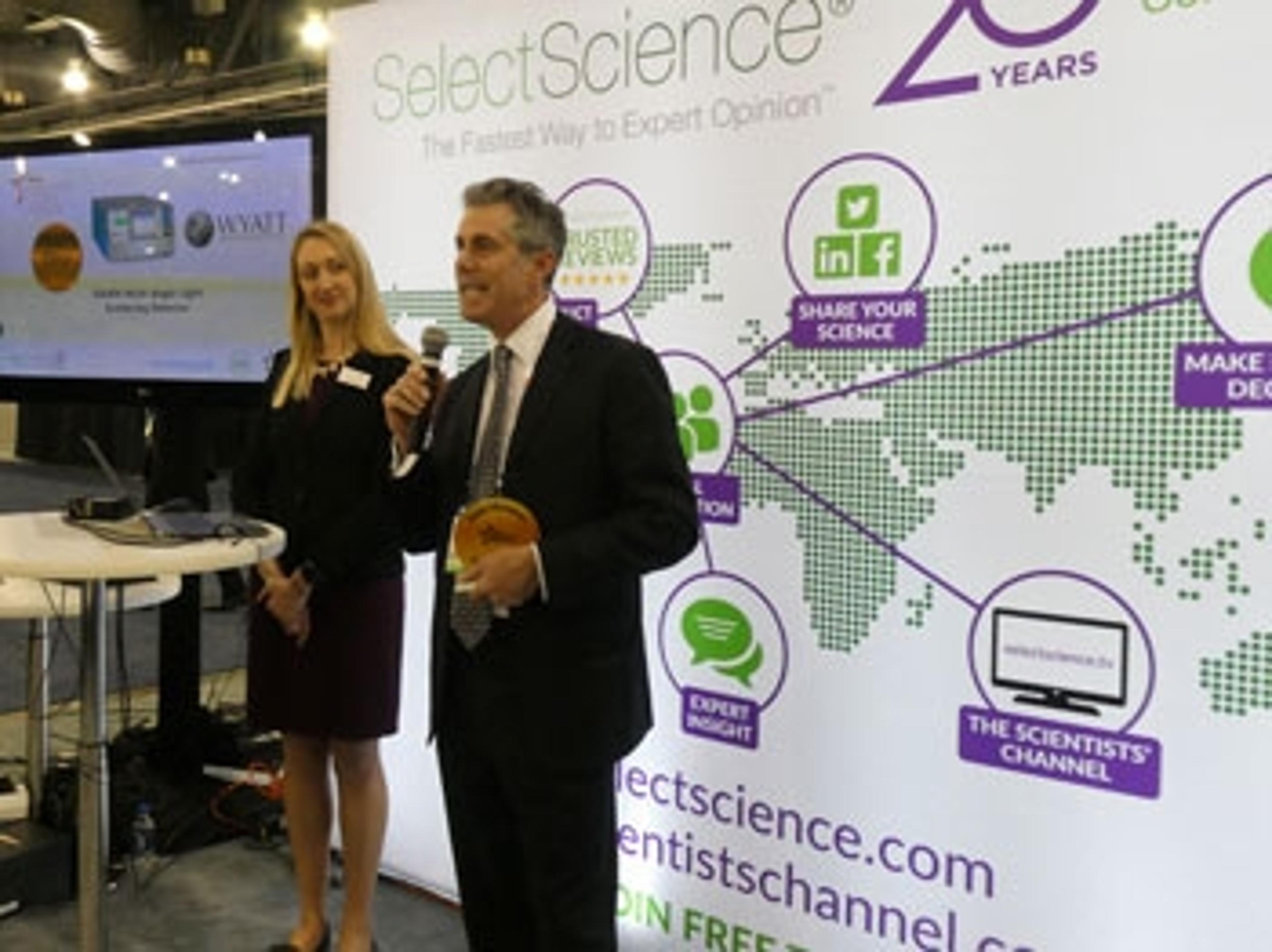
Your Favorite Lab Products Win New SelectScience Seals of Quality at Pittcon 2019
The first Gold Seal of Quality of the year among the new awards presented to the world’s top-rated laboratory products


MATERIALS UPDATE: 7 Developments Changing Polymer Science
From news to application articles, discover the latest advances and methodologies in polymers and plastics