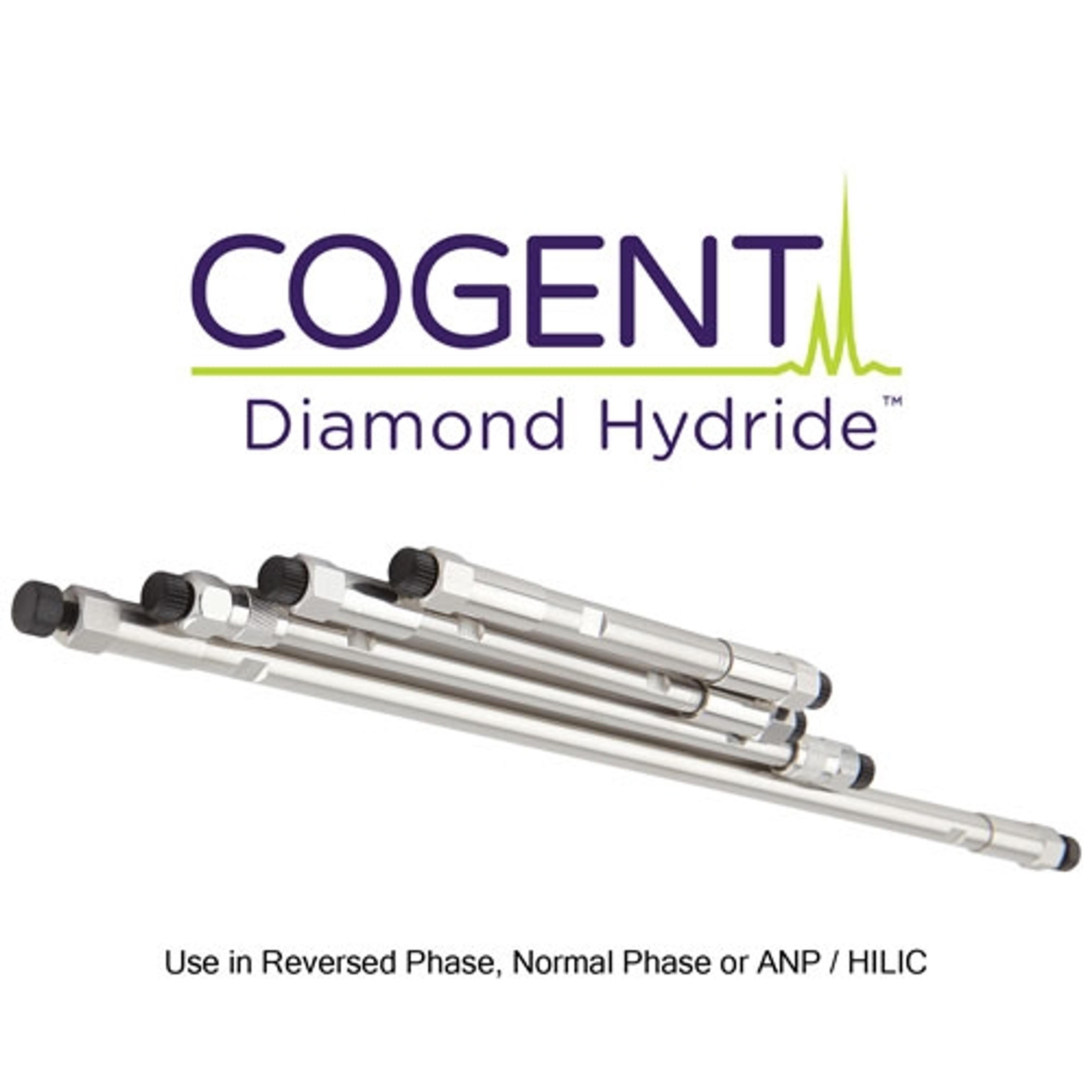
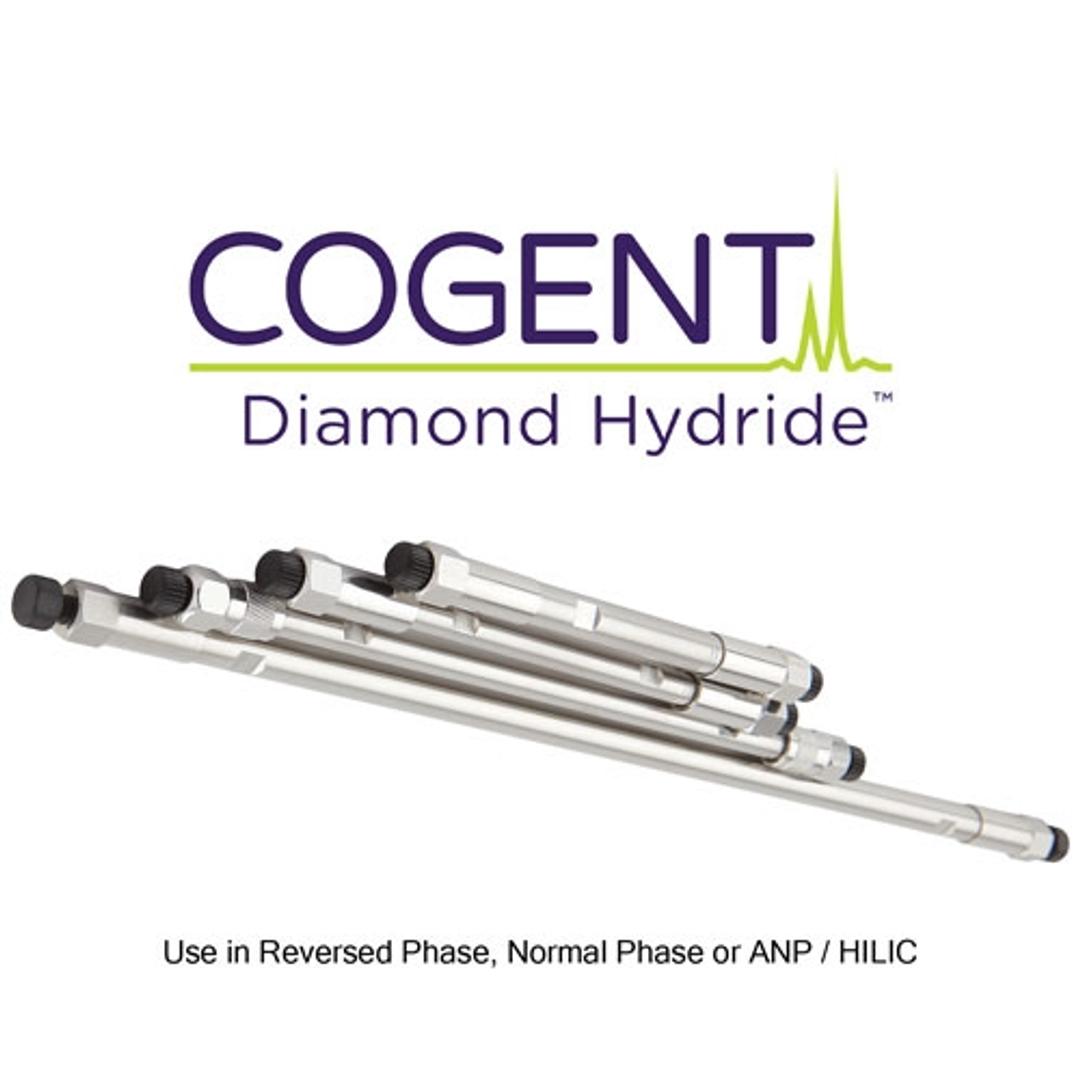
Cogent Diamond Hydride™ HPLC Columns
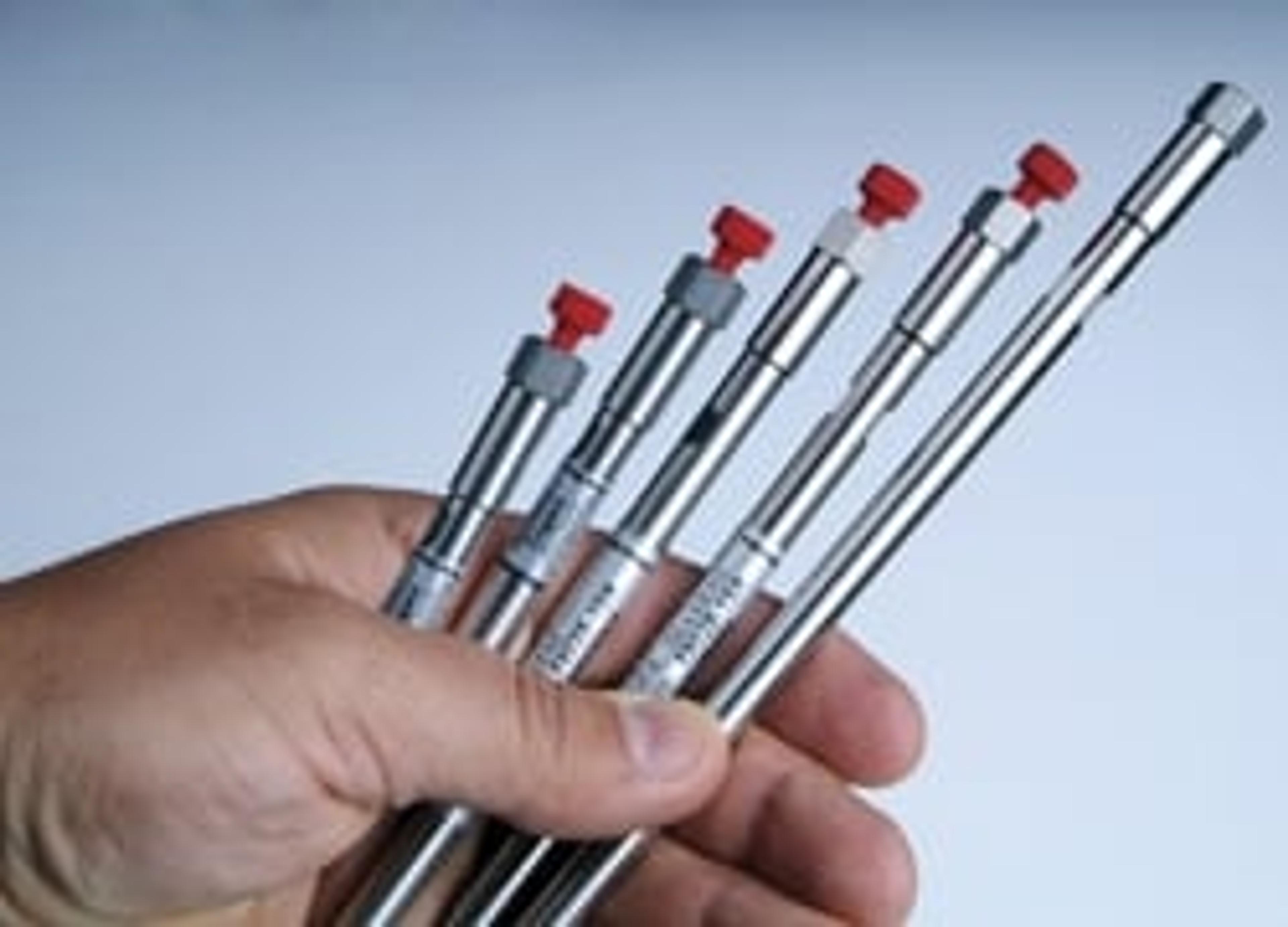
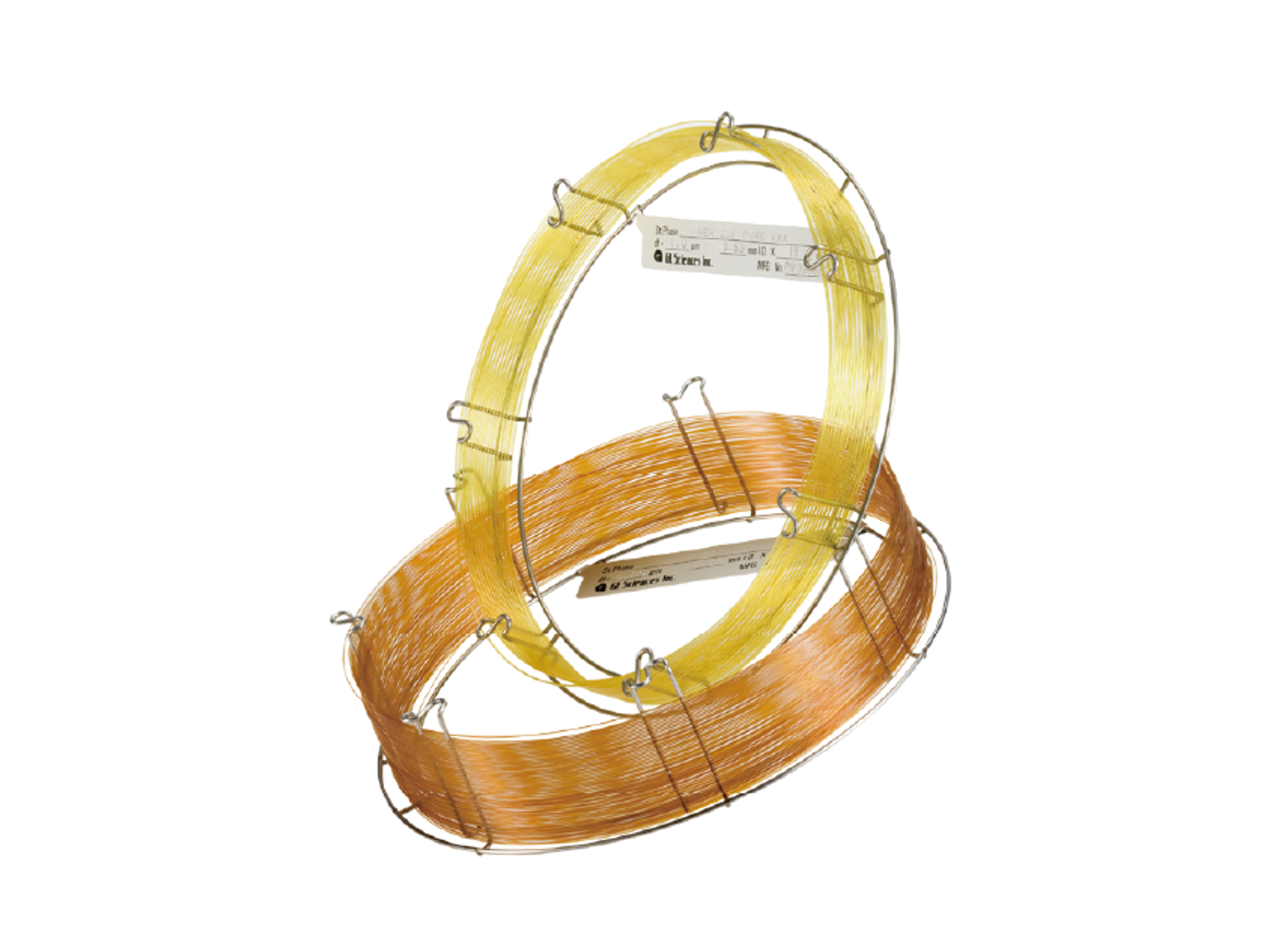
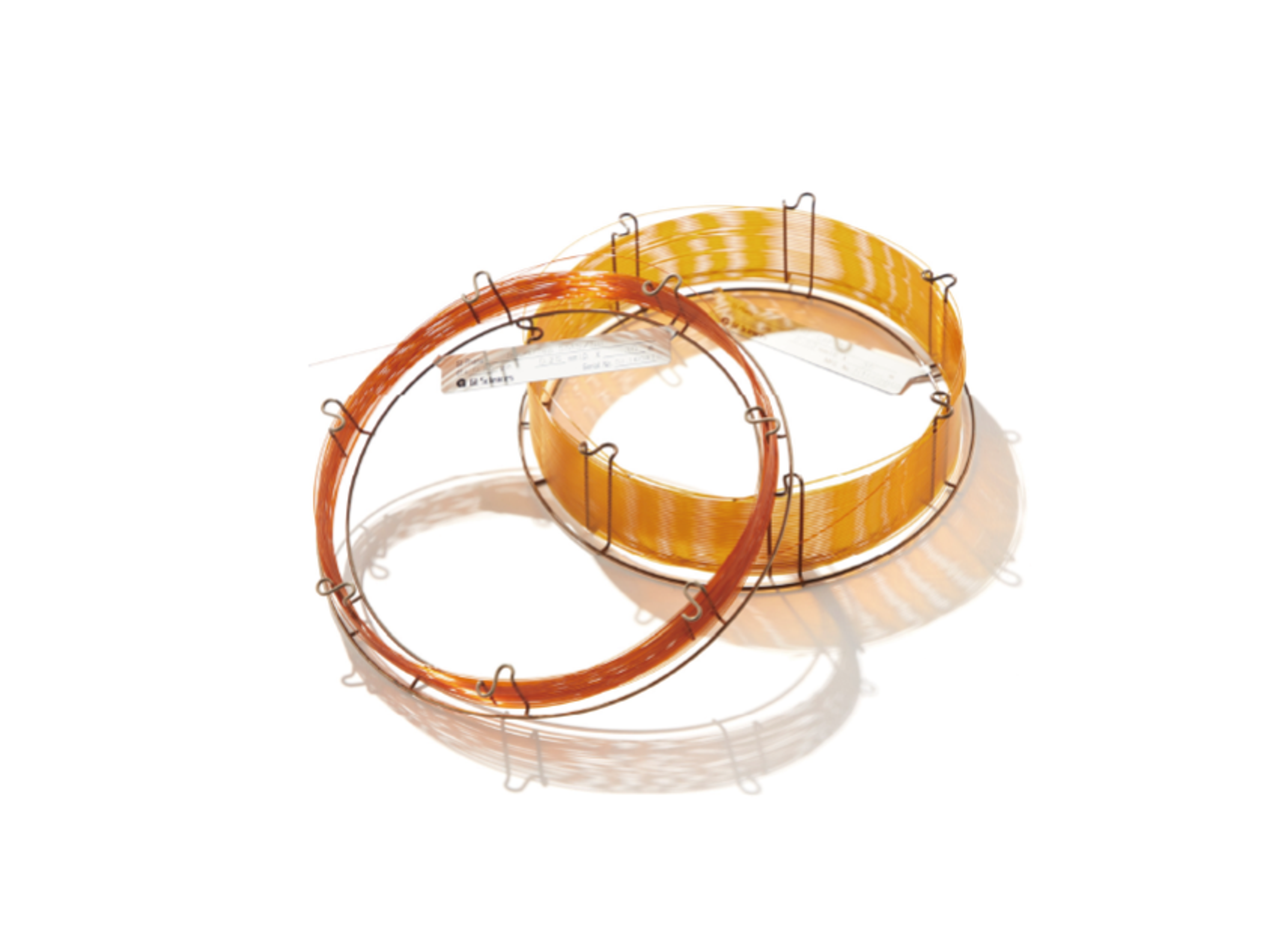
Cogent Diamond Hydride HPLC Columns are manufactured with TYPE-C™ silica (silica hydride) and a very small amount of carbon on the surface that adjusts the column hydrophobicity to an important level. This makes these columns have unique separation capabilities for scientists working in LCMS, metabolomics, bioanalytical, amino acids, organic acids, carbohydrates, and very polar small molecules.

The supplier does not provide quotations for this product through SelectScience. You can search for similar products in our Product Directory.
LCMS
In our experience, the Cogent Type C columns have provided a broad range of selection capabilities. The fact that separations in both the reversed-phase and aqueous normal phase modes are possible on the same column is a very useful feature. The retention and separation capabilities of hydrophilic compounds are particularly notable. The versatility, durability and rapid equilibrium of the Type C columns for most applications is superior to typical HILIC columns. A comprehensive review of the Diamond Hydride and other Type C columns can be found it the following article: Trends in Analytical Chemistry, Vol 42, 2013, 64-73.
Review Date: 6 Oct 2015 | MicroSolv Technology Corp.
Polar Compounds In Tobacco Testings
Cogent Diamond Hydride HPLC Column is good for retention of small polar compounds from complex sample matrices. Mobile phases are compatible with LC-MS/MS methods.
Review Date: 24 Oct 2014 | MicroSolv Technology Corp.
The Cogent Diamond Hydride Columns provide excellent Selectivity, Faster Equilibration and Robust Column lifetimes. These columns are chosen for analysis of polar compounds that are difficult to retain in Reversed Phase methods.
- Extremely Precise Column to Column
- Very Fast Equilibration
- Useful for Polar & Non Polar Molecules
- Low Salt used in methods
- NOT HILIC
Precise methods have been easily developed even with complex sample matrices including biological fluids such as plasma, urine, saliva, and other matrices.

Improved peak shape of tetracycline using a coated steel HPLC column
This application note highlights chromatographic performance improvements in the separation of a tetracycline antibiotic between a Dursan© coated HPLC column and an untreated stainless steel column with the same packing material and method conditions on the same instrument.
Organic acids analyzed with LC-MS
This application note describes a method for separating and identifying organic acids by LC-MS. The method described is designed for good retention and separation of organic acids, an important class of metabolites.
Dicloxacillin and ampicillin - An antibiotic mixture analyzed with HPLC
In this application note, ampicillin and dicloxacillin were retained with minimal amounts of buffer concentration and with good run-to-run precision in this HPLC method that can be readily transferred to LC-MS.
Molnupiravir analyzed with an inverse gradient in HPLC
This application note demonstrates how Molnupiravir can be analyzed using a simple “inverse gradient” HPLC method. This is offered as an orthogonal approach for a reversed phased method and will show various polar impurities not detected by reversed phase HPLC.
Herbicides and metabolites by LC-MS
In this application note, glufosinate, N-acetylglufosinate, and glufosinate propanoic acid were analyzed by LC-MS. Analysis of these compounds can be problematic with other methods and poor peak shape may occur. In contrast, the peaks obtained in this method are very sharp and symmetrical and can be applied to food products containing these types of compounds.
Acetone as the organic mobile phase component
In this application note, a method was developed with an LCMS to determine the change in retention time with six different concentrations of acetone as the mobile phase component for seventeen different amino acids.
Use of a pH gradient to separate vitamins
This application note describes the separation of ascorbic acid, riboflavin, pyridoxine, and thiamine by LC-MS. This method shows excellent separation and retention for all four analytes. If the analysis were done by reversed phase, LCMS incompatible ion pair agents would likely be required to get this type of separation.
Terbutaline and salbutamol analyzed with HPLC
This application note shows how two structurally similar compounds, Terbutaline and salbutamol, can be readily separated. This is an important characteristic in many types of HPLC Methods since typical separations often involve impurities, degradants, metabolites, and other groups of compounds that have subtle structural differences.
Sumatriptan as an API analyzed with LC-MS
This application note details a method for analysis of Sumatriptan using LC-MS. This analysis can be performed using a higher concentration of organic solvent, which is much more suitable for electrospray mass spectroscopy detection.
Separation of taurine and caffeine in commercial energy drinks with LC-MS
In this application note, a method combining solid phase extraction with high performance liquid chromatography–electrospray ionization tandem mass spectrometry is described for the highly sensitive and accurate screening of caffeine and taurine in energy drinks. This method has been successfully applied to screening of caffeine and taurine in commercial Red Bull samples, and it is valuable to ensure the safety of food and beverages.