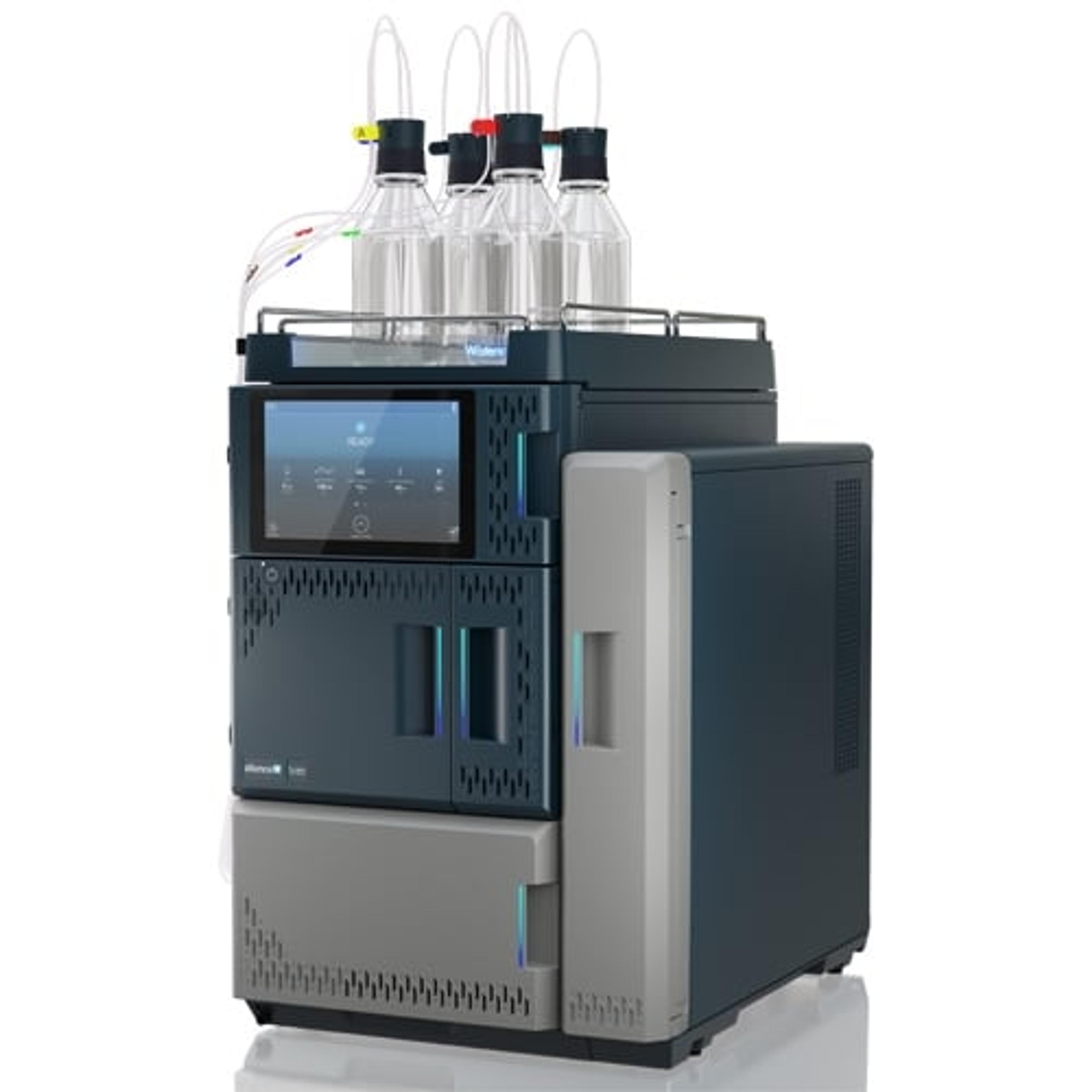
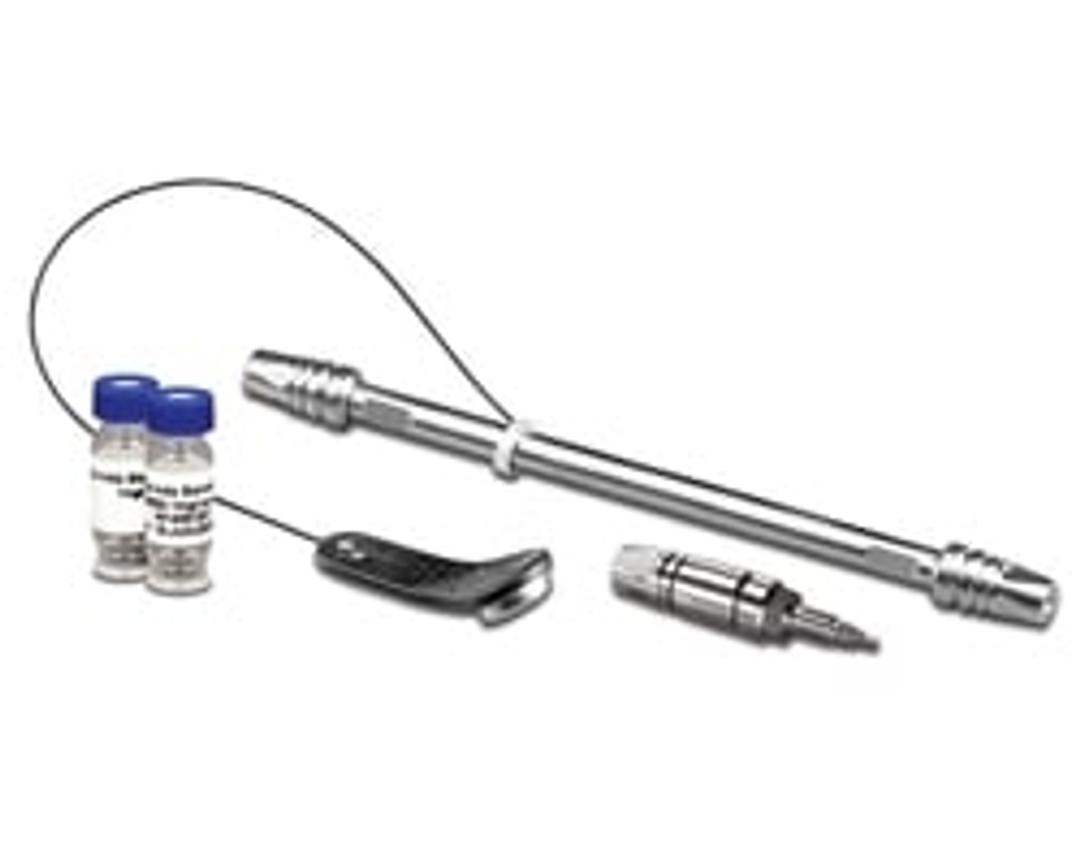
BioResolve Columns
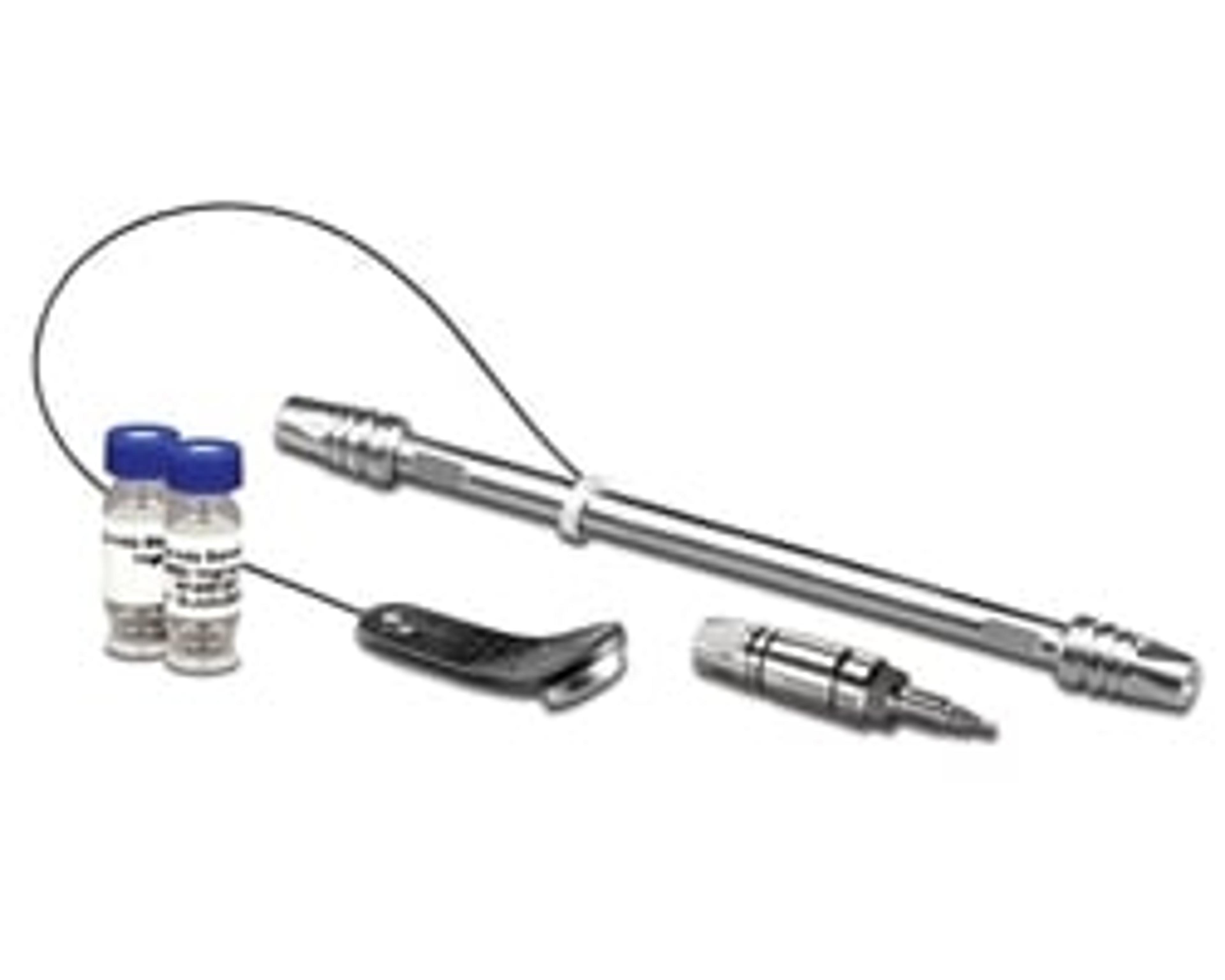
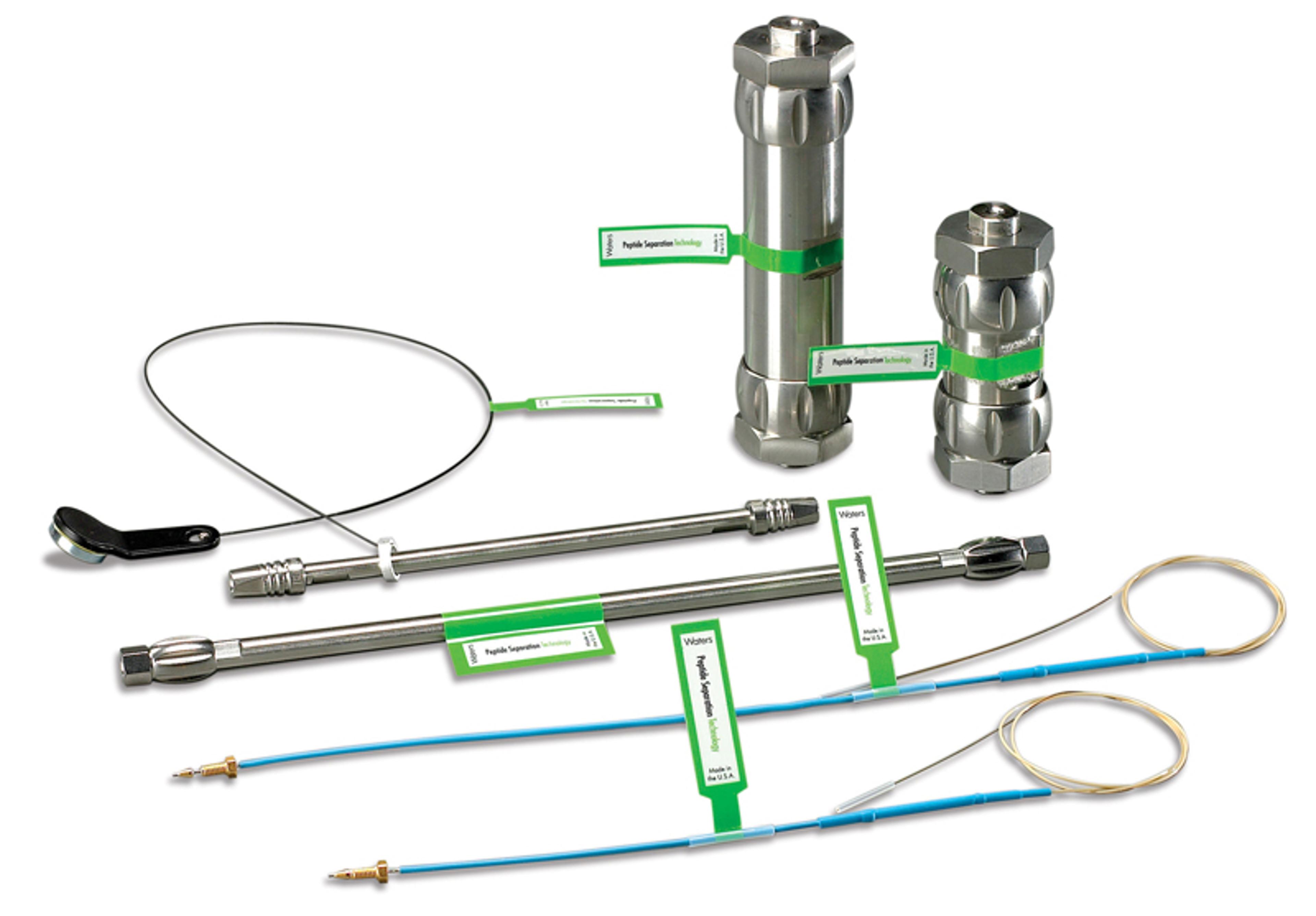
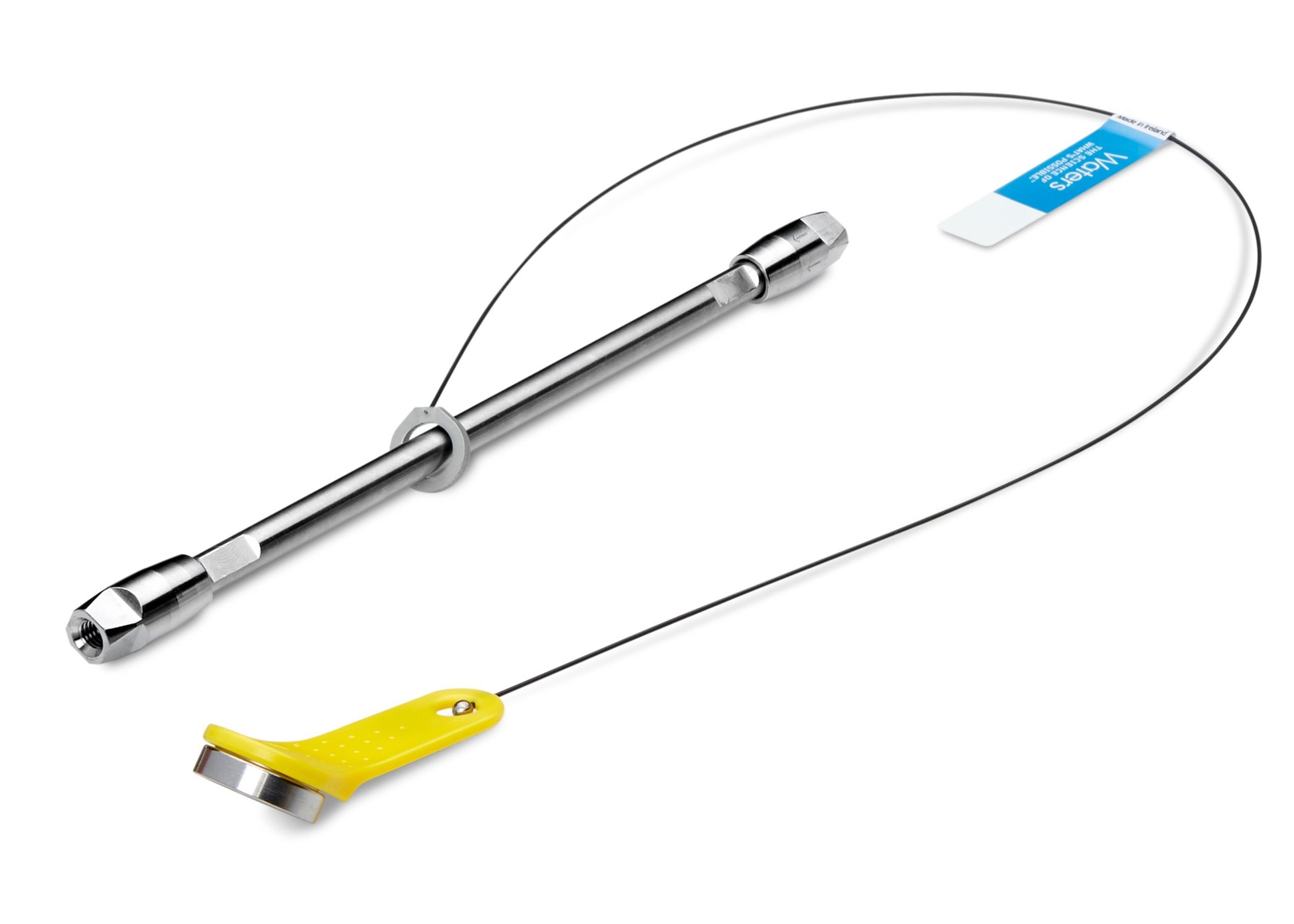
More than just a column - A solution providing application-focused standards, methods, and exclusive support so you can easily and reliably achieve state-of-the-art separations.


Place your order directly with the manufacturer.
Reproducible results
Separate biologics products coupled to mouse IgG subunits.
We had reproducible results and easy handling with this column.
Review Date: 17 Jan 2019 | Waters
The BioResolve RP Column is superior to any RP column on the market.
Chromatography separation
The BioResolve RP Column is superior to any RP column on the market. I have gotten excellent results for separations by LC/MS. This column will be our next platform column. It has superior resolution, recovery, and separation.
Review Date: 20 Dec 2018 | Waters
Shorter analysis times, better resolution
Vaccines and proteins
High quality and reproducible. Easy to use, great application support team at Waters.
Review Date: 18 Oct 2018 | Waters
Good product!
LCMS analysis of IgG
Very good separation of mouse IgG subunits. Need conditioning with intact IgG prior to use to keep nice separation properties.
Review Date: 9 Oct 2018 | Waters
Greatly improved carryover!
MS Analysis of Biotherapeutic
The column - we have a particularly hydrophobic biotherapeutic. Using the traditional C4 column for RP-UPLC and RP-MS methods I always have to run at least three injections of MP A until the carryover has been cleared. With the BioResolve column, this has been reduced to one MP A injection. I have not experienced the added resolution as the analytes are fairly well resolved anyway. Waters - These guys are second to none when it comes to customer service. I've not had any need to troubleshoot any methods with the column so the after sales care has been limited to follow up calls to see how we're getting on with the product, etc. I have previously used their Chemistry Customer Service Team for another product where they significantly helped me with method dev/troubleshooting.
Review Date: 9 Oct 2018 | Waters
Highly recommend this column
Impurities
We had reproducible results and easy handling with this column. No or negligible sample carry-over occurred. We can highly recommend this column and will use it as soon as possible for other projects. We achieved very good results compared to the data of a column we previously used (another manufacturer). We gained much more resolution between the impurities. Before this column, we had a lot of problems with carry-over.
Review Date: 8 Oct 2018 | Waters
Good value
Biologics characterization
More choice to separate biologics products coupled to LC-MS, except for SEC and C4
Review Date: 5 Oct 2018 | Waters
Great results even with complicated samples.
Nanobodies
We purchased this column to characterize our nanobodies which have a molecular weight of around 14 KDa and it worked really well. Even without expecting it when analyzing them by UPLC-MS with the BioResolve column we were able to distinguish two separate peaks corresponding to the wild type nanobody and an N-terminal pyroglutamat form of it which only differs on 17 units of mass. With that we can say that this column has a really good resolution and is able to distinguish between two close species which may be really useful when working with antibody's modifications.
Review Date: 5 Oct 2018 | Waters
The resolution and recovery of subunits analysis met our expectations.
Analyzed mAb for the modification of subunits
The resolution of BioResolve column is much better than C4 columns. We achieved reproducible results for subunits analysis when using HPLC and UPLC. The assay robustness is fine with three different lots of columns. Comparing to the similar columns, the cost of column is reasonable.
Review Date: 5 Oct 2018 | Waters
Slightly better than typical RP column, needs adjusted parameters for proteins
RP assay for biopharmaceutical protein candidate
We evaluated the BioResolve column on one protein using a reduced / alkylated (subunit-like) method. Slightly better peak resolution was observed on highly glycosylated protein, and needed to lower flow rate and column temperature.
Review Date: 3 Oct 2018 | Waters
Protein Reversed-Phase Columns
Reversed-phase chromatography of proteins, performed on columns packed with porous or coated, solid-core particles possessing wide pore size particles ( e.g., 300Å), and functionalized with short ligand length chemistries (e.g., C4), is a separation technique based on the ability to separate samples based on relative hydrophobic differences of the proteins in solution. Gradients of increasing organic solvent concentration are frequently used to affect separations in the presence of ion-pairing reagents (e.g., 0.1% TFA or 0.1% formic acid) that minimize undesired ionic interactions. In general, the hydrophobicity of the protein or protein subunit determines the elution order, with the least hydrophobic proteins eluting first. Factors such as particle composition, pore size, ligand type and density, as well as separation conditions (e.g., gradient duration, separation temperature, flow rate) all play important roles in obtaining a separation that meets application requirements.
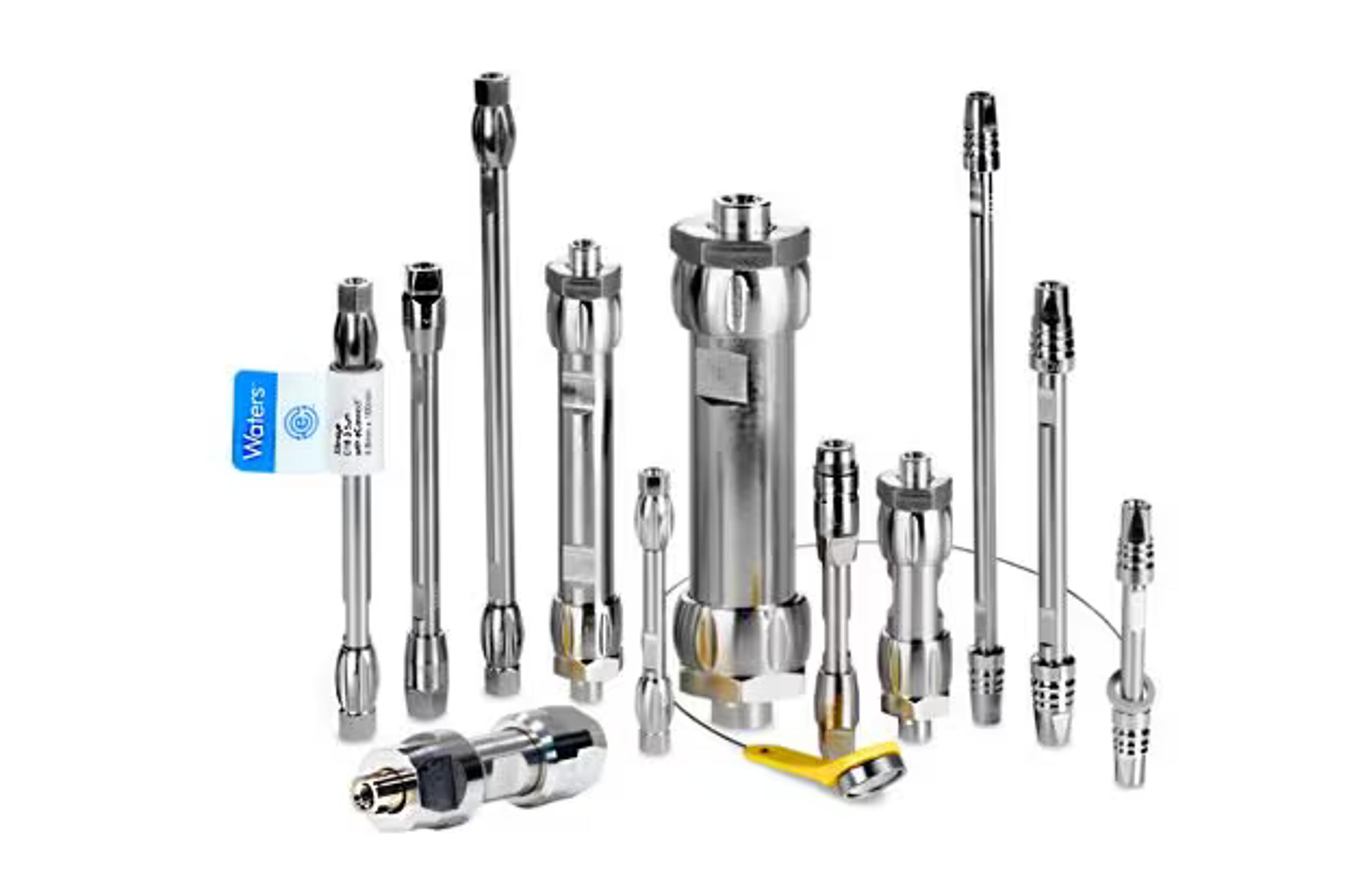
BioResolve RP mAb Polyphenyl Columns
These 450Å, 2.7 µm columns were developed in response to shortcomings of existing reversed-phase columns designed for LC or LC-MS analysis of intact mAb or mAb subunits.
- Contain silica-based, solid core particles with defined 450Å pore coating for outstanding protein component resolution, recovery, and low injection-to-injection carryover
- Use innovative polyphenyl ligand and bonding technology (patent pending) to deliver superior intact mAb and subunits separations in LC (0.1% TFA) or LC-MS (0.02% TFA or 0.1% FA) applications
- Deliver near equivalent performance on HPLC, UHPLC, and UPLC instrumentation
- QC tested with a mAb subunit standard (i.e., Reduced IdeS-digested NIST mAb Reference Material 8671) to help ensure batch-to-batch column consistency
Analysis and characterization of GLP-1 receptor agonists
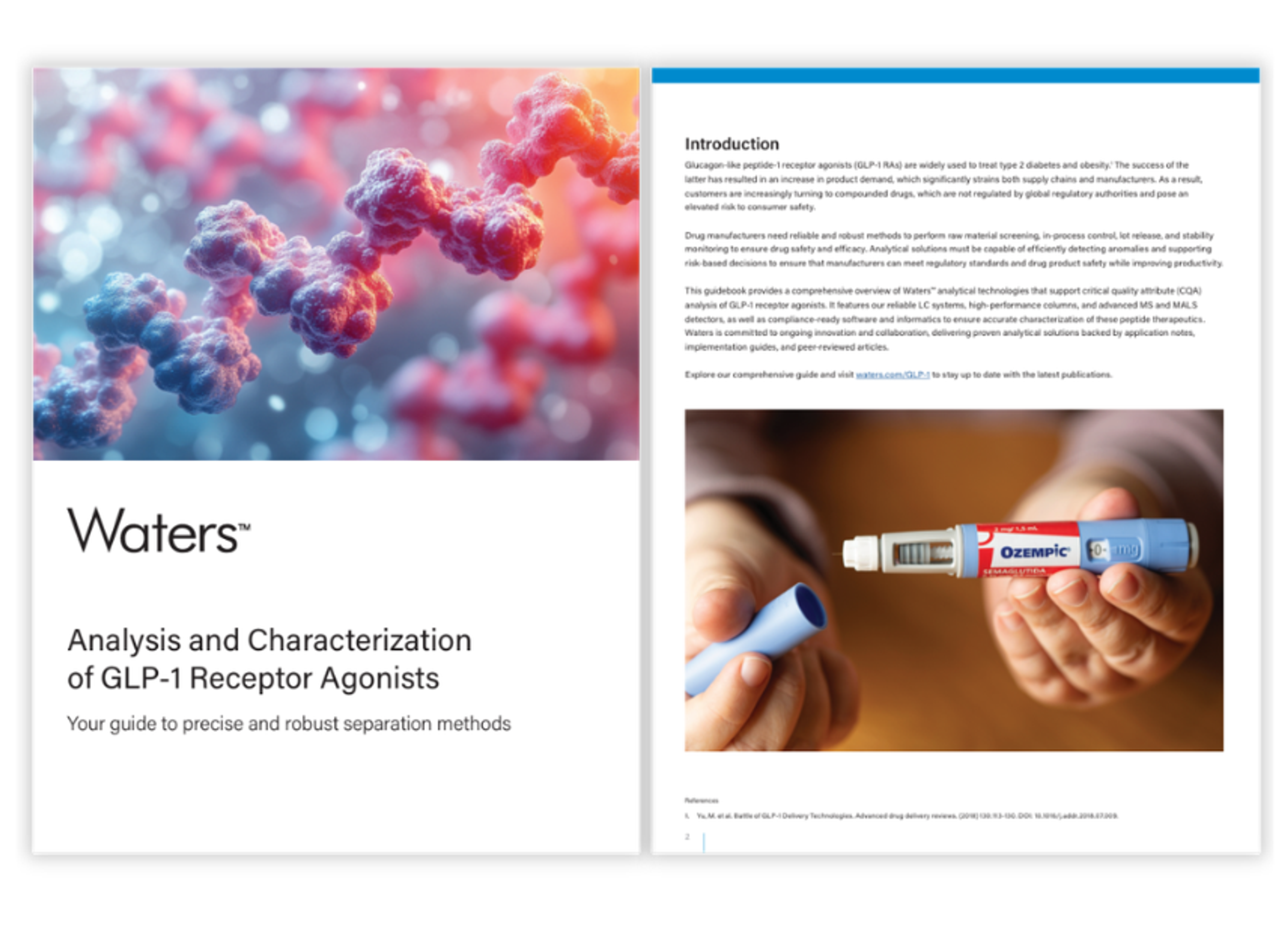
This resource by Waters presents a comprehensive analytical workflow for the analysis and characterization of GLP-1 receptor agonists (GLP-1 RAs), including therapies such as semaglutide, liraglutide, exenatide, dulaglutide, and tirzepatide. It focuses on critical quality attributes (CQAs) including identity, purity, stability, and safety. It also demonstrates how reversed-phase liquid chromatography–mass spectrometry (RPLC-MS), amino acid analysis, peptide mapping, and size-exclusion chromatography with multi-angle light scattering (SEC-MALS) can be used to detect impurities, confirm peptide identity, monitor degradation, and characterize oligomers and aggregates.
Resource details:
- Resource type: Application note
- Page count: 15
- Read time: 26 mins
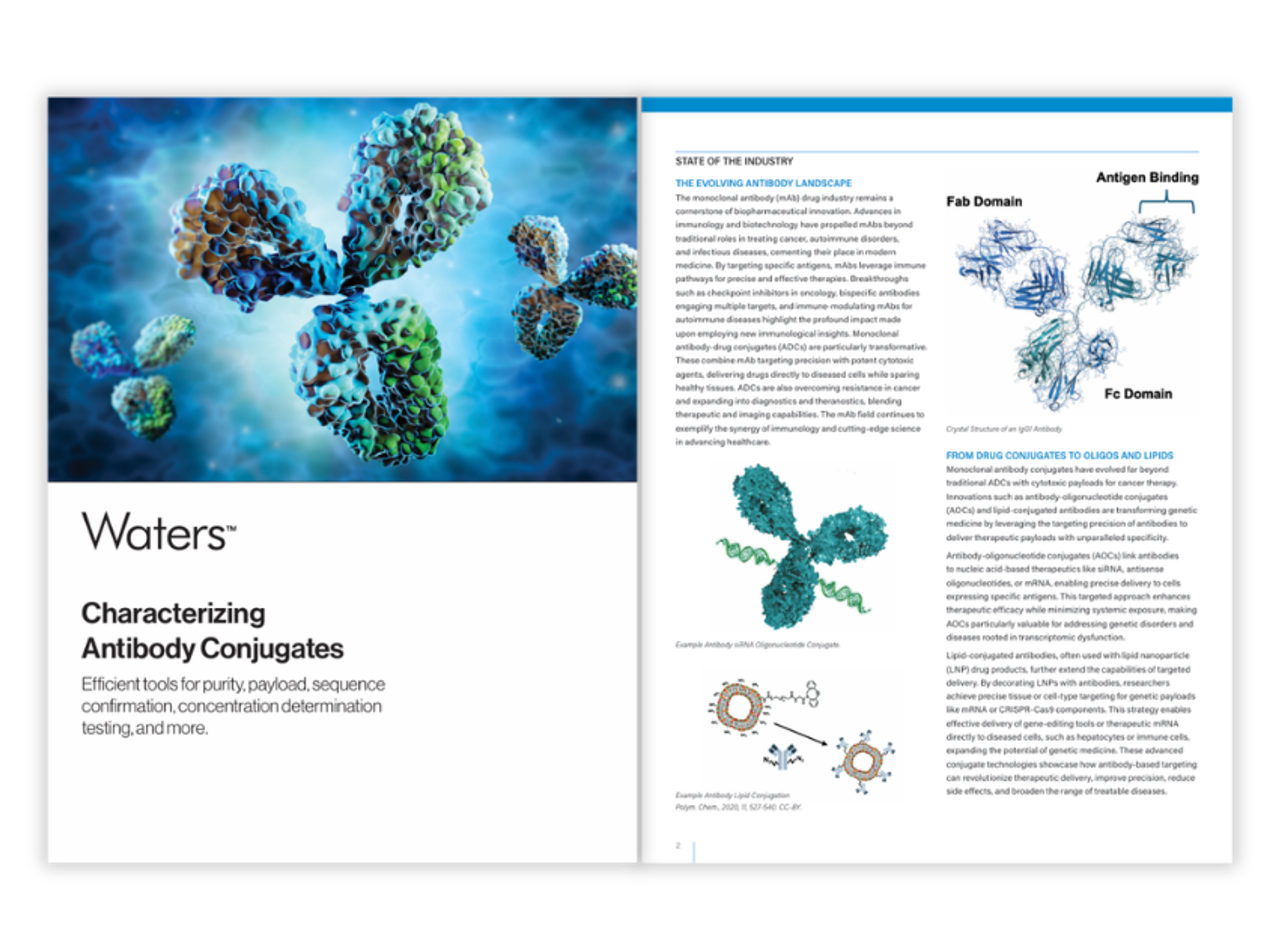
A guide to analytical approaches for characterizing antibody conjugates
This guidebook explores analytical strategies for characterizing antibody conjugates, including antibody-drug conjugates (ADCs) and antibody oligonucleotide conjugates (AOCs). It highlights key chromatography and mass spectrometry techniques — such as hydrophobic interaction chromatography, size-exclusion chromatography, reversed-phase LC, and peptide mapping — to assess critical quality attributes including drug-to-antibody ratio, aggregation, and conjugation sites. The guide also examines emerging workflows for complex bioconjugates, supporting improved development, quality control, and regulatory readiness in biopharmaceutical research.
Resource details:
- Resource type: Guidebook
- Page count: 12 pages
- Read time: 18 mins

A direct IEX-MS method for the detection of mAb charge variants
This application note demonstrates a direct IEX-MS method with broad utility for the successful detection of mAb charge variants. Platform methods can be easily developed using the BioResolve SCX mAb Column, IonHance CX-MS pH Concentrates, and BioAccord LC-MS System which provide robust and reproducible separations along with high quality mass spectra in the elucidation of various mAb-charge variant species.
Practical considerations for optimizing MS quality during IEX-MS
When it comes to optimizing MS quality in an IEX-MS analysis, considerations need to be made around mobile phases, labware, and reagent quality at all levels. The use of IonHance CX-MS buffers, the substitution of non-volatile salts during sample preparation steps, and the replacement of glass for certified thermoplastics can lead to substantive improvements in spectral quality. This application note demonstrates the benefits of using MS-grade reagents, certified plasticware, and tai
BioResolve - More Than Just a Column
In this Inforgaphic, Waters Corporation present BioResolve Columns. A comprehensive solution for reversed-phase separations of intact monoclonal antibodies (mAbs) and subunits.
TechTalk: Clear the noise for better chromatographic separation of GLP‑1 receptor agonists and insulin impurities
Friday, June 12 at 14:00 BST | 15:00 CEST | 09:00 EDT | 06:00 PDT
In the race to launch GLP‑1 generics and novel agonists, complex impurity analyses can directly impact your speed to market. Conventional columns often obscure peaks of critical impurities, leading to costly rework and increased regulatory scrutiny.
Join this SelectScience® TechTalk and discover new analytical tools designed to streamline your process and deliver reproducible, high-resolution separations of GLP‑1 receptor agonists (GLP-1 RAs) and insulin-related impurities – without relying on suppressive mobile‑phase additives. Michael Zagieboylo, Principal Product Manager at Waters Corporation, will share how improved resolution can accelerate method development, increase confidence in your results, and support faster time to market for your GLP-1 RA and insulin products.
Certificate of attendance
If you attend the live TechTalk, you will automatically receive a certificate of attendance, including a learning outcomes summary, for continuing education purposes.
If you view the on-demand TechTalk, you can request a certificate of attendance by emailing editor@selectscience.net.
TechTalk details
- Cost: Free to attend
- Location: Online
- Duration: 20 minutes
Registration is required to secure your place. If you register but can’t attend live, you will receive a link to the on‑demand recording once it becomes available.

Webinar Highlights: SelectScience Speaks to Leading Experts on the Latest Reversed-Phase Columns for Protein Separation
Learn the impact of column technology design on protein RPLC