5110 ICP-OES
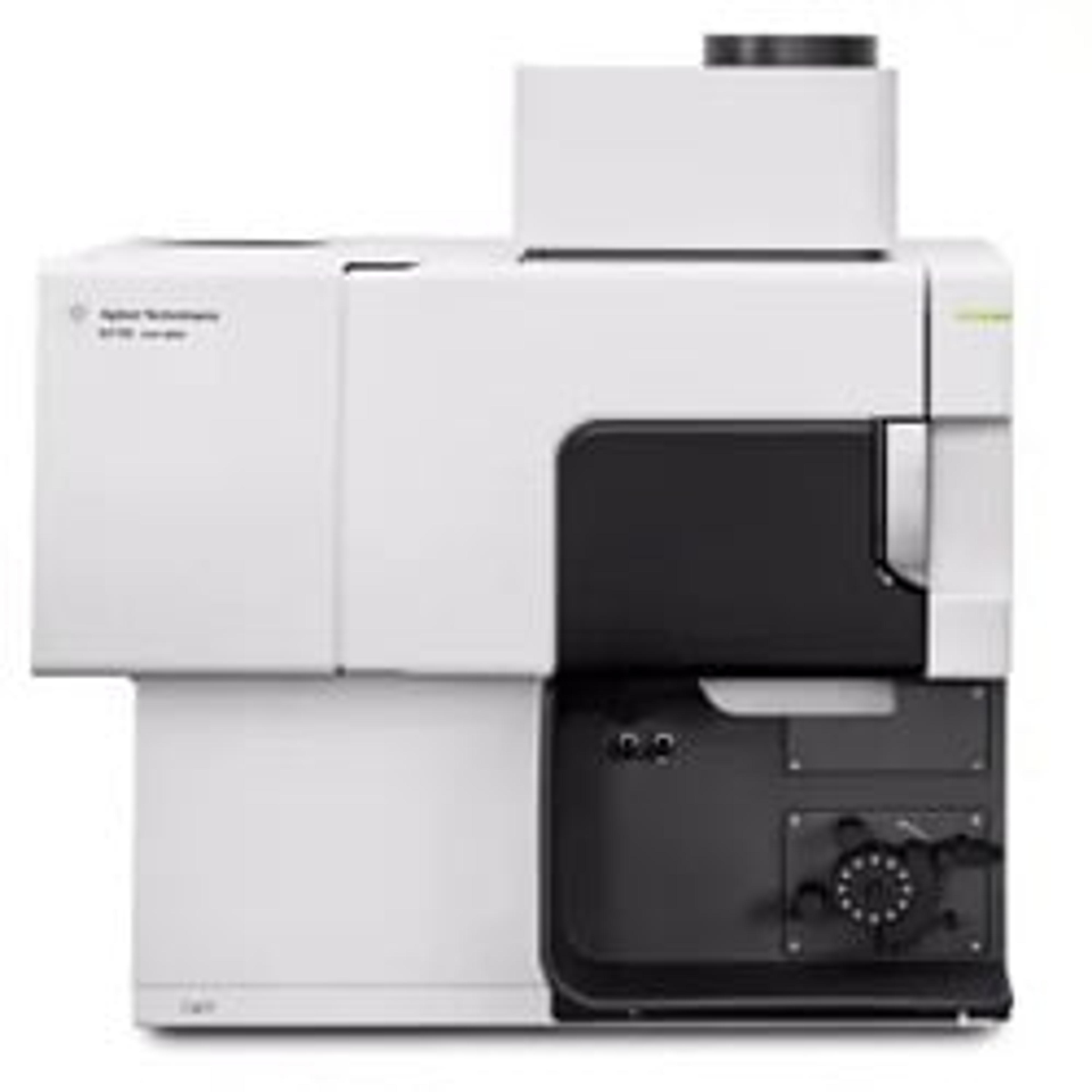
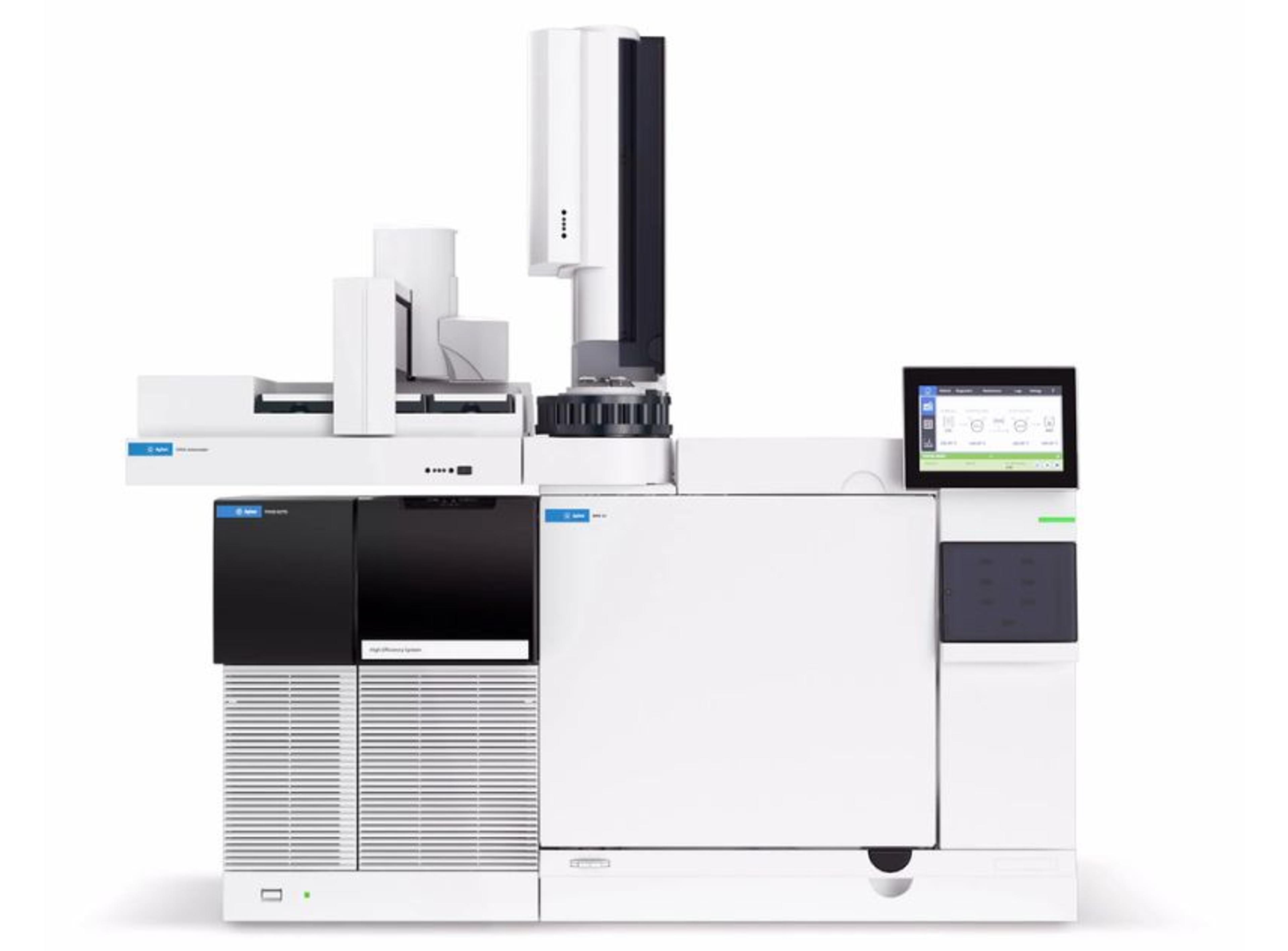
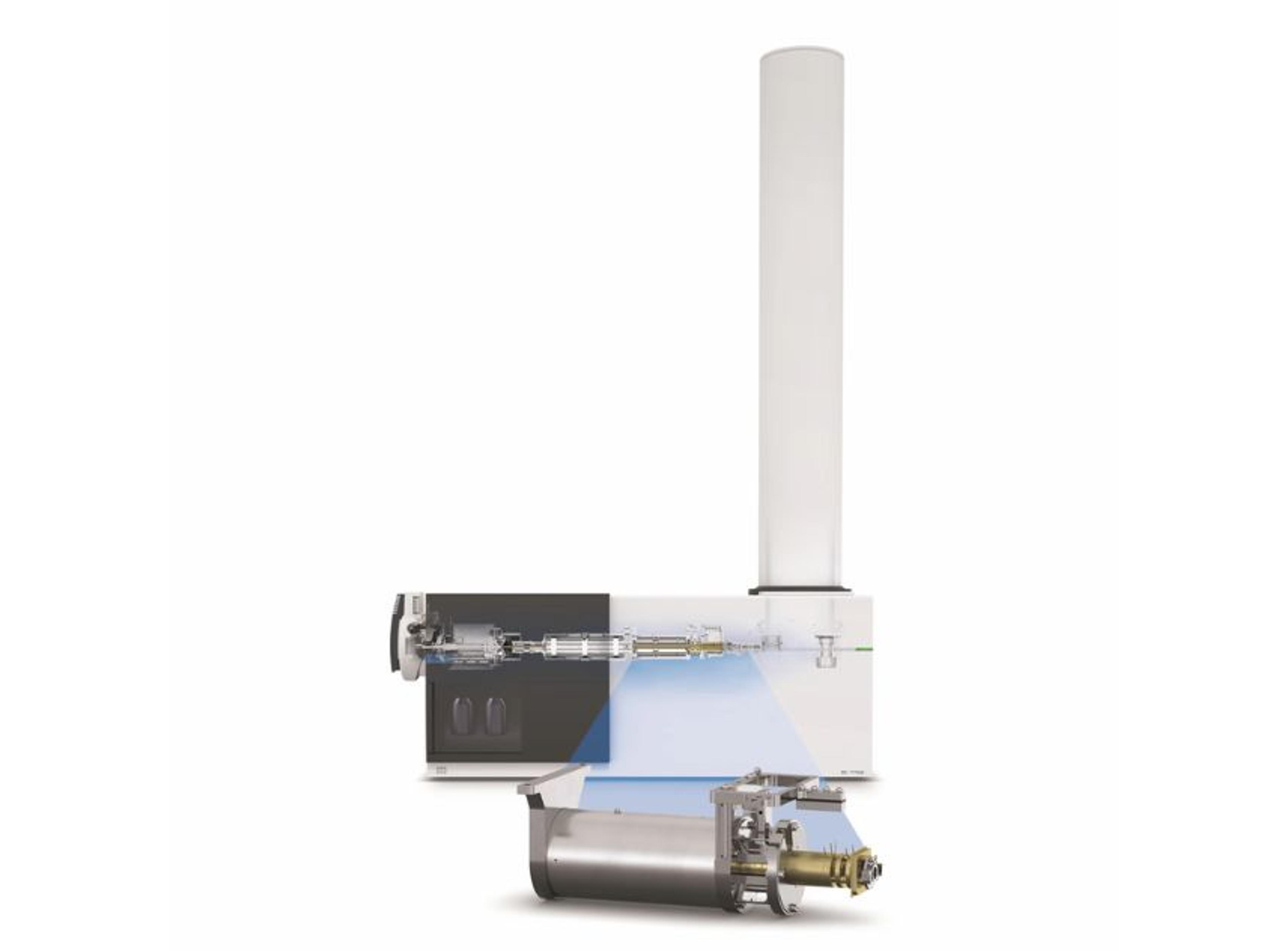
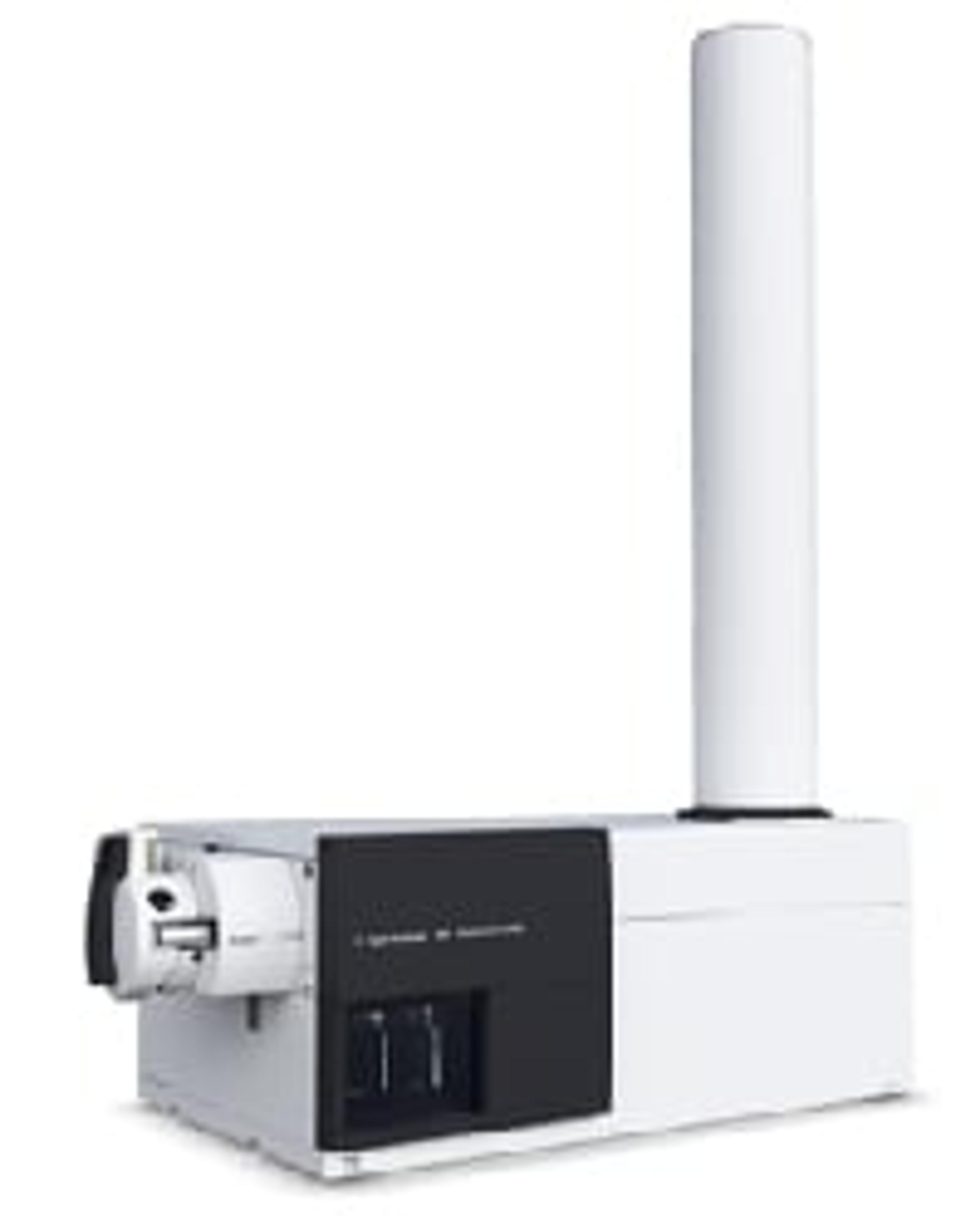
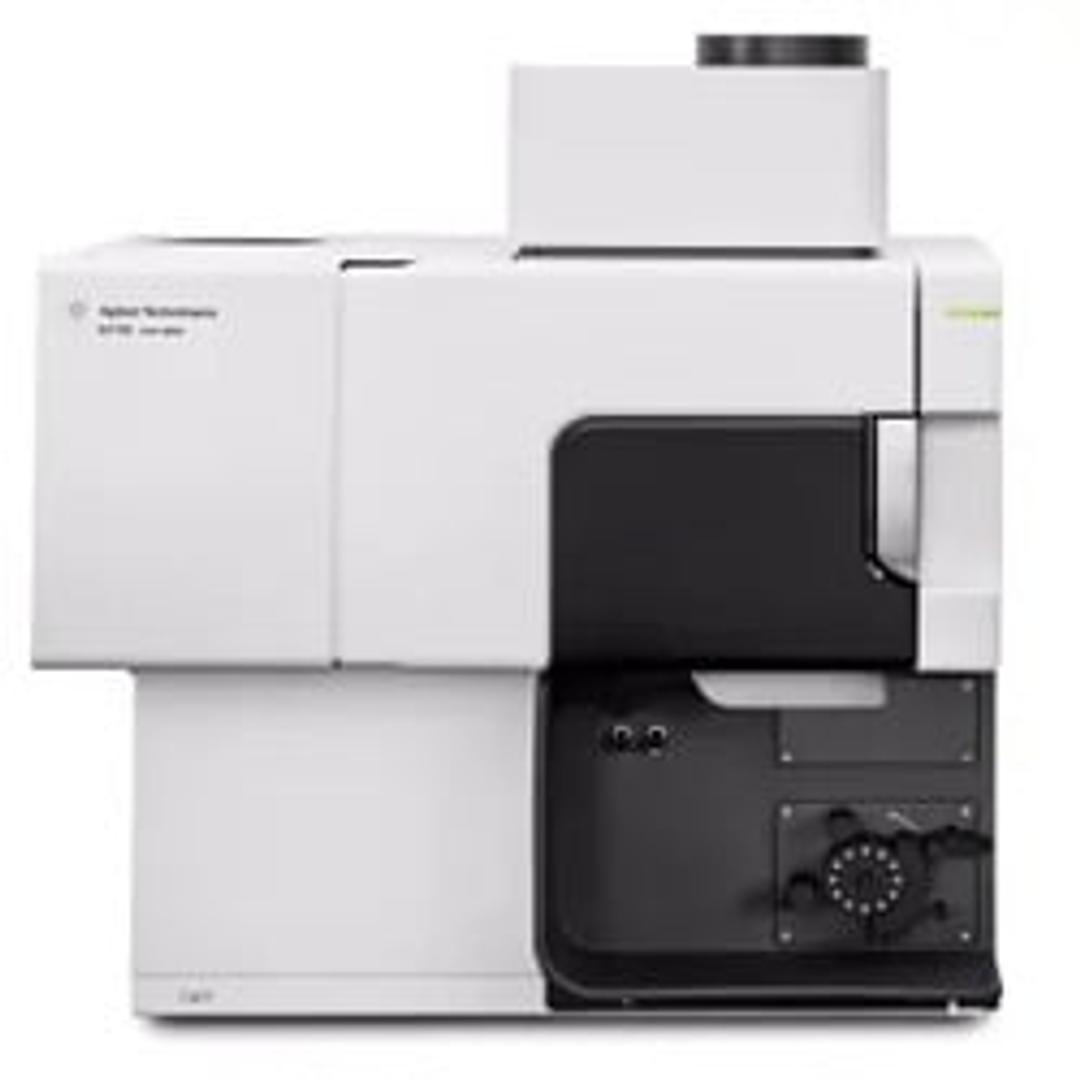
The Agilent 5110 ICP-OES Instrument features unique Dichroic Spectral Combiner (DSC) technology that enables synchronous radial and axial measurements.

Receive your quote directly from the manufacturer.
Excellent
Water analysis and monitoring metal content in slush Pulp. This ICP used for daily operational QC
Valuable for money, esay to operate and high accuracy
Review Date: 19 Apr 2023 | Agilent Technologies
Achieve a good quality results on time to satisfy sponsor commitment
Analyse metal ions in Pesticide formulation and technical materials
Easy to handle and highly sensitive to the application oriented. Best in class to provide quality data and value for the money. Downtime in nil to routine monitoring of service team. Consider the scientific technology for the ease of business and academic wellness.
Review Date: 13 Dec 2022 | Agilent Technologies
Great results, excellent price/value ratio
Speciation of elements
It is a very powerful system, we analyze food contact materials and it is very effective on this task. We produce very confident results. The software is very easy and very intuitive. Highly recomend this brand.
Review Date: 7 Dec 2022 | Agilent Technologies
Great tool for metal analysis with high precision results.
Oleochemical heavy metal analysis
It is a powerful tool for the determination of metals in a variety of different sample matrices. The multielement analysis of water is one of the major applications for inductively coupled plasma-optical emission spectroscopy (ICP-OES), describes the analysis of metals and trace elements in drinking water in terms of sensitivity, precision, and accuracy.
Review Date: 24 May 2022 | Agilent Technologies
Accurate results, excellent customer care, good value of the money
Food Analysis
The product is really effective and easy to use. It helps us to have accurate and fast results. In the context of food analysis Agilent ICP-OES is one of the most effective instruments.
Review Date: 19 Jan 2022 | Agilent Technologies
Best instrument compared with all its competitors
Analyze metals in mining samples
Very user friendly. You can easily reprocess the data. Plasma is very stable and gives great results even without the use of internal std. It boosts lab productivity. The only negative issue was with autosampler which has the boards on top and even with the use of fume hood it is very sensitive to the oxidative environment.
Review Date: 12 Dec 2021 | Agilent Technologies
Instrument performs well, as expected!
Environmental Analysis
As always, Agilent delivers. Instrument is very reliable and software creates an ease of use, with functionality that is unmatched. Very excited for this instrument to take the load away from the ICP-MS for dirty samples.
Review Date: 15 Nov 2021 | Agilent Technologies
Excellent instrument, with great support!
Environmental analysis
Instrument set-up was very easy. Support has been very good. Instrument has great range and decent detection limit for EPA 200.7.
Review Date: 18 Jun 2021 | Agilent Technologies
An excellent instrument with a great sensitivity / productivity ratio.
Environmental water, soils and plants
It is a very easy-to-use device, with a very intuitive interface. A very good level of sensitivity and above all, great robustness.
Review Date: 19 Mar 2021 | Agilent Technologies
The most trouble-free part of my day!
Analyze mineral content in feeds and biologicals
Hands-down the most reliable instrument I have ever run. Easy to use, fast and extremely reliable!
Review Date: 15 Mar 2021 | Agilent Technologies
The Agilent 5110 ICP-OES Instrument features unique Dichroic Spectral Combiner (DSC) technology that enables synchronous radial and axial measurements. Combined with a vertical torch and high speed, zero gas consumption VistaChip II CCD detector, the 5110 ICP-OES (also referred to as ICP-AES) runs even your toughest samples up to 55% faster using 50% less argon, without any compromise on analytical performance.
Features:
- Run the fastest ICP-OES analysis with the unique Dichroic Spectral Combiner (DSC) that enables synchronous radial and axial measurements
- Reduce your running costs and boost productivity by minimizing sample uptake, stabilization times, and rinse delays using the optional Advanced Valve System (AVS) – featuring controlled bubble injection to achieve the highest analytical precision.
- Measure your toughest samples with a vertical torch – from high matrix to volatile organic solvents
- Achieve long term analytical stability with a solid-state RF system that delivers a robust plasma
- Start analysis immediately with the easy to use, intuitive software design with application specific software applets that can be run with minimal training
- Take the guess work out of method development with intuitive ICP Expert software and our DSC technology
- See all elements in your sample at a glance with an IntelliQuant mode that simplifies method development and enables rapid sample screening
- The 5110 is available in three flexible configurations: Synchronous Vertical Dual View, Vertical Dual View and Radial View.
Brochures

Agilent automation for ICP workflows
Agilent Technologies offers a completely integrated ICP workflow automation system – comprising hardware, software, and support – designed to free up analysts for more productive pursuits. Agilent's simple and reliable single-vendor solution integrates automated calibration, dilution, analysis, and reporting to lower cost-per-sample and turnaround time while improving the quality of results. Explore the features of Agilent's ICP workflow automation system, comprising the ADS 2 Autodilutor, Advanced Valve System, and SPS 4 Autosampler, fully integrated with the ICP-OES and ICP-MS instruments. Learn how the system can increase productivity and improve workflow efficiency in the lab.
Capabilities and operation of Agilent's Advanced Dilution System 2
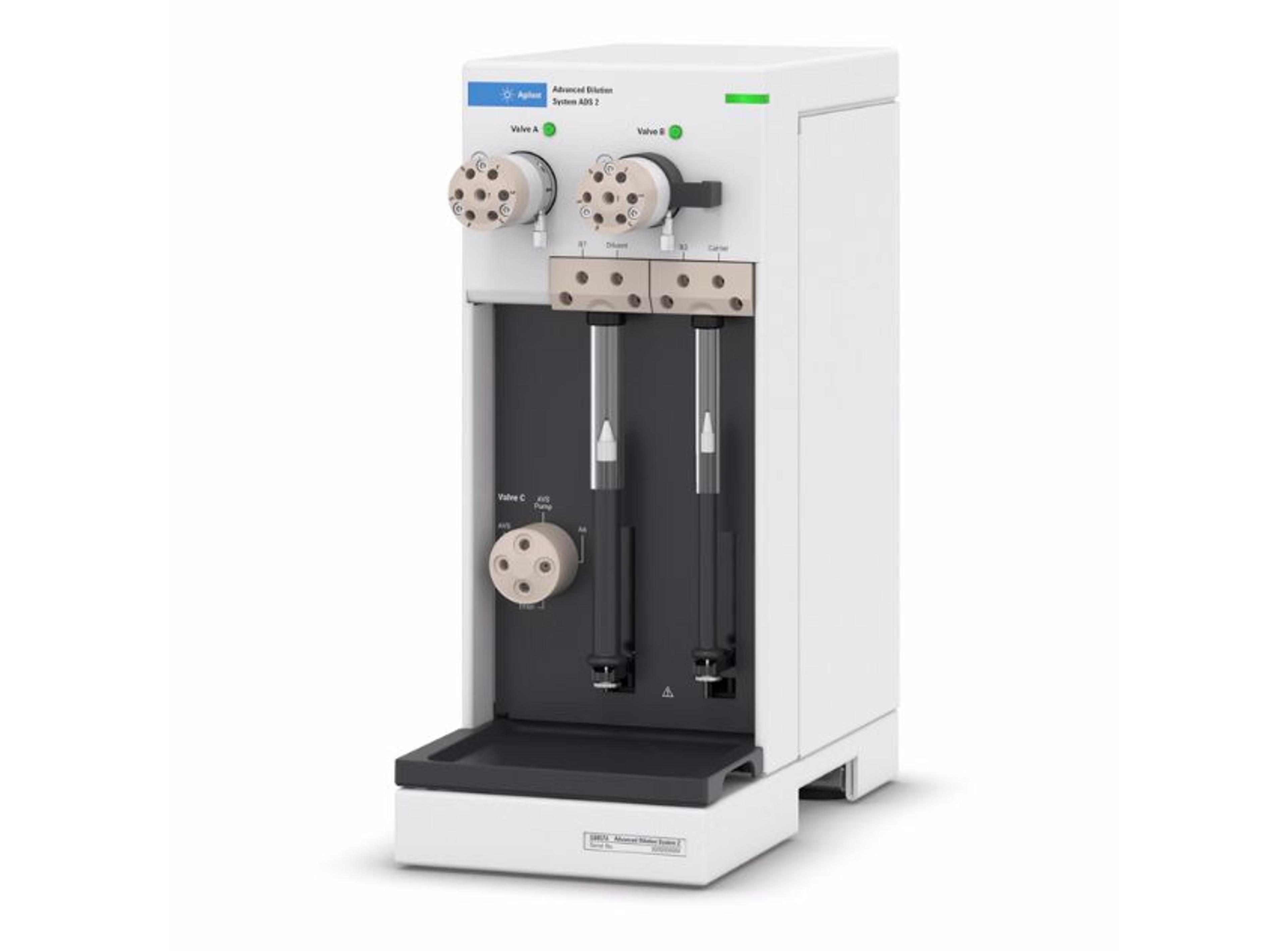
To increase the efficiency of labs equipped with Agilent ICP-OES or ICP-MS instrumentation, Agilent Technologies has developed the Advanced Dilution System 2 (ADS 2) – a fully integrated inline autodilution system designed for routine, high-throughput applications. The ADS 2 can automatically dilute stock standards and samples up to 400 times, making it ideal for the auto-preparation of calibration standards and samples, or dilution of over-range samples. Explore the features, applications, and benefits of AGS 2 that are helping to automate calibration and sample dilution for ICP-OES and ICP-MS technologies.
9 ICP-OES functions you need to know about
With the increasing sophistication of instrument software, it can be difficult to keep up with all the powerful functionality that could be making your life easier. Download this application note to find out the top 9 functions you should know about. Most of them are available on all manufacturers’ current ICP-OES instruments.
How to choose the right atomic spectroscopy technique?
Atomic spectroscopy describes several analytical techniques used to determine the elemental composition of a sample by examining its electromagnetic spectrum or its mass spectrum. In this application note, Agilent describes the best method for selecting the correct atomic spectroscopy technique for your needs.
How to stop wasting time remeasuring ICP-OES samples
In an online poll, conducted in 2019, over 200 respondents indicated the percentage of ICP-OES samples they were having to measure more than once. On average, they were remeasuring 15% of their samples. Are you spending too much time remeasuring samples when you could be spending it on valuable work? Find out how to solve this problem and save time, by downloading Agilent's new eBook.
How to reduce ICP-OES remeasurement caused by sample problems and errors
Inductively coupled plasma optical emission spectroscopy (ICP-OES) is a well-established technique for the measurement of elements in solution. However, many scientists can end up having to spend hours of valuable lab time preparing and remeasuring samples. This eBook can help: download it now for tips and tricks from an ICP-OES expert on how to prevent the time-wasting remeasurement of samples.
How to prevent common ICP-OES instrument problems
Agilent's service data indicates that up to 30% of ICP-OES service calls are unnecessary and that the instrument operator could have avoided the problem if only they knew how. Save yourself the time and hassle of a service call by downloading this eBook listing the common instrument problems and expert tips on how to steer clear of them.
Determination of major and minor elements in HF-digested soil samples
The accurate elemental analysis of soil and rock samples can depend on reliable and reproducible sample preparation methods. If silicate-based minerals are likely to be present in the samples, laboratories must use hydrofluoric (HF) acid during sample preparation to ensure complete sample dissolution. Regulated methods, such as US EPA 3052, require the use of HF to achieve total sample decomposition.
Improved accuracy in the measurement of wear metals and additives in lubricant oils by ICP-OES
In this study, a series of used lubricant and hydraulic oil samples were analyzed using an Agilent 5800 Radial View (RV) ICP-OES. The IntelliQuant software routine was used to identify interferences and suggest the most appropriate wavelength for the analysis. The extra information provided by IntelliQuant ensures that high-quality results are produced first time, without rerunning samples or standards.
Analysis of Four Elements in Brine Using the Agilent 5100 ICP-OES
In this application note, the accuracy and robustness of the Agilent 5100 ICP-OES were evaluated for the determination of Ca, Mg, Sr and Si in brine. This technique can be used prior to the chloralkali process, an industrial process for the electrolysis of NaCl used to produce chlorine and sodium hydroxide (caustic soda), to ensure a high degree of purity in the sodium chloride solution.
Discover unknown elements in your samples before they cause trouble
Got an ICP-OES sample from a new source? Not sure if there are any elements in it that might cause interferences?
In this video, Agilent Technologies provides an insight into how to use its Intelliquant screening software to determine all the elements in an unknown sample along with their concentrations. This promises to quickly screen ICP-OES samples without the need for any method development or element selection.
How to get quality control on every sample
Agilent Technologies’ ICP-OES IntelliQuant Routine helps to improve the efficiency of your analysis.
In this video, discover how to get quality control on the results for every sample you measure using ICP-OES without making up any extra solutions.

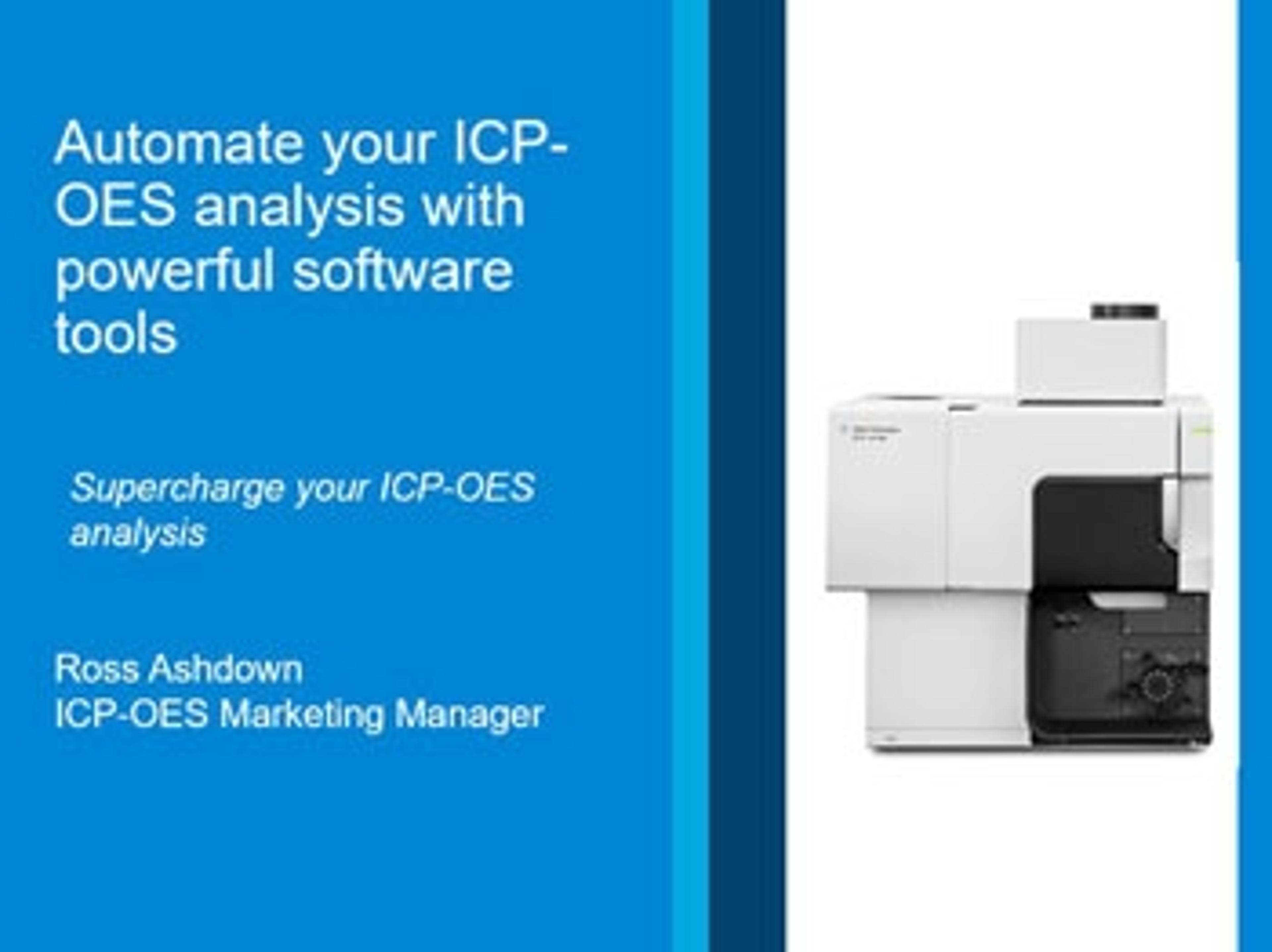
Agilent announces new generation of ICP-OES systems with improved instrument intelligence
The new smart capabilities aim to deliver deep insight into samples, processes and operational status
Agilent Technologies Introduces New Atomic Spectroscopy Platform for Multiple Analytical Applications
Instrument delivers greater speed and precision than any other ICP-OES system