
Xyall and Indica Labs forge global collaboration

The partnership is designed to bridge the gap between histopathology and molecular pathology

18 Apr 2023

Lawrence Howes
Editorial Assistant

Industry news

Xyall and Indica Labs have entered into a global strategic partnership to unite Xyall’s automated tissue dissection solutions with Indica Labs’ AI-powered, diagnostic digital pathology platform.

Selecting tumor tissue is at the heart of molecular diagnostic testing. The collaboration will enable molecular laboratories to benefit from a fully digital and automated workflow for tissue macro dissection for molecular diagnostic testing, providing increased throughput and accuracy at lower operational cost.

While the field of molecular diagnostics has seen great advances in next-generation sequencing technology, alongside the rapid adoption of digital pathology, tissue dissection has remained a manual, labor-intensive process, with limited precision and a high sensitivity to errors.

The partnership enables Xyall automated Tissector tissue dissection solutions to capitalize on the HALO AP® anatomic pathology image management and workflow software from Indica Labs, which facilitates primary diagnosis, remote slide review, case sign-out and more.

Xyall offers two solutions that enable molecular pathology laboratories to fully automate their tumor tissue dissection workflow. Its Tissector High Throughput (HT) system has been designed to meet the needs of high-volume molecular laboratories. The combined Tissector HT and HALO AP systems are already in use in a large commercial lab setting.The latest Xyall platform, the compact Tissector Table Top (TT) solution, is designed to meet the needs of lower-volume molecular laboratories.

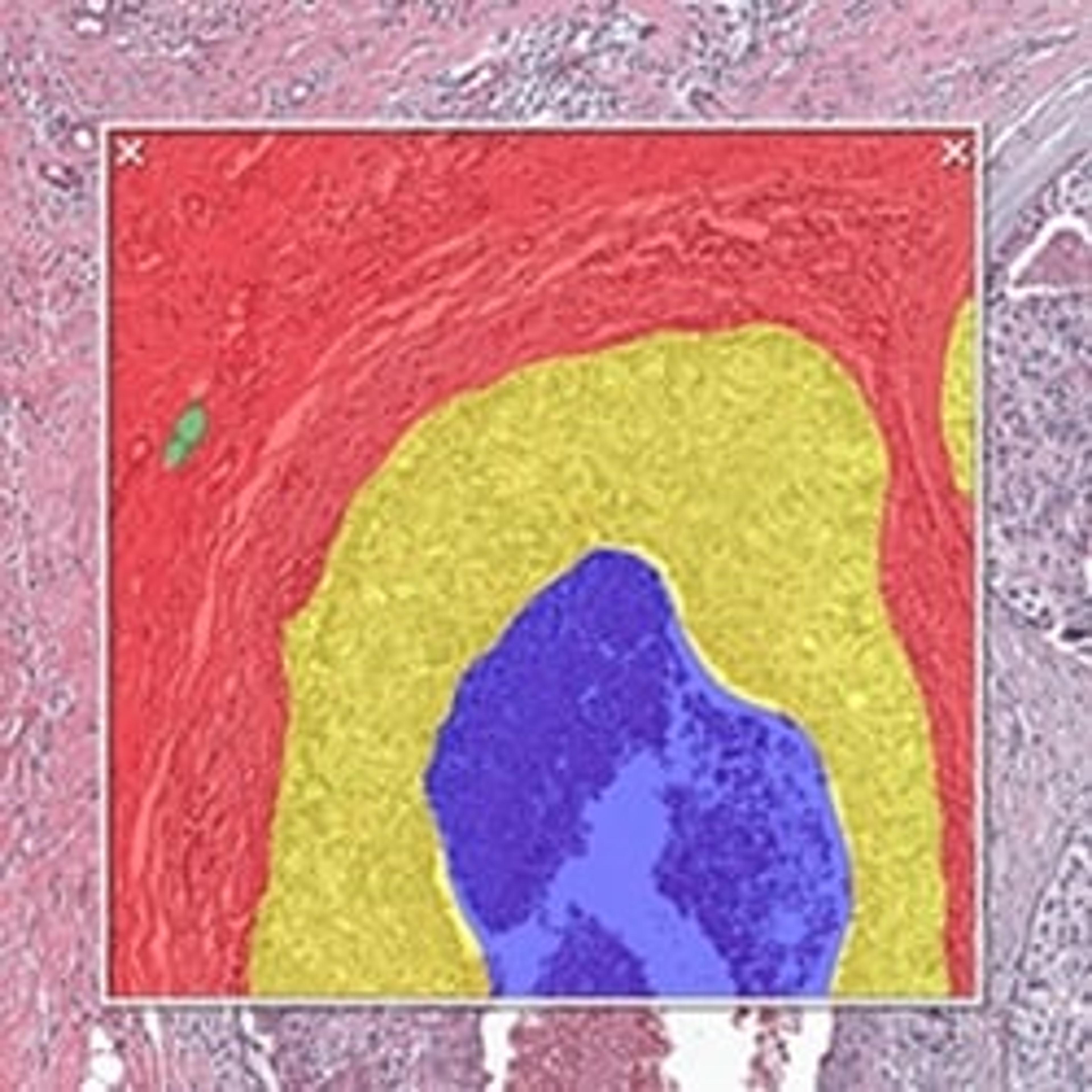
The HALO AP is a CE-IVD-certified software platform that brings remote slide review, case-centric digital pathology slide management, collaboration and AI-powered quantitative image analysis to anatomic pathology labs worldwide. HALO AP features a streamlined user interface that makes analysis and annotation of slides simple and easy. Slide annotations from HALO AP are automatically simplified and transferred to the Tissector system for tumor tissue dissection. Future deployments including tumor-detecting AI and cell-quantification algorithms via the HALO AP workflow-based interface promise pathologists even more tools for tumor content assessment.
Want the latest science news straight to your inbox? Become a SelectScience member for free today>>

HALO AI

Neural network driven tissue and cell classification for research & routine pathology

(5)

Links

Tags

Cell / Tissue CultureCell culture or tissue culture is used to study the biology of cells or tissues and to isolate cellular products in an environment which can be manipulated and well defined. Accurately control your culture environment with bioreactors or culture incubators, bind your cells to a surface or together with an extracellular matrix. Distinguish cell types with differential media or proliferate cells with certain characteristics using selective media. Enrich your media with supplements such as growth factors, sera and vitamins. Find the best cell and tissue culture products, kits and equipment in our peer-reviewed product directory: compare products, check customer reviews and receive pricing direct from manufacturers.Integration ServicesIncorporate lab systems, software and equipment with integration services.Cellular PathologyCellular Pathology deals with the microscopic analysis of tissue samples and cells. Sample preparation and processing includes fixation, staining, sectioning and slide mounting, using equipment such microtomes and cryostats. In choosing immunohistochemistry and immunocytochemistry kits, consider chromogens, staining method, antibodies, microscopes and imaging.Development SoftwareComputational techniques used in both the chemistry and biology aspects of drug development, for data acquisition, data analysis, processing and storage. Software is used for analysis of ADME results, toxicology, clinical trials and regulatory processes. Artificial Intelligence / Machine LearningArtificial intelligence (AI) and machine learning (ML) are transformative technologies used to analyze complex data, identify patterns, and make data-driven predictions across diverse scientific fields. Automate the analysis of large or complex data sets using AI algorithms and leverage machine learning models to improve diagnostics, accelerate drug discovery, and refine experimental design. Discover the best AI/ML software, platforms, and analytical tools in our peer-reviewed product directory: compare features, read customer reviews, and request pricing directly from manufacturers.Tissue ProcessingTissue processing involves preparing biological tissue samples for microscopic analysis, including fixation, embedding, and sectioning. This process is essential for histopathology and diagnostic applications. Explore tissue processing products in our peer-reviewed product directory; compare products, check reviews, and get pricing directly from manufacturers.Digital PathologyDigital pathology involves the use of digital imaging and computational tools to analyze pathology slides. It is transforming diagnostics, research, and education by offering enhanced image storage and analysis. Explore digital pathology solutions in our peer-reviewed product directory; compare products, check reviews, and get pricing directly from manufacturers.TumorsTumor research focuses on understanding abnormal cell growth that leads to cancer. Identifying biomarkers, studying tumor microenvironments, and developing targeted therapies are critical for advancing cancer treatment. Early detection and personalized treatment options are key to improving outcomes for patients. Browse our peer-reviewed product directory to explore tools for tumor research, diagnostics, and cancer therapies; compare products, read customer reviews, and get pricing directly from manufacturers.Cancer ResearchAlthough cancer is often referred to as a single condition, it actually consists of more than 100 different diseases. Microscopy, mass spectrometry, high throughput sequencing and flow cytometry are some of the most common techniques employed in cancer research labs.
Xyall and Indica Labs forge global collaboration