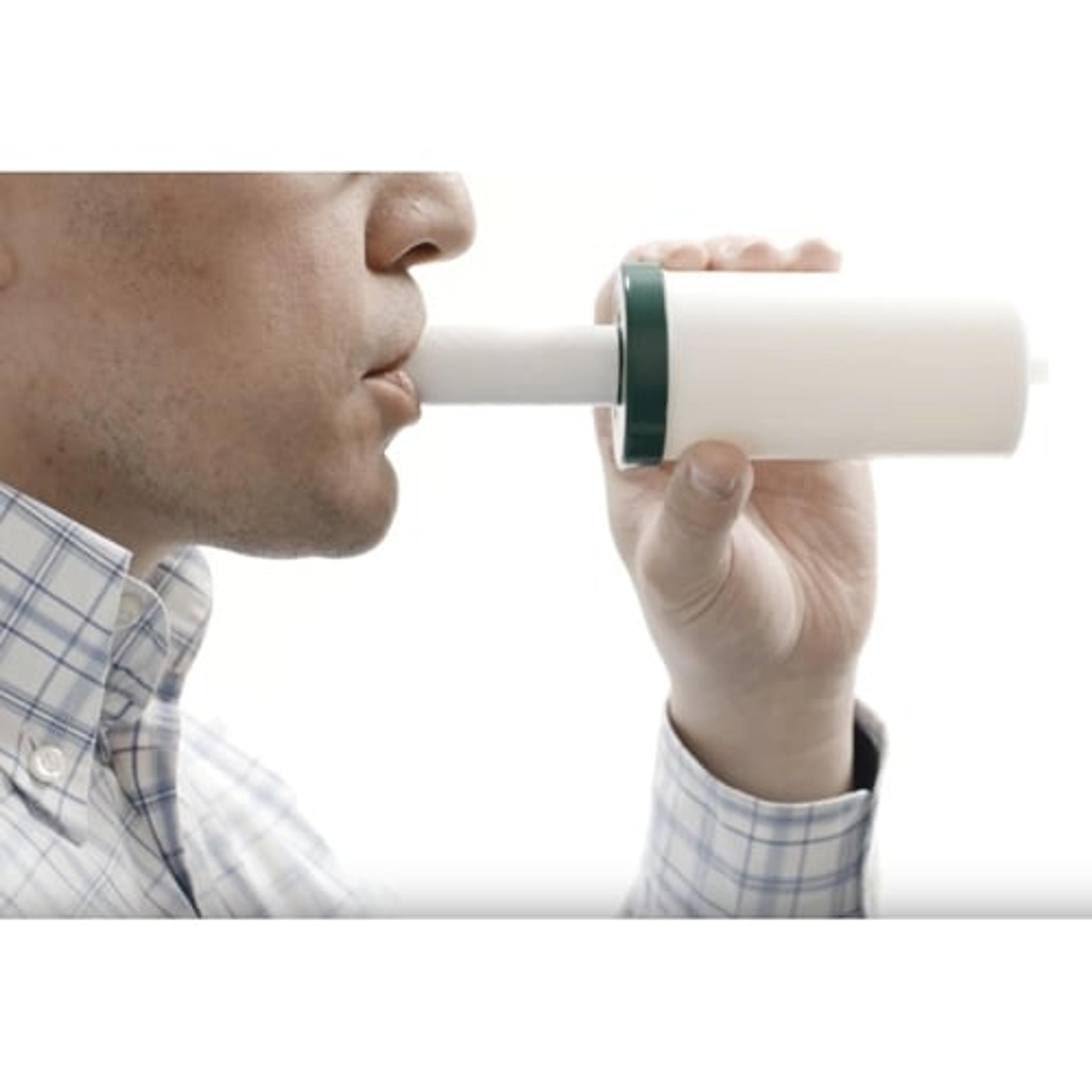
Volatile Breath Analysis in Cancer Diagnostics
The latest advances in breath detection of volatile organic compounds
22 Feb 2016
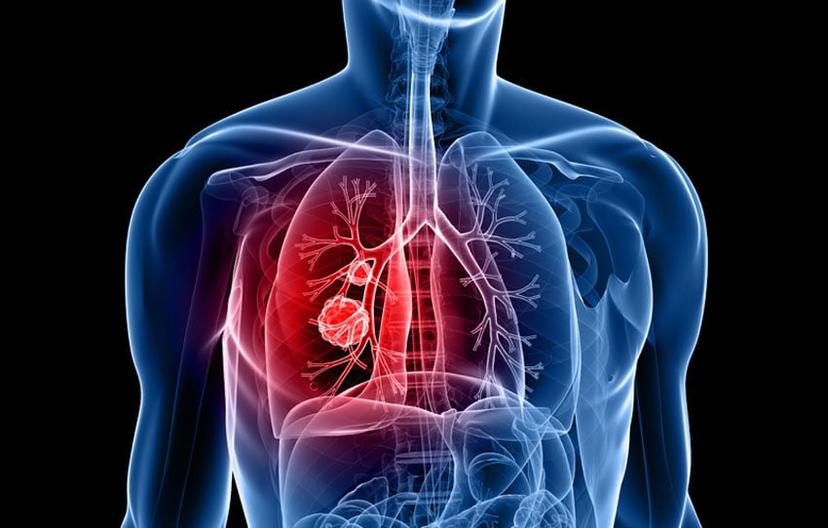
The field of lung cancer diagnostics could be revolutionalized by a breath analysis diagnostic platform currently in development
FAIMS FAIMS stands for Field Asymmetric Ion Mobility Spectrometry. The technology uses an oscillating electric field to separate different gaseous analyte ions, based on their differing ion mobilities.
Volatile organic compounds (VOCs) are detectable in the breath at very low concentrations. Examples of VOC’s measurable in exhaled breath include alcohols, ketones and organic sulphides. Because the detectable levels are very low, analytical mass spectrometry is usually required to analyze the breath samples.
VOC breath analysis is an area of increasing interest in cancer diagnosis. It has been found that different VOC breath patterns can be correlated to various different diseases. VOC patterns have been identified in lung cancer1,2, colorectal & prostate cancer3, and breast cancer4.
A new diagnostic for lung cancer
An example of VOC breath biomarker analysis in the cancer field can be seen at Owlstone, where scientists have developed a chemical sensor for lung cancer, on a silicon chip that is 100 times cheaper, and 1000 times smaller than existing technologies.
The Owlstone Breath Test (FaBT) uses Field Asymmetric Ion Mobility Spectrometry (FAIMS), applying the same core technology employed by the ultraFAIMS platform. FAIMS assesses the physiochemical properties of VOCs to provide trace detection. FAIMS is a variant of Ion Mobility Spectrometry (IMS), however unlike IMS, FAIMS sensitivity and selectivity improves as the technology is miniaturized.
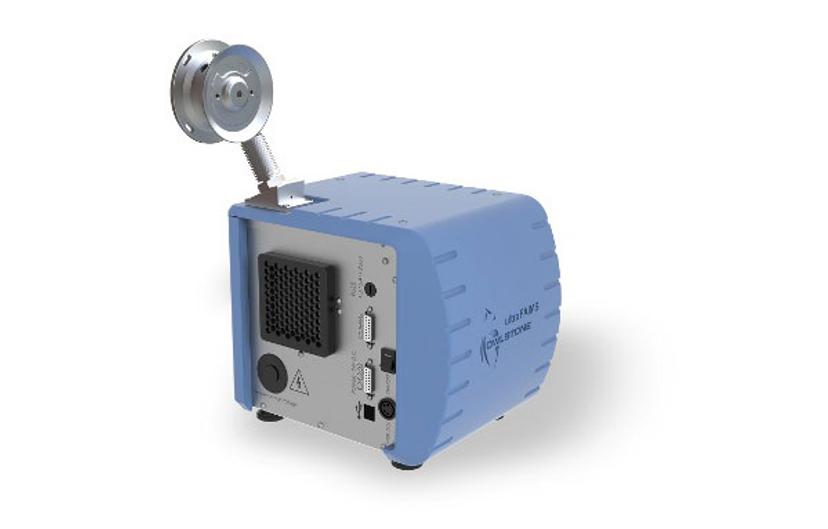
UltraFAIMS is a chip-based FAIMS (field asymmetric waveform ion mobility spectrometry) platform.
During Owlstone’s Phase I trials, FAIMS was able to detect all 12 lung cancer markers at concentrations well below those that are expressed on the breath of patients5. It is hoped that eventually, FaBT will be able to be deployed in primary care settings and eventually be used as part of an organized screening programme.
The future of VOC cancer testing
Breath analysis is low risk and non-invasive, two vitally important qualities looked for in cancer diagnostics. Breath tests could provide much earlier indication of cancers, by allowing us to detect volatile compounds present in the body before symptoms appear. Breath tests are also relatively cheap and could be applied to screening large portions of at-risk populations.
Analysis of breath biomarkers is in its infancy and much more work needs to be undertaken in this field. Large scale studies need to be carried out to determine normal VOC patterns before diagnostic biomarkers can be reliably identified. However the Owlstone project gives an indication of just how much we stand to benefit from this exciting and extremely promising field of cancer diagnostics.
Further reading:
Analysis of VOCs in Exhaled Breath as Cancer Biomarkers
Characteristic odors in breath have long been used as a tool for medical diagnosis. SPME with GC-MS analysis showed that the VOC profiles between a small set of healthy individuals and those diagnosed with lung cancer were significantly different. Learn more by downloading this application note.
Based on pioneering work carried out at the UK Health & Safety Laboratory, Markes’ Bio-VOC™ breath sampler is a simple-to-use device designed for non-invasive biological exposure monitoring of volatile organic compounds (VOCs). Learn more by viewing this product.
References:
1. http://www.lungcancerjournal.info/article/S0169-5002(09)00208-6/abstract
2. http://www.sciencedirect.com/science/article/pii/S1570023210000383
3. http://www.nature.com/bjc/journal/v103/n4/full/6605810a.html
4. http://www.ncbi.nlm.nih.gov/pubmed/23383557
5. http://www.owlstonenanotech.com/lucid/aims-activities