
Progress in Alzheimer’s Disease Biomarker Identification using Digital PCR
Cutting-edge digital PCR facilitates clinically relevant discovery
29 Mar 2016
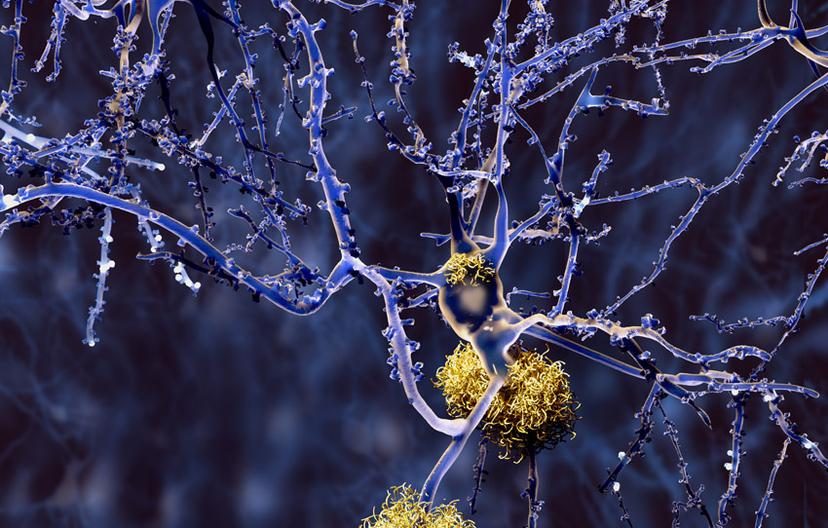
New research used digital PCR (dPCR) technology to investigate biomarkers of neurodegeneration. Image: Juan Gaertner/Shutterstock
Drs. Ramon Trullas and Petar Podlesniy of the Neurobiology Unit at the Institut d’Investigacions Biomediques August Pi i Sunyer (IDIBAPS/CSIC/CIBERNED) in Barcelona told SelectScience® about their neurodegenerative disease research recently published in collaboration with Drs. Franc Llorens and Inga Zerr at the German Center for Neurodegenerative Diseases in Göttingen. The recent work by their group used digital PCR (dPCR) technology to investigate biomarkers of neurodegeneration and found that decreased cell-free mitochondrial DNA can be used as a differential marker of Alzheimer’s disease.
Dr. Trullas’ research group investigates molecular mechanisms of neurodegeneration, with the aim of identifying potential therapeutic targets for conditions such as Alzheimer’s or Parkinson’s disease. Recently published data from the lab demonstrated, for the first time, that circulating mitochondrial DNA (mtDNA) levels allow differential diagnosis of Alzheimer’s disease from other neurodegenerative conditions, such as Creutzfeldt-Jacob disease (CJD). Diagnosis of neurodegenerative conditions is complicated by the marked similarity of the clinical symptoms, with definitive diagnosis often made post-mortem. Therefore, the identification of distinguishing biomarkers is of great clinical importance and means clinicians can administer appropriate therapies earlier.
Cell-free mitochondrial DNA level as a selective Alzheimer’s disease biomarker
Although the source of cell-free mtDNA in cerebrospinal fluid (CSF) is unknown, it has previously been associated with neurodegenerative damage with reduced levels reported to precede the appearance of clinical symptoms in Alzheimer’s disease patients. To investigate the link between neurodegeneration and cell-free, CSF mtDNA levels, Dr. Trullas’ lab compared the CSF mtDNA levels of CJD, sporadic and familial Alzheimer’s disease patients. Levels of mtDNA were found to be significantly lower in Alzheimer’s patients but unchanged in those with CJD. “In contrast with Alzheimer’s disease, CJD is a rapidly progressive dementia […] but the content of mtDNA is not altered.” This ground-breaking discovery provides a biomarker that could distinguish Alzheimer’s from other neurodegenerative conditions for diagnostic purposes and also indicates that reduced mtDNA CSF levels are not merely a consequence of neurodegeneration.
Precision of digital PCR
Digital PCR technology enabled accurate detection of mtDNA biomarker
These findings were made possible via digital PCR technology, using BioRad’s QX200 Droplet Digital PCR System, as Dr. Trullas states; “Without the availability of digital PCR we could not have carried out our mtDNA biomarker studies”. The very low mtDNA content of CSF would not have been accurately detected by quantitative PCR (qPCR) techniques, which rely on relative measures. Dr. Trullas explains that digital PCR has several advantages over qPCR for determination of low abundance targets – “it allows the absolute measurement of target DNA at a single molecule resolution and exhibits significantly higher analytical specificity, accuracy and reproducibility”. The dPCR principle involves partitioning the sample into thousands of nano-liter sized droplets, ideally containing one or zero copies of target DNA. Each droplet behaves as an individual PCR reaction using primers and fluorescent probes specific to the target sequence. After amplification, droplets containing the target sequence are detected as fluorescent and scored as positive, whilst droplets lacking fluorescence are scored as negative, providing an absolute quantification of target DNA within the sample. This detection method is more precise than qPCR, which is a relative measure that relies on the proportionality of the number of amplification cycles to the starting copy number of the target.
Future perspectives
Dr. Trullas believes that advances will soon expand to apply similar strategies to the absolute measurement of protein levels and that such improvements in nucleic acid and protein quantification will accelerate biomarker discovery. Enhanced accuracy and reproducibility of detection methods could facilitate clinical diagnosis of numerous diseases, including neurodegenerative conditions. Dr. Trullas thinks it is likely that dPCR will replace qPCR in the future but does harbor concerns that this may be “delayed by natural resistance to change current laboratory PCR practices”, despite the superior precision and reproducibility of dPCR.
Read the full article, published online by Alzheimer’s & Dementia, to learn more about this breakthrough in neurodegenerative disease biomarker research. Find out more about digital PCR in this video.
Related products
Request Quote for All Products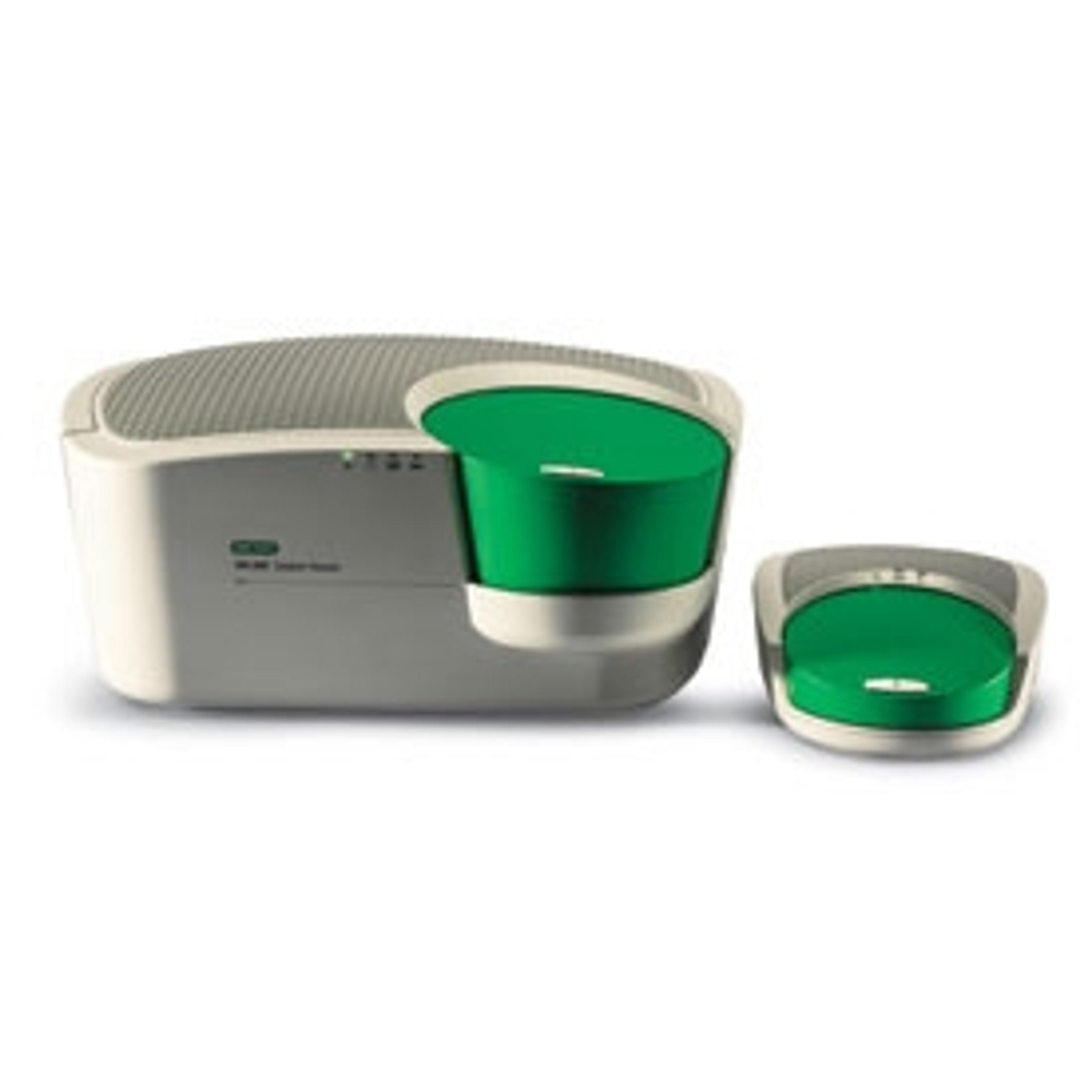
QX200™ Droplet Digital PCR System
Bio-RadDroplet Digital PCR System, includes droplet generator, droplet reader, laptop computer, software, associated component consumables, for EvaGreen or probe-based digital PCR applications